The westward trip promises a fresh start, but each labour camp reveals another way that economic hardship and unequal power constrain the family.
Why this matches +
These offer a related experience with a meaningful difference in story, tone, or presentation.
An adjacent discovery: a related idea with a different viewing experience.
Genres: Drama
Shared film traits
Based on recorded story, mood and style. Your preferences can change the order.
What changes A Depression-era family confronts economic hardship and relies on shared labor and mutual aid to survive.
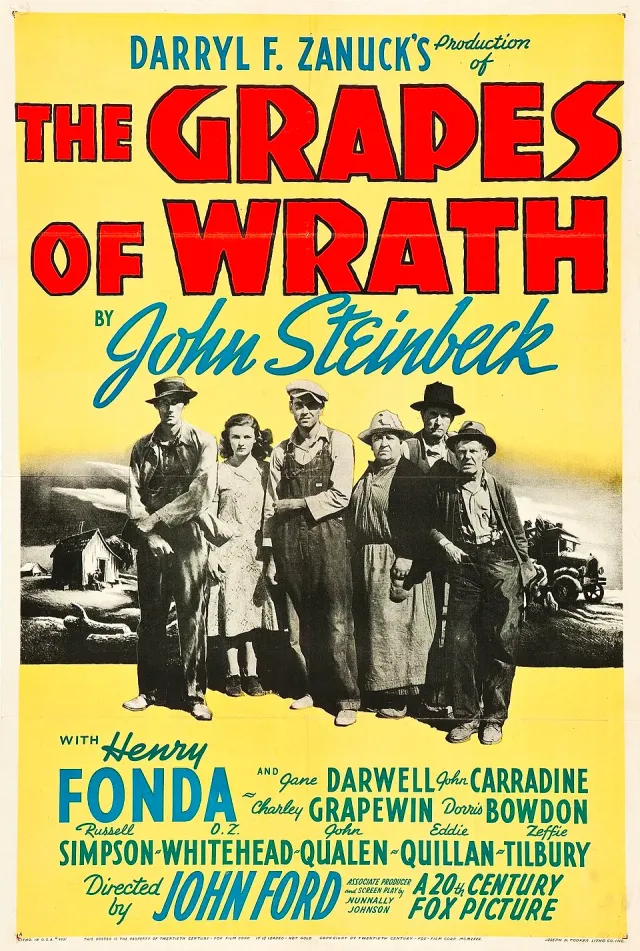
After drought and eviction drive the Joad family from their Oklahoma farm, Tom returns home from prison and travels with them toward California in search of work. The promised jobs prove uncertain, and the family encounters low wages, hostility and camps where migrant workers try to survive together. John Ford’s adaptation focuses on the family’s movement through a system that treats displaced people as disposable, while Ma Joad holds the group together as its circumstances worsen. The 1940 film is its own adaptation, with a more consoling ending than John Steinbeck’s novel.
A search for answers about her mother leads Lily to a household that offers care and a different model of family.
Why this matches +
These offer a related experience with a meaningful difference in story, tone, or presentation.
An adjacent discovery: a related idea with a different viewing experience.
Genres: Drama
Shared film traits
Based on recorded story, mood and style. Your preferences can change the order.
What changes A makeshift household in the American South navigates racial prejudice, grief and the practical care needed to survive.
A teenage girl leaves home with her caregiver and seeks refuge with three sisters who keep bees and make honey in rural South Carolina. The visit offers a new kind of family life, while the girl’s grief and questions about her mother’s past continue to shape her choices. Set against racial injustice in the 1960s, the drama connects private healing to community and the limits imposed by the surrounding society.
A risky farming venture turns competing ideas of security and success into daily disputes over money, care and where the family should live.
Why this matches +
These offer a related experience with a meaningful difference in story, tone, or presentation.
An adjacent discovery: a related idea with a different viewing experience.
Genres: Drama
Shared film traits
Based on recorded story, mood and style. Your preferences can change the order.
What changes A family works an unfamiliar farm while economic uncertainty and community relationships test its hopes for independence.
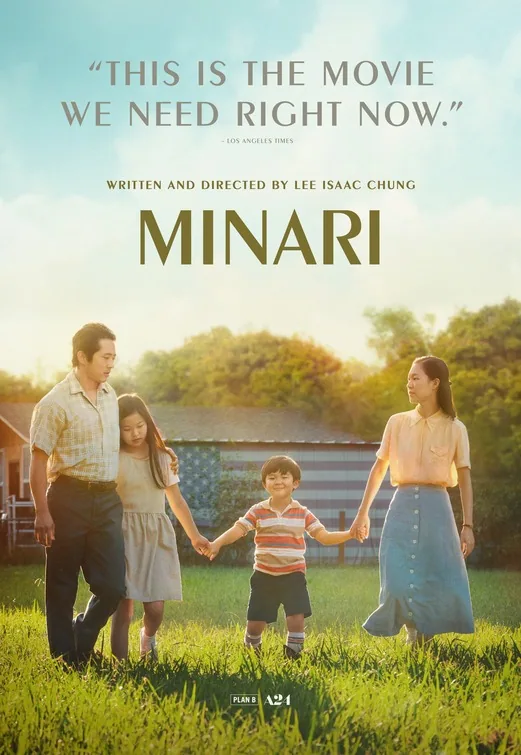
A Korean immigrant family moves to rural Arkansas, where the father hopes to build a farm supplying vegetables to other Korean households. His confidence in the land creates new strains for a marriage already stretched by insecure work, distance from familiar support and their son's health needs. The arrival of the children's grandmother offers another form of continuity, making the family's effort to put down roots both practical and deeply personal.
A child's remembered family life is gradually broken apart by labor conflict, class barriers, migration and the dangers of the mine.
Why this matches +
These offer a related experience with a meaningful difference in story, tone, or presentation.
An adjacent discovery: a related idea with a different viewing experience.
Genres: Drama
Shared film traits
Based on recorded story, mood and style. Your preferences can change the order.
What changes A working family faces economic insecurity and social divisions while community bonds sustain daily life.
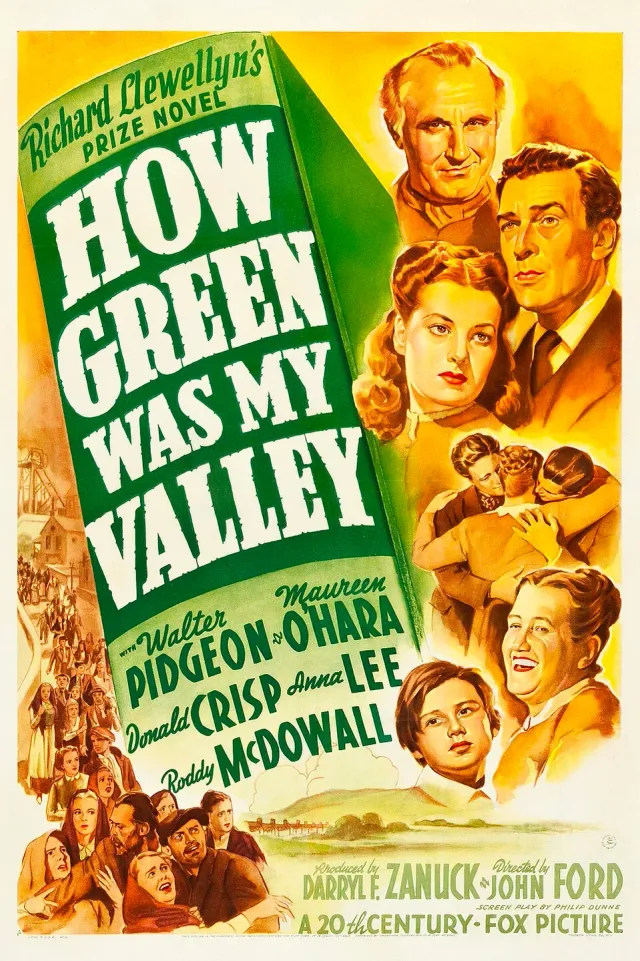
A man remembers childhood in a Welsh mining family before changes in work and landscape dissolved the world he knew. Wage conflict divides his father from older brothers, while schooling, romance and religious gossip expose other hierarchies inside a community he still loves. Injuries and departures accumulate beneath the warmth of song and family ritual. The drama makes recollection both a shelter and an admission of loss, presenting industrial change through the child who cannot yet understand every pressure shaping the adults around him.
Sharon’s commitment to help develops alongside her need to repair her own life.
Why this matches +
These offer a related experience with a meaningful difference in story, tone, or presentation.
An adjacent discovery: a related idea with a different viewing experience.
Genres: Drama
Shared film traits
Based on recorded story, mood and style. Your preferences can change the order.
What changes People facing financial and personal hardship organize practical community support for a vulnerable family.
In 1990s Louisville, hairdresser Sharon Stevens becomes involved in helping a young girl who needs a liver transplant after losing her mother. She mobilizes a community to support the family while facing her own addiction and strained relationships. The faith-based drama links personal recovery with collective care, presenting generosity as an imperfect choice made by people who are themselves dealing with hardship.
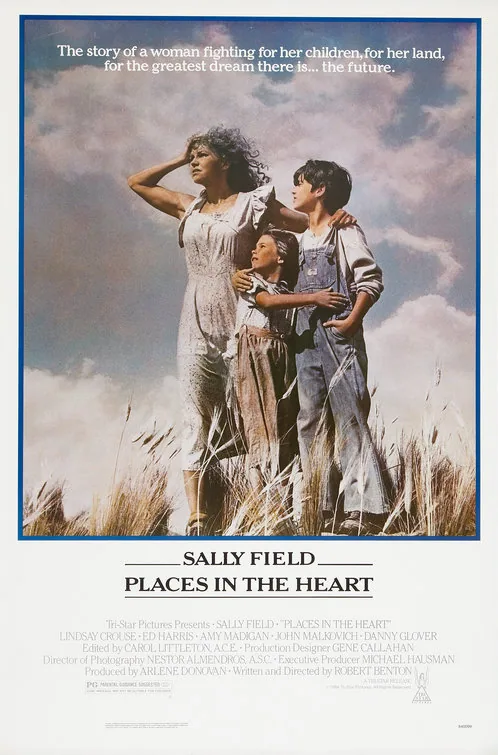
In Depression-era Texas, widowed Edna Spalding tries to keep her farm after her husband's death. She hires a blind boarder and a Black laborer, whose work and differing circumstances become central to the household's survival through a difficult season. Their practical cooperation unfolds against racism, economic insecurity and family grief, giving the farm's struggle a wider view of interdependence in a small community.
What drives the story
The need to save a farm brings an unlikely household together through seasonal work and mutual reliance.
The people at its centre
Edna's resolve is supported by people whose skill is often undervalued by the surrounding community.
What it feels like
Quiet domestic routines and sudden hardship give the story a patient, grounded rhythm.
Worth knowing
Its focus is a rural family's survival and community bonds rather than a single romance or courtroom conflict.