An unexpected profession teaches a displaced musician how deliberate bodily care can mediate grief, while concealing the work threatens his marriage and public belonging.
Why this matches +
These offer a related experience with a meaningful difference in story, tone, or presentation.
An adjacent discovery: a related idea with a different viewing experience.
Genres: Drama
Shared film traits
Based on recorded story, mood and style. Your preferences can change the order.
What changes Departures examines mortality and meaning through a worker's changing relationship to service.
After his orchestra dissolves, a cellist returns with his wife to his hometown and answers an advertisement he mistakes for work in travel. The job instead involves preparing bodies for cremation, bringing financial relief alongside secrecy and social stigma. Learning the ceremony's careful physical language changes his understanding of dignity and family grief, while unresolved anger toward his absent father tests whether professional attentiveness can reach the loss he has kept apart from everyone else's. Daigo’s work is not embalming as spectacle but a repeated ceremony that restores dignity to grieving families.
A contradictory eligibility decision traps a sick worker between systems, making survival depend on navigating tasks whose completion does not produce timely support.
Why this matches +
These offer a related experience with a meaningful difference in story, tone, or presentation.
An adjacent discovery: a related idea with a different viewing experience.
Genres: Drama
Shared film traits
Based on recorded story, mood and style. Your preferences can change the order.
What changes I, Daniel Blake follows a man confronting bureaucracy while trying to retain dignity and help others.
A widowed carpenter unable to resume work after a heart attack is declared fit by a benefits assessment and pushed into requirements that contradict his doctor's advice. Seeking an appeal demands computer skills, repeated explanations and performances of job-seeking that do little to meet his immediate needs. Friendship with a single mother creates a small network of practical care within the same system's failures. The social drama makes administrative delay materially consequential, contrasting ordinary competence and solidarity with procedures that refuse to recognize either.
A stolen work tool turns an ordinary first day into a search whose failure threatens a family's fragile income and the father's self-respect.
Why this matches +
These offer a related experience with a meaningful difference in story, tone, or presentation.
An adjacent discovery: a related idea with a different viewing experience.
Genres: Drama / Art
Shared film traits
Based on recorded story, mood and style. Your preferences can change the order.
What changes Bicycle Thieves follows a man's practical struggle within an indifferent system and its effect on his family.
A father in postwar Rome finally obtains work that depends on owning a bicycle, only to have it stolen at the beginning of the job. Searching the city with his young son reveals how little protection formal authority and community can offer against material desperation. Each failed lead narrows his options, exposing the pressure poverty places on the identity he hopes to maintain in front of a child who still depends on him.
A worker has one weekend to persuade colleagues to give up a bonus so she can keep her job.
Why this matches +
These offer a related experience with a meaningful difference in story, tone, or presentation.
An adjacent discovery: a related idea with a different viewing experience.
Genres: Drama
Shared film traits
Based on recorded story, mood and style. Your preferences can change the order.
What changes Two Days, One Night follows a worker seeking a practical outcome from colleagues within a constraining system.
Sandra learns that her factory colleagues have been offered a bonus in exchange for voting to eliminate her job. With only a weekend to change their minds, she visits each coworker and asks them to reconsider, while managing illness and fragile confidence. Jean-Pierre and Luc Dardenne's drama turns a workplace vote into an intimate portrait of solidarity, pressure and the value attached to one person's labour.
The legal seizure is the first visible mechanism of dispossession, but each appeal moves through institutions linked to the same local authority. The film asks what a right means when the process itself offers no neutral forum.
Why this matches +
These offer a related experience with a meaningful difference in story, tone, or presentation.
An adjacent discovery: a related idea with a different viewing experience.
Genres: Drama / Crime
Shared film traits
Based on recorded story, mood and style. Your preferences can change the order.
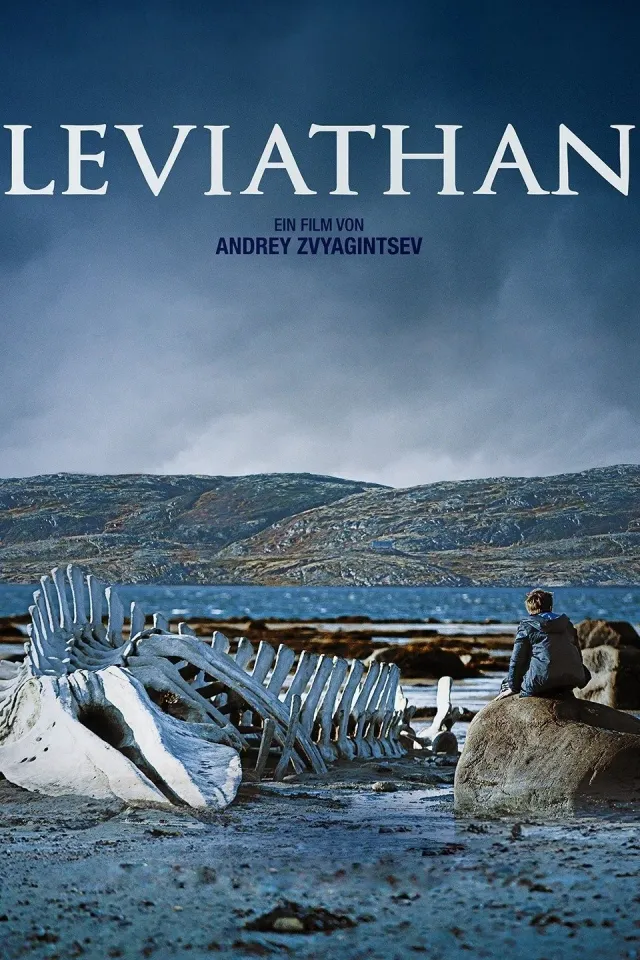
What changes Leviathan portrays an individual confronting institutional power whose routines absorb personal appeals.
In a northern Russian town, mechanic Kolya faces the loss of his home after the mayor uses public power to seize his property. A lawyer friend arrives to challenge the case, but private betrayal, police pressure and the cost of resisting make the legal dispute increasingly personal. The film draws on the biblical story of Job and places ordinary family life beside a landscape and political system that seem indifferent to individual claims. Yet its bleakness does not provide a simple explanation of who is guilty or whether resistance was possible. The property case, marriage breakdown and final public narrative remain related without becoming one moral equation. Zvyagintsev’s drama is deliberately opaque about culpability while sharply showing how institutions can decide which account becomes official.
Municipal clerk Kanji Watanabe learns that he is dying after decades of routine work and first tries to use nightlife to fill the time he has left. A younger colleague’s vitality shows him what he has been missing, but purpose takes practical form when he presses the city to build a playground requested by neighborhood residents. After his death, the film shifts to coworkers reconstructing his actions and gradually losing resolve to change their own habits. This two-part structure makes the project meaningful without promising institutional reform: what Watanabe achieved can be acknowledged, misunderstood and absorbed by the bureaucracy he briefly moved.
What drives the story
A terminal diagnosis redirects a passive official toward one neglected civic project, then a posthumous inquiry asks whether colleagues can maintain the change he began. Building the playground is a modest civic achievement whose meaning changes after Watanabe can no longer explain it.
The people at its centre
Distance from his son contrasts with the energy Watanabe observes in a younger coworker; colleagues alternate admiration with explanations that protect routine. At the wake, coworkers reinterpret him to protect or challenge their own routines.
What it feels like
Measured observation gives way to a funeral-centered second half, changing the viewer from witness to interpreter of other people’s partial memories. The shift to posthumous testimony changes what viewers know and whom they trust.
Worth knowing
Compare with stories of finite time turned into public care, not a generic inspirational cure; the film’s divided form questions whether recognition leads to institutional reform. The film values a concrete act without claiming one official can reform an entire bureaucracy.