The murder plot is sustained by the headright system and local institutions, not by one hidden villain acting outside society. The transition toward federal investigation arrives after Osage loss and community efforts have already shaped the stakes.
Why this matches +
These offer a related experience with a meaningful difference in story, tone, or presentation.
An adjacent discovery: a related idea with a different viewing experience.
Genres: Crime / Drama
Shared film traits
Based on recorded story, mood and style. Your preferences can change the order.
Investigation
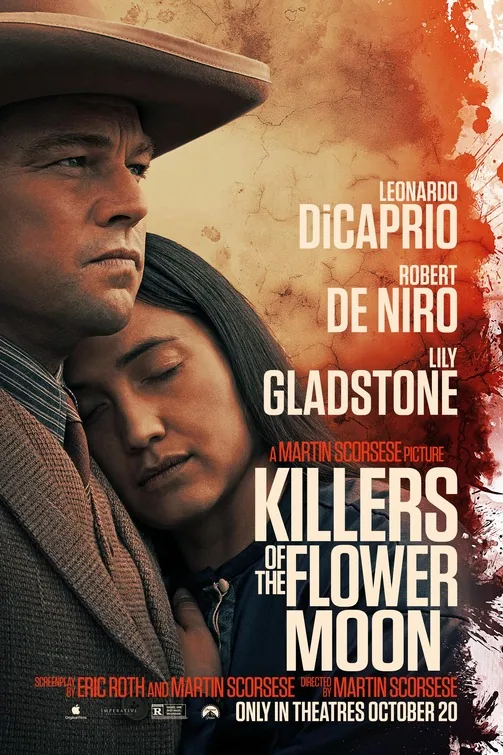
What changes Killers of the Flower Moon depicts powerful interests profiting from land and lives while institutions fail to protect a community, focusing on the historical targeting of the Osage rather than a single household's property case.
In 1920s Oklahoma, the Osage Nation’s oil wealth makes its members targets of a coordinated campaign of murder, fraud and dispossession. Ernest Burkhart returns from the war and marries Mollie Kyle, but his expressions of love exist alongside his uncle William Hale’s plan to acquire her family’s headrights. Mollie navigates illness, grief and a legal system that fails to protect her while Ernest’s self-image collides with what he enables. The final movement shifts from investigation toward the making of public stories about the crimes, leaving the Osage community present but not fully in control of its representation. The film consulted Osage people, yet its perpetrator-centered form should not make outside investigators the sole agents of Indigenous resistance.
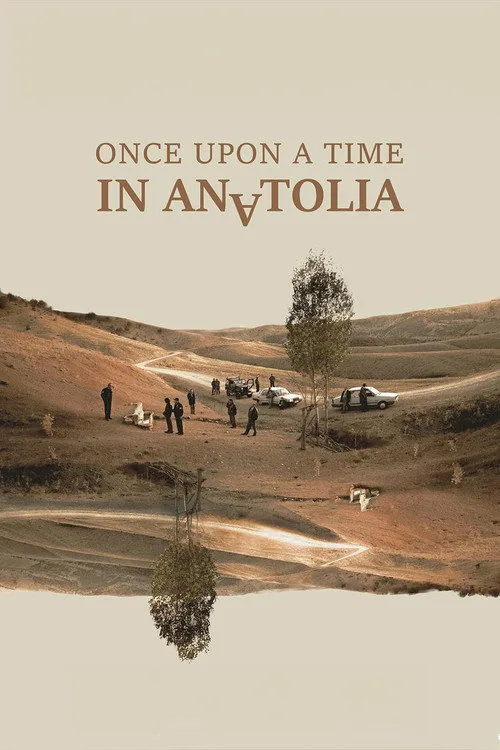
The search party follows a suspect's uncertain directions through the night until the landscape finally gives up its evidence.
Why this matches +
These offer a related experience with a meaningful difference in story, tone, or presentation.
An adjacent discovery: a related idea with a different viewing experience.
Genres: Drama / Crime
Shared film traits
Based on recorded story, mood and style. Your preferences can change the order.
Investigation
What changes Once Upon a Time in Anatolia follows officials through a morally uncertain investigation, observing institutional behavior and personal strain rather than a land dispute.
A group of police officers, prosecutors, a doctor, and a murder suspect drive across the Anatolian steppe at night in search of a buried body. Kenan, the accused man, remembers the burial imperfectly after drinking, while the repeated hills and darkness make the search difficult. Conversations during the stops reveal private histories and tensions among the officials, and the investigation continues into morning. Nuri Bilge Ceylan's drama shifts attention from solving the case to the routines, frustrations, and moral ambiguities surrounding those responsible for it.
Conditional hospitality becomes a labor bargain whose terms worsen whenever the fugitive's outside options narrow, making the town's claimed generosity a structure of coercion. After a search notice raises the town’s perceived risk, residents increase their demands while Grace’s alternatives shrink.
Why this matches +
These offer a related experience with a meaningful difference in story, tone, or presentation.
An adjacent discovery: a related idea with a different viewing experience.
Genres: Drama / Crime
Shared film traits
Based on recorded story, mood and style. Your preferences can change the order.
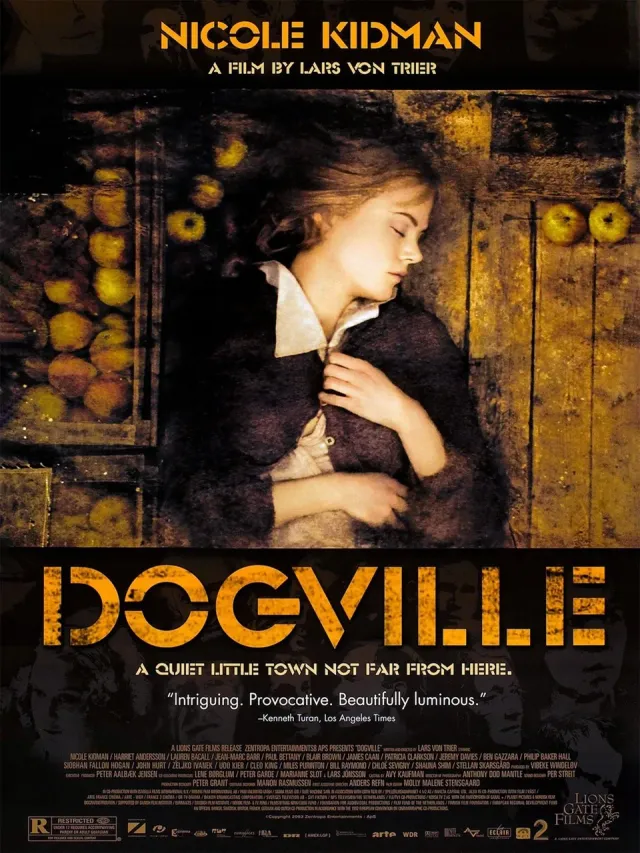
What changes Dogville examines a vulnerable person's exploitation by a community whose stated virtue conceals cruelty, using a theatrical American parable instead of Russian local government.
A woman fleeing gangsters accepts shelter in an isolated town, where an aspiring moral leader proposes her presence as a test of communal generosity. Work initially offered as gratitude becomes the condition of being allowed to remain, and her increasing vulnerability gives neighbors leverage to demand more. When the protection they claim to provide becomes systematic exploitation, a later reversal of power questions both the community's self-description and the moral certainty of punishing it. Its exposed stage makes spectators watch private coercion as collective behavior, not as unseen domestic misfortune.
The legal case turns a private family loss into a public question about ownership and historical responsibility.
Why this matches +
These offer a related experience with a meaningful difference in story, tone, or presentation.
An adjacent discovery: a related idea with a different viewing experience.
Genres: Biography / Drama
Shared film traits
Based on recorded story, mood and style. Your preferences can change the order.
Investigation
What changes The Woman in Gold follows a legal struggle to reclaim property from a state, but its restitution drama offers a markedly more hopeful path than Kolya's fight against a corrupt mayor.
An older Austrian-American woman takes the Austrian government to court over a Gustav Klimt portrait stolen from her family during the Nazi era. With a young lawyer, she pursues restitution while revisiting the history of displacement and loss that shaped her life. The legal drama links a public property dispute to memory, cultural inheritance and the difficulty of asking institutions to recognize past injustice.
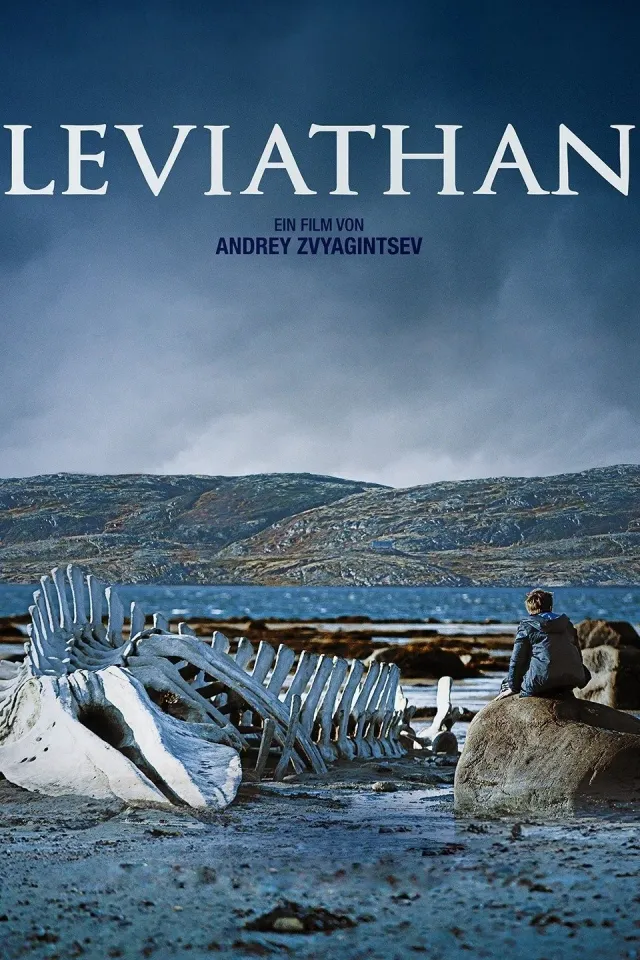
In a northern Russian town, mechanic Kolya faces the loss of his home after the mayor uses public power to seize his property. A lawyer friend arrives to challenge the case, but private betrayal, police pressure and the cost of resisting make the legal dispute increasingly personal. The film draws on the biblical story of Job and places ordinary family life beside a landscape and political system that seem indifferent to individual claims. Yet its bleakness does not provide a simple explanation of who is guilty or whether resistance was possible. The property case, marriage breakdown and final public narrative remain related without becoming one moral equation. Zvyagintsev’s drama is deliberately opaque about culpability while sharply showing how institutions can decide which account becomes official.
What drives the story
The legal seizure is the first visible mechanism of dispossession, but each appeal moves through institutions linked to the same local authority. The film asks what a right means when the process itself offers no neutral forum.
The people at its centre
Kolya’s anger and drinking harm his closest relationships; that damage does not make the mayor’s use of office legitimate. Lilya’s choices and the lawyer’s private betrayal complicate any simple division between innocent victims and corrupt officials.
What it feels like
Long takes, cold coastal landscapes and recurring images of the whale skeleton make scale and duration part of the judgment. The final religious ceremony reframes public truth without explaining every earlier event.
Worth knowing
The Job allusion is a lens rather than a key that solves the plot. Preserve the difference between personal failure, opaque moral responsibility and institutional power; the film’s bleak ending does not establish that every act of resistance is futile.