Complicity in a killing produces a moral crisis that can only be addressed by challenging the criminal control of a workplace.
Why this matches +
These offer a related experience with a meaningful difference in story, tone, or presentation.
An adjacent discovery: a related idea with a different viewing experience.
Genres: Crime / Drama
Shared film traits
Based on recorded story, mood and style. Your preferences can change the order.
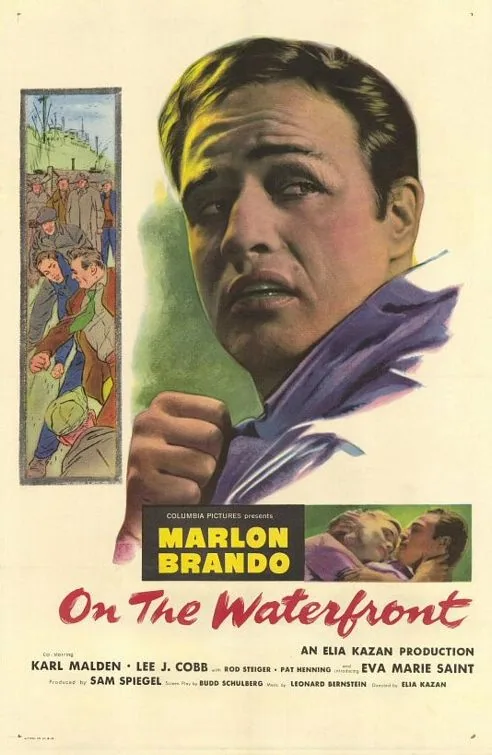
What changes On the Waterfront examines a community's complicity in exploitation and the risks of breaking its silence.
A former boxer working on the docks helps lure a fellow worker into a confrontation that ends in murder. His dependence on a corrupt union leader, and on a brother close to that leader, makes acknowledging his part dangerous. Growing affection for the victim's sister and pressure from a local priest force him to reconsider whether loyalty means keeping silent or accepting the personal cost of speaking against the system supporting him.
An amateur revenge act creates a reciprocal threat to a family and reveals that the certainty justifying the initial target was incomplete.
Why this matches +
These offer a related experience with a meaningful difference in story, tone, or presentation.
An adjacent discovery: a related idea with a different viewing experience.
Genres: Thriller / Crime
Shared film traits
Based on recorded story, mood and style. Your preferences can change the order.
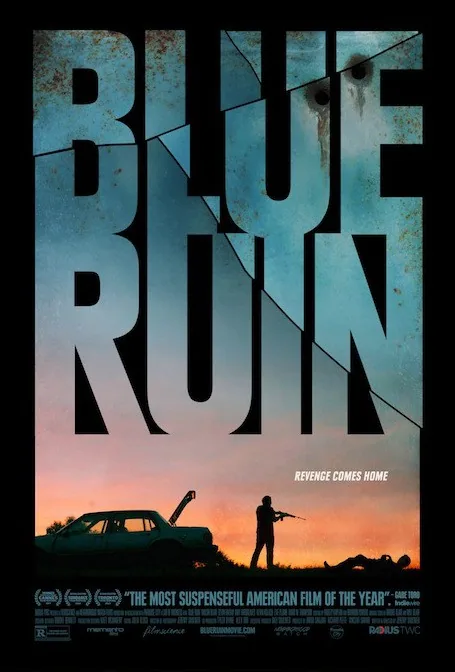
What changes Blue Ruin follows the moral and human costs of revenge when power shifts between vulnerable people.
A man living at the margins learns that the person convicted of killing his parents is being released from prison. His attempt at revenge succeeds in one immediate sense but exposes his lack of practical competence and puts his sister's household at risk. Learning more about the original crime does not offer an easy route back, as family loyalties and retaliatory assumptions make further violence seem like the only remaining protection.
A day of movement and confrontation accumulates around a weapon and the possibility of retaliatory violence.
Why this matches +
These offer a related experience with a meaningful difference in story, tone, or presentation.
An adjacent discovery: a related idea with a different viewing experience.
Genres: Crime / Drama
Shared film traits
Based on recorded story, mood and style. Your preferences can change the order.
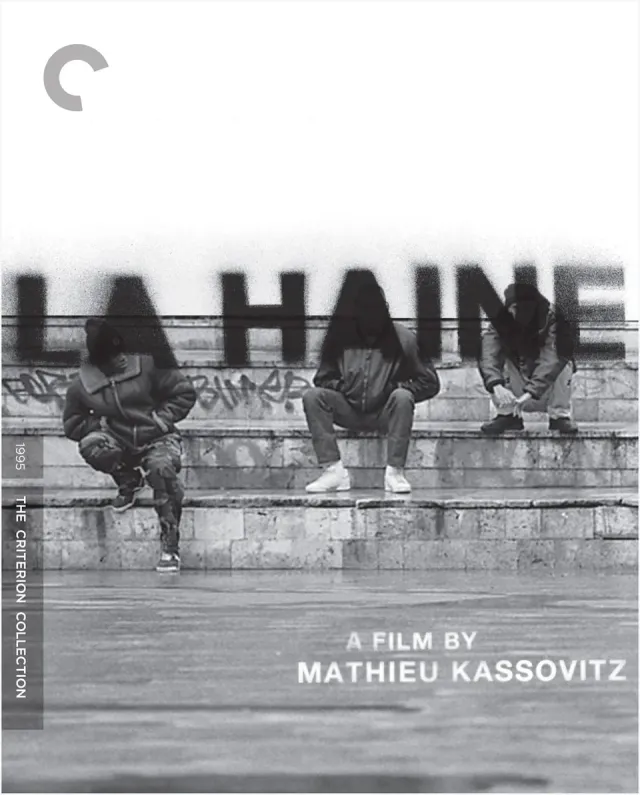
What changes La Haine examines social exclusion and the cycle of hostility and retaliation within a community.
Three friends from a marginalised Paris suburb spend a tense day after a riot has left another young man critically injured. One carries a police gun and imagines retaliation, while the others respond with scepticism, bravado or attempts at restraint. Encounters in the suburb and the city repeatedly expose humiliation and exclusion, making aimless movement feel like a narrowing set of options.
A beginner's rapid adaptation to a market's incentives escalates from opportunistic documentation towards manufacturing the conditions of valuable footage.
Why this matches +
These offer a related experience with a meaningful difference in story, tone, or presentation.
An adjacent discovery: a related idea with a different viewing experience.
Genres: Crime / Thriller
Shared film traits
Based on recorded story, mood and style. Your preferences can change the order.
What changes Nightcrawler portrays ruthless exploitation hidden beneath the language of opportunity and professionalism.
An unemployed outsider discovers that graphic footage of crime and disaster can be sold to local television news. Learning what a producer rewards, he turns observation into increasingly active manipulation of scenes and people. Professional self-improvement language conceals a predatory account of success, while the relationship between an ambitious freelancer and an institution hungry for sensational material makes exploitation look like efficient business practice.
A pursuit is conducted simultaneously by police and criminals whose reasons for stopping a killer are sharply different.
Why this matches +
These offer a related experience with a meaningful difference in story, tone, or presentation.
An adjacent discovery: a related idea with a different viewing experience.
Genres: Crime / Thriller
Shared film traits
Based on recorded story, mood and style. Your preferences can change the order.
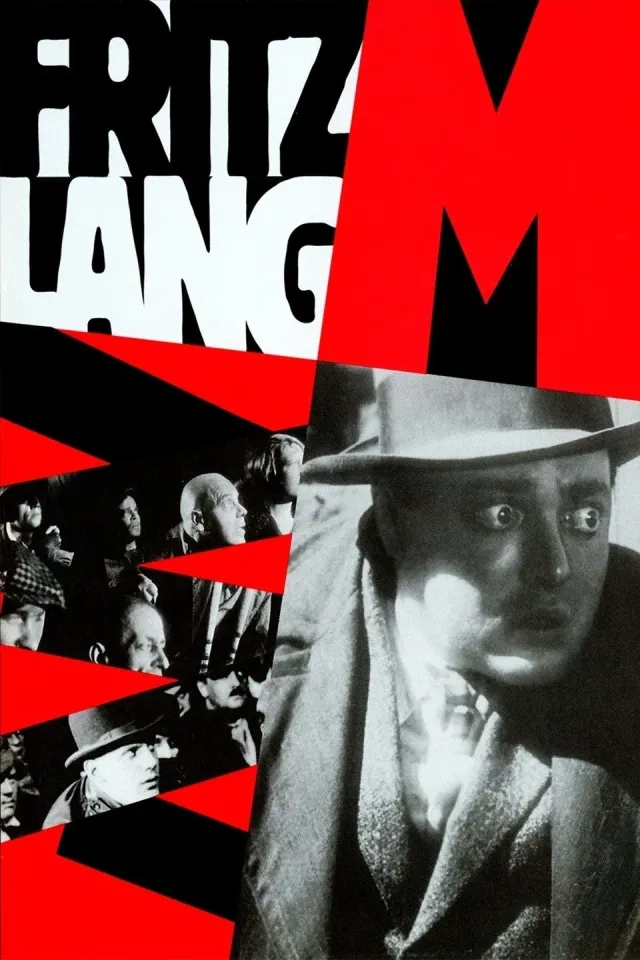
What changes M follows a community turning collective fear into an unofficial pursuit and judgment of a vulnerable target.
A city gripped by the murder of children turns increasingly suspicious as police apply pressure across its criminal underworld. Professional criminals organise their own search to remove the disruption caused by raids, creating parallel systems of pursuit. The hunt's convergence raises questions about public fear, punishment and whether a crowd claiming to deliver justice can recognise the limits of its authority.
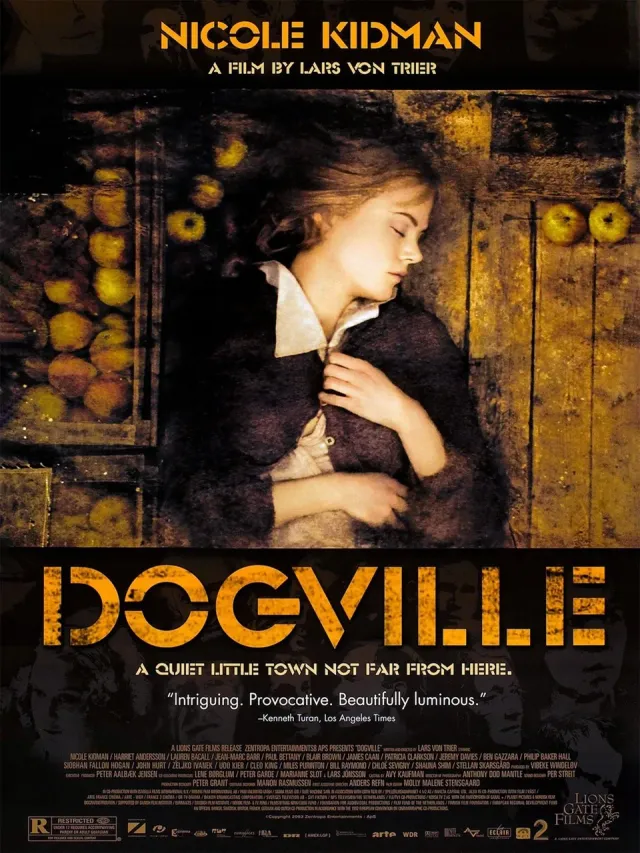
A woman fleeing gangsters accepts shelter in an isolated town, where an aspiring moral leader proposes her presence as a test of communal generosity. Work initially offered as gratitude becomes the condition of being allowed to remain, and her increasing vulnerability gives neighbors leverage to demand more. When the protection they claim to provide becomes systematic exploitation, a later reversal of power questions both the community's self-description and the moral certainty of punishing it. Its exposed stage makes spectators watch private coercion as collective behavior, not as unseen domestic misfortune.
What drives the story
Conditional hospitality becomes a labor bargain whose terms worsen whenever the fugitive's outside options narrow, making the town's claimed generosity a structure of coercion. After a search notice raises the town’s perceived risk, residents increase their demands while Grace’s alternatives shrink.
The people at its centre
Tom's need to stage a moral example fails to protect Grace's autonomy, while her patience and the residents' growing entitlement expose different ways of evading responsibility.
What it feels like
A bare stage marked with house outlines makes private abuses publicly visible to the spectator, combining formal abstraction with severe emotional and physical cruelty. Chalk streets, visible props and narration replace realistic houses, making theatrical artifice intensify rather than soften abuse.
Worth knowing
Match on hospitality transformed into domination and a disturbing reversal of judgment, while avoiding the conclusion that the eventual power to retaliate makes every act of retribution morally settled.