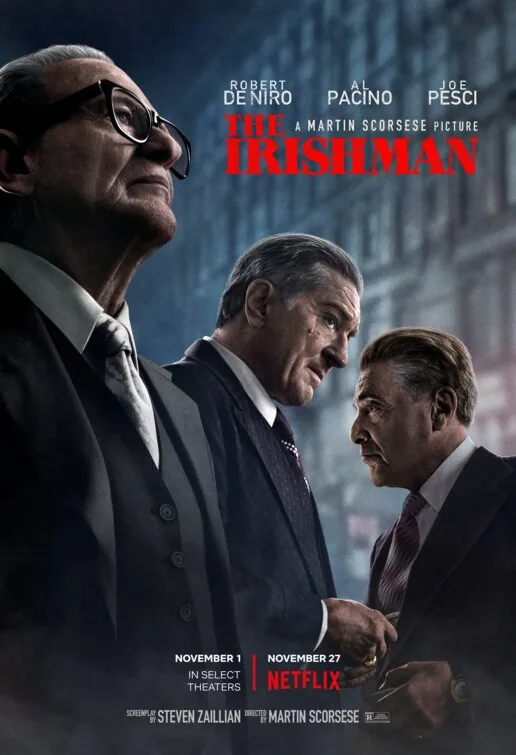
A succession crisis turns a reluctant son into a strategic participant whose defence of family becomes consolidation of criminal authority.
Why this matches +
These films share important themes, atmosphere or storytelling interests with this selection.
Genres: Crime / Drama
Shared film traits
Based on recorded story, mood and style. Your preferences can change the order.
Criminal underworld
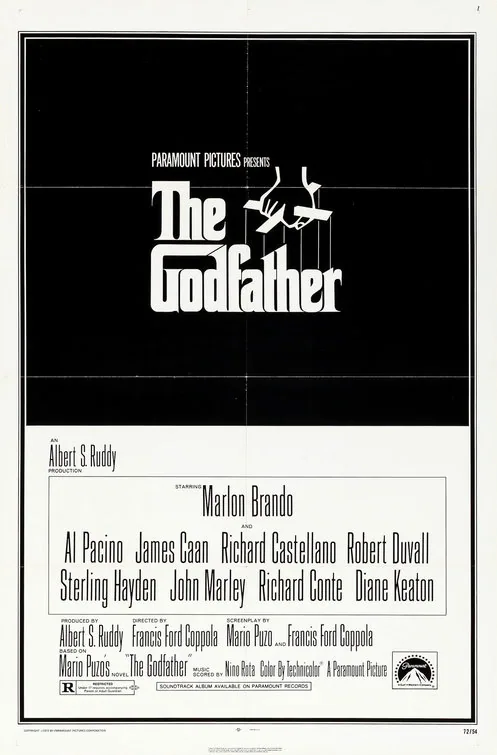
What changes Its own story: A succession crisis turns a reluctant son into a strategic participant whose defence of family becomes consolidation of criminal authority.
An organised-crime patriarch balances family celebration with requests for favours, presenting private authority as both protection and obligation. After an attack destabilises his position, the son who had planned a separate life becomes increasingly involved in defending the household. Each apparently necessary act draws that outsider further into a system where loyalty and power can make violence seem like care, while making genuine intimacy progressively harder to sustain.
A public act of self defense exposes a concealed past and brings criminal claims into an apparently settled household.
Why this matches +
These films share important themes, atmosphere or storytelling interests with this selection.
Genres: Crime / Drama
Shared film traits
Based on recorded story, mood and style. Your preferences can change the order.
Criminal underworld
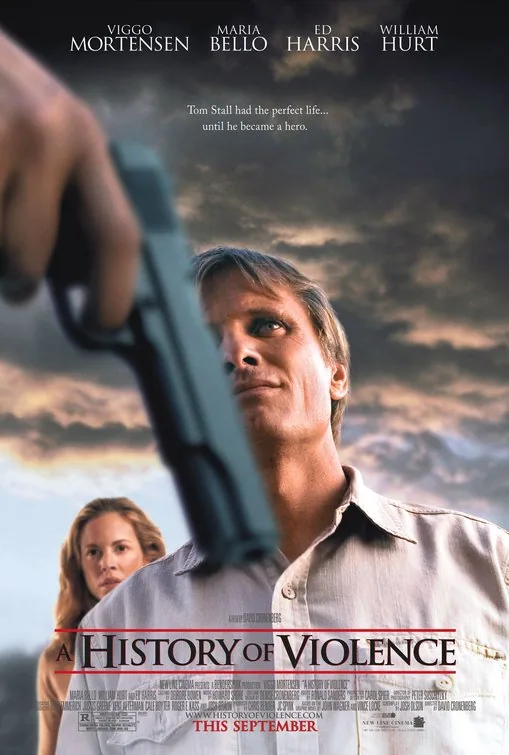
What changes Its own story: A public act of self defense exposes a concealed past and brings criminal claims into an apparently settled household.
A quiet small town diner owner becomes a local hero after killing armed robbers during an attack. Public attention brings a stranger who insists that the man has a different name and a violent criminal past. As the threat reaches his family, the protective identity he has built becomes inseparable from questions about whether violence can ever remain confined to an earlier life.
Serpico’s refusal to participate turns routine police work into an institutional conflict, and each attempt to report the bribes exposes another layer of protection for the system.
Why this matches +
These films share important themes, atmosphere or storytelling interests with this selection.
Genres: Crime / Drama
Shared film traits
Based on recorded story, mood and style. Your preferences can change the order.
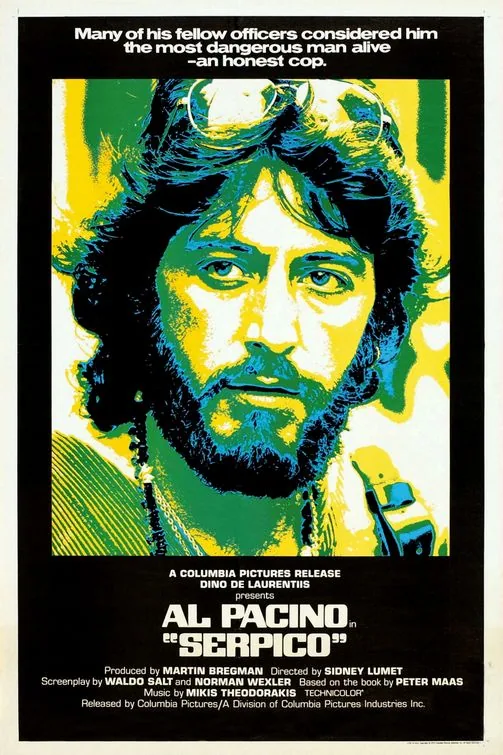
What changes Its own story: Serpico’s refusal to participate turns routine police work into an institutional conflict, and each attempt to report the bribes exposes another layer of protection for the system.
New York police officer Frank Serpico begins his career hoping to serve the public, but his unconventional style and refusal to accept bribes isolate him from colleagues who profit from a widespread corruption system. As he reports misconduct through official channels, indifference and retaliation make his own department an obstacle to the investigation. During a Brooklyn drug raid he is shot in the face, a turning point that exposes how isolated he has become within the force. His recovery and testimony before the Knapp Commission help bring the corruption into public view, but his relationship with the department is permanently changed.
An infiltration depends on a sponsor's sincere loyalty, creating a conflict in which accumulating better evidence also increases the danger to the person making access possible. Each promotion makes the case stronger but increases the potential cost to the aging mobster who vouched for him.
Why this matches +
These films share important themes, atmosphere or storytelling interests with this selection.
Genres: Crime / Drama
Shared film traits
Based on recorded story, mood and style. Your preferences can change the order.
Criminal underworld
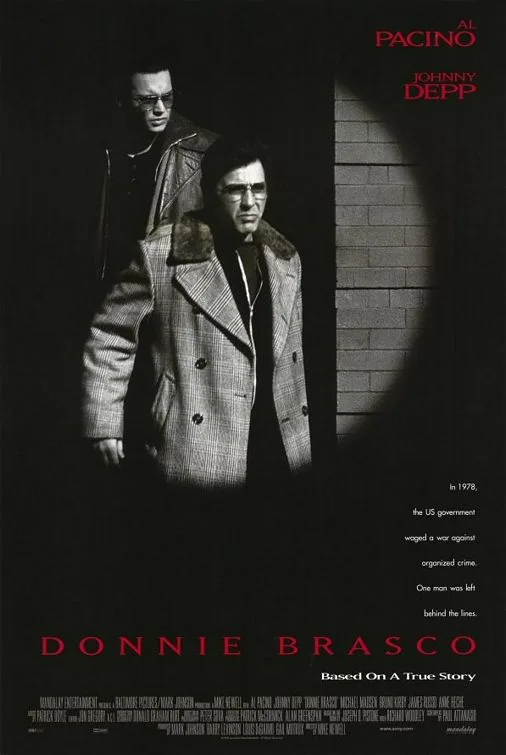
What changes Its own story: An infiltration depends on a sponsor's sincere loyalty, creating a conflict in which accumulating better evidence also increases the danger to the person making access possible. Each promotion makes the case stronger but increases the potential cost to the aging mobster who vouched for him.
An undercover agent enters a New York Mafia crew through an older enforcer who teaches him the rules and stakes his own reputation on the newcomer. Gathering evidence requires sustaining a relationship that becomes emotionally real, while time inside the role damages the agent's marriage and ordinary identity. Advancement exposes the mentor's insecurity within a hierarchy that can punish him for a trust he experiences as friendship, making professional success difficult to separate from personal betrayal. The operation succeeds through a friendship that is genuine to Lefty even while Donnie must treat it as evidence-gathering.
The threat of publication links two risks: Wigand may lose his safety and livelihood, while CBS may suppress the interview to protect itself.
Why this matches +
These films share important themes, atmosphere or storytelling interests with this selection.
Genres: Drama / Thriller
Shared film traits
Based on recorded story, mood and style. Your preferences can change the order.
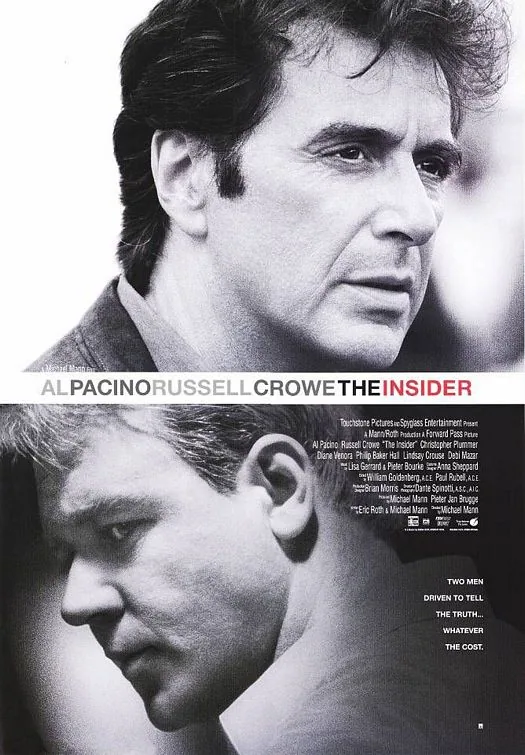
What changes Its own story: The threat of publication links two risks: Wigand may lose his safety and livelihood, while CBS may suppress the interview to protect itself.
CBS producer Lowell Bergman persuades former tobacco executive Jeffrey Wigand to explain what he knows about Brown & Williamson’s practices for a 60 Minutes investigation. Wigand’s confidentiality agreement, threats and family pressures make cooperation dangerous, while CBS executives worry about legal and financial exposure. As the broadcast is delayed and edited, Bergman must decide whether protecting the story means confronting the network that employs him. The film turns investigative reporting into a battle over sources, corporate pressure and newsroom independence, dramatizing real events without serving as a transcript of every participant’s perspective.
Karen's safety concerns lead her from workplace organizing toward a public effort to expose hazardous practices.
Why this matches +
These films share important themes, atmosphere or storytelling interests with this selection.
Genres: Drama / History
Shared film traits
Based on recorded story, mood and style. Your preferences can change the order.
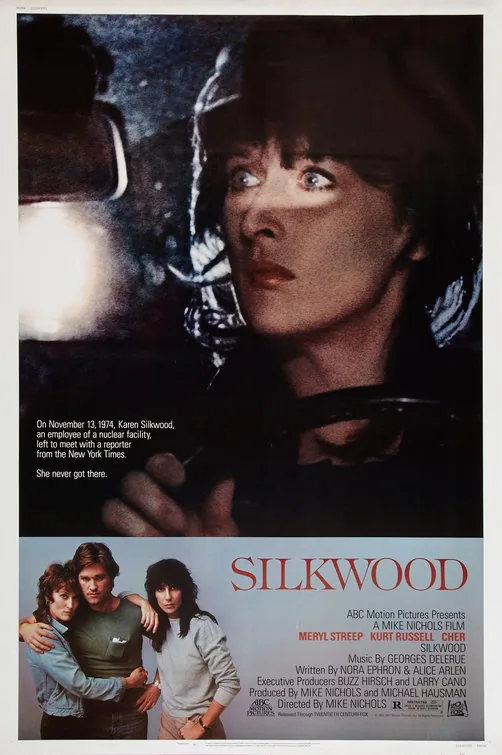
What changes Its own story: Karen's safety concerns lead her from workplace organizing toward a public effort to expose hazardous practices.
Working at a plutonium-processing plant in Oklahoma, Karen Silkwood becomes increasingly concerned about safety practices and the treatment of workers. Her union activity draws attention to possible contamination and management failures, placing her health, job, and relationships under mounting pressure as she gathers information for a public complaint; the film follows an ordinary employee trying to make institutional evidence matter against an organization with greater power.
A terminal purchase deadline intersects with thefts, investigations, and threats that test Abel’s insistence on fair dealing.
Why this matches +
These films share important themes, atmosphere or storytelling interests with this selection.
Genres: Crime / Drama
Shared film traits
Based on recorded story, mood and style. Your preferences can change the order.
Criminal underworld
What changes Its own story: A terminal purchase deadline intersects with thefts, investigations, and threats that test Abel’s insistence on fair dealing.
In 1981 New York, fuel-company owner Abel Morales is trying to acquire a major terminal while his trucks are repeatedly hijacked and his business faces legal scrutiny. His wife Anna urges him to answer violence with force, but Abel insists that his company must succeed without losing its legitimacy. As financing disappears and competitors exploit his weakness, he must decide how far his moral boundaries can bend to protect the business and family he has built. J. C. Chandor’s crime drama uses an oil trade dispute to create pressure without relying on conventional gangster action.
Malik works under Luciani and gradually develops an independent position within prison and criminal networks.
Why this matches +
These films share important themes, atmosphere or storytelling interests with this selection.
Genres: Crime / Drama
Shared film traits
Based on recorded story, mood and style. Your preferences can change the order.
Criminal underworld
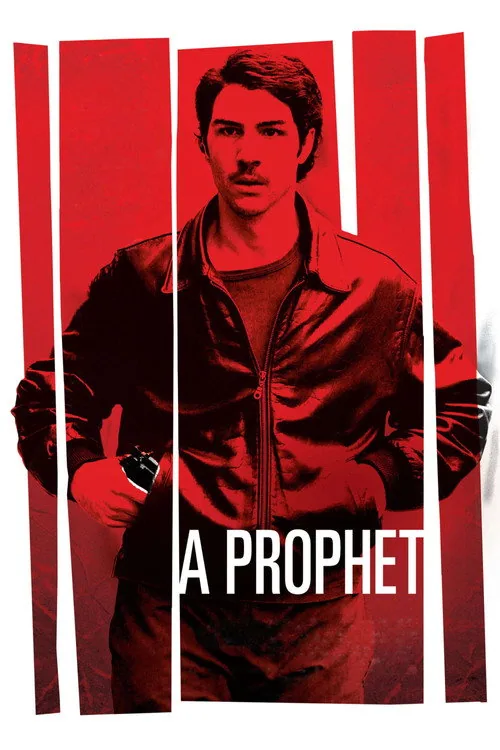
What changes Its own story: Malik works under Luciani and gradually develops an independent position within prison and criminal networks.
Nineteen-year-old Malik El Djebena enters prison illiterate and vulnerable, then is forced by Corsican crime boss César Luciani to assassinate a prisoner. The killing secures Malik’s place under Luciani’s protection but also makes him a low-ranking servant in the prison hierarchy. Malik learns languages, builds relationships across the prison’s rival factions, and uses day releases to create a criminal network of his own. Jacques Audiard’s French prison crime drama follows a gradual rise in power while keeping attention on the cost of Malik’s compromises and adaptation.
Opposing infiltrations turn a criminal investigation into a mutual search for hidden identity within institutions already penetrated by the enemy.
Why this matches +
These films share important themes, atmosphere or storytelling interests with this selection.
Genres: Crime / Drama
Shared film traits
Based on recorded story, mood and style. Your preferences can change the order.
Criminal underworld
What changes Its own story: Opposing infiltrations turn a criminal investigation into a mutual search for hidden identity within institutions already penetrated by the enemy.
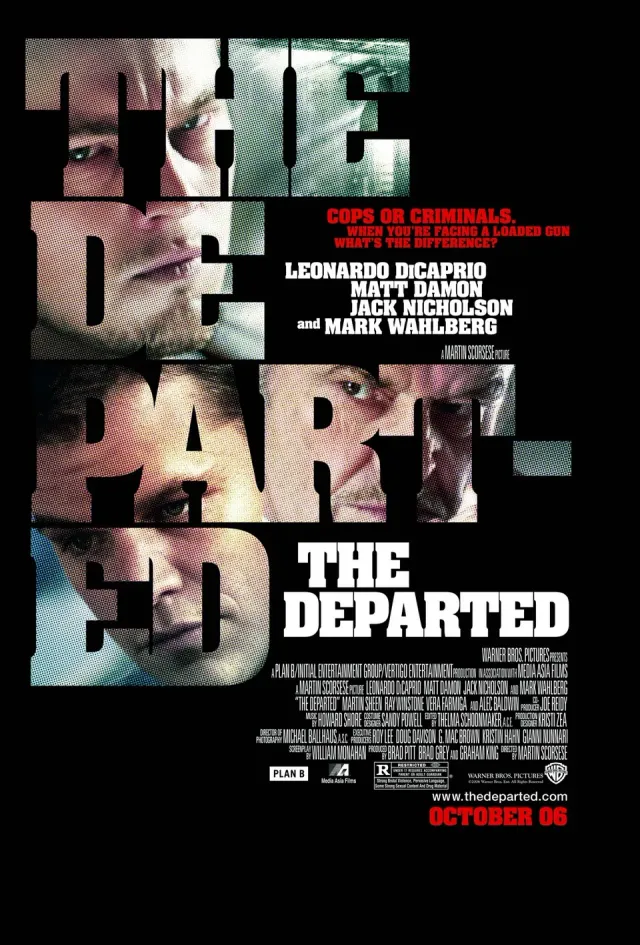
An undercover police officer enters a Boston crime organisation while a protégé of its leader rises inside the police unit investigating it. Each man attempts to identify the other without revealing how thoroughly his public role contradicts his actual allegiance. Handlers, personal relationships and institutional rivalries increase the cost of maintaining a cover, making every exchange a possible exposure and every apparent promotion another form of confinement.
Leo’s return to Queens places him inside a family business where corruption is treated as ordinary, so resisting it threatens both his safety and closest bonds.
Why this matches +
These films explore a related idea in a different setting, genre or style.
An adjacent discovery: a related idea with a different viewing experience.
Genres: Crime / Drama
Shared film traits
Based on recorded story, mood and style. Your preferences can change the order.
Criminal underworld
What changes Its own story: Leo’s return to Queens places him inside a family business where corruption is treated as ordinary, so resisting it threatens both his safety and closest bonds.
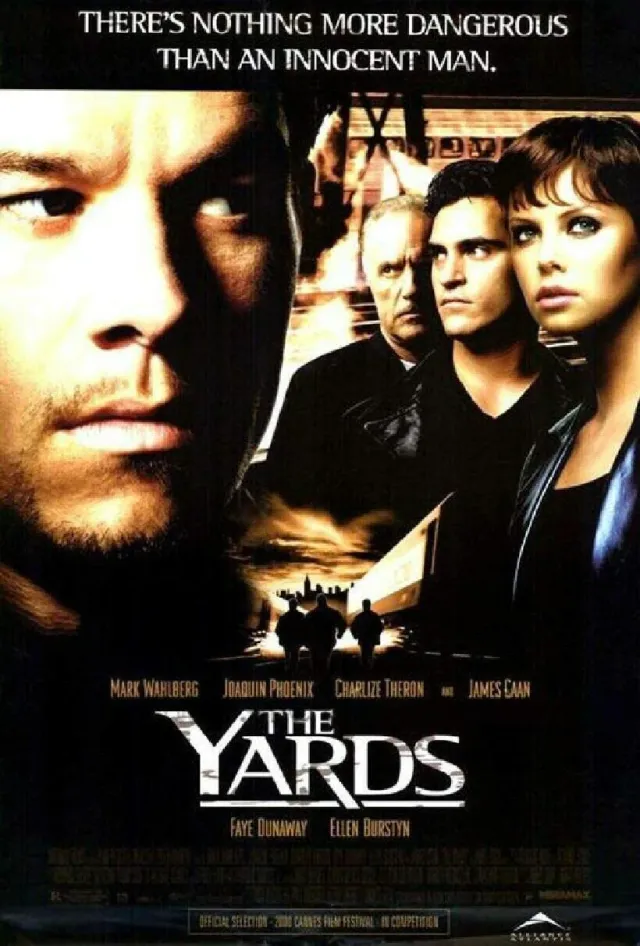
After prison, Leo Handler returns to his Queens neighborhood and is drawn into corruption surrounding the city’s rail system. A job with his uncle places him near a scheme involving kickbacks, rival contractors and the people he grew up with. The drama studies how family loyalty can become a mechanism that keeps people inside an unjust local order. Muted photography, patient scenes and close attention to neighborhood ties create a restrained alternative to flashy crime spectacle.
A murder investigation repeatedly stalls because local power and racist assumptions determine whom the authorities are prepared to suspect.
Why this matches +
These films explore a related idea in a different setting, genre or style.
An adjacent discovery: a related idea with a different viewing experience.
Genres: Crime / Drama
Shared film traits
Based on recorded story, mood and style. Your preferences can change the order.
What changes Its own story: A murder investigation repeatedly stalls because local power and racist assumptions determine whom the authorities are prepared to suspect.
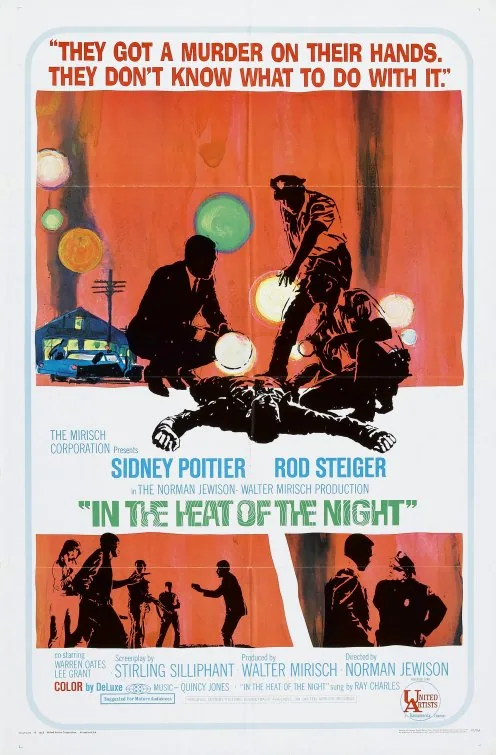
A Black homicide detective passing through a Mississippi town is arrested after a wealthy visitor is found dead. Once his profession is established, local authorities reluctantly accept his help, but his expertise does not protect him from racist hostility. The investigation requires an uneasy partnership with the white police chief, forcing both men to confront how pride, prejudice and local influence distort the search for evidence.
A child's imaginative account of local danger is transformed by a trial in which publicly available evidence cannot overcome entrenched racial authority.
Why this matches +
These films explore a related idea in a different setting, genre or style.
An adjacent discovery: a related idea with a different viewing experience.
Genres: Crime / Drama
Shared film traits
Based on recorded story, mood and style. Your preferences can change the order.
What changes Its own story: A child's imaginative account of local danger is transformed by a trial in which publicly available evidence cannot overcome entrenched racial authority.
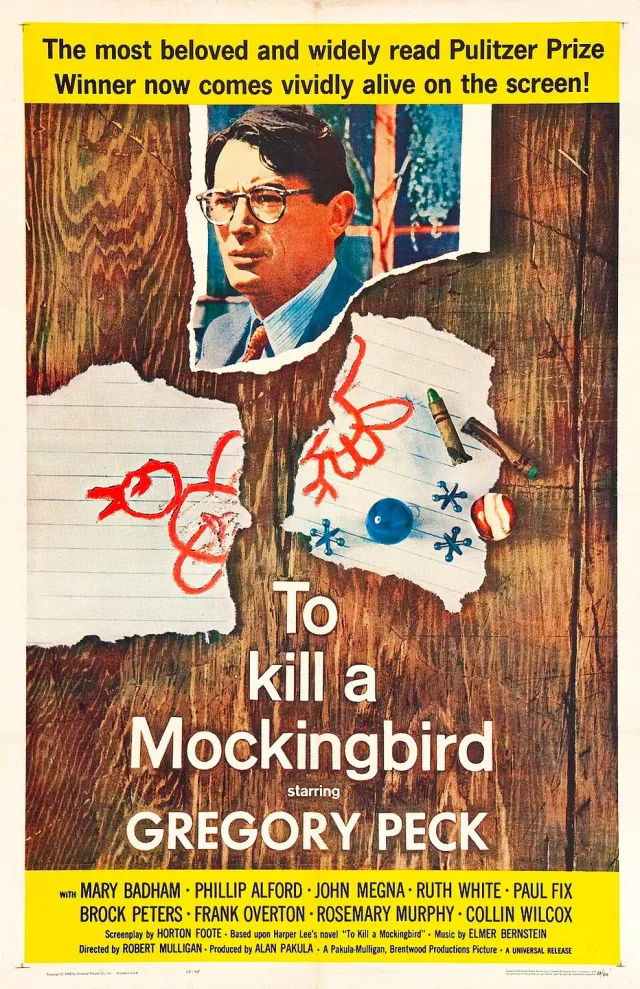
Children growing up in a Depression-era Alabama town turn a reclusive neighbour into the subject of stories and dares. Their father's defence of a Black man accused of assault brings them into contact with the racial violence and social expectations those childhood games have not prepared them to understand. The trial's evidence and the community's response expose a painful gap between a principled adult's example and the power of the surrounding system.
A required unanimous decision becomes a contest over whether uncertainty will be examined or dismissed for the convenience of the group.
Why this matches +
These films explore a related idea in a different setting, genre or style.
An adjacent discovery: a related idea with a different viewing experience.
Genres: Drama / Huis-clos
Shared film traits
Based on recorded story, mood and style. Your preferences can change the order.
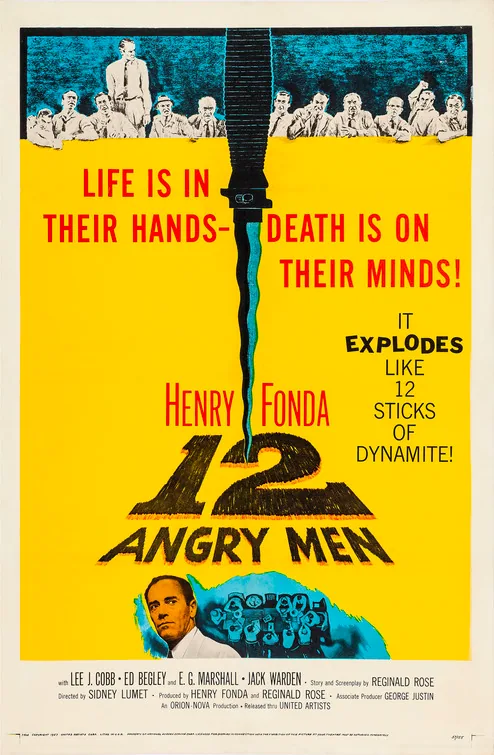
What changes Its own story: A required unanimous decision becomes a contest over whether uncertainty will be examined or dismissed for the convenience of the group.
A jury assembled after a murder trial initially expects to return a quick guilty verdict against a young defendant. One member's insistence on discussing the evidence interrupts that consensus and forces the others to revisit testimony they have accepted as settled. Confined deliberation exposes impatience, personal resentment and prejudice as influences on an apparently factual decision whose consequences cannot be reversed.
A case expected to end in a settlement becomes a test of whether an impaired lawyer can turn a vulnerable client’s injury into public evidence.
Why this matches +
These films explore a related idea in a different setting, genre or style.
An adjacent discovery: a related idea with a different viewing experience.
Genres: Drama / Trial
Shared film traits
Based on recorded story, mood and style. Your preferences can change the order.
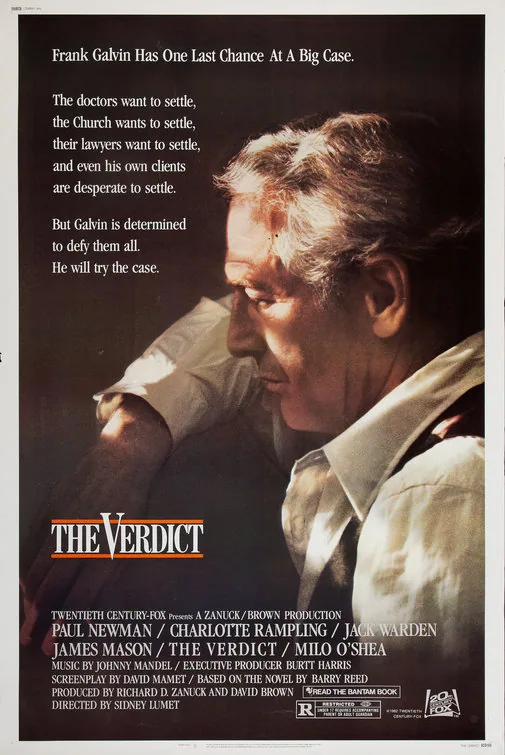
What changes Its own story: A case expected to end in a settlement becomes a test of whether an impaired lawyer can turn a vulnerable client’s injury into public evidence.
Frank Galvin is a once-promising Boston lawyer whose drinking and professional decline have left him chasing minor cases. His former colleague gives him a medical malpractice suit involving a young woman left comatose after childbirth, expecting him to accept a settlement from the hospital’s powerful legal team. A visit to the patient changes Frank’s response: he decides that a trial may expose what happened, even though his preparation is disorganized and witnesses prove difficult to secure. Opposing counsel Ed Concannon uses influence and procedure to contain the case, forcing Frank to choose between a quick payment and the uncertain chance to make the evidence heard. Frank’s rejection of the settlement also puts his professional credibility and the client’s legal remedy at risk.
A stolen work tool turns an ordinary first day into a search whose failure threatens a family's fragile income and the father's self-respect.
Why this matches +
These films explore a related idea in a different setting, genre or style.
An adjacent discovery: a related idea with a different viewing experience.
Genres: Drama / Art
Shared film traits
Based on recorded story, mood and style. Your preferences can change the order.
What changes Its own story: A stolen work tool turns an ordinary first day into a search whose failure threatens a family's fragile income and the father's self-respect.
A father in postwar Rome finally obtains work that depends on owning a bicycle, only to have it stolen at the beginning of the job. Searching the city with his young son reveals how little protection formal authority and community can offer against material desperation. Each failed lead narrows his options, exposing the pressure poverty places on the identity he hopes to maintain in front of a child who still depends on him.
The westward trip promises a fresh start, but each labour camp reveals another way that economic hardship and unequal power constrain the family.
Why this matches +
These films explore a related idea in a different setting, genre or style.
An adjacent discovery: a related idea with a different viewing experience.
Genres: Drama
Shared film traits
Based on recorded story, mood and style. Your preferences can change the order.
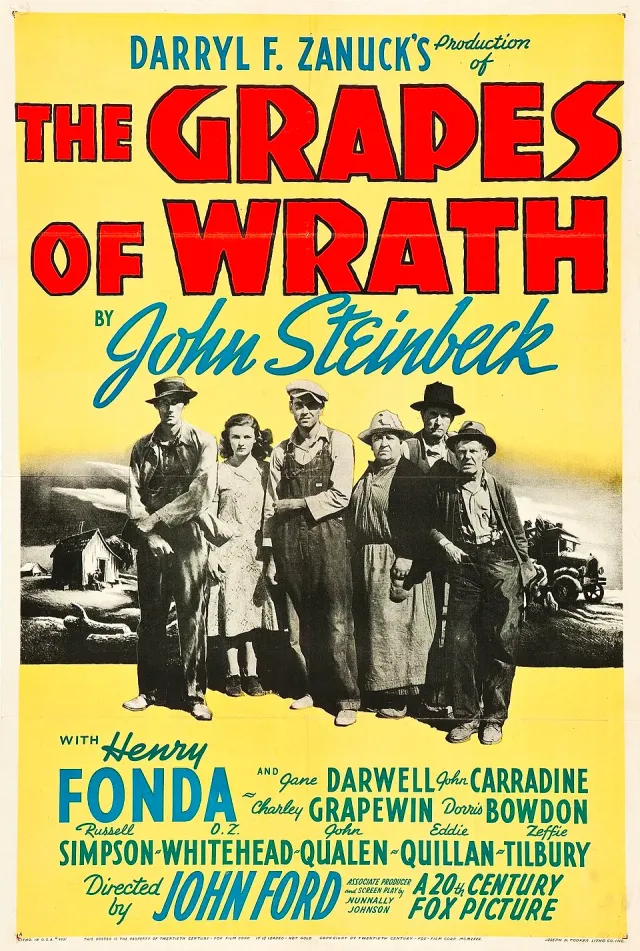
What changes Its own story: The westward trip promises a fresh start, but each labour camp reveals another way that economic hardship and unequal power constrain the family.
After drought and eviction drive the Joad family from their Oklahoma farm, Tom returns home from prison and travels with them toward California in search of work. The promised jobs prove uncertain, and the family encounters low wages, hostility and camps where migrant workers try to survive together. John Ford’s adaptation focuses on the family’s movement through a system that treats displaced people as disposable, while Ma Joad holds the group together as its circumstances worsen. The 1940 film is its own adaptation, with a more consoling ending than John Steinbeck’s novel.
Harold’s redevelopment project depends on presenting himself as a businessman, but the attacks expose the criminal structure beneath that image.
Why this matches +
These films explore a related idea in a different setting, genre or style.
An adjacent discovery: a related idea with a different viewing experience.
Genres: Crime / Drama
Shared film traits
Based on recorded story, mood and style. Your preferences can change the order.
Criminal underworld
What changes Its own story: Harold’s redevelopment project depends on presenting himself as a businessman, but the attacks expose the criminal structure beneath that image.
Harold Shand, a London gangster, wants to turn his criminal fortune into a legitimate property empire and has brought American investors into his plan to redevelop the docks. On Good Friday, attacks begin against his associates and businesses, and the bodies of his people suggest a coordinated threat rather than random street violence. Harold tries to identify the attackers while keeping his American partners confident and his own organization in line. As the violence reaches people close to him, the pursuit of a respectable future collapses into a reckoning with political power, loyalty, and the costs of his ambition.
Frank’s allegiance to Hoffa and Russell becomes impossible to maintain when the crime family decides Hoffa has become a liability.
Why this matches +
These films explore a related idea in a different setting, genre or style.
An adjacent discovery: a related idea with a different viewing experience.
Genres: Crime / Drama
Shared film traits
Based on recorded story, mood and style. Your preferences can change the order.
Criminal underworld
What changes Its own story: Frank’s allegiance to Hoffa and Russell becomes impossible to maintain when the crime family decides Hoffa has become a liability.
In old age, Frank Sheeran recounts his claimed life as a union driver who became a hitman connected to Russell Bufalino’s crime family and Teamsters leader Jimmy Hoffa. The film follows Frank’s loyalty to Russell and Hoffa across decades of labour politics, family strain and organized crime, before Hoffa’s disappearance forces him to choose between competing obligations. Martin Scorsese uses recollection and long stretches of routine to make violence feel embedded in ordinary life. The story draws on Sheeran’s disputed memoir claims, so its central historical assertions should not be treated as independently established fact.
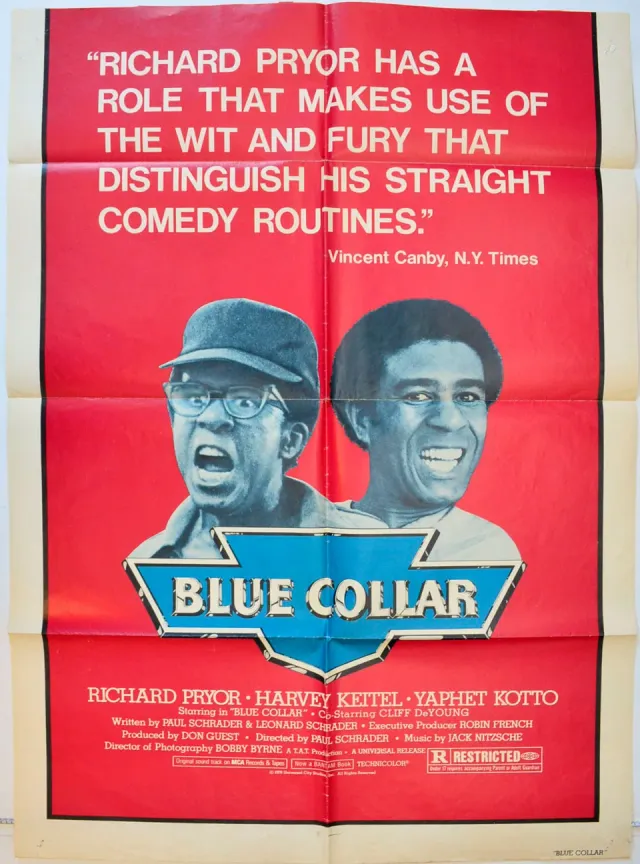
Three workers turn to a risky scheme after concluding that neither management nor their union will address their exploitation.
Why this matches +
These films explore a related idea in a different setting, genre or style.
An adjacent discovery: a related idea with a different viewing experience.
Genres: Drama / Crime
Shared film traits
Based on recorded story, mood and style. Your preferences can change the order.
What changes Its own story: Three workers turn to a risky scheme after concluding that neither management nor their union will address their exploitation.
Three Detroit autoworkers—Zeke, Smokey, and Jerry—are tired of low wages and the union leadership that fails to protect them. They rob a union office looking for cash and instead discover compromising records that could expose corruption. The friends try to use the information to improve their situation, but the scheme draws the union and management into a dangerous contest. As pressure mounts, financial desperation and racial divisions strain the men's friendship and reveal how institutions can turn workers against one another.
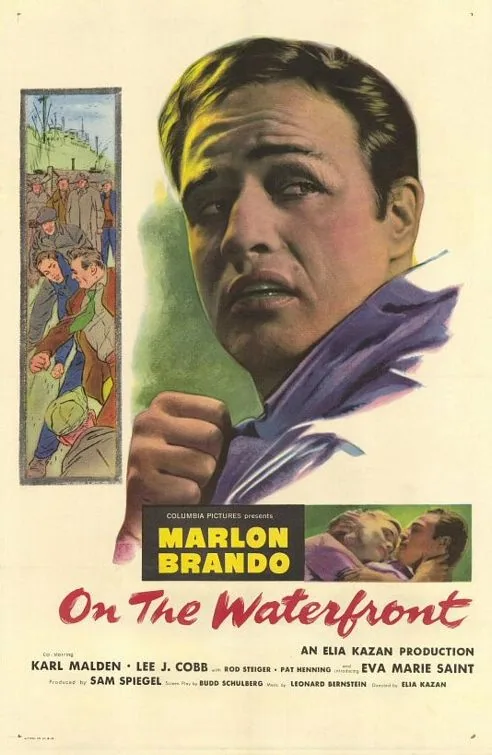
A former boxer working on the docks helps lure a fellow worker into a confrontation that ends in murder. His dependence on a corrupt union leader, and on a brother close to that leader, makes acknowledging his part dangerous. Growing affection for the victim's sister and pressure from a local priest force him to reconsider whether loyalty means keeping silent or accepting the personal cost of speaking against the system supporting him.
What drives the story
Complicity in a killing produces a moral crisis that can only be addressed by challenging the criminal control of a workplace.
The people at its centre
A brother's compromised protection conflicts with a grieving woman's demand for truth, making the protagonist's movement toward testimony both intimate and politically consequential.
What it feels like
Location textures and closely observed performances give intimidation and shame a physical immediacy, with restrained pauses building toward direct confrontation.
Worth knowing
Boxing is formative history rather than the central sporting goal; the main conflict concerns labour corruption, complicity and the danger of becoming a witness.