Complicity in a killing produces a moral crisis that can only be addressed by challenging the criminal control of a workplace.
Why this matches +
Selected for the central appeal: A man returning from prison becomes entangled in rail-contract corruption sustained by family and neighborhood loyalties.
Genres: Crime / Drama
Shared film traits
Based on recorded story, mood and style. Your preferences can change the order.
Criminal underworld
What changes A working-class man confronts corruption embedded in a local industry and the pressure to remain loyal to people around him; dockworkers rather than rail contractors.
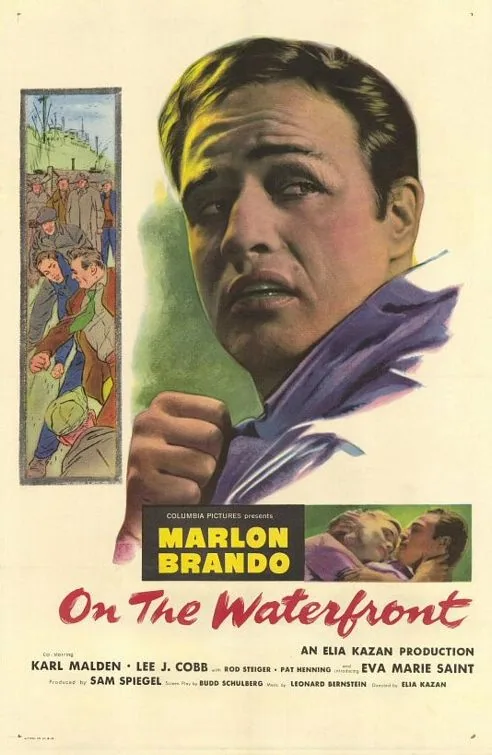
A former boxer working on the docks helps lure a fellow worker into a confrontation that ends in murder. His dependence on a corrupt union leader, and on a brother close to that leader, makes acknowledging his part dangerous. Growing affection for the victim's sister and pressure from a local priest force him to reconsider whether loyalty means keeping silent or accepting the personal cost of speaking against the system supporting him.
A robbery at a mob-controlled bar and the discovery of an injured dog pull Bob into overlapping questions of safety and loyalty.
Why this matches +
These offer a related experience with a meaningful difference in story, tone, or presentation.
An adjacent discovery: a related idea with a different viewing experience.
Genres: Crime / Drama
Shared film traits
Based on recorded story, mood and style. Your preferences can change the order.
Criminal underworld
What changes A quiet man in a close-knit neighborhood becomes entangled in organized crime and family obligations; a Brooklyn bar and a criminal cousin.
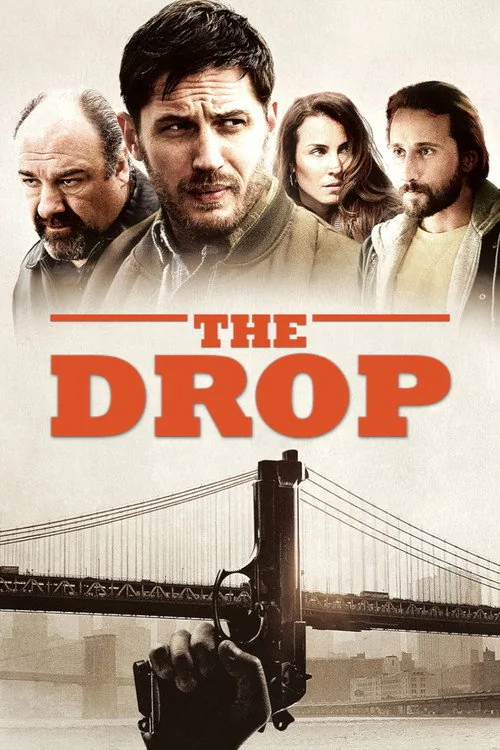
Bartender Bob Saginowski works in a Brooklyn neighborhood bar that secretly serves as a collection point for the Chechen mob. After he and Nadia rescue a beaten pit bull puppy, Bob’s quiet routine is disturbed by a robbery and renewed attention to an old disappearance. His cousin Marv, who runs the bar, carries his own history with the neighborhood. The crime drama lets ordinary kindness and long-buried loyalties share space with criminal danger.
Bobby’s familiarity with the club’s owners makes him useful to the police but puts him in danger.
Why this matches +
These offer a related experience with a meaningful difference in story, tone, or presentation.
An adjacent discovery: a related idea with a different viewing experience.
Genres: Crime / Drama
Shared film traits
Based on recorded story, mood and style. Your preferences can change the order.
Criminal underworld · Political resistance
What changes Family loyalty complicates a man's choices as police and organized crime collide in a New York neighborhood; two brothers on opposing sides.
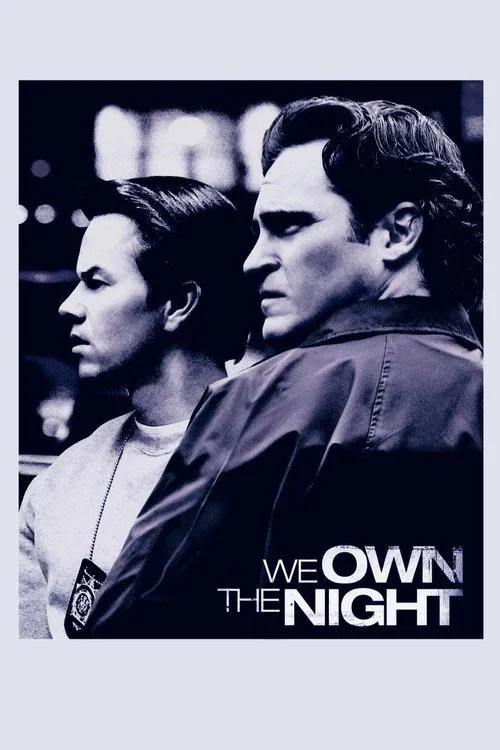
In 1980s Brooklyn, nightclub manager Bobby Green keeps his distance from his father Burt and brother Joseph, both senior New York police officers. His club’s connection to a Russian drug trafficker puts him on the wrong side of a police raid, and an attack on Joseph forces Bobby to cooperate with the family’s anti-drug operation. He goes undercover inside the criminal network, placing his relationship with girlfriend Amada and his loyalty to his family under strain. James Gray’s crime drama follows a nightlife insider pulled toward the police world he had rejected.
A young man tries to reconcile religious guilt and loyalty to a reckless friend with the demands of his uncle's criminal world.
Why this matches +
These offer a related experience with a meaningful difference in story, tone, or presentation.
An adjacent discovery: a related idea with a different viewing experience.
Genres: Crime / Drama
Shared film traits
Based on recorded story, mood and style. Your preferences can change the order.
Criminal underworld
What changes Neighborhood ties and obligations to family draw a young man into a restrained New York crime drama; small-time Little Italy criminals.
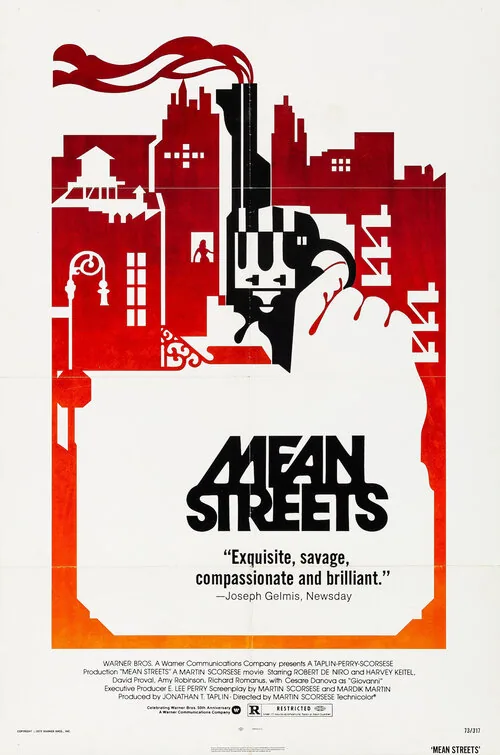
In New York's Little Italy, Charlie Cappa works for his uncle's criminal circle while trying to honor a private Catholic code. He keeps helping Johnny Boy, a reckless gambler who owes money to loan sharks, and secretly dates Johnny's cousin Teresa, whom Charlie's uncle rejects because she has epilepsy. Charlie's efforts to manage the debt and preserve both relationships become harder as Johnny refuses to pay or leave town. His responsibility turns into exposure to neighborhood violence, showing how conscience cannot make the criminal obligations safe or fair.
A plan to escape criminal life is repeatedly compromised by favors and loyalties that make postponing danger create a more dangerous future.
Why this matches +
These offer a related experience with a meaningful difference in story, tone, or presentation.
An adjacent discovery: a related idea with a different viewing experience.
Genres: Crime / Drama
Shared film traits
Based on recorded story, mood and style. Your preferences can change the order.
Criminal underworld
What changes A man leaving prison tries to escape criminal expectations but finds that old relationships and local loyalties pull him back; a former drug dealer in New York.
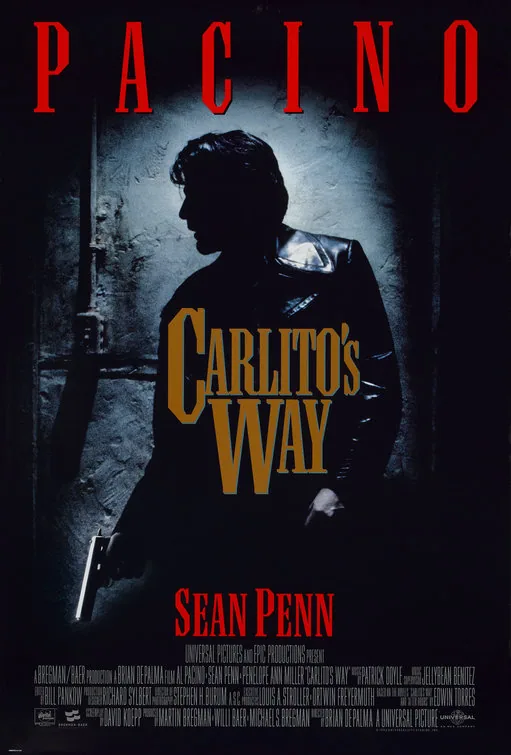
Released from prison, Carlito Brigante plans to earn enough money to leave New York's criminal world and build a life with Gail. Running a nightclub seems to offer a temporary bridge, but old acquaintances, younger rivals and obligations to his lawyer keep turning legitimate intentions into dangerous favors. His belief that he can choose a clean departure is tested by a network that remembers every debt and interprets restraint as weakness.
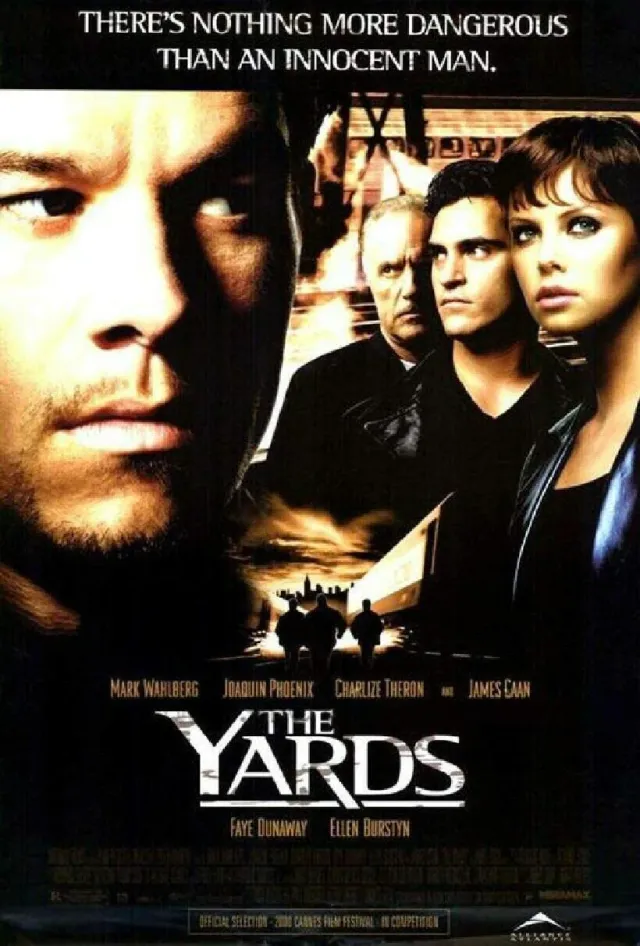
After prison, Leo Handler returns to his Queens neighborhood and is drawn into corruption surrounding the city’s rail system. A job with his uncle places him near a scheme involving kickbacks, rival contractors and the people he grew up with. The drama studies how family loyalty can become a mechanism that keeps people inside an unjust local order. Muted photography, patient scenes and close attention to neighborhood ties create a restrained alternative to flashy crime spectacle.
What drives the story
Leo’s return to Queens places him inside a family business where corruption is treated as ordinary, so resisting it threatens both his safety and closest bonds.
The people at its centre
Leo’s affection for his cousin Willie and his family conflicts with the compromises that keep the rail-yard scheme functioning.
What it feels like
Muted photography, patient scenes and close attention to neighborhood geography favor moral pressure over flashy crime spectacle.
Worth knowing
a family-centered corruption drama rather than a criminal rise-and-fall story driven by glamour