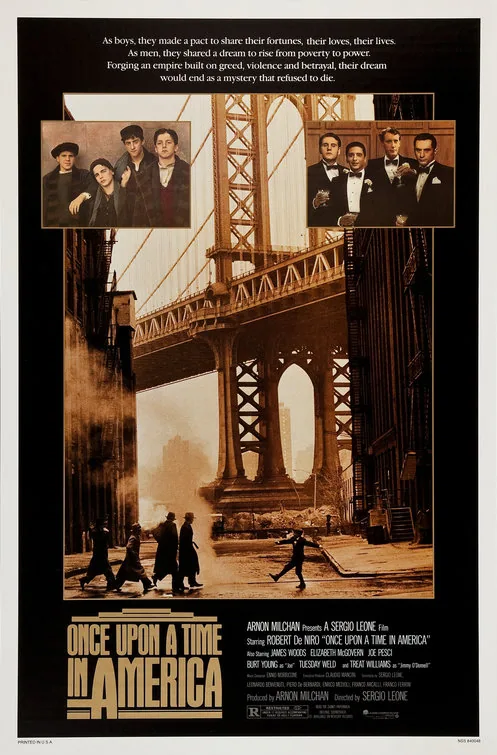
A summons to revisit an old betrayal opens a nonlinear reconstruction of criminal friendship whose missing pieces unsettle the narrator's account of responsibility.
Why this matches +
Selected for the central appeal: Reflective organized-crime epics about loyalty, violence and the passage of decades.
Genres: Crime / Drama
Shared film traits
Based on recorded story, mood and style. Your preferences can change the order.
Criminal underworld
What changes Once Upon a Time in America looks back across decades of organized crime, friendship and betrayal.
An ageing gangster returns to New York after decades away, responding to signs that the betrayals he believed settled may conceal another history. Memories move between childhood alliances, Prohibition-era success and damaged relationships with women whose lives his ambitions repeatedly violate. The shifting chronology makes loyalty difficult to disentangle from possessiveness and regret, while the return asks whether recovering the past can offer anything more stable than another self-serving story.
A succession crisis turns a reluctant son into a strategic participant whose defence of family becomes consolidation of criminal authority.
Why this matches +
Selected for the central appeal: Reflective organized-crime epics about loyalty, violence and the passage of decades.
Genres: Crime / Drama
Shared film traits
Based on recorded story, mood and style. Your preferences can change the order.
Criminal underworld
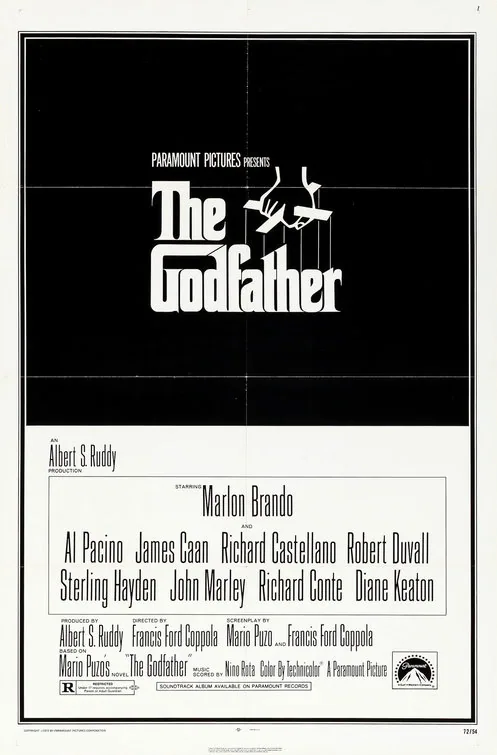
What changes The Godfather explores the obligations and moral cost of loyalty within an organized-crime family.
An organised-crime patriarch balances family celebration with requests for favours, presenting private authority as both protection and obligation. After an attack destabilises his position, the son who had planned a separate life becomes increasingly involved in defending the household. Each apparently necessary act draws that outsider further into a system where loyalty and power can make violence seem like care, while making genuine intimacy progressively harder to sustain.
Kuklinski’s criminal work expands from a mob job into a concealed career that increasingly threatens his home and freedom.
Why this matches +
These offer a related experience with a meaningful difference in story, tone, or presentation.
An adjacent discovery: a related idea with a different viewing experience.
Genres: Crime / Drama
Shared film traits
Based on recorded story, mood and style. Your preferences can change the order.
Criminal underworld
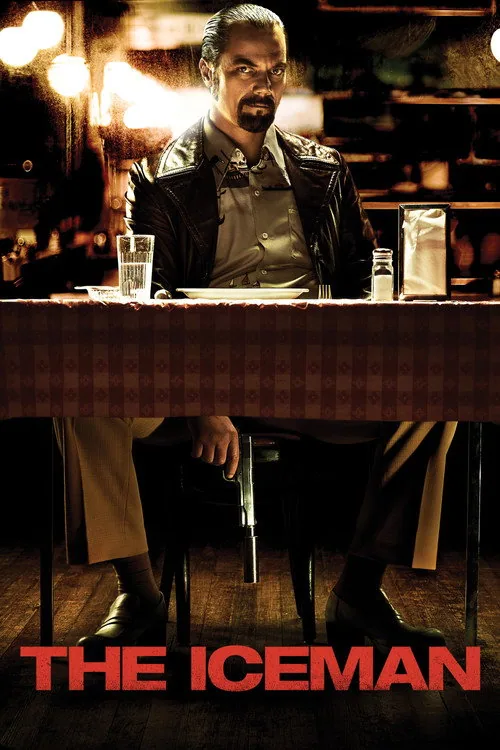
What changes The Iceman follows a contract killer balancing criminal work with a concealed family life.
Richard Kuklinski maintains the image of a successful family man while secretly becoming a contract killer for organized crime. His work grows more dangerous as he forms uneasy partnerships and conceals his violent life from his wife and daughters. When gang disputes and law-enforcement pressure close in, the gap between his household persona and his criminal identity becomes harder to sustain. Loosely based on Kuklinski’s life, the biographical crime drama follows decades of violence and secrecy, with attention to the damage his crimes inflict on the family he claims to protect.
A childhood partnership in petty theft becomes an adult criminal ascent, disrupted by a gang war and the consequences of treating violence as routine.
Why this matches +
These offer a related experience with a meaningful difference in story, tone, or presentation.
An adjacent discovery: a related idea with a different viewing experience.
Genres: Crime / Drama
Shared film traits
Based on recorded story, mood and style. Your preferences can change the order.
Criminal underworld
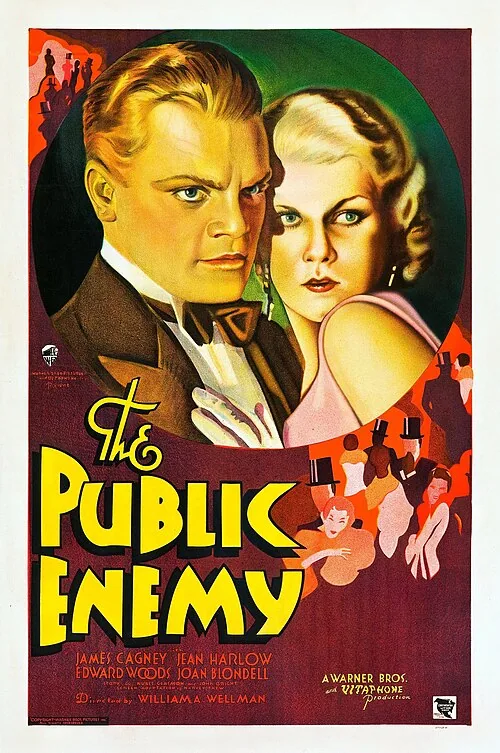
What changes The Public Enemy traces a criminal's rise through the world of organized crime and its consequences.
In 1900s Chicago, Tom Powers and his friend Matt Doyle begin with petty theft and are drawn into organized crime by a mentor who abandons them when a robbery goes wrong. Tom grows into a confident Prohibition-era gangster, while his older brother Mike's enlistment and moral refusal to accept criminal money expose the family cost of Tom's success. A horse-racing death and a gang rivalry destabilize Tom's position, and violence becomes increasingly difficult to outrun. William A. Wellman's film opens with a disclaimer that it does not intend to glorify criminals, but James Cagney's performance gives Tom dangerous charisma. The story's rise-and-fall structure helped shape the gangster film while retaining the social world of its pre-Code moment.
A retired mob enforcer turns against his former boss to protect the son he barely knows.
Why this matches +
These offer a related experience with a meaningful difference in story, tone, or presentation.
An adjacent discovery: a related idea with a different viewing experience.
Genres: Action / Crime
Shared film traits
Based on recorded story, mood and style. Your preferences can change the order.
Criminal underworld
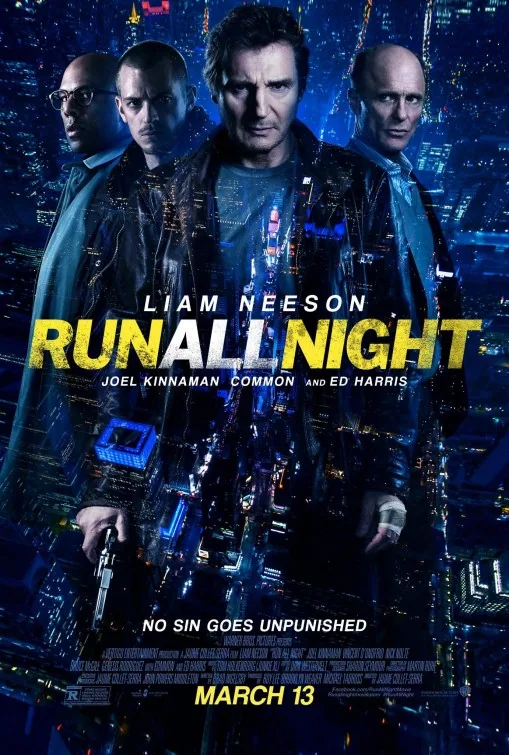
What changes Run All Night follows an aging mob enforcer caught between old criminal loyalties and family.
Former hitman Jimmy Conlon learns that his estranged son Mike has witnessed a murder committed by the son of Jimmy's longtime criminal employer. Jimmy chooses to protect Mike, setting off a night-long pursuit by police and hired killers across New York. Jaume Collet-Serra's thriller compresses a family reconciliation into an action chase, asking whether a violent father can use his remaining skills to prevent his child from inheriting the same life.
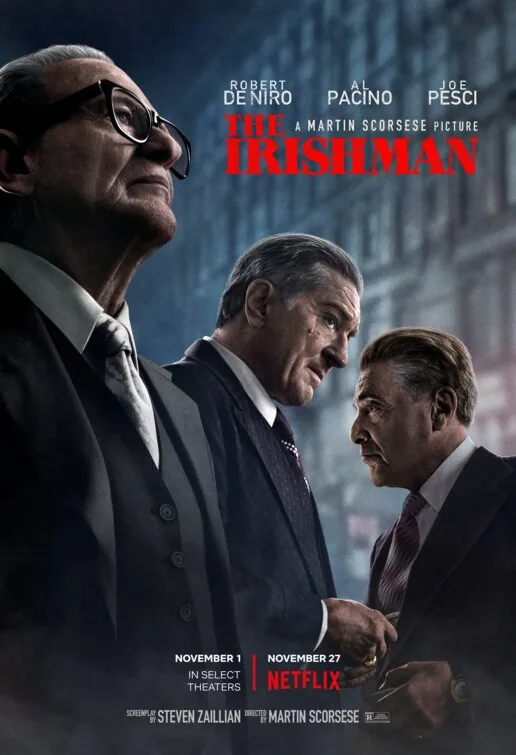
In old age, Frank Sheeran recounts his claimed life as a union driver who became a hitman connected to Russell Bufalino’s crime family and Teamsters leader Jimmy Hoffa. The film follows Frank’s loyalty to Russell and Hoffa across decades of labour politics, family strain and organized crime, before Hoffa’s disappearance forces him to choose between competing obligations. Martin Scorsese uses recollection and long stretches of routine to make violence feel embedded in ordinary life. The story draws on Sheeran’s disputed memoir claims, so its central historical assertions should not be treated as independently established fact.
What drives the story
Frank’s allegiance to Hoffa and Russell becomes impossible to maintain when the crime family decides Hoffa has become a liability.
The people at its centre
Frank frames obedience as friendship and professional duty, while his daughters register the costs of the life he refuses to explain.
What it feels like
A long, reflective crime epic with a frame narrative and deliberate aging effects, more concerned with memory and regret than a rapid succession of heists.
Worth knowing
A fit for viewers seeking a patient gangster saga about loyalty and mortality. Its depiction of Hoffa’s disappearance relies on contested claims and should not be mistaken for settled history.
LoyaltyMemoryRegret
Mood
Reflective · Bleak · Patient
Pacing
Decades-long accumulation · Late-life reckoning
Visual style
Aging performances · Long interior scenes
Storytelling
Mob work · Union politics · Disappearance of Jimmy Hoffa