Explore films connected to The Iceman through Double life and deception, Violence and family harm, Power and criminal loyalty. Choose the qualities you want to carry into your next watch.
What should feel similar?
Find your next favourite
9 films · Closest overall matches
Hide films you’ve seen or don’t want. Saved on this device.
No matches for this combination yet.
Try another option or reset your choices to see more films.
Based on recorded story, mood and style. Your preferences can change the order.
Criminal underworld
What changes The Iceman: chronological rise and fall, tense and crime-driven. House of Gucci: episodic and escalating.
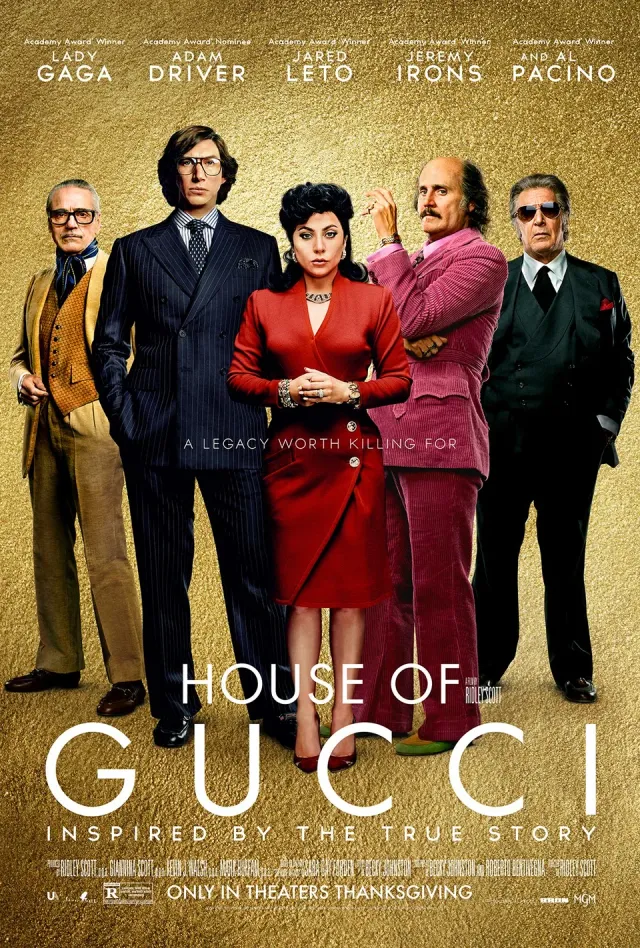
A woman marries into a fashion dynasty and helps draw her initially reluctant husband into the struggle over its ownership. Family rivalries, legal maneuvering and competing visions of the brand turn intimacy into a route toward power. As the husband gains authority, the partnership that assisted his rise becomes increasingly unwanted. The biographical crime drama tracks an alliance collapsing into exclusion and revenge, with the family name functioning at once as commercial property, social identity and a claim people make on one another.
Based on recorded story, mood and style. Your preferences can change the order.
Criminal underworld
What changes The Iceman: chronological rise and fall, tense and crime-driven. Kuffs: case-driven action with comic asides.
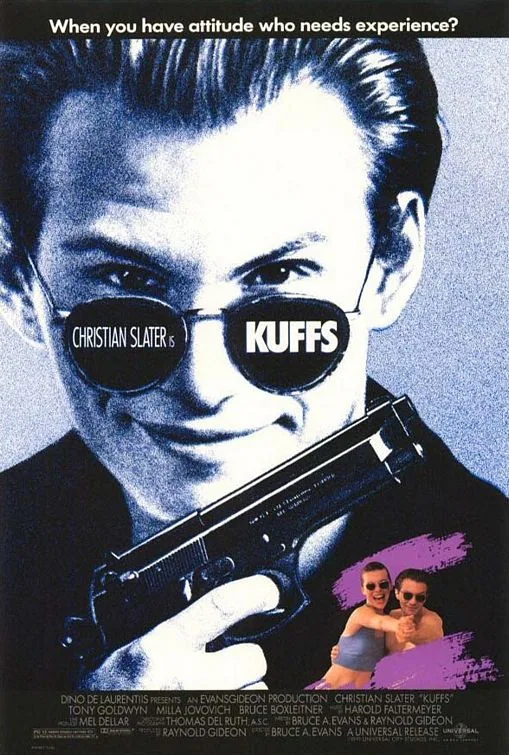
George Kuffs inherits his murdered brother's San Francisco patrol-special territory and tries to turn a personal vendetta into a job he barely understands. As he investigates the killing, he becomes entangled with police politics, his estranged girlfriend and the boundaries of private law enforcement. The action comedy uses a fast-talking young protagonist to poke at authority while still leaning into the era's urban chase spectacle.
Based on recorded story, mood and style. Your preferences can change the order.
Criminal underworld
What changes The Iceman: chronological rise and fall, tense and crime-driven. The Long Riders: measured and confrontation-driven.
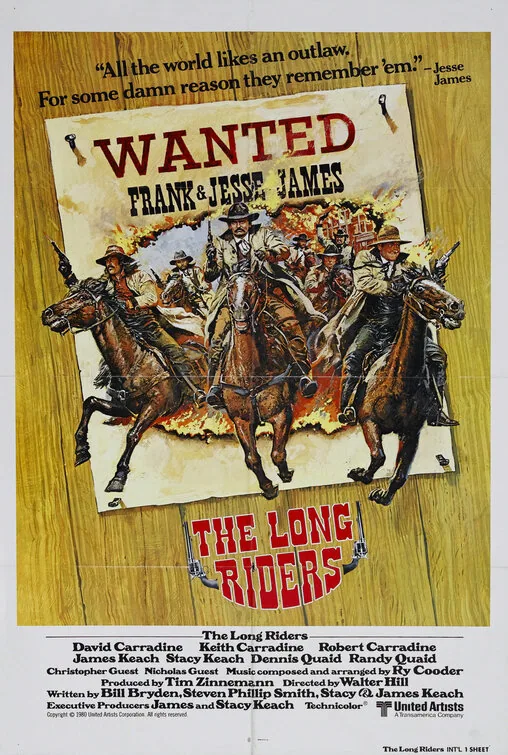
The James-Younger gang's robberies and escapes are retold through a cast that includes real-life actor brothers playing historical outlaw brothers. The film emphasizes the group's family bonds, the violence of the frontier and the law's growing pressure, rather than treating the gang as uncomplicated folk heroes. Its deliberate western style makes the consequences of criminal life as visible as the attraction of rebellion.
Based on recorded story, mood and style. Your preferences can change the order.
Criminal underworld
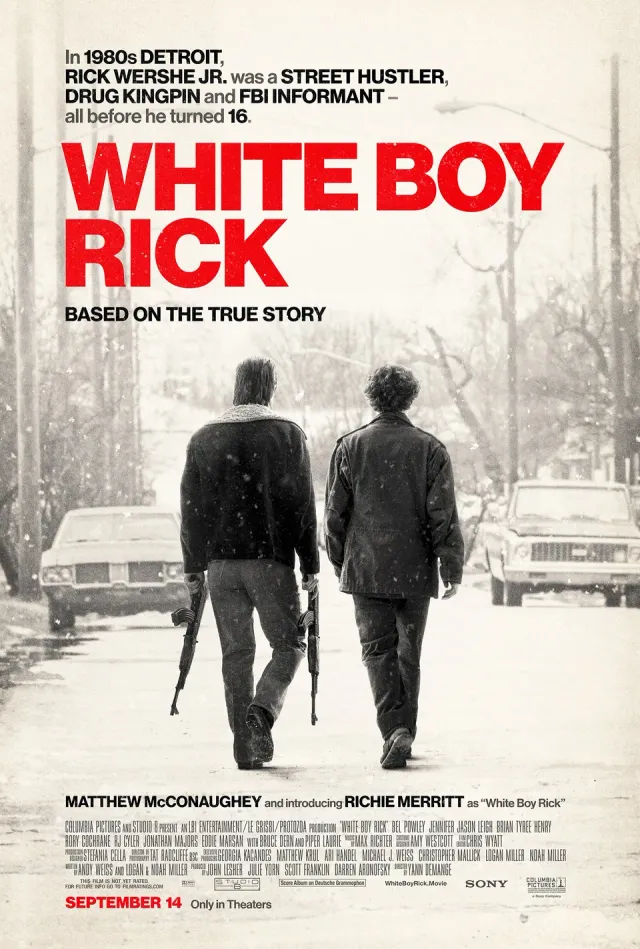
What changes The Iceman: chronological rise and fall, tense and crime-driven. White Boy Rick: a long chronology traces escalating entanglement and consequences.
In 1980s Detroit, teenager Richard Wershe Jr. becomes an informant for federal agents while also entering the city’s drug trade. His father’s ambitions and economic pressures pull him between family loyalty, law enforcement and criminal power. The biographical crime drama follows how an adolescent’s usefulness to adults becomes a source of danger and legal consequence, set against a city experiencing profound social and economic change.
Based on recorded story, mood and style. Your preferences can change the order.
Criminal underworld
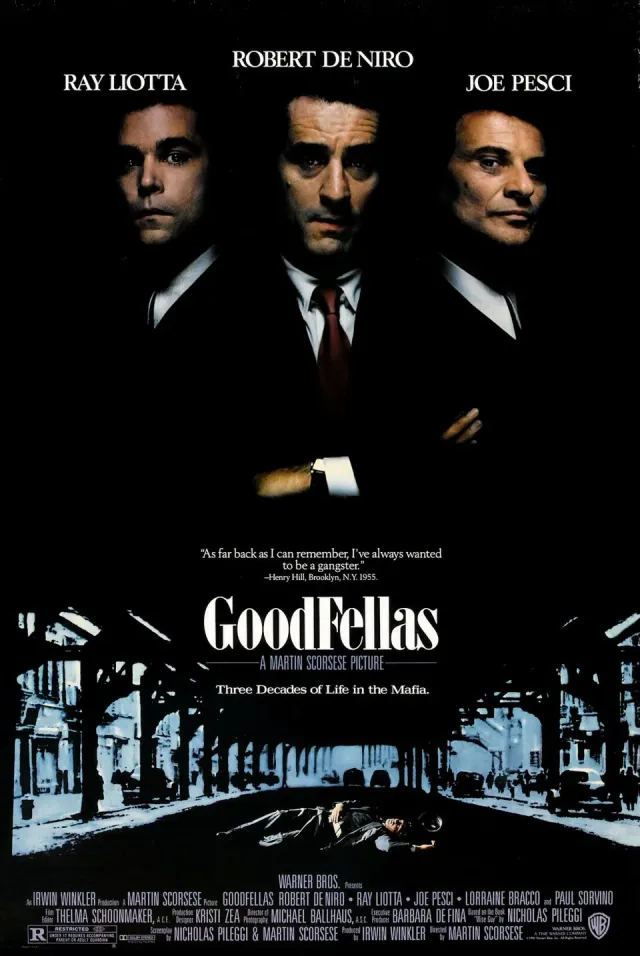
What changes The Iceman: chronological rise and fall, tense and crime-driven. Goodfellas: fast.
A young man attracted to neighbourhood gangsters enters organised crime through errands, connections and a growing ability to participate in profitable violence. Marriage and friendships become part of the same social world that promises protection while distributing danger through unstable loyalties. As ambition expands beyond the routines keeping that world manageable, surveillance, substance use and personal mistrust expose how quickly the privileges of belonging can become the terms of entrapment.
Based on recorded story, mood and style. Your preferences can change the order.
Criminal underworld
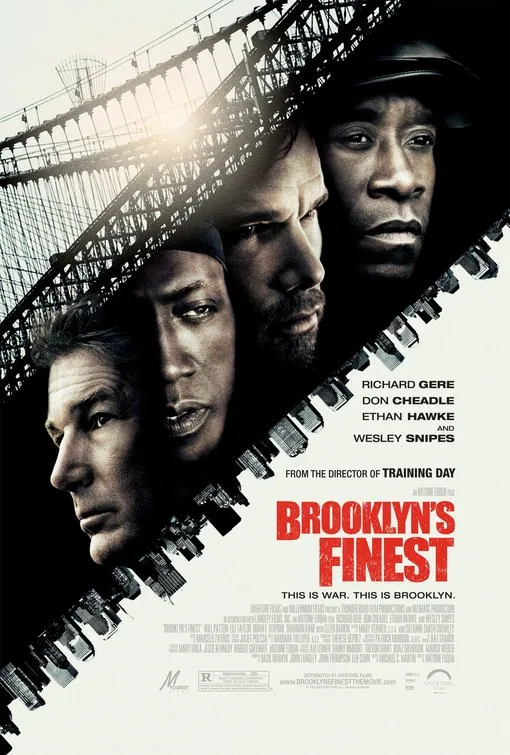
What changes The Iceman: chronological rise and fall, tense and crime-driven. Brooklyn's Finest: slow-burn parallel arcs.
The lives of three New York police officers intersect through separate pressures: a narcotics detective facing financial desperation, a burned-out veteran near retirement and an undercover officer whose assignment is eroding his sense of self. Their paths move through Brooklyn’s criminal and institutional worlds without a simple moral resolution. The ensemble crime drama emphasizes compromise, fatigue and uneven forms of duty within a city system that constrains its characters.
Based on recorded story, mood and style. Your preferences can change the order.
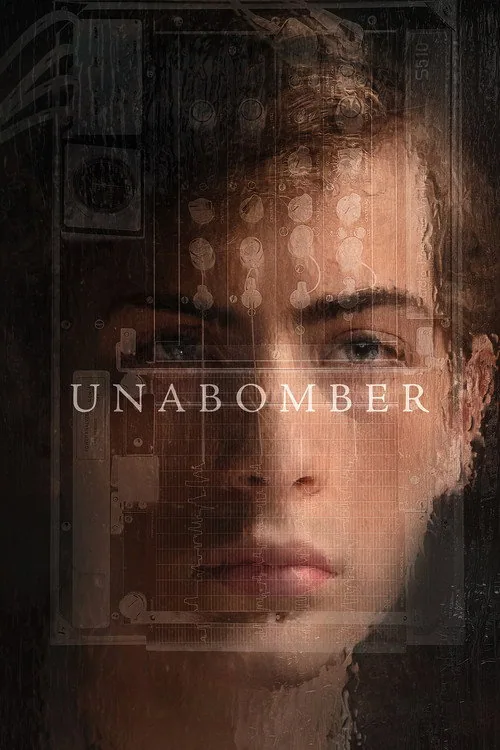
What changes The Iceman: chronological rise and fall, tense and crime-driven. Unabomber: student years establish formative pressures, isolation and ideology deepen over time and later violence reframes earlier events.
The film follows Theodore Kaczynski from his early years as a mathematics prodigy at Harvard, where he participates in confrontational psychological experiments, through an increasingly isolated life shaped by his rejection of industrial society. As the biography traces the formation of the ideas and violence associated with the Unabomber case, it examines how intellectual ambition, institutional treatment, and personal alienation intersect. The crime drama focuses on the person behind a notorious domestic-terrorism investigation without reducing the story to a procedural manhunt.
Based on recorded story, mood and style. Your preferences can change the order.
Criminal underworld
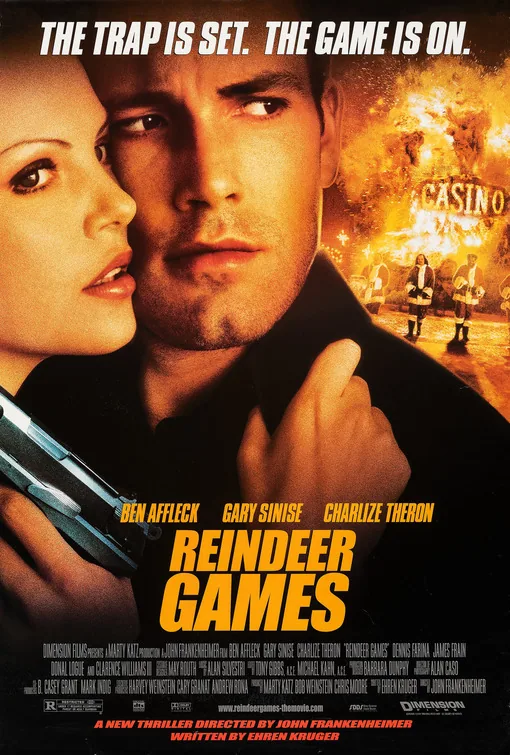
What changes The Iceman: chronological rise and fall, tense and crime-driven. Reindeer Games: escalating and suspense-led.
An ex-convict adopts his murdered cellmate’s identity and is pulled into a casino robbery planned by criminals who believe the deception. His attempt to survive depends on maintaining a false past while learning how much the gang’s plan conceals. The crime story uses assumed identity to make trust a temporary calculation shaped by danger and opportunism. Cold winter landscapes and abrupt reversals give the heist plot a bleak, late-career thriller mood.
Based on recorded story, mood and style. Your preferences can change the order.
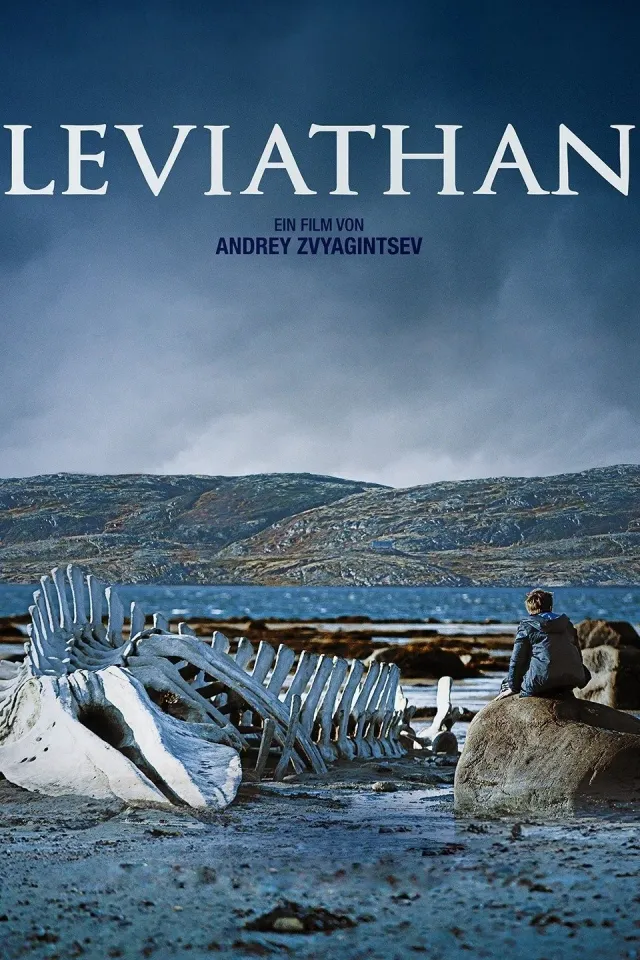
What changes The Iceman: chronological rise and fall, tense and crime-driven. Leviathan: measured and escalating.
In a northern Russian town, mechanic Kolya faces the loss of his home after the mayor uses public power to seize his property. A lawyer friend arrives to challenge the case, but private betrayal, police pressure and the cost of resisting make the legal dispute increasingly personal. The film draws on the biblical story of Job and places ordinary family life beside a landscape and political system that seem indifferent to individual claims. Yet its bleakness does not provide a simple explanation of who is guilty or whether resistance was possible. The property case, marriage breakdown and final public narrative remain related without becoming one moral equation. Zvyagintsev’s drama is deliberately opaque about culpability while sharply showing how institutions can decide which account becomes official.
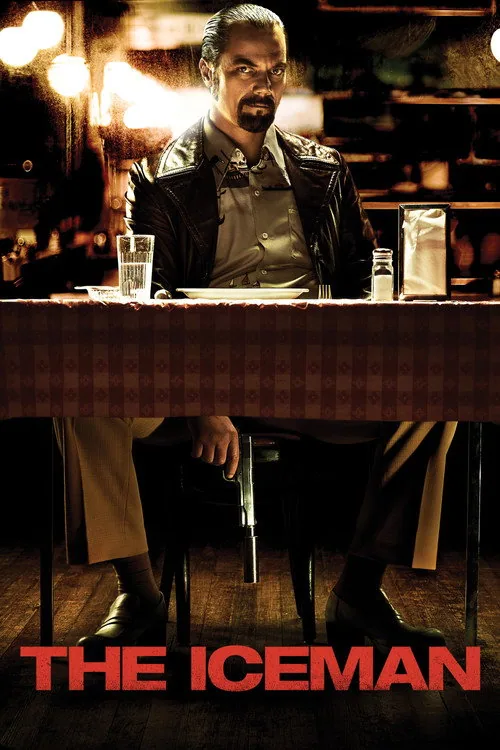
Richard Kuklinski maintains the image of a successful family man while secretly becoming a contract killer for organized crime. His work grows more dangerous as he forms uneasy partnerships and conceals his violent life from his wife and daughters. When gang disputes and law-enforcement pressure close in, the gap between his household persona and his criminal identity becomes harder to sustain. Loosely based on Kuklinski’s life, the biographical crime drama follows decades of violence and secrecy, with attention to the damage his crimes inflict on the family he claims to protect.
What drives the story
Kuklinski’s criminal work expands from a mob job into a concealed career that increasingly threatens his home and freedom.
The people at its centre
His wife and daughters know the public provider, while mob employers and fellow killers see a useful but increasingly unpredictable operative.
What it feels like
The film contains substantial violence and depicts family abuse, criminal killing, and sustained deception in a grim biographical frame.
Worth knowing
The dramatization is loosely based on Richard Kuklinski and compresses or alters events, so it should not be treated as a documentary record.
Double life and deceptionViolence and family harmPower and criminal loyalty
Mood
Cold · Somber · Threatening
Pacing
Chronological rise and fall · Tense · Crime-driven
Visual style
Period crime-drama detail · Suburban and urban contrast · Restrained palette
Storytelling
Biographical crime drama · Contract killing · Hidden family life