Explore films connected to Unabomber through alienation and ideology, psychological pressure and identity, violence and accountability. Choose the qualities you want to carry into your next watch.
What should feel similar?
Find your next favourite
9 films · Closest overall matches
Hide films you’ve seen or don’t want. Saved on this device.
No matches for this combination yet.
Try another option or reset your choices to see more films.
Based on recorded story, mood and style. Your preferences can change the order.
What changes Unabomber: student years establish formative pressures, isolation and ideology deepen over time and later violence reframes earlier events. Who Am I – No System is Safe: rapid escalation, nonlinear framing and montage-heavy sequences.
Benjamin, a socially isolated Berlin hacker, joins a small group whose pranks and intrusions are meant to win the attention of an elusive underground celebrity. Their escalating attacks draw the attention of Europol and turn online bravado into a real-world manhunt. The story is presented through Benjamin's account during an interrogation, making the frame itself part of a techno-thriller concerned with performance, identity, and unreliable narration. Rapid editing and graphic computer interfaces externalize the group's online ambitions while leaving the audience to question how much of the tale is stable.
Based on recorded story, mood and style. Your preferences can change the order.
What changes Unabomber: student years establish formative pressures, isolation and ideology deepen over time and later violence reframes earlier events. Operation Finale: intelligence gathering, covert extraction and ethical and diplomatic aftermath.
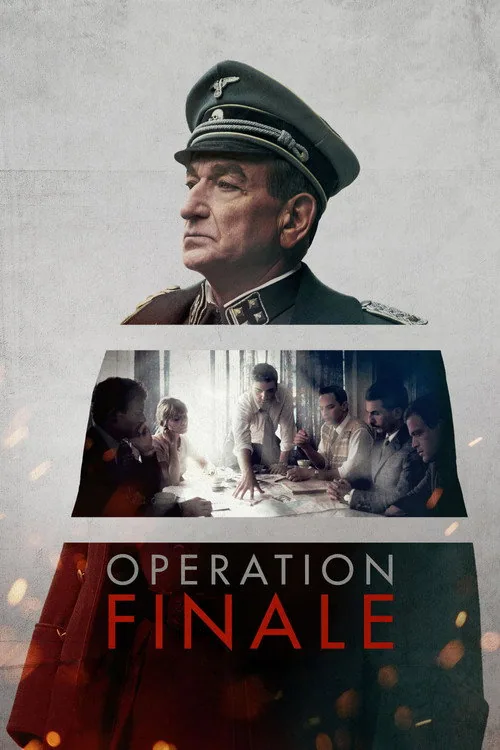
In 1960, Mossad agents locate Adolf Eichmann in Buenos Aires and organize a covert mission to capture him and bring him to Israel for trial. Agent Peter Malkin leads the team, which must keep Eichmann hidden while navigating surveillance, bureaucratic demands, and a difficult extraction plan. His conversations with the former Nazi official reveal the psychological challenge of confronting a man responsible for mass murder. The historical thriller follows the operation as both an intelligence mission and an effort to create a public record of the Holocaust.
Based on recorded story, mood and style. Your preferences can change the order.
What changes Unabomber: student years establish formative pressures, isolation and ideology deepen over time and later violence reframes earlier events. The Iceman: chronological rise and fall, tense and crime-driven.
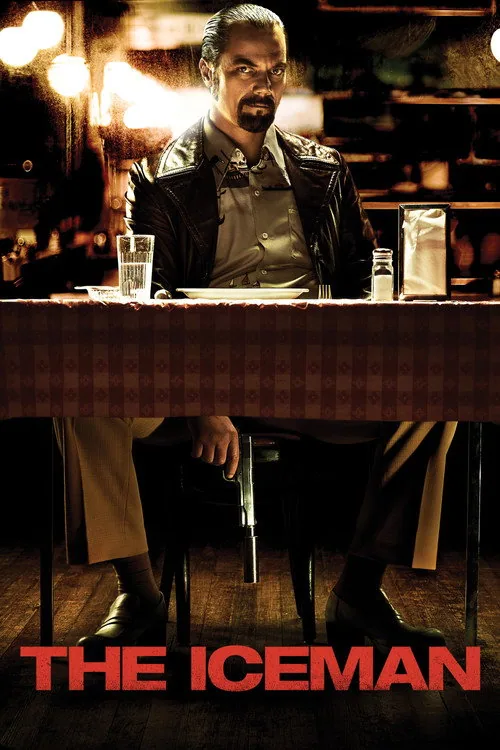
Richard Kuklinski maintains the image of a successful family man while secretly becoming a contract killer for organized crime. His work grows more dangerous as he forms uneasy partnerships and conceals his violent life from his wife and daughters. When gang disputes and law-enforcement pressure close in, the gap between his household persona and his criminal identity becomes harder to sustain. Loosely based on Kuklinski’s life, the biographical crime drama follows decades of violence and secrecy, with attention to the damage his crimes inflict on the family he claims to protect.
Based on recorded story, mood and style. Your preferences can change the order.
What changes Unabomber: student years establish formative pressures, isolation and ideology deepen over time and later violence reframes earlier events. Rendition: interlocking storylines, interrogation pressure and political convergence.
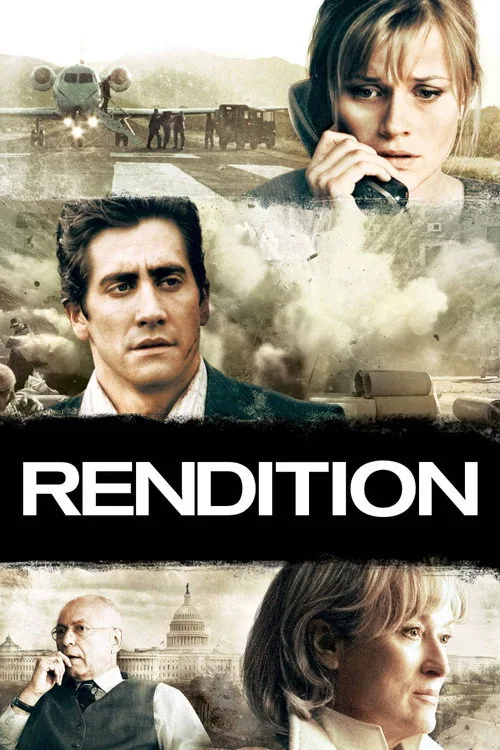
After a bombing in North Africa, Egyptian-born American engineer Anwar is detained during a flight and transferred to a secret interrogation site. His pregnant wife Isabella searches for answers in Washington while CIA analyst Douglas Freeman is assigned to observe the questioning and begins to doubt the process. A parallel story follows a young woman whose family is connected to the attack. The political thriller weaves these lives together to examine extraordinary rendition, torture, and the uncertain line between security work and abuse.
Based on recorded story, mood and style. Your preferences can change the order.
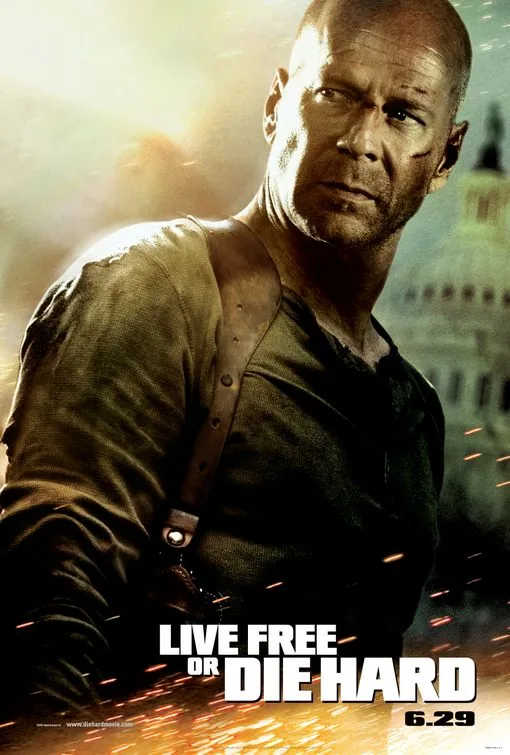
What changes Unabomber: student years establish formative pressures, isolation and ideology deepen over time and later violence reframes earlier events. Live Free or Die Hard: fast and escalating.
A detective assigned to collect a hacker survives an attack that exposes a coordinated assault on public infrastructure. The younger man's unwitting contribution to the code makes his expertise necessary to understanding what the visible chaos is meant to conceal. Their pursuit moves through systems whose ordinary convenience becomes a weapon, while the detective's daughter supplies another personal target. The action film pairs bodily improvisation with technical interpretation, making neither old professional confidence nor network knowledge sufficient on its own.
Based on recorded story, mood and style. Your preferences can change the order.
Memory and identity
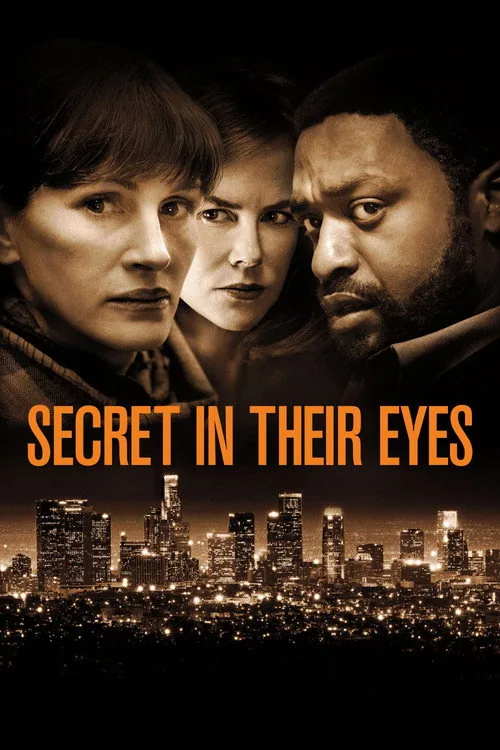
What changes Unabomber: student years establish formative pressures, isolation and ideology deepen over time and later violence reframes earlier events. The Secret in Their Eyes: past-and-present structure, case file reconstruction and late moral revelation.
Years after a young woman is murdered, retired investigator Ray Kasten returns to Los Angeles and tries to reopen the case alongside former colleague Claire Sloan. The victim was the daughter of Ray's friend Jess, whose grief and search for justice shaped the original investigation. A suspect connected to a terrorism inquiry was never brought to trial, and the old team must confront why the case stalled. The American adaptation combines a murder investigation with unresolved love, institutional compromise, and the long reach of trauma.
Based on recorded story, mood and style. Your preferences can change the order.
Memory and identity
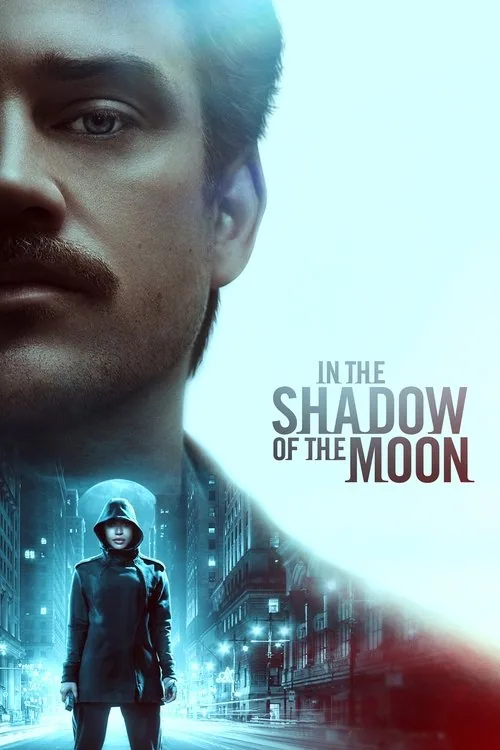
What changes Unabomber: student years establish formative pressures, isolation and ideology deepen over time and later violence reframes earlier events. In the Shadow of the Moon: decades-spanning structure and clue-driven escalation.
In 1988 Philadelphia, police officer Thomas Lockhart becomes fixated on a series of murders whose victims appear to die from inexplicable neurological injuries. A mysterious woman is linked to the attacks, but she vanishes and reappears years later with the same apparent age. As Lockhart returns to the case across decades, the investigation strains his career and family life. Jim Mickle’s science-fiction crime thriller blends serial-murder investigation with time-travel speculation and asks what happens when a detective’s pursuit of one explanation begins to consume his life.
Based on recorded story, mood and style. Your preferences can change the order.
Memory and identity
What changes Unabomber: student years establish formative pressures, isolation and ideology deepen over time and later violence reframes earlier events. Roofman: a criminal hideout story develops into a relationship under growing exposure.
Based on the case of Jeffrey Manchester, the film follows a former soldier who robs fast-food restaurants and hides inside a toy store while evading police. There he forms a relationship with an employee and struggles to keep his secret from people who might trust him. The crime drama combines an unusual concealment premise with questions about reinvention, family responsibility, and the harm caused by a life built on deception.
Based on recorded story, mood and style. Your preferences can change the order.
Memory and identity
What changes Unabomber: student years establish formative pressures, isolation and ideology deepen over time and later violence reframes earlier events. After the Hunt: campus accusation disrupts a stable circle, competing accounts raise the stakes and alma confronts her own history.
Alma Imhoff, a Yale philosophy professor, finds her professional and personal life destabilized when her student Maggie accuses Alma's longtime colleague and friend Hank of sexual assault. Alma must decide what to believe and how to respond within a university culture shaped by mentorship, power, and competing loyalties. A dark secret from Alma's own past threatens to surface, making neutrality impossible. The psychological drama treats the accusation as the beginning of a broader moral crisis, examining how institutional reputation and personal history influence the search for truth.
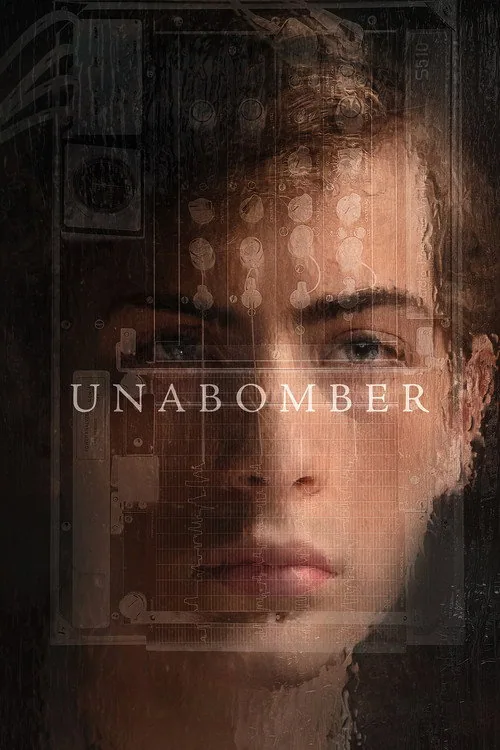
The film follows Theodore Kaczynski from his early years as a mathematics prodigy at Harvard, where he participates in confrontational psychological experiments, through an increasingly isolated life shaped by his rejection of industrial society. As the biography traces the formation of the ideas and violence associated with the Unabomber case, it examines how intellectual ambition, institutional treatment, and personal alienation intersect. The crime drama focuses on the person behind a notorious domestic-terrorism investigation without reducing the story to a procedural manhunt.
What drives the story
A biographical timeline links Kaczynski's Harvard experiences and isolation to the formation of a notorious domestic-terrorism case.
The people at its centre
His interactions with family, professors, and researchers reflect increasing distance from the social world he rejects.
What it feels like
A serious crime biography uses psychological history and period detail to examine how radicalization unfolded over time.
Worth knowing
The focus is the subject's development and history, rather than a detective team's pursuit of the Unabomber.
alienation and ideologypsychological pressure and identityviolence and accountability
Mood
somber · clinical · unsettling
Pacing
student years establish formative pressures · isolation and ideology deepen over time · later violence reframes earlier events
Visual style
period university settings · restrained biographical cinematography · clinical interview and research imagery
Storytelling
biographical account begins at Harvard · psychological experiments precede withdrawal from society · domestic terrorism is framed through personal history