The tax case provides a specific legal route for challenging a broader pattern of unequal treatment.
Why this matches +
These offer a related experience with a meaningful difference in story, tone, or presentation.
An adjacent discovery: a related idea with a different viewing experience.
Genres: Biography / Drama
Shared film traits
Based on recorded story, mood and style. Your preferences can change the order.
Investigation
What changes A determined lawyer challenges entrenched institutional rules through a case connecting personal history to a broader question of justice.
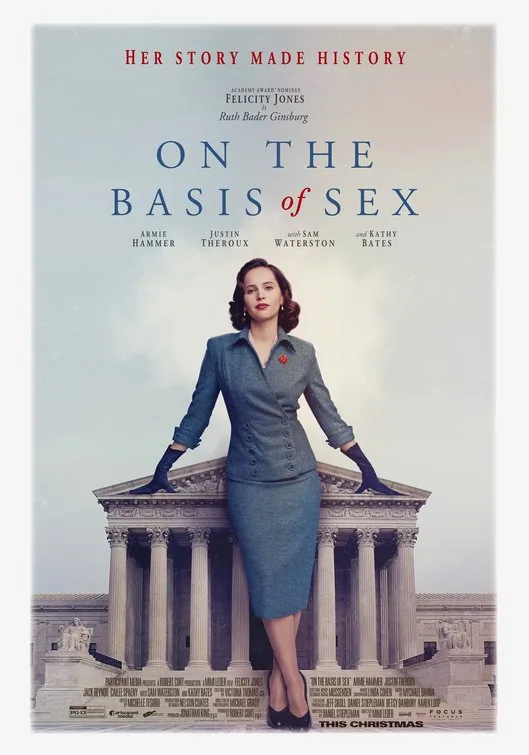
Ruth Bader Ginsburg faces discrimination while studying law and beginning her career, then works with her husband Martin to challenge a sex-based legal distinction. The case gives her an opportunity to argue that unequal rules harm both women and men. This biographical drama connects private persistence with legal strategy, showing how incremental precedent can become a vehicle for wider institutional change.
A woman searches for truth after the dictatorship takes her husband away.
Why this matches +
These offer a related experience with a meaningful difference in story, tone, or presentation.
An adjacent discovery: a related idea with a different viewing experience.
Genres: Drama / History
Shared film traits
Based on recorded story, mood and style. Your preferences can change the order.
What changes A woman pursues truth and institutional recognition across decades after political violence disrupts her family.
After former Brazilian congressman Rubens Paiva is taken by the military regime, his wife Eunice tries to learn what happened while caring for their children. The family home and the uncertainty surrounding his disappearance become part of a longer struggle over truth and memory. Walter Salles follows Eunice's perspective through a changing political landscape, making domestic endurance and later remembrance central to the historical drama.
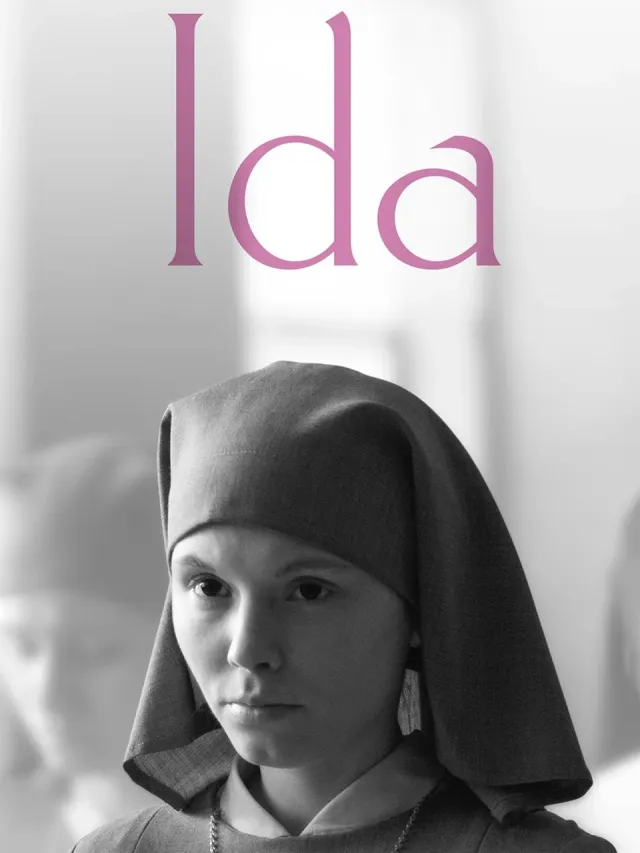
A pre-vow family visit becomes a search for concealed wartime deaths, unsettling two women’s different ways of living with history and choosing a future. Wanda’s investigation and Ida’s vocation meet at family graves but lead to different future choices.
Why this matches +
These offer a related experience with a meaningful difference in story, tone, or presentation.
An adjacent discovery: a related idea with a different viewing experience.
Genres: Drama
Shared film traits
Based on recorded story, mood and style. Your preferences can change the order.
Memory and identity · Investigation
What changes A woman investigates family history obscured by Nazi-era violence, confronting loss and the difficult inheritance of the past.
Before taking religious vows, novice Anna visits her only surviving relative, Wanda, and learns that she was born Jewish and given a different name. Their journey to locate the remains of family members killed during the occupation leads to difficult questions about local violence, survival and what can be recovered from silence. Wanda’s political past and grief shape one response; Ida’s quiet discipline and uncertainty shape another. Their discoveries do not produce a simple replacement identity or a single verdict on Poland. The film’s black-and-white, nearly square compositions make its sparse spaces and withheld information part of the historical tension, not merely an elegant style.
The prosecution asks when legal professionals become responsible for the uses of law they administer. The case is about judges and judicial systems, not only a courtroom debate over whether individual officials were personally cruel.
Why this matches +
These offer a related experience with a meaningful difference in story, tone, or presentation.
An adjacent discovery: a related idea with a different viewing experience.
Genres: Drama / History
Shared film traits
Based on recorded story, mood and style. Your preferences can change the order.
Investigation
What changes A legal proceeding confronts responsibility for Nazi-era injustice and asks institutions to acknowledge the harm they enabled.
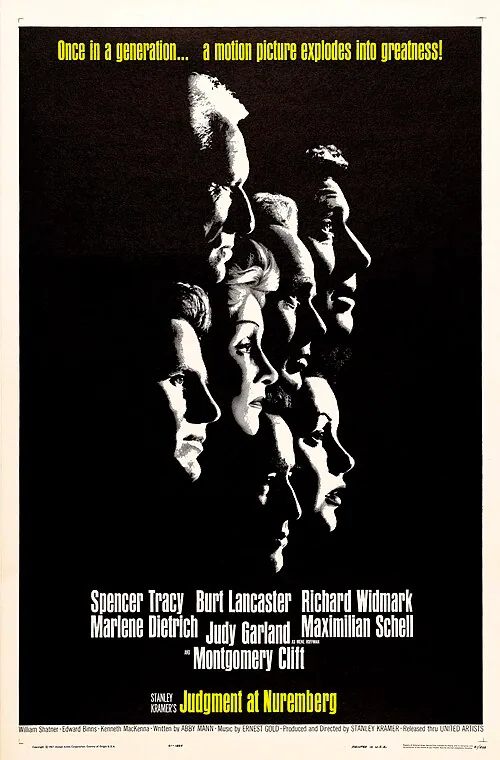
An American tribunal tries four German judges for helping make Nazi persecution appear lawful. The defendants describe their work through professional duty, political pressure and the conditions of wartime Germany; testimony from victims forces the court to confront what procedure concealed. Judge Haywood’s conversations beyond the courtroom show a country seeking to resume ordinary life even as Cold War priorities make a severe judgment less convenient. The film draws on the real Judges’ Trial but reshapes the tribunal and participants into dramatic composites. Its characters’ defenses are arguments to examine, not neutral statements of history, and the film’s willingness to consider national context does not erase the personal and institutional responsibility at issue.
A British organizer helps evacuate children from Czechoslovakia before the Nazi occupation.
Why this matches +
These offer a related experience with a meaningful difference in story, tone, or presentation.
An adjacent discovery: a related idea with a different viewing experience.
Genres: Drama / History
Shared film traits
Based on recorded story, mood and style. Your preferences can change the order.
Memory and identity
What changes An older person revisits the legacy of Nazi persecution and seeks recognition for a history shaped by displacement and loss.
In 1938, London stockbroker Nicholas Winton visits Prague and encounters refugee families facing the threat of Nazi persecution. He helps organize a rescue effort to bring children to safety in Britain, while the film also follows Winton decades later as he reflects on those he could not save. The dual-time structure connects a practical act of coordination with the burden of memory, asking how one person understands responsibility after history has moved on.
An older Austrian-American woman takes the Austrian government to court over a Gustav Klimt portrait stolen from her family during the Nazi era. With a young lawyer, she pursues restitution while revisiting the history of displacement and loss that shaped her life. The legal drama links a public property dispute to memory, cultural inheritance and the difficulty of asking institutions to recognize past injustice.
What drives the story
The legal case turns a private family loss into a public question about ownership and historical responsibility.
The people at its centre
Maria’s resolve is sharpened by memories that the court record alone cannot contain.
What it feels like
The portrait functions as both evidence and a visible connection to a lost family world.
Worth knowing
This is a historical restitution drama about one artwork and one family, not a general Holocaust overview.
MemoryJusticeFamily history
Mood
Reflective · Determined · Somber
Pacing
Alternates between courtroom progress and past events
Visual style
Period transitions · Portrait-centered imagery · Restrained courtroom style
Storytelling
Legal claim · Historical investigation · Family recovery