Based on recorded story, mood and style. Your preferences can change the order.
Memory and identity
What changes One Life: interwoven timelines, steadily building and reflective. How Green Was My Valley: episodic and measured.
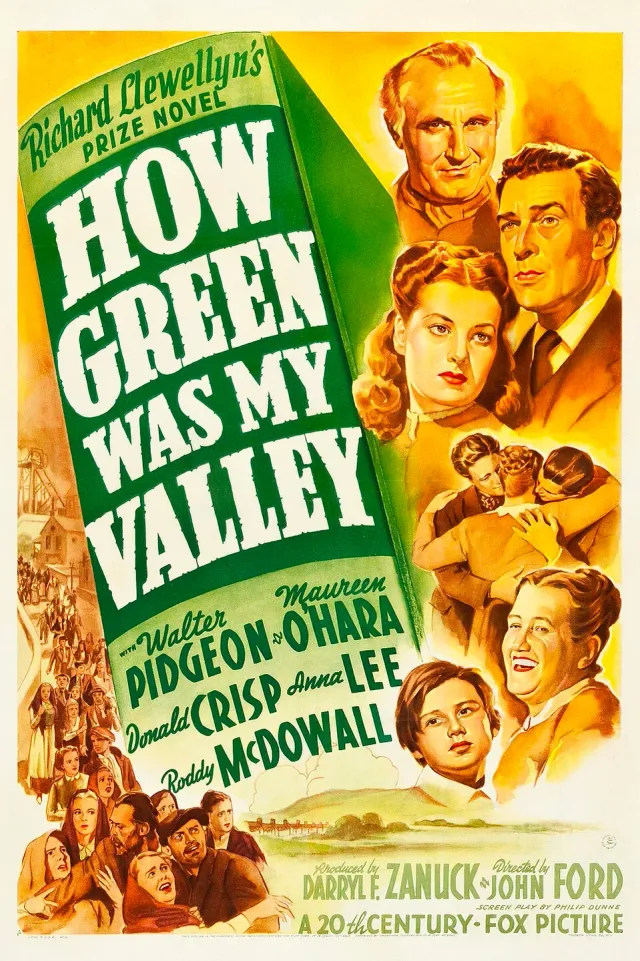
A man remembers childhood in a Welsh mining family before changes in work and landscape dissolved the world he knew. Wage conflict divides his father from older brothers, while schooling, romance and religious gossip expose other hierarchies inside a community he still loves. Injuries and departures accumulate beneath the warmth of song and family ritual. The drama makes recollection both a shelter and an admission of loss, presenting industrial change through the child who cannot yet understand every pressure shaping the adults around him.
Based on recorded story, mood and style. Your preferences can change the order.
War and civilian life
What changes One Life: interwoven timelines, steadily building and reflective. Vermiglio: patient, seasonal and ensemble-led.
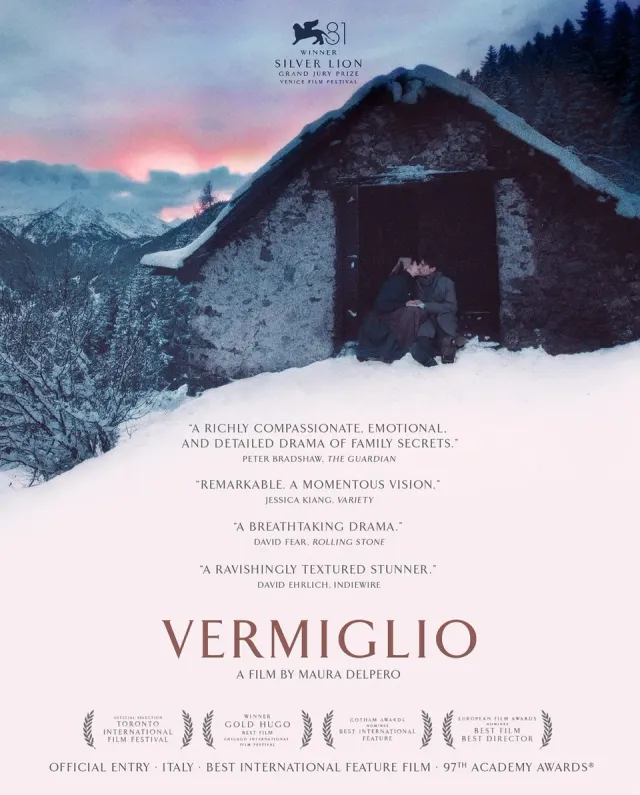
In the final winter of the Second World War, a Sicilian soldier arrives in the alpine village of Vermiglio and is taken in by a local family. His presence changes the lives of the household's daughters, especially Lucia, and draws private desires into the rhythms of village life. Maura Delpero observes the family across seasons as war, religion, work and social expectations shape what each generation can say aloud and what futures remain possible.
Based on recorded story, mood and style. Your preferences can change the order.
War and civilian life
What changes One Life: interwoven timelines, steadily building and reflective. The Boy in the Striped Pajamas: fable-like progression and inevitable tragedy.
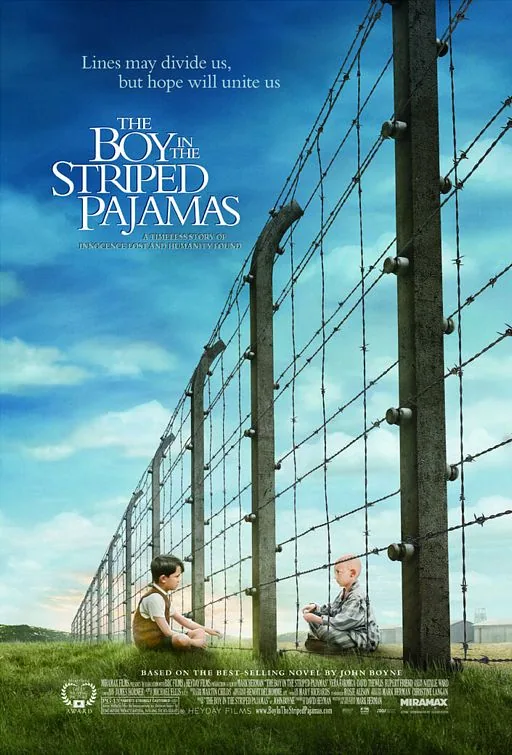
Eight-year-old Bruno moves with his family to the countryside when his father, an SS officer, takes command of a nearby concentration camp. Believing the prisoners’ uniforms mark a farm, Bruno explores the area and befriends Shmuel, a Jewish boy on the other side of the fence. Their conversations continue as Bruno’s sister absorbs Nazi ideology and his mother begins to understand what the camp is. When Shmuel’s father disappears, Bruno enters the camp in disguise to help search for him, with devastating consequences. The film presents this as a fable through a child’s limited understanding, but Holocaust educators have warned that its implausible premise can leave viewers with misleading ideas about camp life and the knowledge of ordinary Germans. It should not be used as a representative historical account.
Both share themes of war, plus a reflective atmosphere.
Why this matches +
Genres: Drama / Romance
Shared film traits
Based on recorded story, mood and style. Your preferences can change the order.
War and civilian life
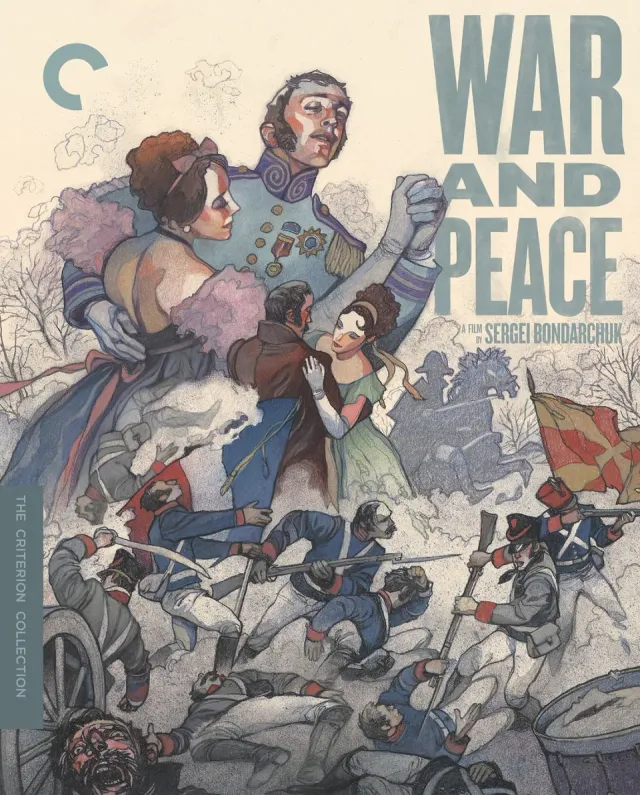
What changes One Life: interwoven timelines, steadily building and reflective. War and Peace: multi-part and long-form.
Across the Napoleonic era, Pierre Bezukhov, Prince Andrei Bolkonsky and Natasha Rostova search for purpose while Russia’s aristocratic society is repeatedly interrupted by war. Private life unfolds through balls, marriages, family conflict and shifting loyalties, but Napoleon’s invasion steadily alters what safety and honor mean. Bondarchuk’s adaptation follows several families across a long historical span, allowing characters who once imagined history from a distance to encounter its consequences directly. The film is often distributed in four parts and is unusually long, so its large battle scenes sit alongside intimate questions of love, ambition, grief and social expectation. It adapts Tolstoy’s novel rather than reducing it to a single hero’s campaign.
Based on recorded story, mood and style. Your preferences can change the order.
War and civilian life · Memory and identity
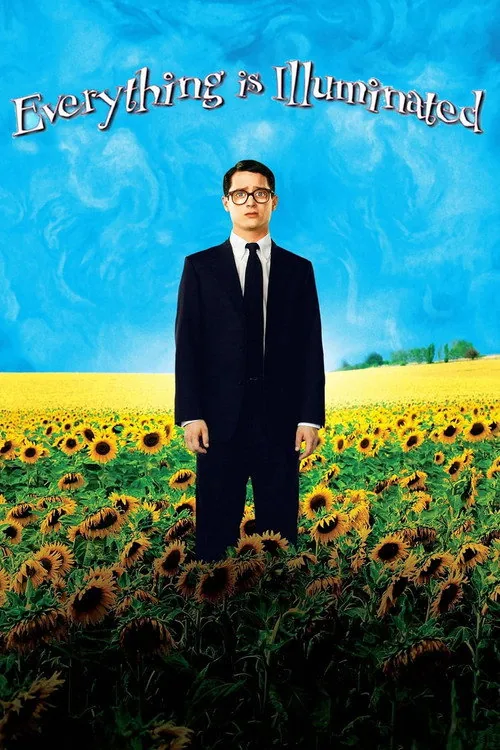
What changes One Life: interwoven timelines, steadily building and reflective. Everything Is Illuminated: episodic journey, gradual historical revelation and quiet reflective ending.
Young American collector Jonathan travels to Ukraine to find the village where his Jewish grandfather lived before the Holocaust. Guided by a translator named Alex and Alex's grandfather, who pretends to be blind, Jonathan joins a search through the countryside for a woman who helped save his family. Their road trip begins with awkward comedy and gradually uncovers the region's buried history, bringing three men with very different relationships to memory into contact with the same past.
Based on recorded story, mood and style. Your preferences can change the order.
War and civilian life · Memory and identity
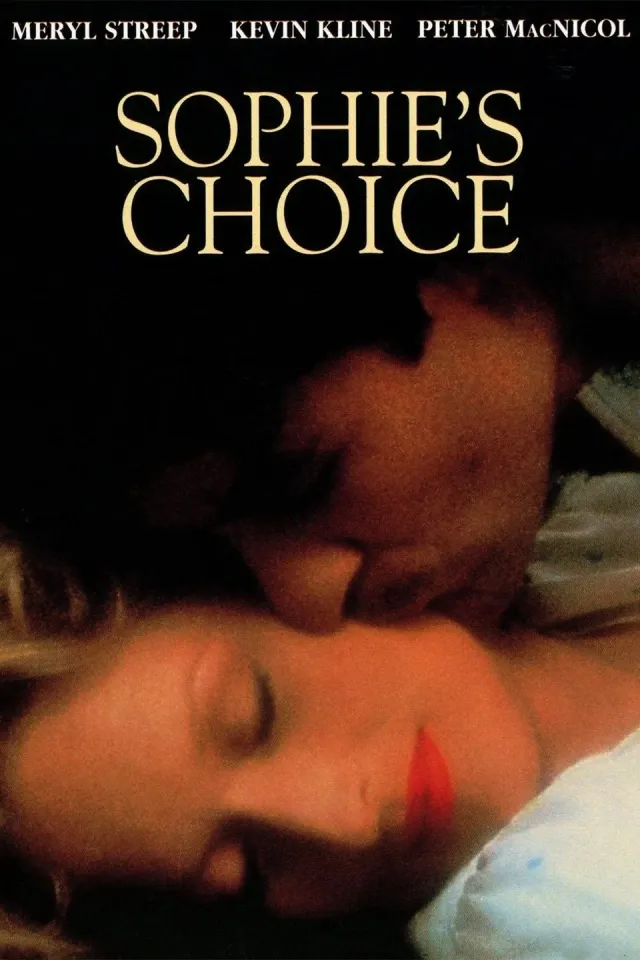
What changes One Life: interwoven timelines, steadily building and reflective. Sophie's Choice: gradual revelation and flashback.
In postwar Brooklyn, aspiring writer Stingo befriends Sophie, a Polish survivor of Auschwitz, and her volatile partner Nathan. Sophie gradually recounts how war, imprisonment and the people she lost shaped her life, while Nathan’s jealousy and instability make their present home unsafe. In a memory she has struggled to disclose, Sophie describes being forced by a Nazi officer to choose which of her two children would live; the coercion belongs to the persecution inflicted on her, not to any moral failing of her own. Stingo’s growing affection cannot repair the history that shapes their present.
Both share themes of memory, plus a reflective and compassionate atmosphere.
Why this matches +
Genres: Drama / Historical drama
Shared film traits
Based on recorded story, mood and style. Your preferences can change the order.
Memory and identity
Expect somber and immersive, with measured and episodic pacing.
In 1960s Florida, Elwood Curtis is sent to a brutal reform school after a wrongful arrest, where he befriends the more pragmatic Turner. The boys negotiate the institution's violence and uncertain rules for staying safe, while their different understandings of resistance shape their bond. RaMell Ross's adaptation of Colson Whitehead's novel uses subjective visual perspectives, making memory and the boys' relationship central to a history of abuse and survival.
Based on recorded story, mood and style. Your preferences can change the order.
War and civilian life · Escape and pursuit
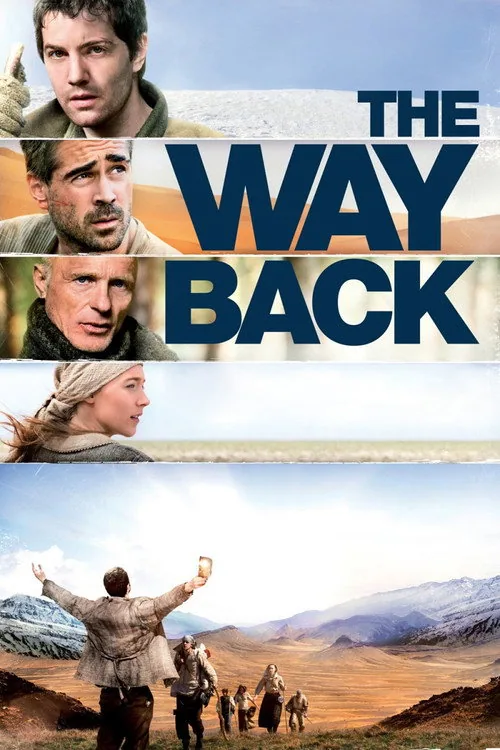
What changes One Life: interwoven timelines, steadily building and reflective. The Way Back: the escape gives way to a series of environmental ordeals across changing terrain..
During the Second World War, a Polish prisoner escapes a Soviet labor camp with a small group of men. They travel south across Siberia, the Gobi Desert, and the Himalayas, relying on one another through hunger, weather, and exhaustion. Their route leads toward British India, but the long journey repeatedly tests the group’s capacity to keep moving and to care for its weakest members. Peter Weir’s survival drama follows the trek in stark landscapes and is based on a disputed memoir.
Based on recorded story, mood and style. Your preferences can change the order.
Memory and identity
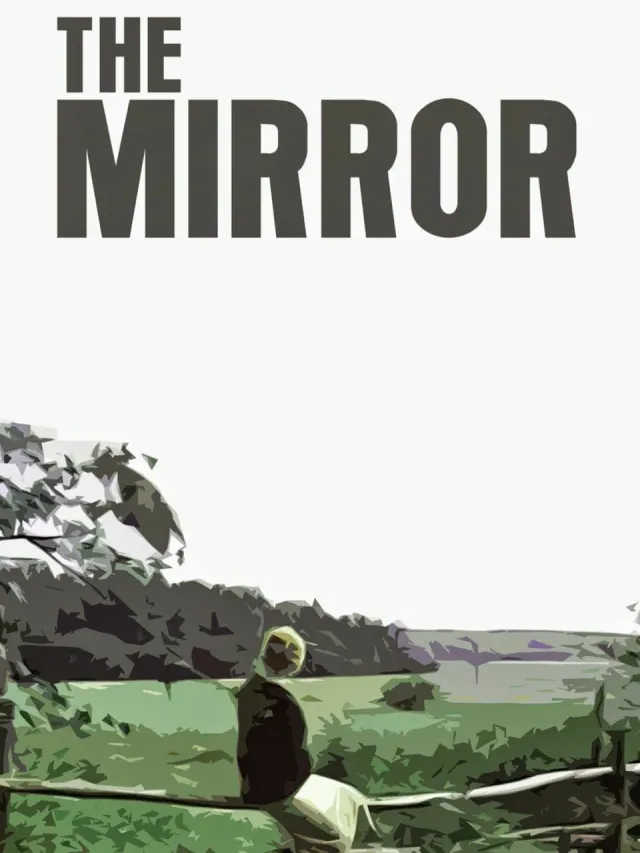
What changes One Life: interwoven timelines, steadily building and reflective. The Mirror: associative montage and nonlinear time shifts.
A dying man’s memories unfold in fragments across childhood, adulthood and wartime, with the film shifting between a boy named Alex, his mother and the adult voice remembering them. Images of a country house, a printing press and family separations recur without being arranged into a conventional chronological plot. Andrei Tarkovsky weaves autobiographical material, poetry and historical footage into a meditation on memory and inheritance. The scenes do not always clarify whether they belong to recollection, dream or present action; their emotional links matter more than a single explanatory mystery.
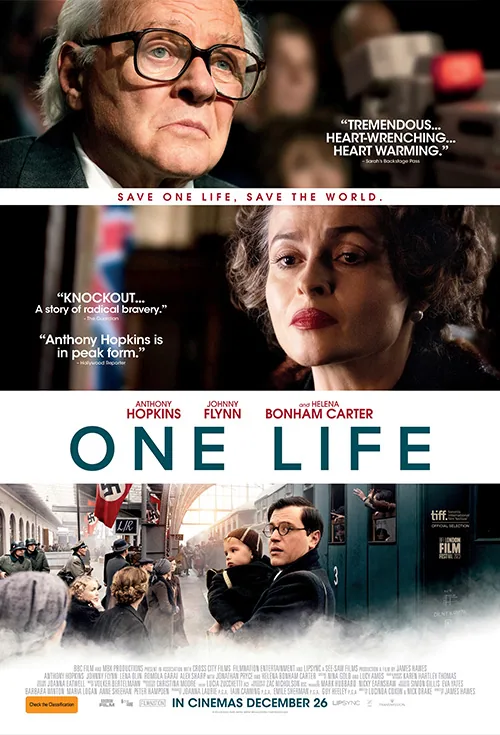
In 1938, London stockbroker Nicholas Winton visits Prague and encounters refugee families facing the threat of Nazi persecution. He helps organize a rescue effort to bring children to safety in Britain, while the film also follows Winton decades later as he reflects on those he could not save. The dual-time structure connects a practical act of coordination with the burden of memory, asking how one person understands responsibility after history has moved on.
What drives the story
A British organizer helps evacuate children from Czechoslovakia before the Nazi occupation.
The people at its centre
Young Winton works with collaborators while the older Winton confronts the long memory of the rescue.
What it feels like
The two periods connect practical logistics with the emotional cost of remembering individual lives.
Worth knowing
The film centers civilian rescue and responsibility rather than combat or political leadership.
rescuememoryresponsibility
Mood
moving · reflective · urgent · compassionate
Pacing
interwoven timelines · steadily building · reflective
Visual style
period documentary textures · restrained drama · railway and office settings