Based on recorded story, mood and style. Your preferences can change the order.
Escape and pursuit · Survival
What changes The Way Back: the escape gives way to a series of environmental ordeals across changing terrain.. Rescue Dawn: a carefully planned camp escape becomes a less controlled struggle through the jungle..
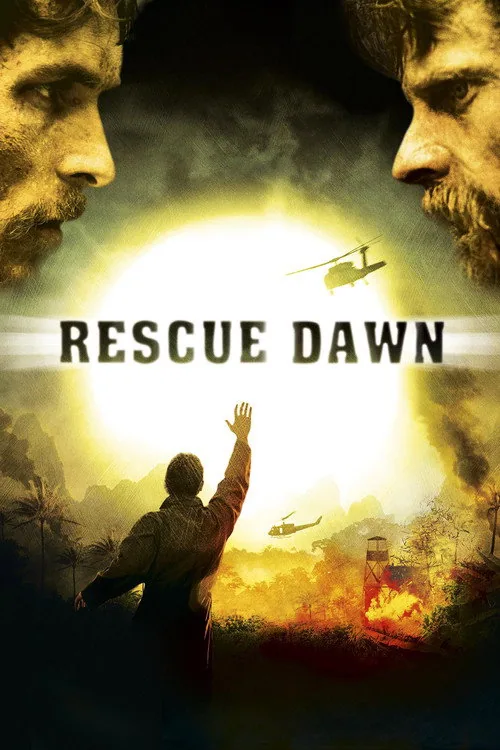
Navy pilot Dieter Dengler is shot down over Laos during the Vietnam War, captured, and held in a remote prisoner camp. He refuses an offer to condemn the United States and begins planning an escape with other prisoners, whose strength and willingness to take risks differ. Werner Herzog’s survival drama follows the escape into dense jungle, where the group must improvise food, shelter, and a route toward rescue. The film is based on Dengler’s account and emphasizes the physical costs of captivity and flight.
Based on recorded story, mood and style. Your preferences can change the order.
War and civilian life
What changes The Way Back: the escape gives way to a series of environmental ordeals across changing terrain.. The Kite Runner: interwoven and building.
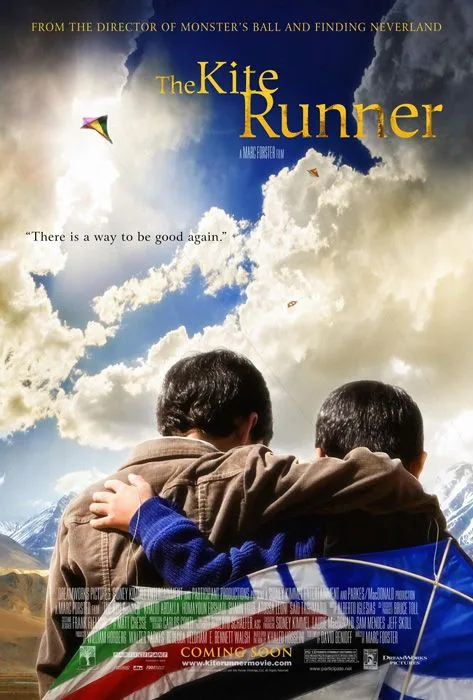
A man living in the United States returns to Afghanistan after learning that a childhood friend’s son is in danger. The journey forces him to revisit a betrayal and the social upheaval that shaped their lives. The adaptation follows memory across decades and countries, linking personal guilt to family history, displacement and the consequences of choices made in childhood.
Both share themes of endurance, plus an austere atmosphere.
Why this matches +
Genres: Adventure / Drama
Shared film traits
Based on recorded story, mood and style. Your preferences can change the order.
Survival
What changes The Way Back: the escape gives way to a series of environmental ordeals across changing terrain.. All Is Lost: procedural, measured and crisis escalation.
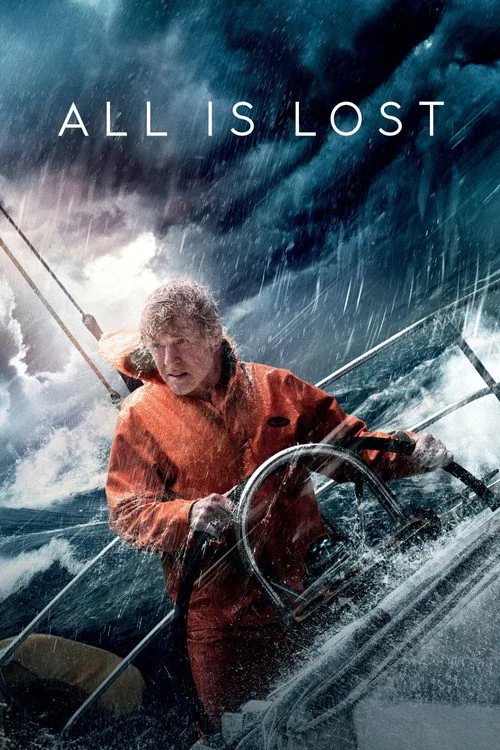
A lone sailor in the Indian Ocean discovers that his yacht has struck a shipping container and is taking on water. With communications damaged and a storm approaching, he repairs the hull, salvages supplies, and tries to navigate toward help. Each practical decision creates new problems as the vessel and the man’s strength decline. J. C. Chandor’s survival drama is nearly wordless, using Robert Redford’s performance and the precise stages of a maritime emergency to explore endurance and uncertainty.
Based on recorded story, mood and style. Your preferences can change the order.
Escape and pursuit · War and civilian life
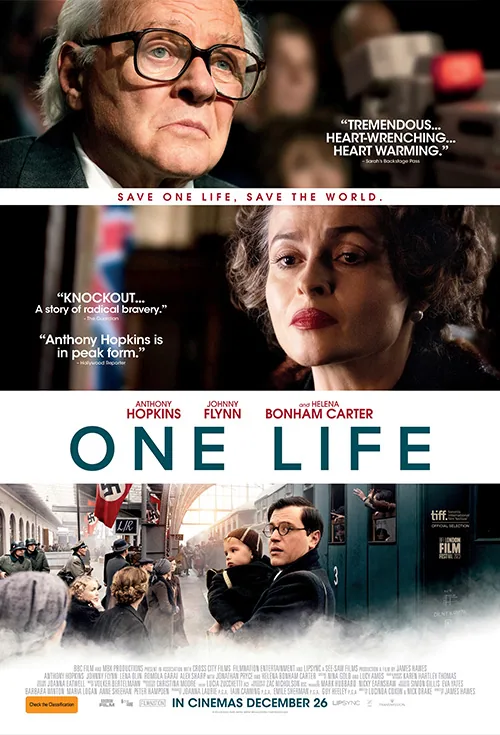
What changes The Way Back: the escape gives way to a series of environmental ordeals across changing terrain.. One Life: interwoven timelines, steadily building and reflective.
In 1938, London stockbroker Nicholas Winton visits Prague and encounters refugee families facing the threat of Nazi persecution. He helps organize a rescue effort to bring children to safety in Britain, while the film also follows Winton decades later as he reflects on those he could not save. The dual-time structure connects a practical act of coordination with the burden of memory, asking how one person understands responsibility after history has moved on.
Based on recorded story, mood and style. Your preferences can change the order.
Escape and pursuit · Survival
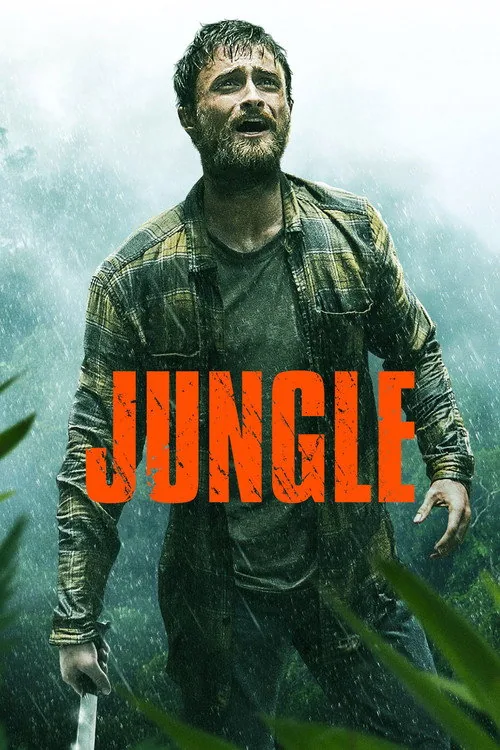
What changes The Way Back: the escape gives way to a series of environmental ordeals across changing terrain.. Jungle: expedition setup, survival escalation and isolated character focus.
In 1981, young Israeli traveler Yossi Ghinsberg joins a geologist and other adventurers for an expedition into the Bolivian Amazon. When the group splits up, Yossi becomes lost and must find a way through difficult terrain with little food or support. Greg McLean’s survival drama is based on Ghinsberg’s memoir and follows his ordeal in the rainforest, where weather, isolation, injury, and exhaustion test his judgment and resolve.
Based on recorded story, mood and style. Your preferences can change the order.
War and civilian life
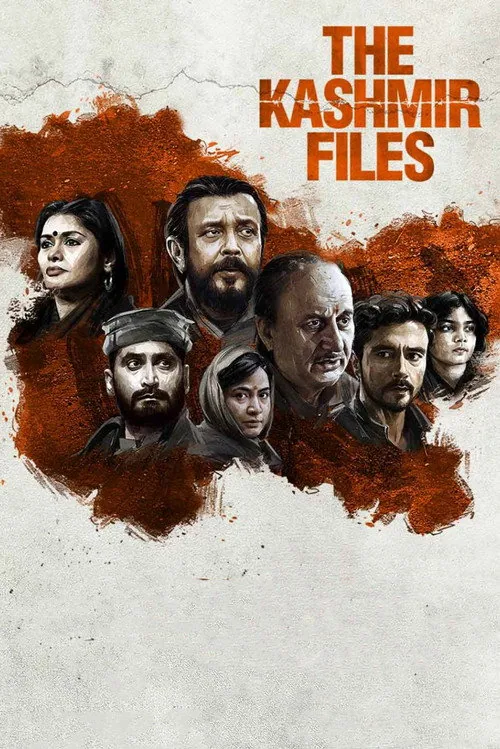
What changes The Way Back: the escape gives way to a series of environmental ordeals across changing terrain.. The Kashmir Files: intercut present and past and speech-driven climax.
After his exiled grandfather dies, a Kashmiri Hindu student begins re-examining the story he was taught about his parents and the family’s departure from the Kashmir Valley. The film moves between his present-day search and dramatized events from 1989–90. Its historical framing is disputed, so the drama is best understood as a forceful film perspective on displacement, memory, and political responsibility.
Based on recorded story, mood and style. Your preferences can change the order.
Escape and pursuit
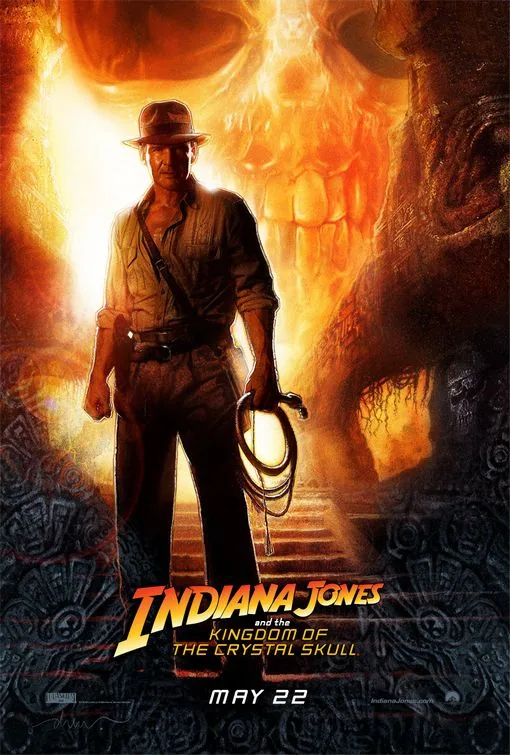
What changes The Way Back: the escape gives way to a series of environmental ordeals across changing terrain.. Indiana Jones and the Kingdom of the Crystal Skull: fast and escalating.
A Cold War abduction draws an archaeologist toward an object that Soviet agents believe could provide power over human minds. A younger man's request for help reconnects him with missing colleagues and an old partner, turning the search into an unexpected family reunion. Deciphering a trail through Peru requires distinguishing assistance from repeated betrayal. The serial adventure relocates the familiar antiquities race into a period of nuclear anxiety and speculative otherworldly contact, with knowledge pursued both as understanding and as an instrument of domination.
Based on recorded story, mood and style. Your preferences can change the order.
War and civilian life
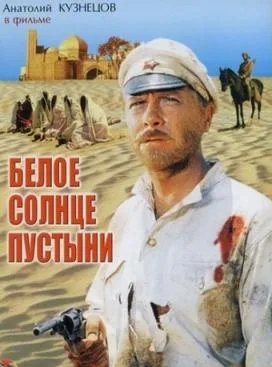
What changes The Way Back: the escape gives way to a series of environmental ordeals across changing terrain.. White Sun of the Desert: episodic adventure and action climax.
After the Russian Civil War, demobilized Red Army soldier Fyodor Sukhov is trying to travel home through the sands of Turkestan when he is asked to guard the wives abandoned by the fleeing bandit Abdullah. Sukhov’s sense of duty keeps delaying his return, and he is joined by the inexperienced Petrukha and the more complicated local ally Said as Abdullah’s pursuit draws closer. The film combines a desert adventure with comic exchanges and a western-like frontier structure. Its historical frame and portrayal of local women require context beyond a simple heroic-journey label. The comedy of delayed homecoming sits alongside the threat to the women Sukhov is assigned to guard. Each encounter postpones his travel and tests his sense of duty.
Based on recorded story, mood and style. Your preferences can change the order.
Survival
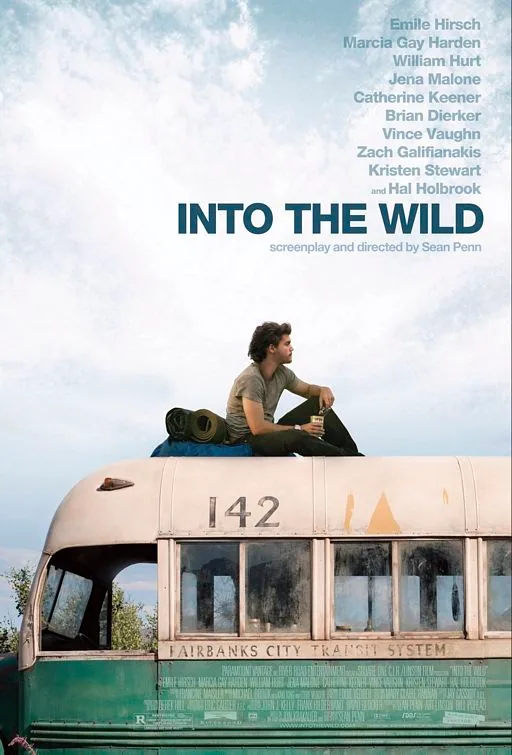
What changes The Way Back: the escape gives way to a series of environmental ordeals across changing terrain.. Into the Wild: measured.
A young graduate cuts ties with his family, abandons conventional security and travels across the United States in search of a freer life. Temporary work and encounters with generous strangers offer forms of belonging he repeatedly moves beyond. His eventual retreat into Alaska tests the distance between a chosen ideal of self-sufficiency and the practical, emotional dependence that surviving in an indifferent landscape demands.
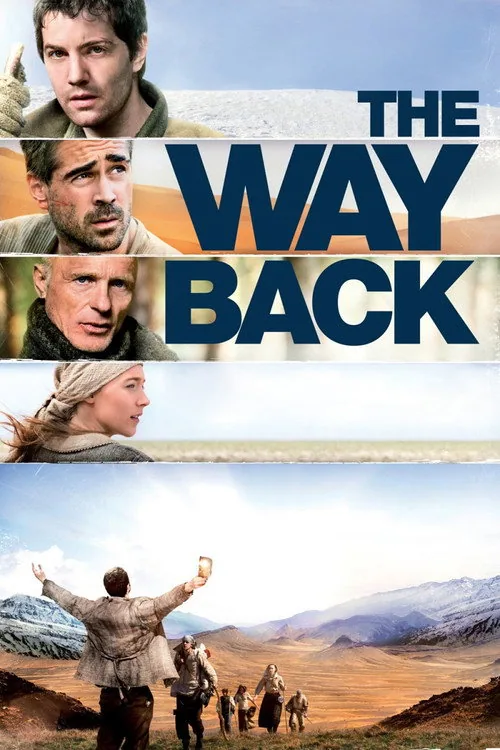
During the Second World War, a Polish prisoner escapes a Soviet labor camp with a small group of men. They travel south across Siberia, the Gobi Desert, and the Himalayas, relying on one another through hunger, weather, and exhaustion. Their route leads toward British India, but the long journey repeatedly tests the group’s capacity to keep moving and to care for its weakest members. Peter Weir’s survival drama follows the trek in stark landscapes and is based on a disputed memoir.
What drives the story
The fugitives must keep moving toward safety while each landscape imposes a different survival problem.
The people at its centre
The group’s changing membership places practical leadership beside compassion and the limits of individual endurance.
What it feels like
The film emphasizes cold, thirst, hunger, and distance, with few comforts interrupting its slow physical journey.
Worth knowing
The film presents a fictionalized adaptation of a contested memoir; its dramatic trek should not be treated as settled historical fact.
EnduranceFreedomCompanionship
Mood
Austere · Grave · Expansive
Pacing
The escape gives way to a series of environmental ordeals across changing terrain.