Explore films connected to Once Upon a Time in Anatolia through truth and memory, bureaucracy and routine, mortality and moral ambiguity. Choose the qualities you want to carry into your next watch.
What should feel similar?
Find your next favourite
9 films · Closest overall matches
Hide films you’ve seen or don’t want. Saved on this device.
No matches for this combination yet.
Try another option or reset your choices to see more films.
Based on recorded story, mood and style. Your preferences can change the order.
Investigation
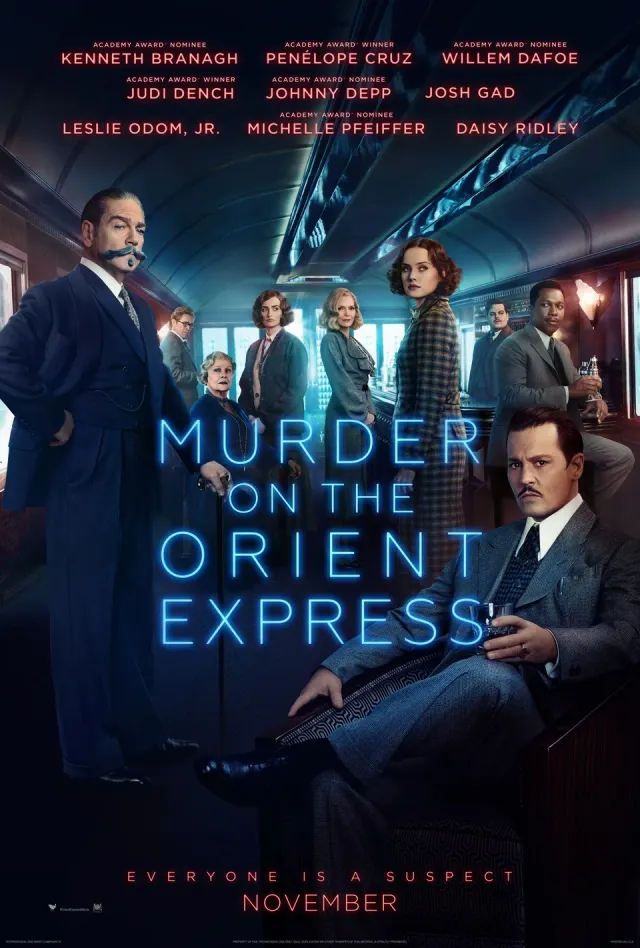
What changes Once Upon a Time in Anatolia: long nocturnal search, conversation-led pauses and open-ended aftermath. Murder on the Orient Express: measured.
A meticulous detective joins a luxury train expecting a brief interruption between cases, but a killing and an avalanche turn the journey into a locked setting for another investigation. Each passenger offers a version of events that appears to fit until examined beside the others. As the victim's earlier life becomes relevant, the detective's insistence on a clear moral order faces a case in which evidence and emotional justice resist alignment.
Based on recorded story, mood and style. Your preferences can change the order.
Investigation · Memory and identity
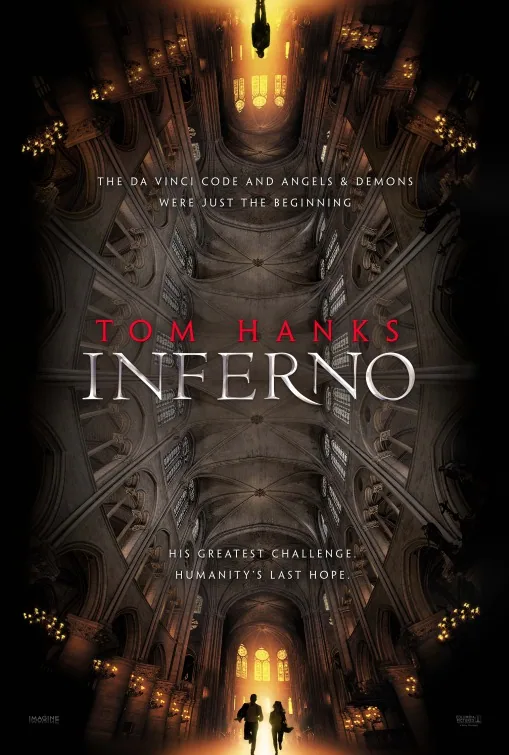
What changes Once Upon a Time in Anatolia: long nocturnal search, conversation-led pauses and open-ended aftermath. Inferno: fast and escalating.
A scholar wakes in Florence without a reliable account of how he arrived or why someone is trying to kill him. Help from a doctor allows him to follow images and literary clues tied to a dead extremist's biological threat, but gaps in memory make apparent allies difficult to assess. The itinerary transforms cultural interpretation into a race to locate a release point. The thriller depends on recovering the circumstances that produced the chase while distinguishing the criminal's population argument from the harm he intends to inflict.
Based on recorded story, mood and style. Your preferences can change the order.
Investigation
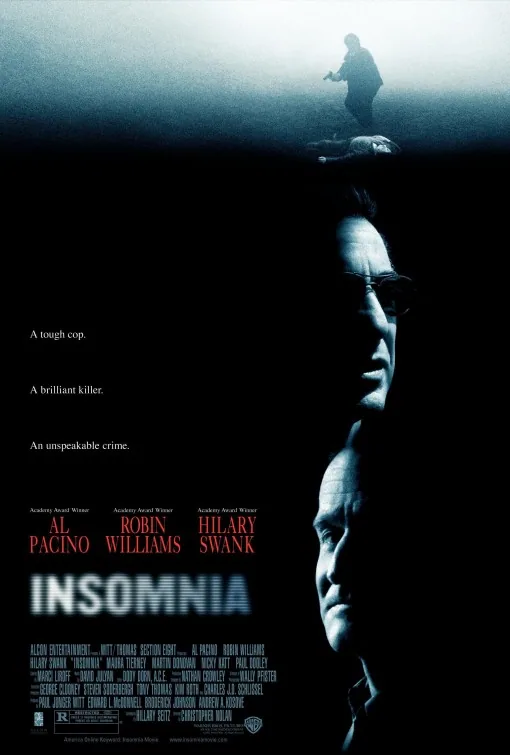
What changes Once Upon a Time in Anatolia: long nocturnal search, conversation-led pauses and open-ended aftermath. Insomnia: measured and escalating.
An experienced detective travels to an Alaskan town to investigate a teenager's murder while his own professional conduct faces scrutiny. A fatal mistake during pursuit gives the killer leverage, and the detective's attempt to hide it makes solving the original crime inseparable from protecting himself. Continuous daylight and sleeplessness erode the certainty he once embodied for a younger local officer. The thriller places investigation under a corrosive conflict: the person needed to expose one wrongdoing is actively concealing another.
Based on recorded story, mood and style. Your preferences can change the order.
Investigation · Memory and identity
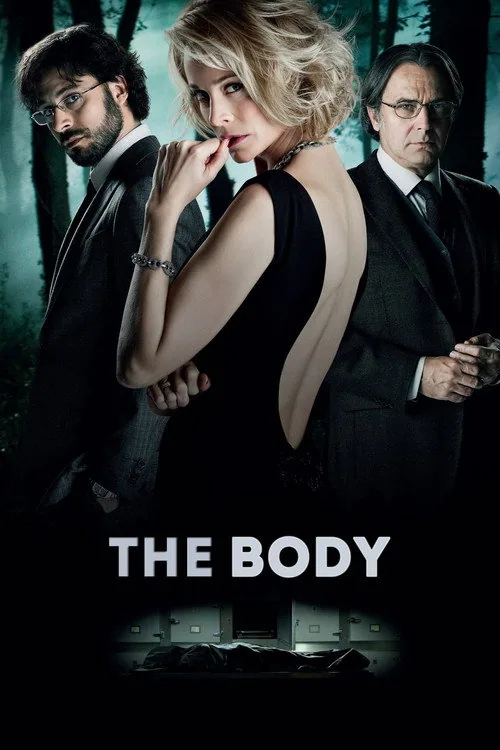
What changes Once Upon a Time in Anatolia: long nocturnal search, conversation-led pauses and open-ended aftermath. The Body: clue-driven, interrogation-centered and late revelations.
The body of a wealthy woman disappears from a morgue on the same night that a security guard is killed. Inspector Jaime Peña questions the widower, Álex Ulloa, and reconstructs the dead woman’s final hours while new clues unsettle the apparent explanation for her death. Oriol Paulo’s Spanish thriller compresses its mystery into a stormy overnight investigation, using shifting testimony and an increasingly uncertain timeline to build toward a psychological reveal.
Based on recorded story, mood and style. Your preferences can change the order.
Investigation · Memory and identity
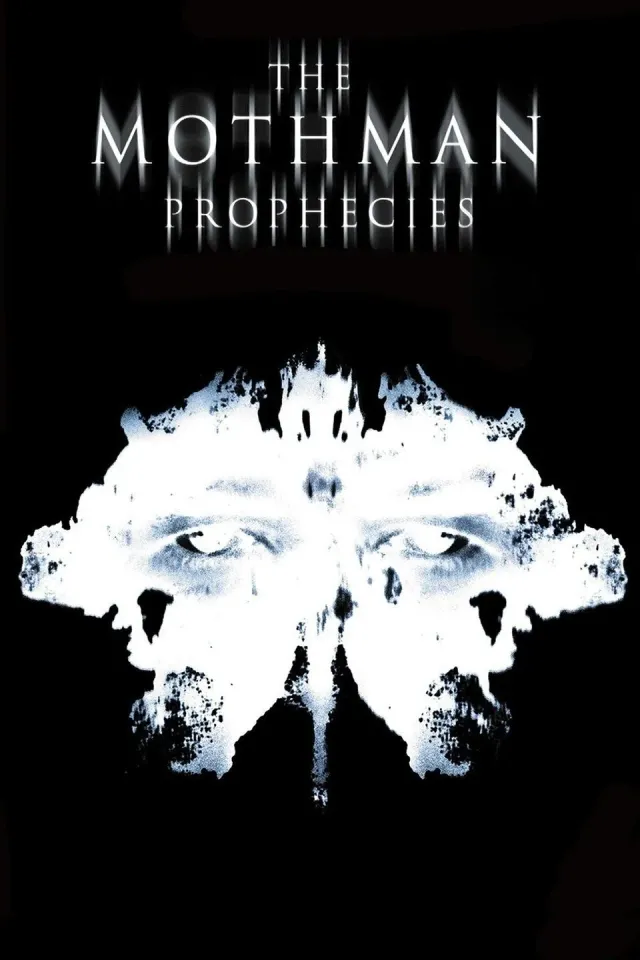
What changes Once Upon a Time in Anatolia: long nocturnal search, conversation-led pauses and open-ended aftermath. The Mothman Prophecies: slow-building and suspense-led.
A journalist grieving his wife’s death travels to a West Virginia town after discovering an unexplained connection to a series of strange reports. Residents describe visions and warnings, but their accounts resist ordinary verification. The investigation becomes a study of how people search for meaning when personal loss and public danger overlap, keeping supernatural explanations unresolved rather than turning every image into a clue with a simple answer.
Based on recorded story, mood and style. Your preferences can change the order.
Investigation
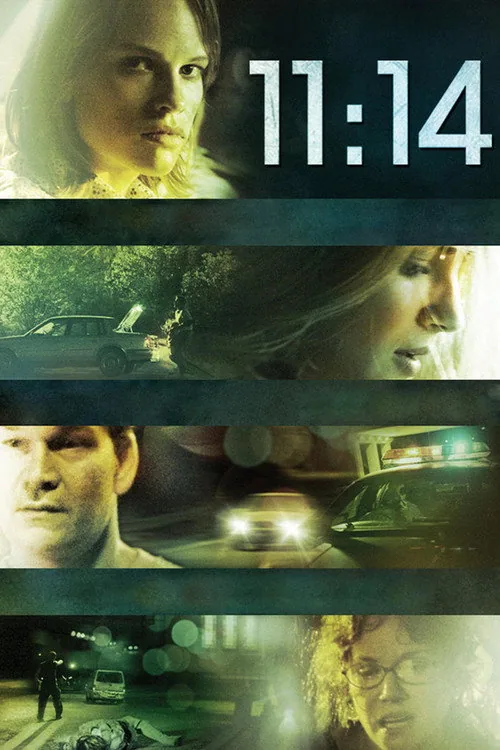
What changes Once Upon a Time in Anatolia: long nocturnal search, conversation-led pauses and open-ended aftermath. 11:14: mystery opening, short interlocking chapters and reveal-driven convergence.
At 11:14 p.m. in a small town, a car strikes a body and a sequence of seemingly unrelated events begins to unravel. The film rewinds through overlapping stories involving teenagers, a night-shift worker, a family, and a group of young criminals, with each section exposing what happened a few minutes earlier. As the accounts fold back toward the same pair of accidents, ordinary lies and impulsive choices explain how the night reached its grisly turning point.
Based on recorded story, mood and style. Your preferences can change the order.
Memory and identity
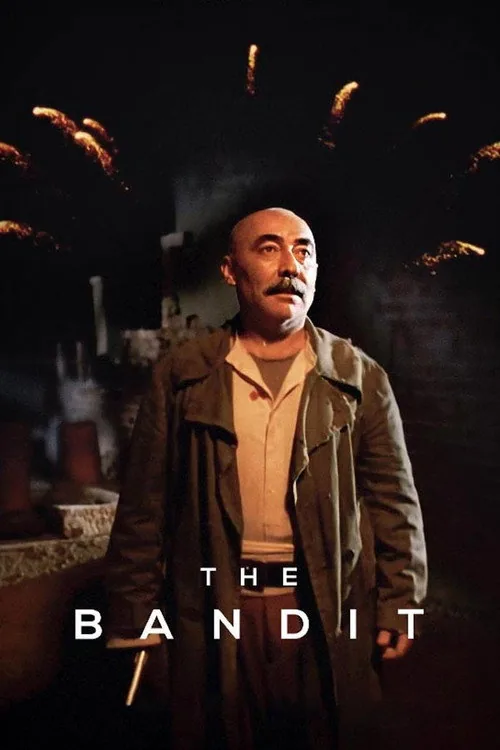
What changes Once Upon a Time in Anatolia: long nocturnal search, conversation-led pauses and open-ended aftermath. The Bandit: character-led crime drama, gradual emotional revelations and interwoven generational stories.
Baran is released after spending 35 years in prison for a crime committed with members of his bandit crew, and he travels to Istanbul to find the former companions who betrayed him and the woman he loved. There he crosses paths with Cumali, a young man caught up in the city’s criminal life. Yavuz Turgul’s Turkish drama contrasts an older outlaw’s code and lost past with the pressures of modern urban life, mixing crime, friendship, romance, and melancholy.
Based on recorded story, mood and style. Your preferences can change the order.
Investigation
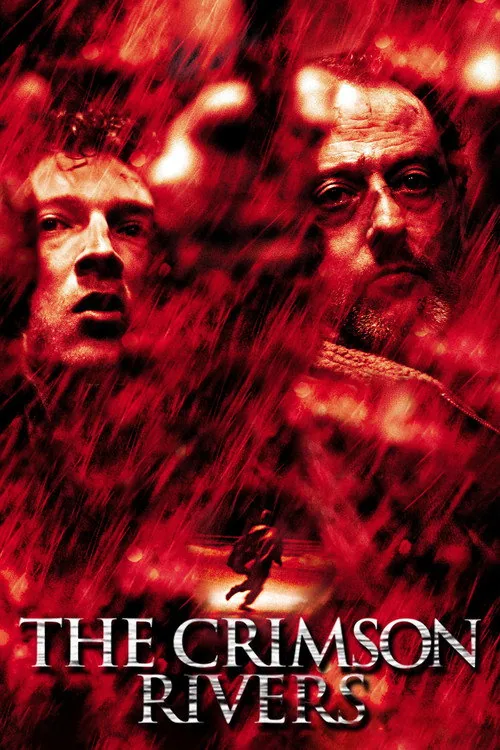
What changes Once Upon a Time in Anatolia: long nocturnal search, conversation-led pauses and open-ended aftermath. The Crimson Rivers: parallel investigations converge and fast procedural escalation.
In the French Alps, a grisly murder at a remote university brings experienced investigator Pierre Niemans to a community sealed off by mountains and tradition. At the same time, a younger detective, Max Kerkerian, investigates the desecration of a child’s grave in a nearby town. The apparently separate cases begin to share clues, leading the men toward a disturbing history hidden within the region’s institutions. Mathieu Kassovitz’s French thriller pairs a procedural investigation with wintry atmosphere, physical danger, and a tightly controlled sense of conspiracy.
Based on recorded story, mood and style. Your preferences can change the order.
Investigation
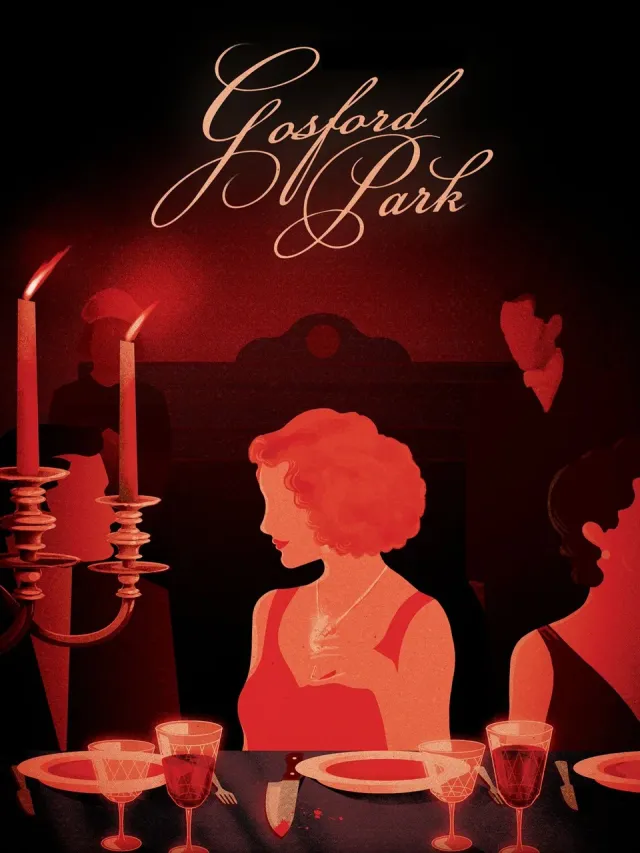
What changes Once Upon a Time in Anatolia: long nocturnal search, conversation-led pauses and open-ended aftermath. Gosford Park: measured and episodic.
Guests and servants gather at an English country estate where a shooting weekend concentrates private debts, dependencies and resentments. A murder appears to offer a conventional mystery, but the people maintaining the household often understand more than the authorities who arrive to solve it. Movement between social levels reveals how service depends on anticipating needs while suppressing one's own history. The ensemble drama makes the explanation of a death part of a wider account of exploitation, with emotional recognition emerging outside the official investigation.
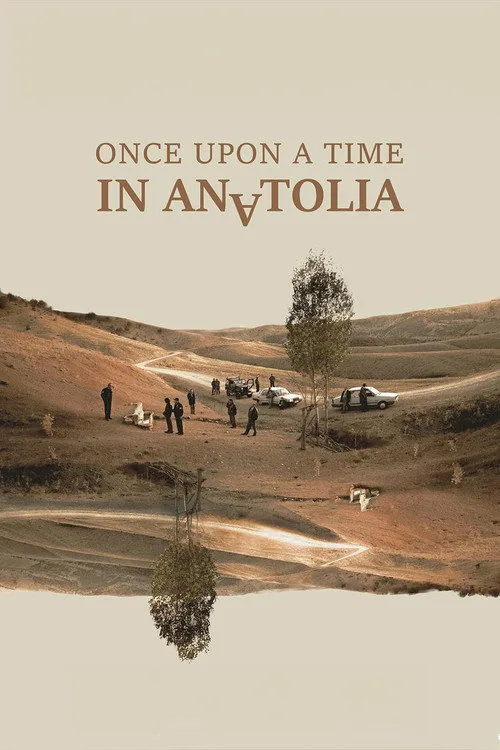
A group of police officers, prosecutors, a doctor, and a murder suspect drive across the Anatolian steppe at night in search of a buried body. Kenan, the accused man, remembers the burial imperfectly after drinking, while the repeated hills and darkness make the search difficult. Conversations during the stops reveal private histories and tensions among the officials, and the investigation continues into morning. Nuri Bilge Ceylan's drama shifts attention from solving the case to the routines, frustrations, and moral ambiguities surrounding those responsible for it.
What drives the story
The search party follows a suspect's uncertain directions through the night until the landscape finally gives up its evidence.
The people at its centre
The prosecutor, doctor, police, and suspect reveal different forms of authority and vulnerability during shared waiting.
What it feels like
A slow, atmospheric procedural allows pauses, casual conversation, and landscape to carry as much weight as clues.
Worth knowing
The film is less a puzzle-solving thriller than an observation of officials and ordinary lives surrounding a death.
truth and memorybureaucracy and routinemortality and moral ambiguity
Mood
patient · observational · melancholy
Pacing
long nocturnal search · conversation-led pauses · open-ended aftermath
Visual style
wide Anatolian landscapes · dark car interiors · naturalistic dawn imagery
Storytelling
officials search remote steppe for body · suspect's memory is unreliable · night journey reveals private concerns