Explore films connected to The Body through Truth and deception, Marriage and suspicion, Justice and retribution. Choose the qualities you want to carry into your next watch.
What should feel similar?
Find your next favourite
9 films · Closest overall matches
Hide films you’ve seen or don’t want. Saved on this device.
No matches for this combination yet.
Try another option or reset your choices to see more films.
Based on recorded story, mood and style. Your preferences can change the order.
Investigation · Memory and identity
What changes The Body: clue-driven, interrogation-centered and late revelations. Tell No One: rapid thriller turns, interlocking clues and high-pressure chase.
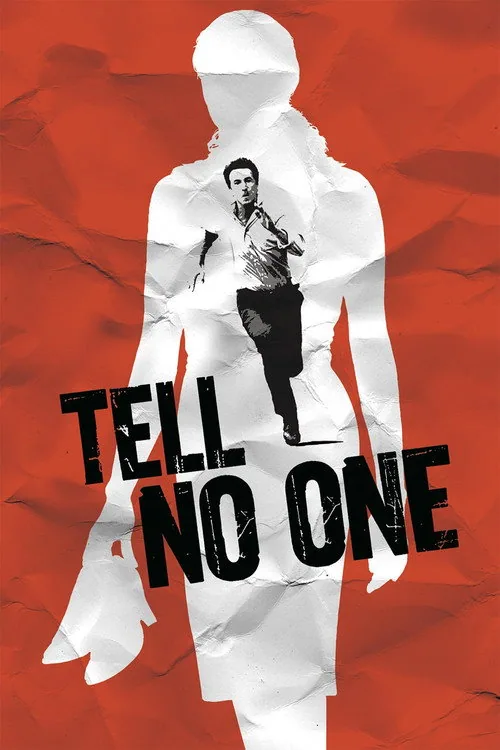
Eight years after his wife Margot was believed murdered, pediatrician Alexandre Beck receives an email showing a woman who appears to be her, while two bodies are found near the lake where she died. Police begin to suspect Alex, criminals threaten people around him, and he flees to uncover what happened. The French thriller layers a personal search with a tightening criminal conspiracy, using a husband’s grief and unreliable evidence to keep each new revelation in question.
Based on recorded story, mood and style. Your preferences can change the order.
Investigation · Memory and identity
What changes The Body: clue-driven, interrogation-centered and late revelations. Inferno: fast and escalating.
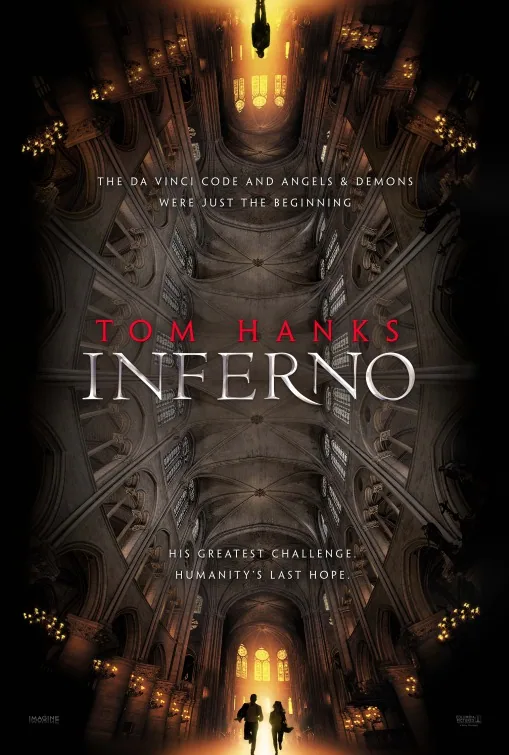
A scholar wakes in Florence without a reliable account of how he arrived or why someone is trying to kill him. Help from a doctor allows him to follow images and literary clues tied to a dead extremist's biological threat, but gaps in memory make apparent allies difficult to assess. The itinerary transforms cultural interpretation into a race to locate a release point. The thriller depends on recovering the circumstances that produced the chase while distinguishing the criminal's population argument from the harm he intends to inflict.
Based on recorded story, mood and style. Your preferences can change the order.
Investigation
Expect suspenseful and claustrophobic, with procedural and escalating threat pacing.
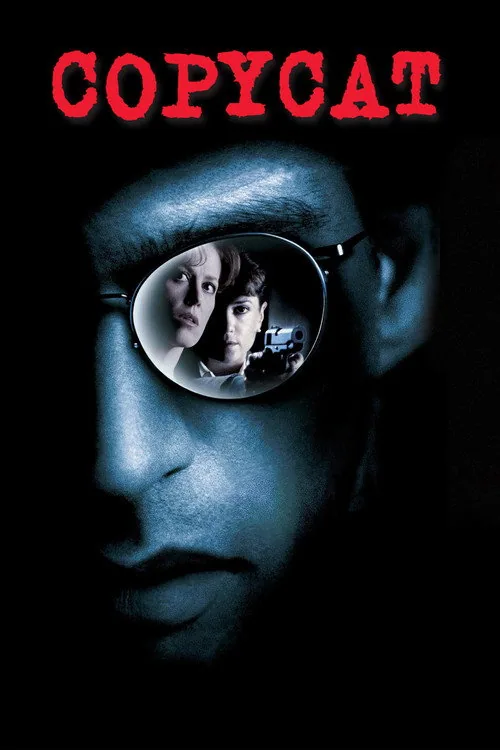
Criminal psychologist Helen Hudson becomes agoraphobic after an attack by a serial killer she once studied. When a new series of murders in San Francisco appears to imitate notorious killers, detectives M. J. Monahan and Ruben Goetz seek Helen’s expertise. She analyzes the patterns from her apartment while the perpetrator tries to draw her into the investigation. Jon Amiel’s thriller pairs a remote specialist with active investigators, making the murderer’s copycat method and Helen’s recovery central to the case.
Based on recorded story, mood and style. Your preferences can change the order.
Memory and identity
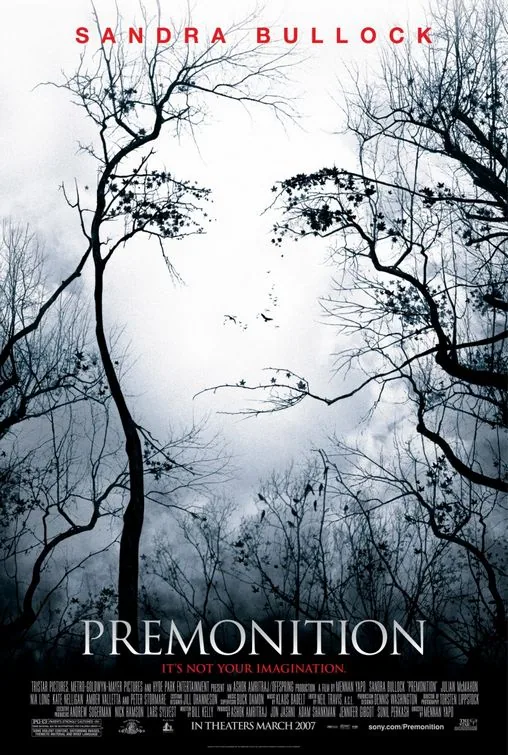
What changes The Body: clue-driven, interrogation-centered and late revelations. Premonition: nonlinear and escalating.
A woman’s sense of time fractures after she is told that her husband has died, then wakes to find him alive and experiences the days around the event out of sequence. She tries to understand the pattern and prevent a loss that seems both certain and changeable. The thriller ties a temporal puzzle to marital strain and family responsibility, asking how foreknowledge affects the choices people make under emotional pressure.
Based on recorded story, mood and style. Your preferences can change the order.
Investigation
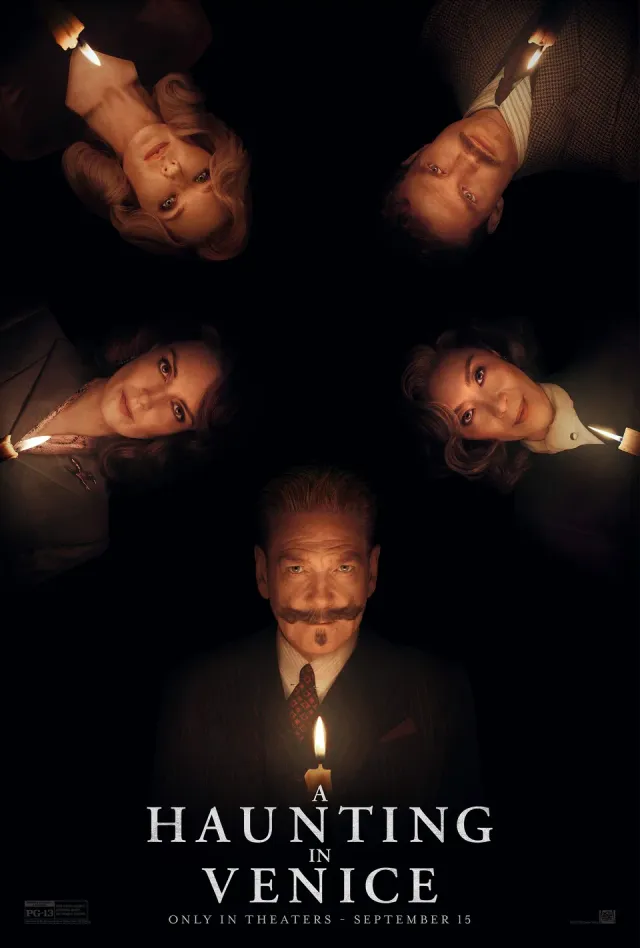
What changes The Body: clue-driven, interrogation-centered and late revelations. A Haunting in Venice: measured and reveal-led.
Retired Hercule Poirot reluctantly attends a Halloween séance at a palazzo in postwar Venice, where a former opera singer asks him to assess the medium. When a guest is murdered, Poirot investigates a closed circle of performers, staff and visitors. The decaying house and the possibility of a haunting unsettle his confidence in rational explanation, while his method still depends on listening carefully to accounts and motives.
Based on recorded story, mood and style. Your preferences can change the order.
Memory and identity
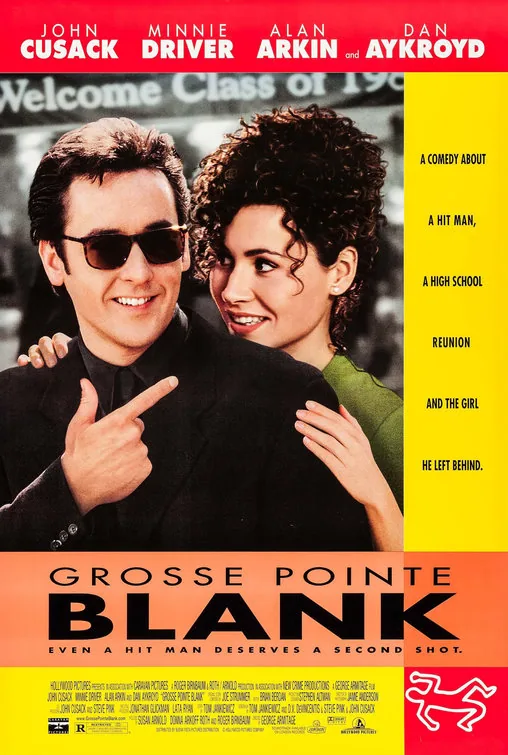
What changes The Body: clue-driven, interrogation-centered and late revelations. Grosse Pointe Blank: a hometown visit collides with professional obligations.
Professional assassin Martin Blank returns to his Michigan hometown for a high-school reunion and takes a nearby contract. Revisiting old relationships, especially with his former girlfriend Debi, forces him to consider whether he can leave his work behind, while a rival killer and federal pressure complicate the visit. The black comedy blends deadpan violence with a recognizable story of returning to one's past.
Based on recorded story, mood and style. Your preferences can change the order.
Investigation
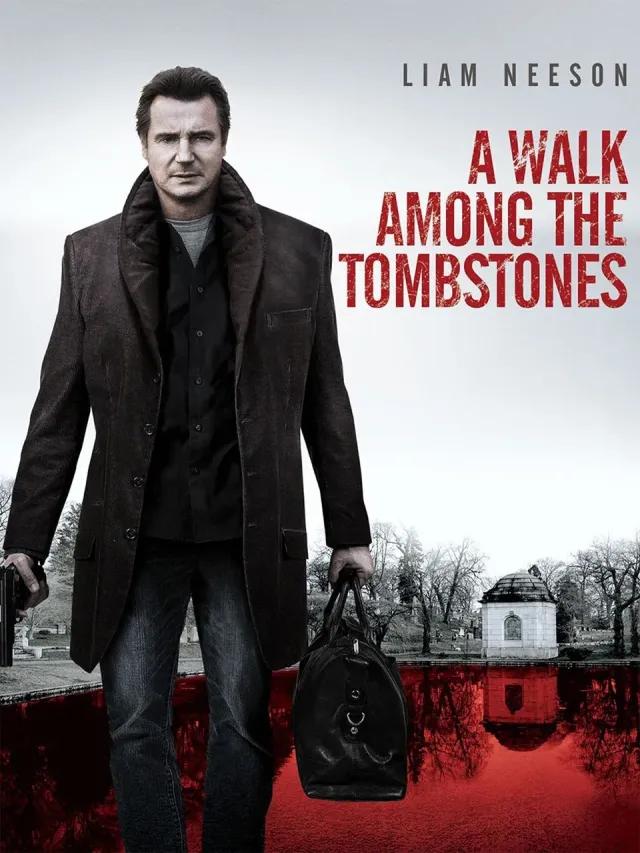
What changes The Body: clue-driven, interrogation-centered and late revelations. A Walk Among the Tombstones: patient evidence gathering interrupted by sudden danger.
A former New York police officer working as an unlicensed private investigator is hired to find the people responsible for kidnapping and killing a drug trafficker’s wife. The case draws him into a violent world where victims and criminals overlap, while his own recovery from past damage complicates the hunt. The crime thriller is bleak and deliberate, centered on investigation rather than flashy heroics.
Based on recorded story, mood and style. Your preferences can change the order.
Investigation · Memory and identity
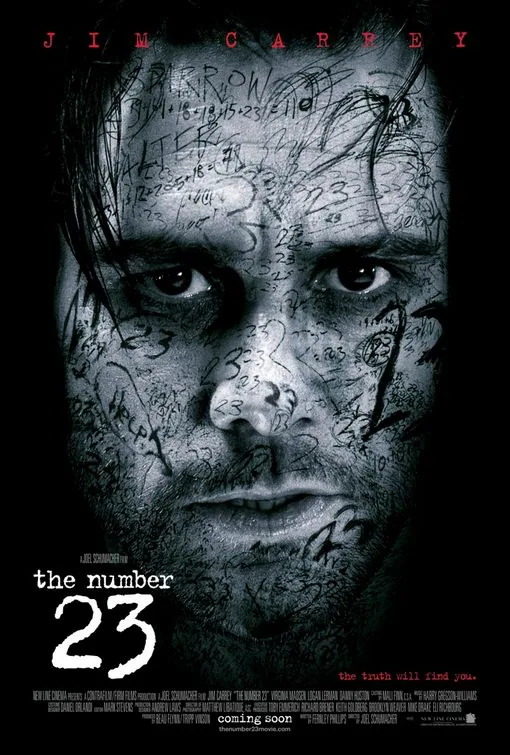
What changes The Body: clue-driven, interrogation-centered and late revelations. The Number 23: escalating and unreliable.
A man receives a novel whose disturbing murder story seems to echo details of his life. As he becomes absorbed by its central number, ordinary coincidences feel like clues and his family watches his behavior change. This psychological thriller follows the narrowing gap between interpretation and obsession, making the search for meaning itself a source of dread.
Based on recorded story, mood and style. Your preferences can change the order.
Investigation · Memory and identity
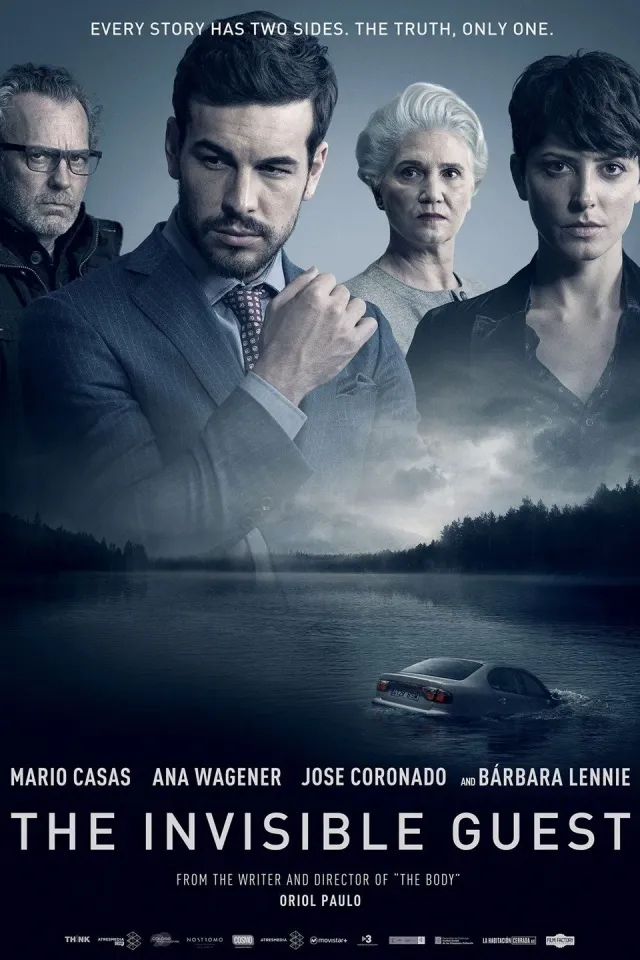
What changes The Body: clue-driven, interrogation-centered and late revelations. The Invisible Guest: a confined preparation session unfolds through competing flashbacks.
Businessman Adrián Doria is accused of murdering his lover and hires renowned attorney Virginia Goodman to prepare a defense before a key witness testifies. Over one tense meeting, they reconstruct competing versions of the crime and test what each account leaves out. The Spanish mystery thriller treats storytelling as a legal weapon, asking how much of a narrative can be trusted when every character has reason to conceal something.
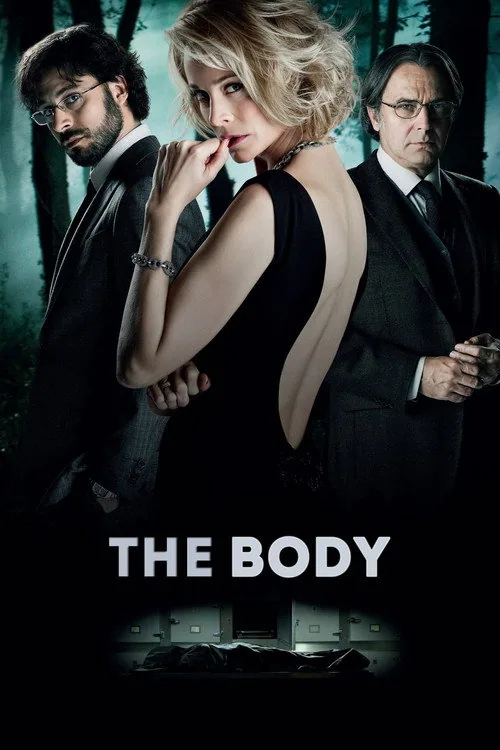
The body of a wealthy woman disappears from a morgue on the same night that a security guard is killed. Inspector Jaime Peña questions the widower, Álex Ulloa, and reconstructs the dead woman’s final hours while new clues unsettle the apparent explanation for her death. Oriol Paulo’s Spanish thriller compresses its mystery into a stormy overnight investigation, using shifting testimony and an increasingly uncertain timeline to build toward a psychological reveal.
What drives the story
Peña follows evidence from a vanished body while testing the widower’s account and confronting unexplained events at the morgue.
The people at its centre
The detective and Álex trade questions and suspicions, while the absent woman’s past shapes how each man interprets the clues.
What it feels like
The thriller is designed around interrogation, misdirection, and a closed-in nighttime atmosphere rather than extended action.
Worth knowing
Its mystery depends on a missing corpse and a marriage under scrutiny, distinguishing it from a standard murder-procedural investigation.
Truth and deceptionMarriage and suspicionJustice and retribution
Mood
Uneasy · Twisty · Claustrophobic
Pacing
Clue-driven · Interrogation-centered · Late revelations
Visual style
Cold institutional interiors · Rain-soaked night · Controlled suspense framing
Storytelling
Missing corpse from morgue · Widower and detective under scrutiny · Single-night mystery