A suspicious death creates an inquiry whose changing explanations expose the interests behind apparently affectionate family testimony.
Why this matches +
These offer a related experience with a meaningful difference in story, tone, or presentation.
An adjacent discovery: a related idea with a different viewing experience.
Genres: Mystery / Comedy
Shared film traits
Based on recorded story, mood and style. Your preferences can change the order.
Investigation
What changes A detective questions a closed circle of privileged people whose relationships and motives obscure a murder; a modern country-house mystery.
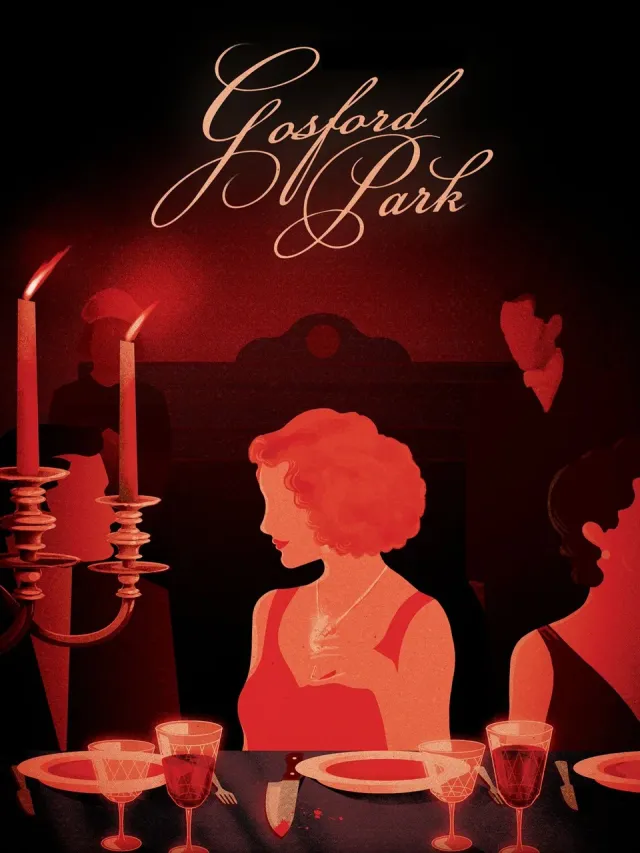
A private detective investigates a novelist's suspicious death at a country house, testing the clashing accounts of wealthy relatives gathered for a birthday celebration. Their competing stories turn small clues and apparently affectionate gestures into a carefully staged whodunit. A nurse's vulnerable position complicates the investigation as an inheritance dispute reveals the class assumptions, financial dependence and private deceptions beneath the family's claim to deserve the dead man's loyalty.
A country-house murder exposes overlapping dependencies, while observation below stairs reveals motives and histories that the formal inquiry overlooks.
Why this matches +
These offer a related experience with a meaningful difference in story, tone, or presentation.
An adjacent discovery: a related idea with a different viewing experience.
Genres: Drama / Mystery
Shared film traits
Based on recorded story, mood and style. Your preferences can change the order.
Investigation
What changes A death among guests and staff at a grand house prompts an ensemble investigation into class, secrets and competing accounts; an English estate.
Guests and servants gather at an English country estate where a shooting weekend concentrates private debts, dependencies and resentments. A murder appears to offer a conventional mystery, but the people maintaining the household often understand more than the authorities who arrive to solve it. Movement between social levels reveals how service depends on anticipating needs while suppressing one's own history. The ensemble drama makes the explanation of a death part of a wider account of exploitation, with emotional recognition emerging outside the official investigation.
A cadet’s death draws Landor into a hidden pattern of violence and brings Poe into the inquiry.
Why this matches +
These offer a related experience with a meaningful difference in story, tone, or presentation.
An adjacent discovery: a related idea with a different viewing experience.
Genres: Mystery / Crime
Shared film traits
Based on recorded story, mood and style. Your preferences can change the order.
Investigation
What changes A detective investigates mysterious deaths in a gloomy historical institution where ritual and the possibility of the supernatural unsettle witnesses; a military academy.
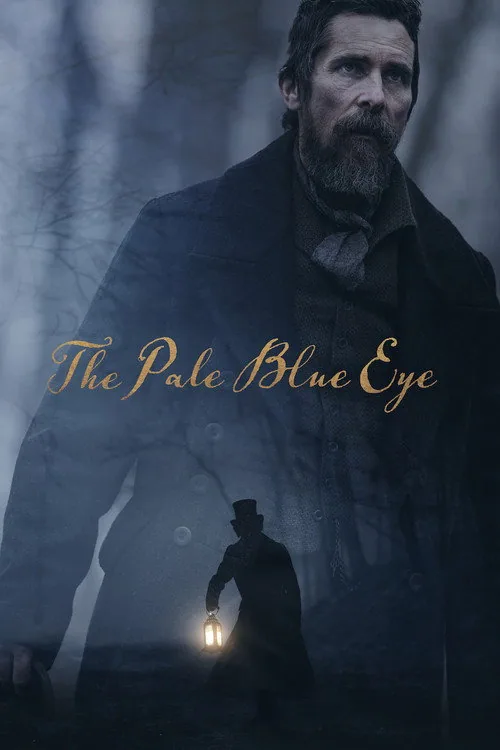
In 1830, veteran detective Augustus Landor is asked to investigate a cadet’s apparent suicide at West Point. He recruits young cadet Edgar Allan Poe, whose curiosity and literary imagination help him question the academy’s guarded community as further murders complicate the case. The gothic mystery moves through military routines, winter landscapes, and medical clues, pairing a procedural investigation with the secretive atmosphere of an institution where almost everyone has a reason to protect something.
Twain's promised murder challenge turns a gathering of rival sleuths into an increasingly dangerous puzzle about who is manipulating whom.
Why this matches +
These offer a related experience with a meaningful difference in story, tone, or presentation.
An adjacent discovery: a related idea with a different viewing experience.
Genres: Comedy / Mystery
Shared film traits
Based on recorded story, mood and style. Your preferences can change the order.
Investigation
What changes Detectives and guests gather in an isolated mansion where a murder creates competing theories and comic suspicion; a broad genre parody.
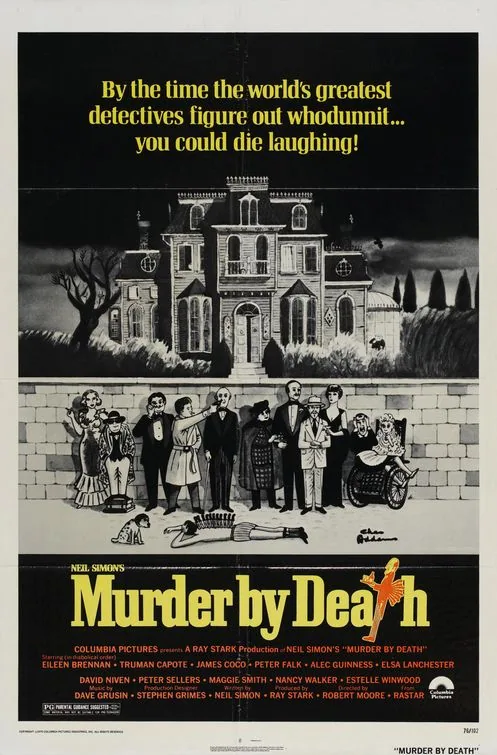
A collection of famous fictional detectives and their companions accept a weekend invitation to an isolated mansion from Lionel Twain. He announces that a murder will occur at midnight and promises a large reward to whoever solves it. As the house locks down, corpses, traps and contradictory clues turn the contest into a parody of classic sleuths and their methods. The guests must decide whether the puzzle is real, staged or another performance by their host.
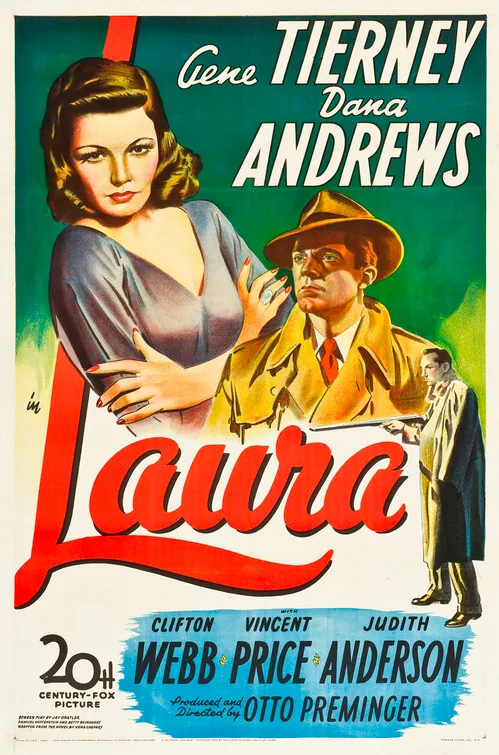
The murder inquiry is filtered through testimony and Lydecker’s retrospective narration, so each clue also reveals who wants control over Laura’s story. Her return transforms the case and exposes the limits of the portrait as evidence.
Why this matches +
These offer a related experience with a meaningful difference in story, tone, or presentation.
An adjacent discovery: a related idea with a different viewing experience.
Genres: Mystery / Film Noir
Shared film traits
Based on recorded story, mood and style. Your preferences can change the order.
Investigation
What changes An investigator becomes absorbed in a murder case involving misleading appearances, romantic attachment and accounts from a closed social circle; a classic noir.
New York detective Mark McPherson investigates the murder of advertising executive Laura Hunt through the people who knew her and the portrait that dominates her apartment. Journalist Waldo Lydecker’s polished narration turns his relationship with Laura into a claim of authorship, while fiancé Shelby Carpenter and aunt Ann offer self-interested versions of her life. When Laura returns, the investigation changes from reconstructing an absent woman to confronting the living person whose image everyone has tried to possess. The noir’s famous portrait and shifting point of view make idealization part of the suspense. Laura’s agency after her return matters as much as the men’s fascination; she cannot be reduced to the beautiful picture that first organizes the story.
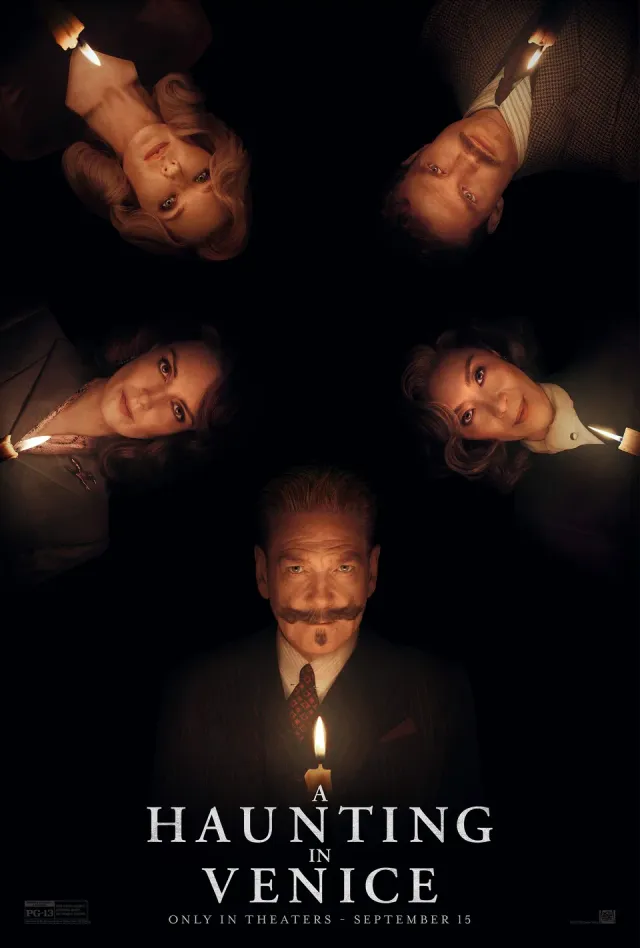
Retired Hercule Poirot reluctantly attends a Halloween séance at a palazzo in postwar Venice, where a former opera singer asks him to assess the medium. When a guest is murdered, Poirot investigates a closed circle of performers, staff and visitors. The decaying house and the possibility of a haunting unsettle his confidence in rational explanation, while his method still depends on listening carefully to accounts and motives.
What drives the story
Poirot investigates a murder during a séance held in a decaying Venetian palazzo.
The people at its centre
The detective's commitment to reason is unsettled by grief and the possibility that the witnesses believe what they say.
What it feels like
A confined mystery blends supernatural suggestion with gradual questioning and carefully staged revelations.
Worth knowing
It adapts a Poirot case into a haunted-house puzzle where mood is part of the evidence.