A family illness draws Bobby back to the class world he rejected, exposing how his refusal of fixed identity also permits repeated escape from intimate responsibility. Bobby’s return does not repair the way he has treated Rayette during his attempted escape.
Why this matches +
Related viewing experiences with the specific differences recorded for each pair.
An adjacent discovery: a related idea with a different viewing experience.
Genres: Drama
Shared film traits
Based on recorded story, mood and style. Your preferences can change the order.
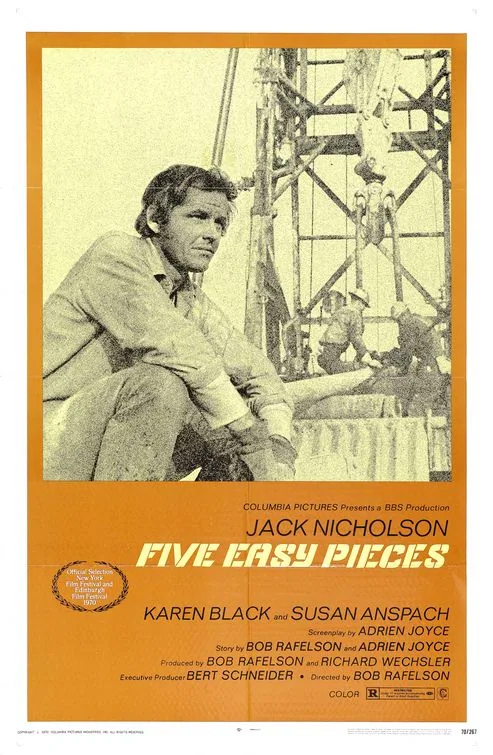
What changes Emotional restlessness and class discomfort reveal a man unable to settle into the life available to him; an adult’s wandering family confrontation replaces a town-wide adolescent ensemble.
Oil-rig worker Bobby Dupea returns with his waitress girlfriend Rayette to the affluent musical family he left behind after learning that his father is gravely ill. His anger at class privilege coexists with the authority he exercises over Rayette, whose needs he repeatedly treats as interruptions to his self-invention. At home he cannot obtain the recognition he wants from his father, and a new attraction offers another route to leave rather than a stable answer to who he is. The film’s pauses and awkward exchanges make his mobility visible as an uneven privilege: he can reject worlds and people in ways Rayette cannot easily mirror.
Joe watches his parents’ marriage shift after Jerry leaves for fire work and Jean forms a new connection in town.
Why this matches +
Related viewing experiences with the specific differences recorded for each pair.
An adjacent discovery: a related idea with a different viewing experience.
Genres: Drama
Shared film traits
Based on recorded story, mood and style. Your preferences can change the order.
Coming of age
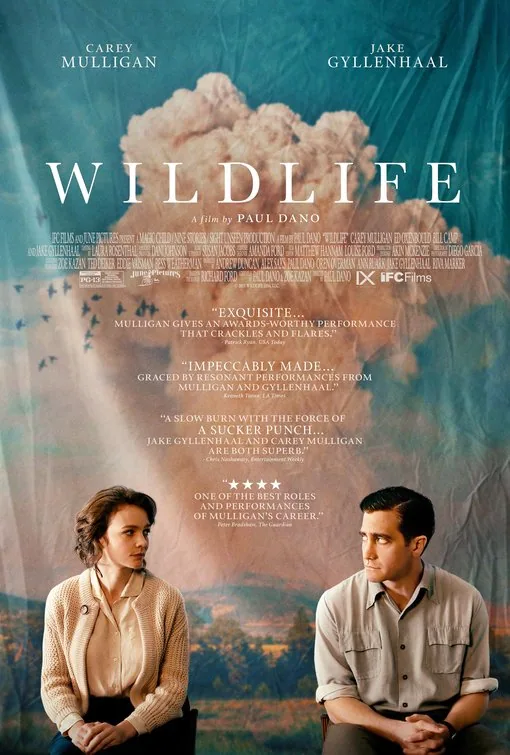
What changes A young observer in a mid-century American town sees adult desire unravel the promise of stable family life; one household and a child’s viewpoint replace the interlocking teenage relationships.
Set in 1960 Montana, Wildlife follows teenage Joe Brinson after his father Jerry loses his job and leaves home to join crews fighting a distant forest fire. Joe remains with his mother Jean in Great Falls, where financial strain and her new connection with a local businessman alter the family’s balance. Observing adults conceal and expose their needs, Joe tries to understand the marriage he grew up with and find his place as the household changes.
One bounded night lets diverging encounters test whether leaving home or preserving local status will define the characters' next stage of life.
Why this matches +
Related viewing experiences with the specific differences recorded for each pair.
An adjacent discovery: a related idea with a different viewing experience.
Genres: Comedy / Drama
Shared film traits
Based on recorded story, mood and style. Your preferences can change the order.
Coming of age
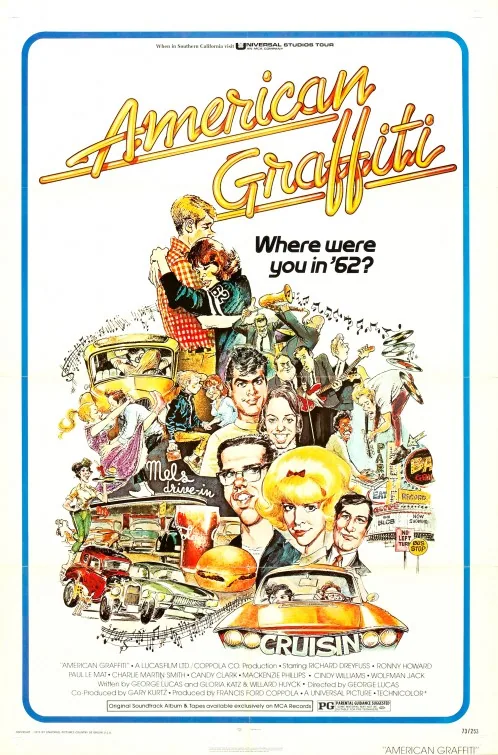
What changes An ensemble of young people weighs departure, romance and hometown routine at a threshold of adulthood; a buoyant one-night nostalgia piece replaces the source’s prolonged sexual disillusionment and decline.
On a final summer night before some of them leave for college, young people cruise a California town seeking romance, status, and a way to postpone decisions about adulthood. Encounters branch across cars, a dance, and local gathering places while radio music links their separate routes. The night offers temporary possibilities, but its pleasures are shaped by the knowledge that familiar identities and friendships may not survive departure unchanged.
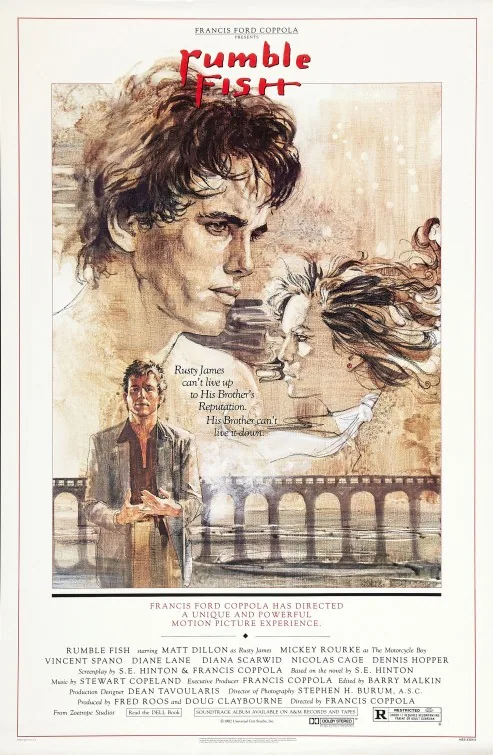
Rusty’s desire to inherit his brother’s legend conflicts with the older man’s effort to end the gang cycle.
Why this matches +
Related viewing experiences with the specific differences recorded for each pair.
An adjacent discovery: a related idea with a different viewing experience.
Genres: Drama / Crime
Shared film traits
Based on recorded story, mood and style. Your preferences can change the order.
Coming of age
What changes Stylized black-and-white images frame young men’s frustration in a fading local world; gang rivalry and mythic brotherhood replace the source’s observational small-town realism.
In Tulsa, Rusty James tries to live up to the reputation of his older brother, the Motorcycle Boy, who once kept rival gangs at peace. The brother’s return interrupts a fight and draws Rusty back into a family marked by poverty, drinking and a mother who has long been absent. Rusty’s attempts to imitate gang life strain his friendships and relationship with Patty, while his brother urges him to leave the gangs behind. The two spend time with their awkward friend Steve and their alcoholic father, who sees the brothers as unusually perceptive rather than mad. A visit to a pet shop brings the brothers to fighting fish that become part of the Motorcycle Boy’s final attempt to set something free.
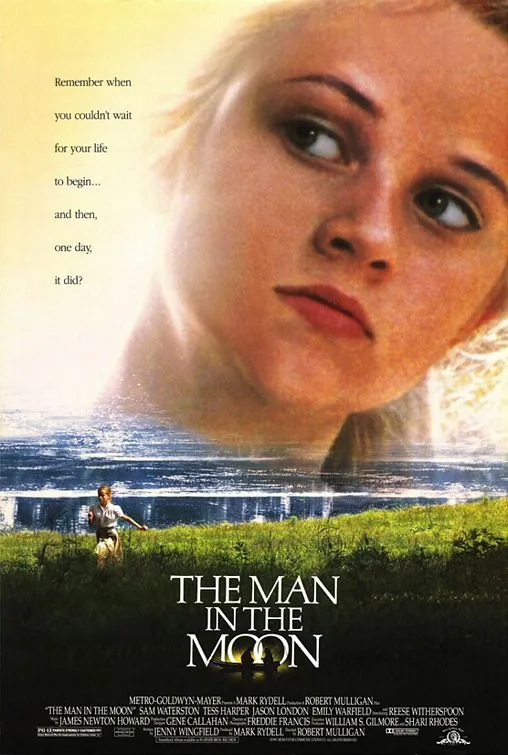
Dani’s crush on Court gives her a new emotional world, while the summer’s family responsibilities continue around her.
Why this matches +
Related viewing experiences with the specific differences recorded for each pair.
An adjacent discovery: a related idea with a different viewing experience.
Genres: Drama / Romance
Shared film traits
Based on recorded story, mood and style. Your preferences can change the order.
Coming of age
What changes Young love and sudden loss alter the meaning of an ordinary rural upbringing; a girl’s family-centered coming of age is gentler and less sexually bleak.
During a Louisiana summer in 1957, fourteen-year-old Dani Trant is close to her older sister Maureen and resents the chores and expectations that come with being the younger child. She meets seventeen-year-old neighbor Court Foster at a creek, initially bristles at him, then develops a crush as they spend time together. Dani’s feelings unfold alongside Maureen’s own relationship and the changing rhythms of their family, where both sisters are learning about affection and independence. A sudden tragedy changes the household and turns Dani’s summer of first love into a painful passage toward adulthood.
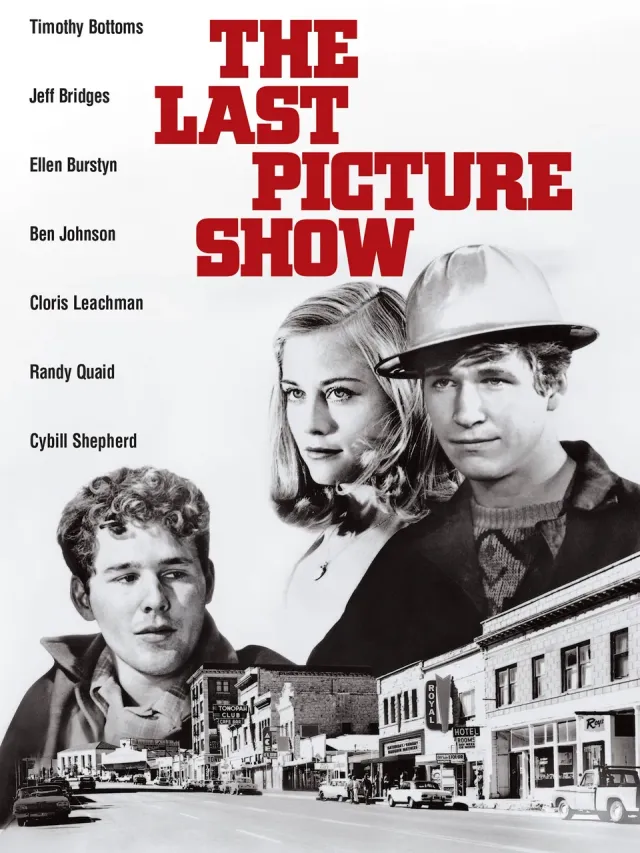
In the oil town of Anarene, high-school friends Sonny Crawford and Duane Jackson drift through their final year as the places that structure the town begin to close. Both become involved with Jacy Farrow, whose wealth and ambitions offer a path away from local routine. Sonny’s relationship with Ruth, the adult wife of his high-school coach, creates an uneasy attachment shaped by age and power. Billy, a disabled teenager, is treated as a town fixture and later becomes the target of a cruel sexual initiation arranged by his friends. Sam the Lion’s pool hall and movie theater are among the few places where young people gather; his death makes the town feel smaller still. The story follows desire, boredom and loss without promising that growing up will deliver a clear escape.
What drives the story
The closing of familiar gathering places and Sam’s death remove the few shared rituals that gave the young people a sense of community.
The people at its centre
Sonny and Duane want different versions of escape but remain tied by their friendship and attraction to Jacy. Sonny’s sexual relationship with Ruth, the adult wife of his high-school coach, carries a clear age and power imbalance; Billy, a disabled teenager, is treated as a vulnerable fixture in the town rather than given an equivalent point of view.
What it feels like
A spare black-and-white drama uses quiet streets, pauses and a country soundtrack to make time feel stagnant. Its detached style also covers unequal adult-minor intimacy and a cruel scene in which Billy’s friends arrange a sexual encounter for him.
Worth knowing
A fit for unsentimental coming-of-age dramas and portraits of small-town decline. It portrays an adult-minor relationship and the sexual exploitation of a disabled teenager; its restrained style should not soften those unequal dynamics.
AgingDesireAge and power
Mood
Bleak · Quiet · Nostalgic
Pacing
Episodic year · Loss accumulates
Visual style
Black-and-white realism · Sparse compositions
Storytelling
Small-town coming of age · Adult-minor relationship · Disability exploitation · Community decline