Based on recorded story, mood and style. Your preferences can change the order.
Survival · Escape and pursuit
What changes The Outwaters: slow-building, fragmented, disorienting and intensifying. The Deep House: the couple pursue a promising location, descend to the submerged house, discover evidence of its history and and struggle to escape as the environment turns hostile.
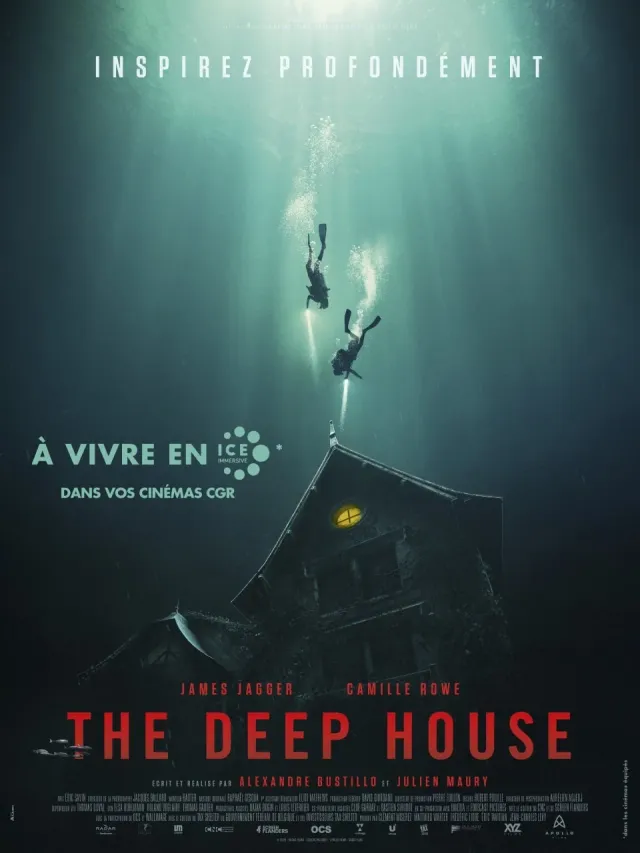
Young travel video creators Ben and Tina head to a remote French lake after learning that a deserted village and its buildings lie beneath the water. They find a preserved house at the bottom and take their cameras inside, hoping for a striking exploration video. Once the couple becomes trapped underwater with signs of the house’s past around them, their planned excursion turns into a claustrophobic supernatural ordeal.
Based on recorded story, mood and style. Your preferences can change the order.
Survival · Escape and pursuit
What changes The Outwaters: slow-building, fragmented, disorienting and intensifying. The Hills Have Eyes: relentless and escalating.
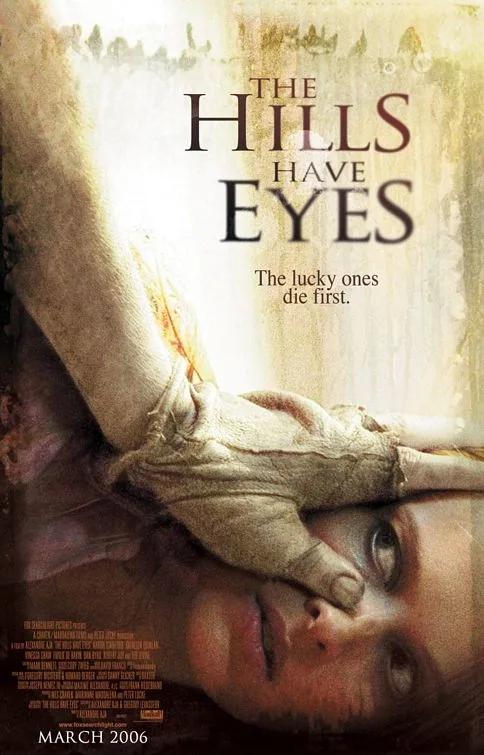
A family traveling through the desert becomes stranded after taking a route that leaves them far from help. They discover they are being watched and hunted by violent inhabitants of the surrounding hills. This horror remake turns a family road trip into siege and survival, using harsh terrain and bodily danger to strip away ordinary security.
Based on recorded story, mood and style. Your preferences can change the order.
Survival · Escape and pursuit
What changes The Outwaters: slow-building, fragmented, disorienting and intensifying. Southbound: episodic, uneven and cumulatively tense.
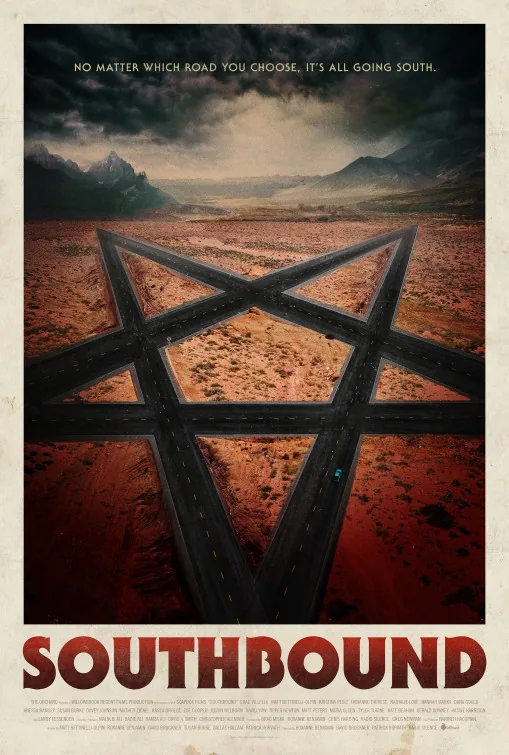
On a lonely stretch of desert highway, travelers encounter a series of unsettling roadside events that connect across five stories. Two men flee a persistent presence, a group of musicians face a stranger in need, a driver tries to save an injured woman, and others become caught in increasingly strange situations. The anthology uses repeated locations and recurring figures to suggest that the highway has its own rules, and that escape may not mean leaving the road behind.
Based on recorded story, mood and style. Your preferences can change the order.
Survival
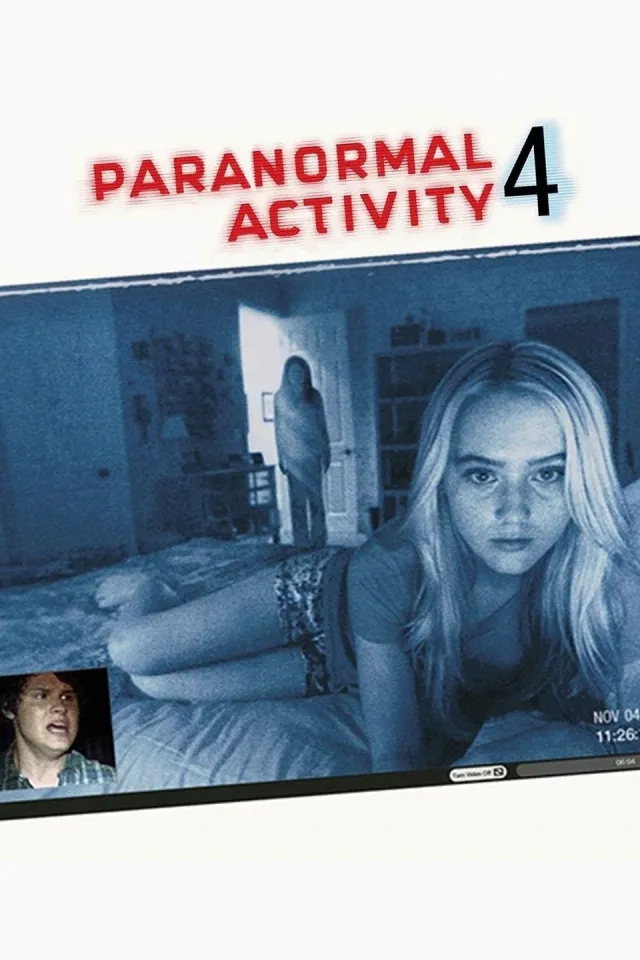
What changes The Outwaters: slow-building, fragmented, disorienting and intensifying. Paranormal Activity 4: slow-burn escalation.
In a quiet suburban neighborhood, teenager Alex begins recording odd events after a mysterious young boy named Robbie spends time with her family. Cameras and laptop footage reveal disturbances that the adults around her do not understand, while the earlier disappearance of Katie and Hunter connects the household to a wider supernatural threat. The fourth installment keeps the found-footage format and makes watching screens part of the characters’ growing fear.
Based on recorded story, mood and style. Your preferences can change the order.
Survival
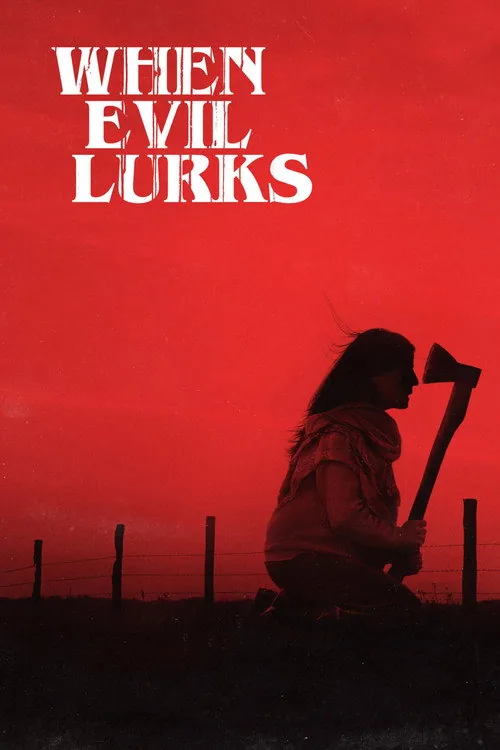
What changes The Outwaters: slow-building, fragmented, disorienting and intensifying. When Evil Lurks: cumulative escalation, sudden shocks and survival-driven decisions.
Brothers Pedro and Jaime discover that a demonically possessed man is nearing a dangerous transformation in their rural Argentine community. The rules for handling the afflicted are confusing, authorities offer little help, and a hasty attempt to move the threat only spreads the danger. As possession reaches people and animals around them, the brothers struggle to protect their families while confronting the cost of fear and denial. Demián Rugna's supernatural horror is stark and unpredictable, turning a community's failed containment into a relentless survival nightmare.
Based on recorded story, mood and style. Your preferences can change the order.
Survival
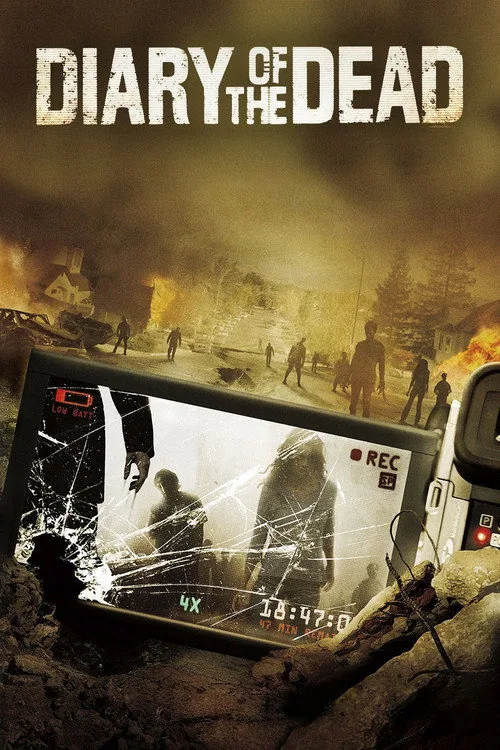
What changes The Outwaters: slow-building, fragmented, disorienting and intensifying. Diary of the Dead: outbreak interrupts a student film shoot, road encounters reveal widening collapse and group fractures as filming and survival collide.
While a group of film students shoots a low-budget horror movie in the woods, reports emerge of the dead returning to life. Student filmmaker Jason insists on recording the collapse, turning the group's escape into an evolving documentary edited with news clips and online footage. His girlfriend Debra and the others encounter frightened survivors, armed authorities, and abandoned communities, while the camera becomes both a tool for witnessing events and a source of conflict about what deserves to be filmed.
Based on recorded story, mood and style. Your preferences can change the order.
Survival · Escape and pursuit
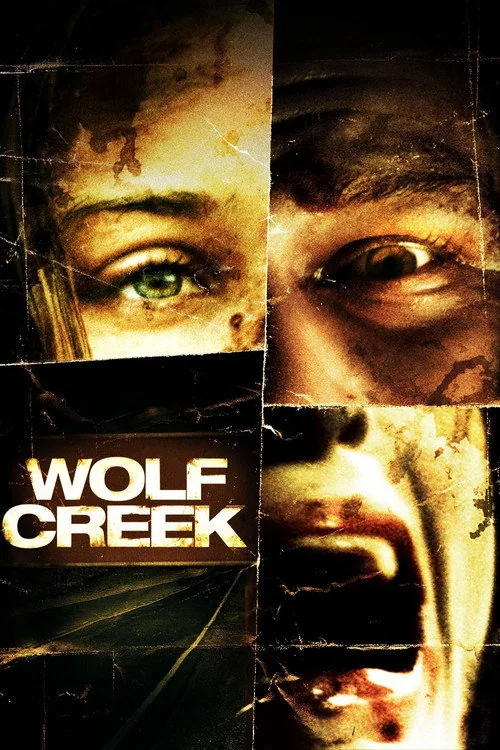
What changes The Outwaters: slow-building, fragmented, disorienting and intensifying. Wolf Creek: slow unease into violence, cat-and-mouse pursuit and harsh escalation.
Three young travelers—two British women and their Australian companion—are stranded after their car fails near a remote crater in the Australian outback. A local man, Mick Taylor, offers to help and takes them to an isolated mining site, where his friendliness gives way to captivity and a brutal hunt. The survivors try to escape across an immense, unforgiving landscape while the film shifts between their ordeal and the search for help. Inspired by several real crimes but fictionalized, this Australian horror film is known for severe violence and sustained menace.
Based on recorded story, mood and style. Your preferences can change the order.
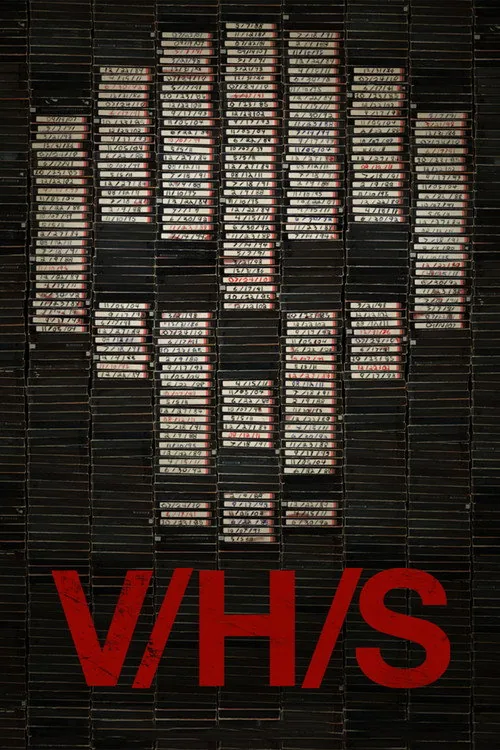
What changes The Outwaters: slow-building, fragmented, disorienting and intensifying. V/H/S: short-story anthology, uneven bursts of escalation and frame narrative between segments.
A group of petty criminals are hired to retrieve a specific videotape from a remote house, where they discover a dead body and a stack of unlabeled recordings. As they watch the tapes, a series of short horror stories unfolds through different forms of found footage, including encounters with strange visitors and violent supernatural events. The anthology’s framing narrative and segments were made by several independent filmmakers, creating a deliberately rough collection that uses camcorder images and videotape artifacts to evoke amateur recordings.
Based on recorded story, mood and style. Your preferences can change the order.
Survival
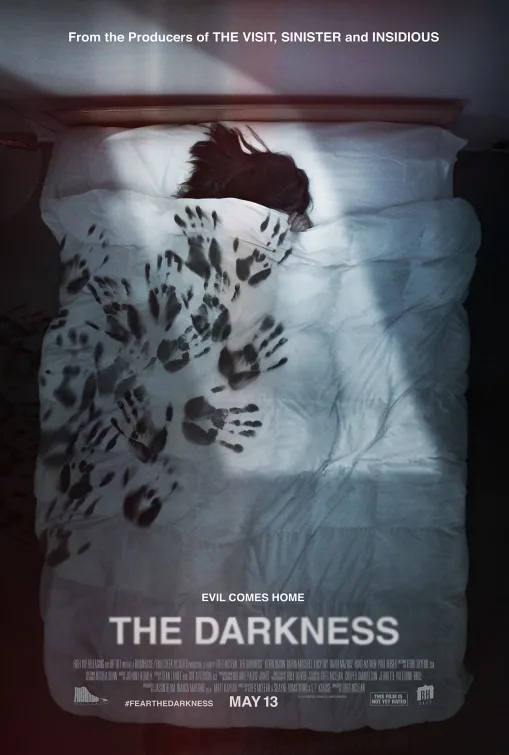
What changes The Outwaters: slow-building, fragmented, disorienting and intensifying. The Darkness: gradual build, intercut family conflicts and escalating supernatural events.
During a family trip to the Grand Canyon, young Michael Taylor brings home a set of ancient stones he finds in a cave. Strange events follow the family to their Arizona house, where each member responds to the growing supernatural disturbance in a different way. Father Peter and mother Bronny try to keep the household together as the presence intensifies around Michael and his older sister Stephanie. Greg McLean’s horror film makes the family’s home and the objects taken from the canyon part of the same threat.
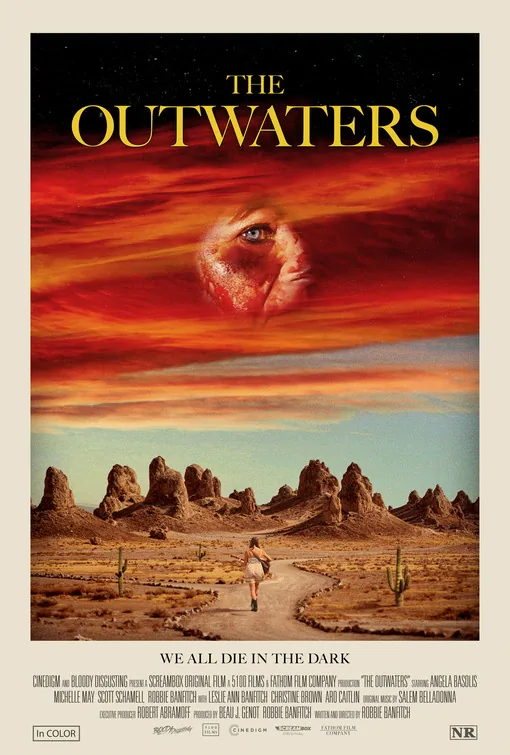
Filmmaker Robbie travels into the Mojave Desert with his brother Scott and friends Angela and Michelle to shoot a music video. Footage recovered from memory cards first frames the trip as a disappearance case, then records earthquakes, strange lights and increasingly impossible events that fracture the group’s sense of time and safety. Robbie Banfitch’s experimental found-footage horror uses rough image and sound to make the desert itself feel hostile and unknowable.
What drives the story
Recovered footage tracks a music-video trip as the group’s desert journey is overtaken by unexplained disturbances and disappearance.
The people at its centre
Robbie’s role as the one recording events becomes increasingly fragile as his camera cannot explain or control what happens.
What it feels like
The film’s abrasive found-footage form makes viewers share the characters’ limited evidence and growing confusion.
Worth knowing
An experimental, intense horror film for viewers who tolerate graphic imagery, fragmented storytelling and unresolved cosmic dread.