Based on recorded story, mood and style. Your preferences can change the order.
Escape and pursuit
What changes The Wolf House: continuous transformation, dreamlike episodes and mounting unease. Coraline: measured.
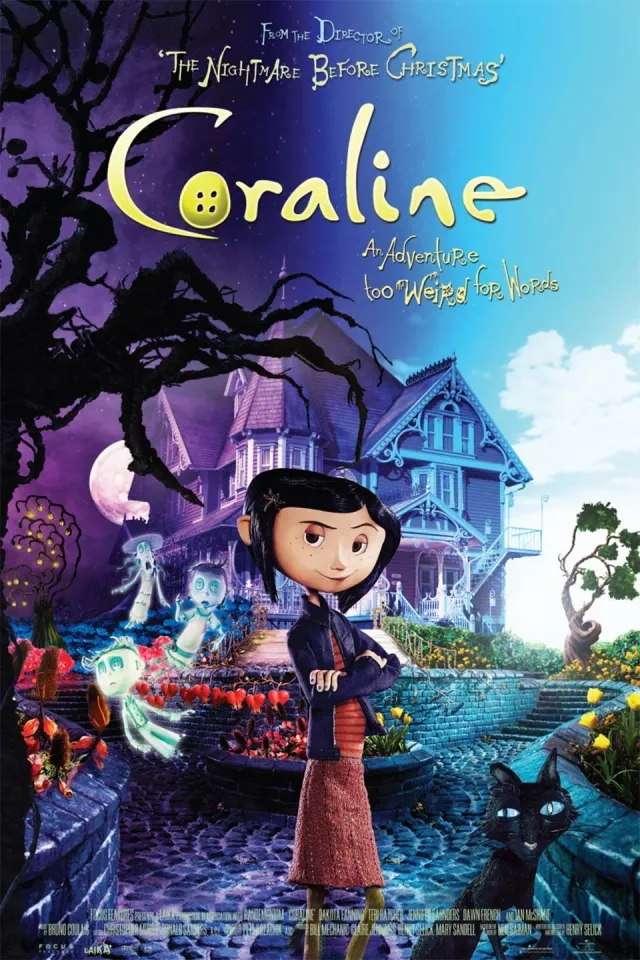
A lonely girl exploring a new home discovers a passage to another version of the household where attention, food and entertainment appear designed to answer her frustrations. The welcome carries a demand whose bodily form exposes the difference between receiving care and becoming a possession. Attempts to return and protect others require interpreting the boundaries of a world built around someone else's power to offer and withhold affection.
Both share themes of memory, plus a surreal atmosphere.
Why this matches +
Genres: Animation / Drama
Shared film traits
Based on recorded story, mood and style. Your preferences can change the order.
Escape and pursuit · Dream worlds
What changes The Wolf House: continuous transformation, dreamlike episodes and mounting unease. I Lost My Body: parallel storylines, episodic travel and reflective character arc.
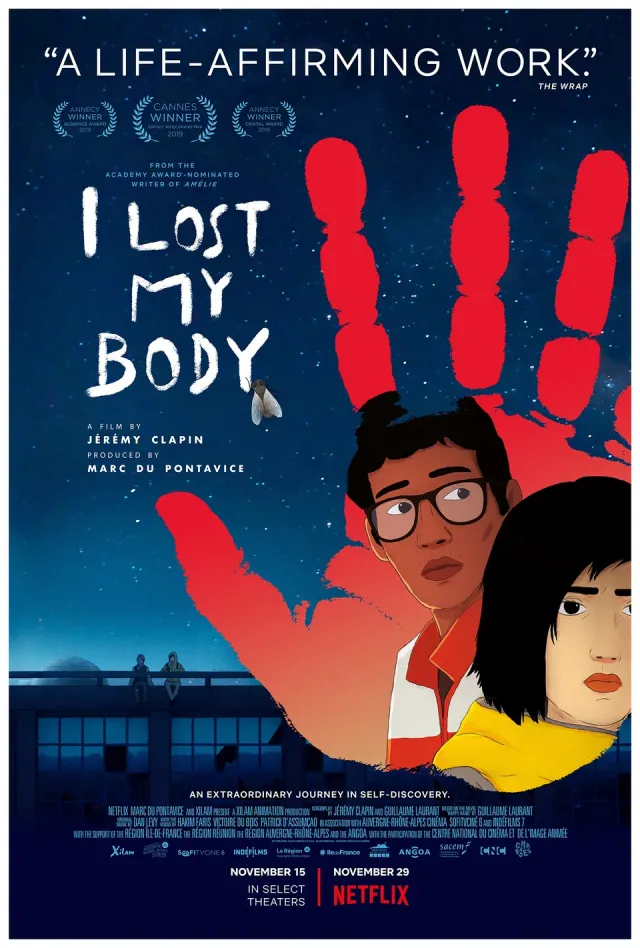
A severed hand escapes from a laboratory and travels across Paris, determined to find the young man it once belonged to. Flashbacks follow Naoufel from childhood in Morocco through family loss and a difficult start in France, where he works as a pizza courier and becomes intrigued by Gabrielle, a woman he speaks with from outside her apartment. The animated fantasy links the hand’s journey with Naoufel’s memories and search for connection.
Based on recorded story, mood and style. Your preferences can change the order.
What changes The Wolf House: continuous transformation, dreamlike episodes and mounting unease. Hoodwinked!: nonlinear and brisk.
An apparently familiar confrontation at a grandmother's house becomes a police inquiry in which each participant tells a different version of the day. Red, the wolf, the woodsman and Granny turn out to have occupations and motives that complicate the roles their appearances suggested. Repeated scenes reveal connections to a campaign against local businesses, allowing testimony to become a practical route toward an overlooked culprit. The animated comedy uses fairy-tale recognition as material for an ensemble puzzle about the danger of assuming one already knows the story.
Based on recorded story, mood and style. Your preferences can change the order.
What changes The Wolf House: continuous transformation, dreamlike episodes and mounting unease. Predator: Killer of Killers: three-part anthology structure, action-forward episodes and survival climaxes.
An animated anthology follows three human fighters from different eras whose violence and skill draw the attention of a Predator. A Viking warrior, a Japanese samurai, and a World War II pilot each face a lethal hunter in a story shaped by their own culture and tactics. Their separate battles connect through the franchise's recurring idea of an extraterrestrial species that seeks formidable prey. The film moves between historical settings and action styles, using animation to expand the Predator series into a compact set of survival confrontations across time.
Based on recorded story, mood and style. Your preferences can change the order.
Constructed reality
What changes The Wolf House: continuous transformation, dreamlike episodes and mounting unease. Perfect Blue: repeated transitions between acting roles and daily life destabilize the timeline..
Mima Kirigoe leaves a successful pop group to pursue acting, hoping to be taken seriously in a new career. Her first roles challenge the clean public image that made her famous, while a fan site begins to describe her daily life as though written by her. Threats, stalking, and a series of murders unsettle Mima’s sense of what she has actually experienced. Satoshi Kon’s animated psychological thriller cuts between performance, media image, and private life until those boundaries become difficult to trust.
Based on recorded story, mood and style. Your preferences can change the order.
What changes The Wolf House: continuous transformation, dreamlike episodes and mounting unease. Suzume: steady and intense.
A teenager living with her aunt follows a stranger into an abandoned site and opens a door linked to a destructive force she cannot initially explain. Helping close it draws her into a journey across Japan, complicated when her companion is transformed into a small chair. A pursuit that appears to concern strange doors and a wandering cat gradually returns to a childhood disaster, making care for others inseparable from confronting the absence around which her own life has been organised.
Based on recorded story, mood and style. Your preferences can change the order.
What changes The Wolf House: continuous transformation, dreamlike episodes and mounting unease. Madagascar 3: Europe's Most Wanted: fast.
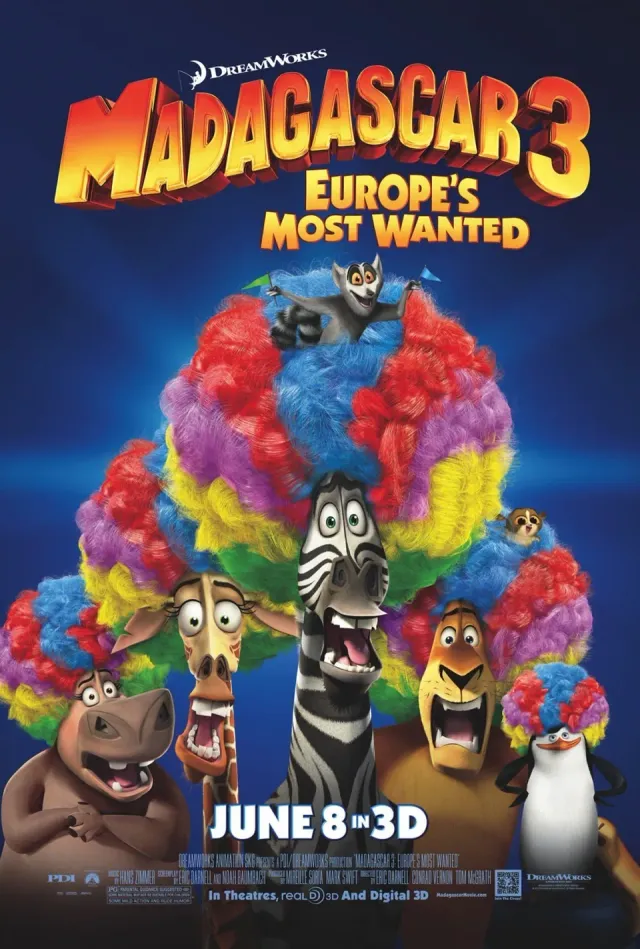
Animals hoping to return to their old zoo take refuge in a failing traveling circus while a relentless official pursues them. Claiming to be performers offers immediate safety but creates obligations to a troupe whose confidence has been damaged. Inventing a new act makes belonging feel possible before the deception is exposed and the original destination finally becomes reachable. The animated sequel turns the desire to go home into a test of whether familiarity still contains the kind of life the group has learned to want.
Based on recorded story, mood and style. Your preferences can change the order.
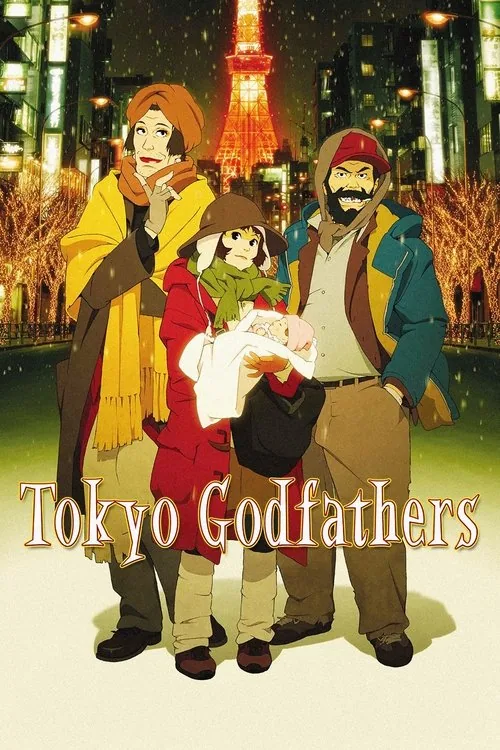
What changes The Wolf House: continuous transformation, dreamlike episodes and mounting unease. Tokyo Godfathers: episodic search, coincidental encounters and emotional christmas resolution.
On Christmas Eve in Tokyo, three unhoused companions—Gin, Hana, and runaway teenager Miyuki—find a newborn among discarded belongings. They follow a few clues to identify the baby's parents and carry her through the city, encountering people connected to their own pasts along the way. Their search turns into a chain of coincidences, danger, and unlikely generosity. Satoshi Kon's animated drama uses a holiday structure for a humane urban adventure about chosen family, regret, and the possibility of returning a child to safety.
Based on recorded story, mood and style. Your preferences can change the order.
Constructed reality
What changes The Wolf House: continuous transformation, dreamlike episodes and mounting unease. Sausage Party: brisk, episodic and escalating.
In a supermarket where groceries believe that human shoppers are gods who carry them to a promised afterlife, sausage Frank and bun Brenda are excited to be chosen together. A returned jar of honey mustard challenges that belief, and an accident separates them from their packages before they can reach the store’s exit. Frank pursues evidence about the Great Beyond while Brenda and their friends navigate the aisles and avoid the bent-nozzle douche who blames them for his injury. Their discovery changes a religious certainty into a violent crisis, which the film treats through deliberately crude food puns and apocalyptic cartoon excess.
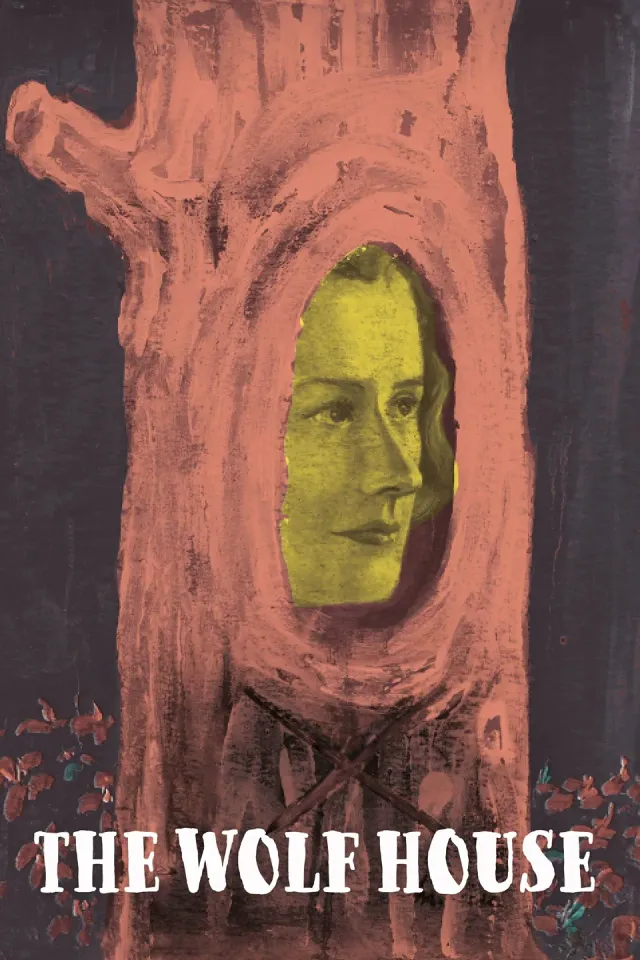
María escapes an isolated German-speaking colony in Chile and takes refuge in an abandoned house deep in the woods. Two pigs live there, and the rooms begin to shift as María reshapes them into a home and turns the animals into companions. Outside, a wolf continues to call her back. The stop-motion film transforms the house around her, blending a fairy-tale flight with an allegory tied to the history of Colonia Dignidad.
What drives the story
María flees a controlling colony and tries to build a new home while the house itself responds to her fears.
The people at its centre
María’s imagined family with the pigs offers comfort, while the wolf embodies the pressure of the world she escaped.
What it feels like
An experimental animated horror fable makes the setting physically change as a story of captivity unfolds.
Worth knowing
Its stop-motion allegory is told through shifting rooms and material textures, rather than conventional live-action suspense.