Explore films connected to Predator: Killer of Killers through survival and combat skill, honor and violence, human resilience across eras. Choose the qualities you want to carry into your next watch.
What should feel similar?
Find your next favourite
9 films · Closest overall matches
Hide films you’ve seen or don’t want. Saved on this device.
No matches for this combination yet.
Try another option or reset your choices to see more films.
Based on recorded story, mood and style. Your preferences can change the order.
War and civilian life
What changes Predator: Killer of Killers: three-part anthology structure, action-forward episodes and survival climaxes. Avatar Aang: The Last Airbender: postwar rebuilding sets the stage, a new mystery draws the team together and journey tests peace and legacy.
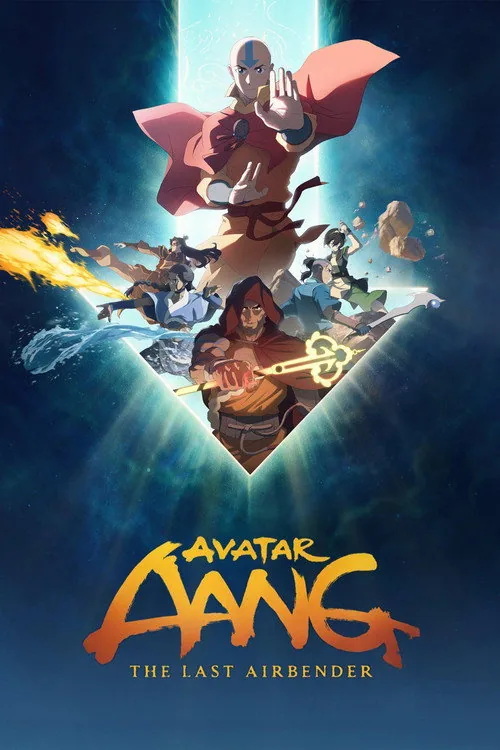
Set years after the end of the Hundred Year War, the animated adventure follows Avatar Aang and his friends as they help lay the foundations for Republic City. Aang's role as a peacekeeper brings him into contact with a new generation and with unresolved questions about the Air Nomads and his own legacy. When a group seeks a map connected to an unknown airbender Avatar named Sonam, the team's work becomes a new journey. The film revisits the world of Avatar through themes of rebuilding, memory, and balance.
Based on recorded story, mood and style. Your preferences can change the order.
What changes Predator: Killer of Killers: three-part anthology structure, action-forward episodes and survival climaxes. Well, Just You Wait!: episodic and short-form.
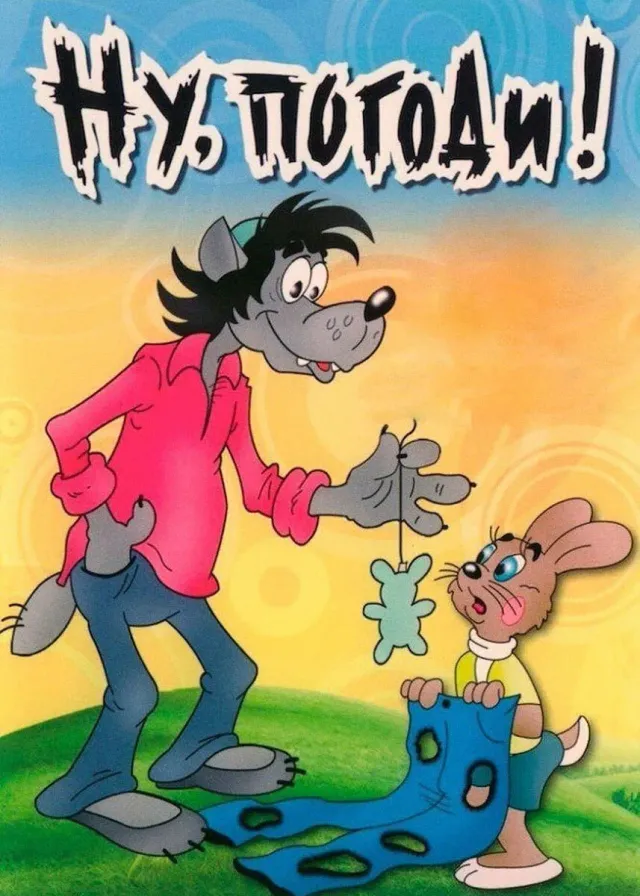
This catalogue entry points to the Soviet animated series commonly known by its Russian title Nu, pogodi!, rather than a conventional feature film. Its early shorts establish the recurring comic pattern: a wolf tries to catch a rabbit through public spaces and everyday activities, and each elaborate pursuit ends in failure. The comedy is largely visual, built from timing, slapstick and the contrast between the wolf’s schemes and the rabbit’s composure. Because the entry groups a series beginning in 1969, its runtime and story should not be described as if it were one self-contained feature. The recurring pursuit makes failed plans, not spoken explanation, the source of each punchline. Settings and musical cues change, but the chase relation remains familiar.
Based on recorded story, mood and style. Your preferences can change the order.
What changes Predator: Killer of Killers: three-part anthology structure, action-forward episodes and survival climaxes. The Animatrix: anthology and shifts between combat and reflection.
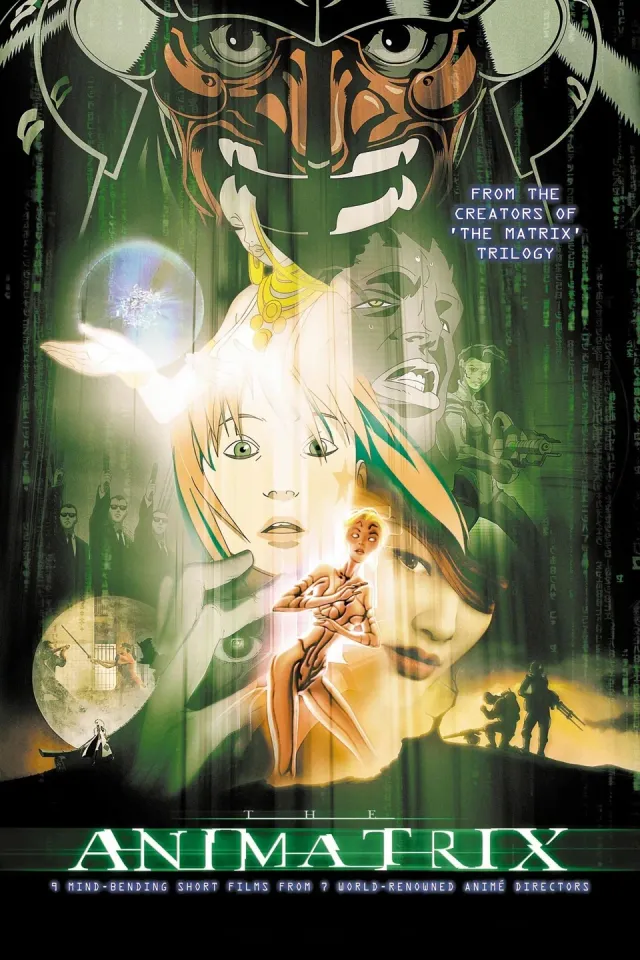
This animated anthology expands the world of The Matrix through nine short stories set before and during the human-machine war. Some episodes recount how intelligent machines became targets of human fear and how the conflict escalated into the artificial reality that now contains people. Others follow a machine pilot carrying a warning to Zion, teenagers discovering the Matrix, and individuals who question the simulation from inside it. The shorts have separate protagonists and visual styles, so the film works as a set of linked perspectives rather than one continuous plot. Together they make the franchise's history and resistance more varied.
Based on recorded story, mood and style. Your preferences can change the order.
Survival
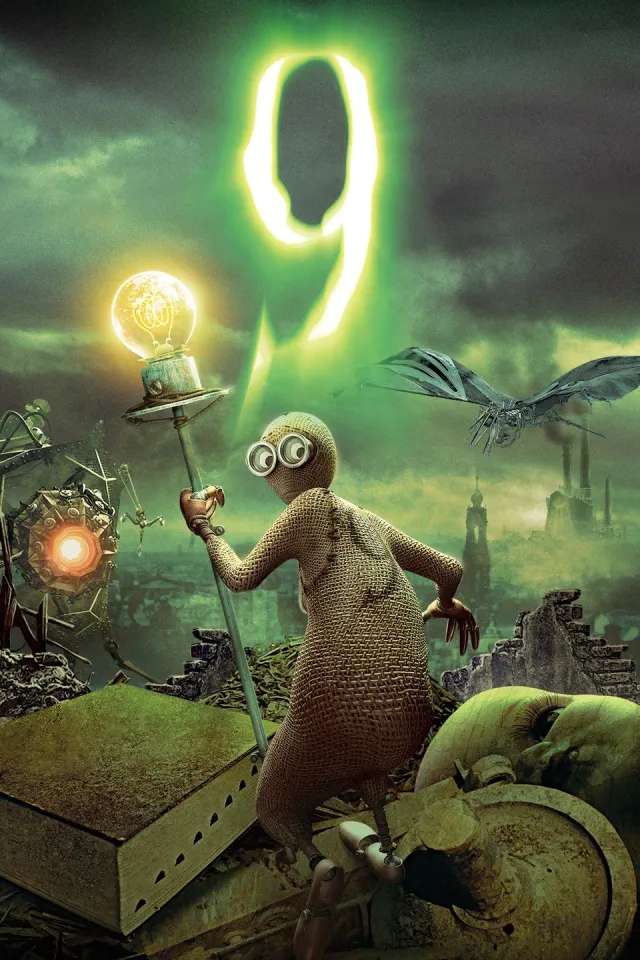
What changes Predator: Killer of Killers: three-part anthology structure, action-forward episodes and survival climaxes. 9: propulsive and quest-driven.
After a mechanical being awakens in a ruined world, it discovers other artificial survivors hiding from a powerful machine that has devastated civilization. The group’s conflict centers on how to protect one another while uncovering what happened to humanity. This animated science-fiction film combines post-apocalyptic action with a story about memory, cooperation and the ethics of creating life.
Based on recorded story, mood and style. Your preferences can change the order.
Survival
What changes Predator: Killer of Killers: three-part anthology structure, action-forward episodes and survival climaxes. Dragon Ball Super: Broly: origin material feeds into an extended battle crescendo.
Goku and Vegeta encounter Broly, a Saiyan whose extraordinary power brings buried history and present danger into conflict. The film moves between childhood origins, the destruction of Planet Vegeta and a prolonged confrontation that escalates beyond the fighters’ control. Its animated action centers on rivalry, transformation and the consequences of Saiyan history, expanding the franchise mythology while giving Broly a more developed place within it.
Based on recorded story, mood and style. Your preferences can change the order.
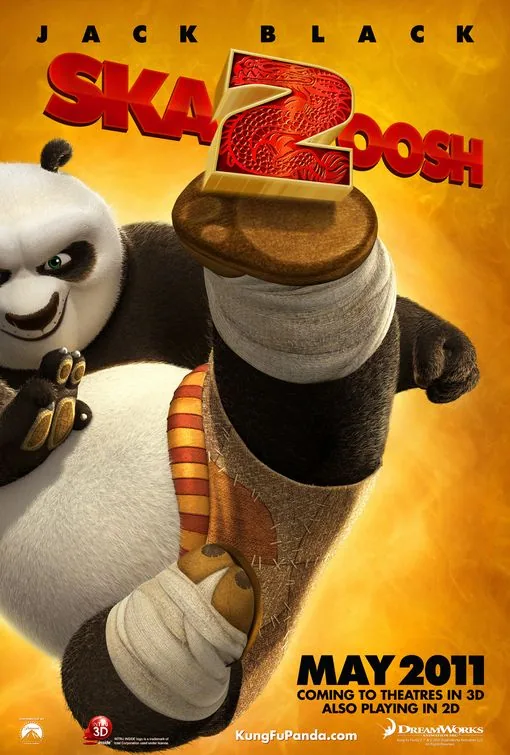
What changes Predator: Killer of Killers: three-part anthology structure, action-forward episodes and survival climaxes. Kung Fu Panda 2: brisk and nonlinear.
An established martial-arts hero struggles to achieve inner calm when a conqueror's emblem reawakens memories of separation from his first family. The enemy's weapons threaten both the city and the tradition through which the hero has found belonging. Learning how his past connects to the campaign makes defending others inseparable from deciding how much that injury will define him. The animated sequel places adoption and traumatic loss alongside action, making peace a capacity to acknowledge history without handing an adversary permanent control over identity.
Based on recorded story, mood and style. Your preferences can change the order.
Survival
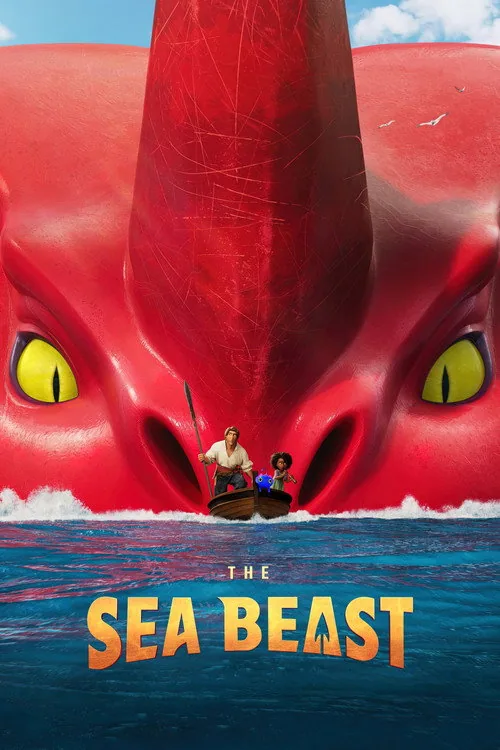
What changes Predator: Killer of Killers: three-part anthology structure, action-forward episodes and survival climaxes. The Sea Beast: voyage adventure, action set pieces and gradual moral discovery.
For generations, celebrated hunters have sailed beyond the known waters to kill enormous sea creatures, earning fame and royal support. Young stowaway Maisie Brumble joins the ship Inevitable and becomes close to hunter Jacob Holland, whose certainty changes when they encounter the red beast known as the Red Bluster. Their voyage challenges the history taught by the Crown and the hunters' assumptions about their prey. This animated adventure pairs seafaring spectacle with a child-led story about inherited myths, empathy, and learning to see an enemy differently.
Based on recorded story, mood and style. Your preferences can change the order.
Survival
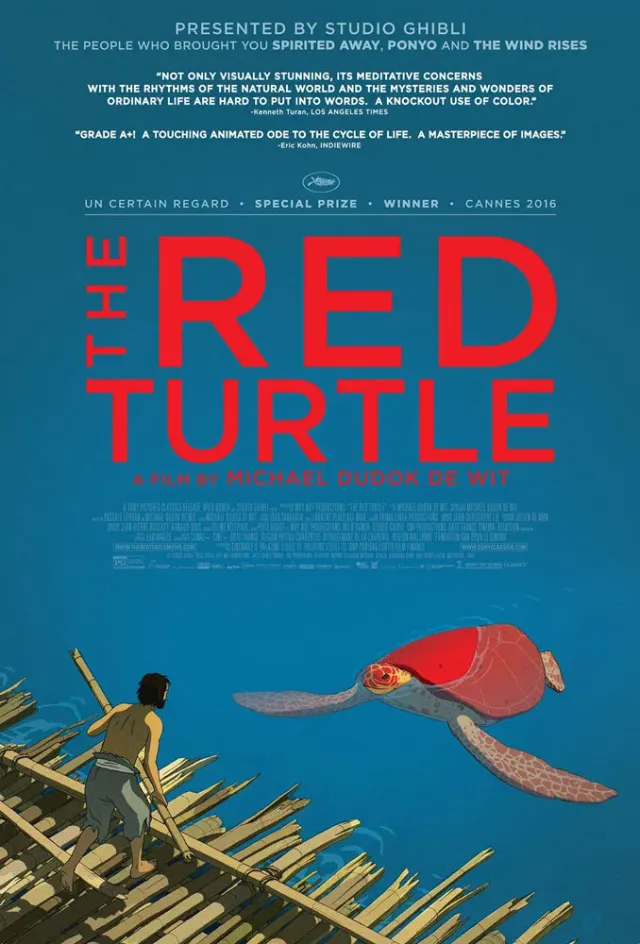
What changes Predator: Killer of Killers: three-part anthology structure, action-forward episodes and survival climaxes. The Red Turtle: quiet, contemplative and long-spanning.
A man is stranded on an uninhabited island after a storm and repeatedly tries to escape on rafts he builds from bamboo. An unseen force destroys each attempt, until he encounters a red turtle that changes the direction of his life. The island gradually becomes a place where he forms a family and watches the rhythms of nature and aging. Michael Dudok de Wit’s animated fable tells its story without spoken dialogue, using movement, sound and landscape instead.
Based on recorded story, mood and style. Your preferences can change the order.
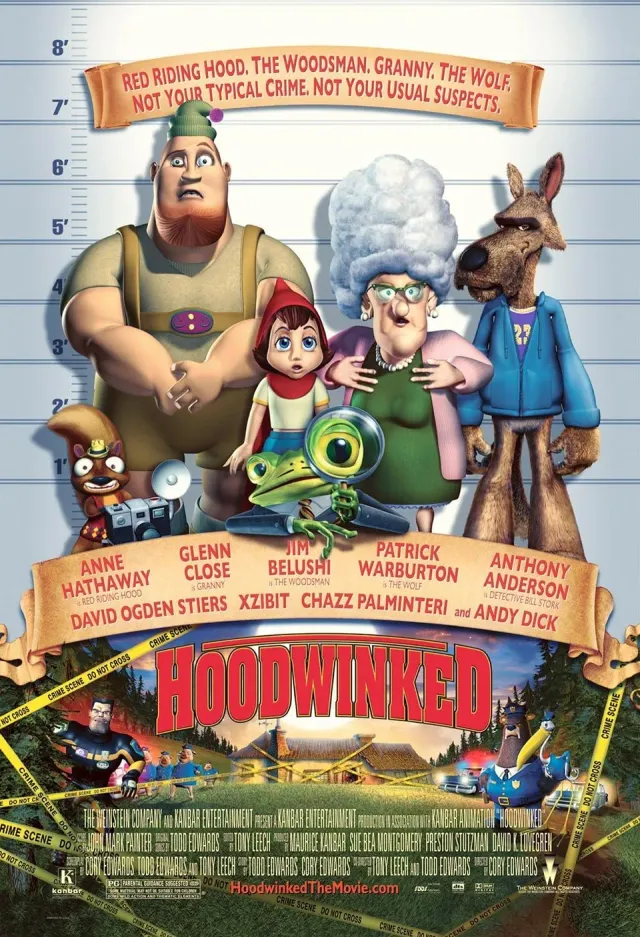
What changes Predator: Killer of Killers: three-part anthology structure, action-forward episodes and survival climaxes. Hoodwinked!: nonlinear and brisk.
An apparently familiar confrontation at a grandmother's house becomes a police inquiry in which each participant tells a different version of the day. Red, the wolf, the woodsman and Granny turn out to have occupations and motives that complicate the roles their appearances suggested. Repeated scenes reveal connections to a campaign against local businesses, allowing testimony to become a practical route toward an overlooked culprit. The animated comedy uses fairy-tale recognition as material for an ensemble puzzle about the danger of assuming one already knows the story.
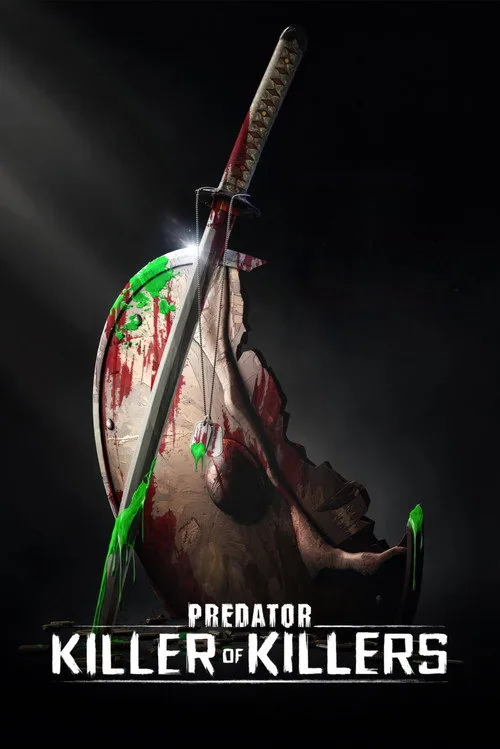
An animated anthology follows three human fighters from different eras whose violence and skill draw the attention of a Predator. A Viking warrior, a Japanese samurai, and a World War II pilot each face a lethal hunter in a story shaped by their own culture and tactics. Their separate battles connect through the franchise's recurring idea of an extraterrestrial species that seeks formidable prey. The film moves between historical settings and action styles, using animation to expand the Predator series into a compact set of survival confrontations across time.
What drives the story
Each era presents a fighter facing a Predator, turning local conflict into a test against an unfamiliar hunter.
The people at its centre
The protagonists' family ties, warrior codes, and military roles shape distinct approaches to the same extraterrestrial threat.
What it feels like
Animation permits different historical action styles while maintaining the franchise's focused pursuit and combat rhythm.
Worth knowing
It is an animated anthology within Predator continuity, not a single present-day mission or a direct sequel centered on one survivor.
survival and combat skillhonor and violencehuman resilience across eras