Explore films connected to The Animatrix through Human-machine conflict, Reality and perception, Resistance. Choose the qualities you want to carry into your next watch.
Based on recorded story, mood and style. Your preferences can change the order.
Artificial life
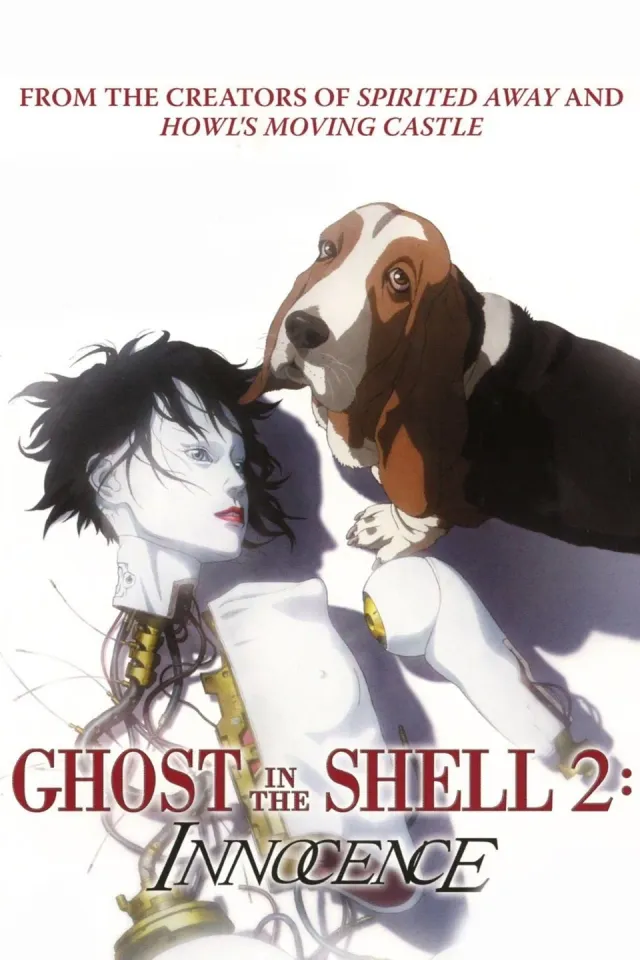
What changes The Animatrix: anthology and shifts between combat and reflection. Ghost in the Shell 2: Innocence: measured and dialogic.
In a future where cybernetic bodies and artificial minds are commonplace, detective Batou investigates the deaths caused by malfunctioning female androids. The case draws him into questions about manufactured consciousness, exploitation and what makes a person human. Dense philosophical dialogue sits alongside striking animation and a noir investigation, creating a deliberately contemplative sequel that treats the crime as an entry point to questions of embodiment and agency.
Based on recorded story, mood and style. Your preferences can change the order.
Constructed reality
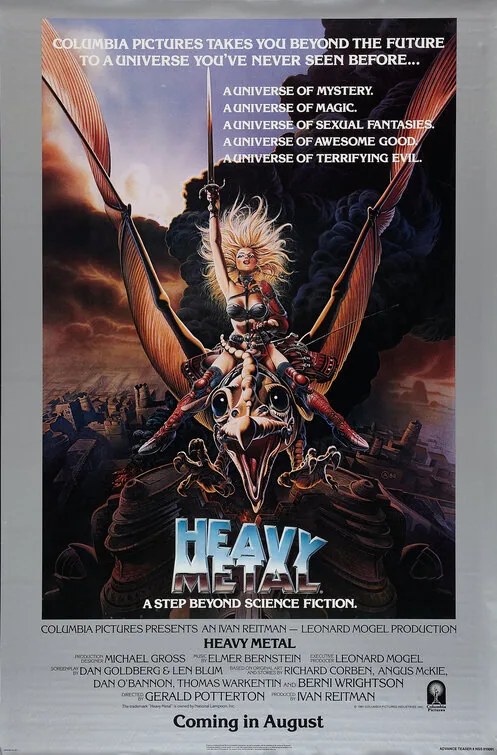
What changes The Animatrix: anthology and shifts between combat and reflection. Heavy Metal: segmented, rapidly shifting, high-energy and anthology rhythm.
A mysterious glowing sphere called the Loc-Nar arrives in a suburban home and reveals itself to a frightened young girl by dissolving her father. It then serves as the frame for a series of animated stories set in radically different worlds. Across the episodes, an astronaut, a warrior, a cab driver, and other characters encounter the sphere’s influence in science-fiction, fantasy, and dark comedy. The segments vary in style and tone but share an adult-oriented visual language of comic-book action, erotic imagery, and graphic danger. The anthology’s changing stories make the Loc-Nar less a single villain than a device connecting strange possibilities.
Based on recorded story, mood and style. Your preferences can change the order.
Constructed reality · Political resistance
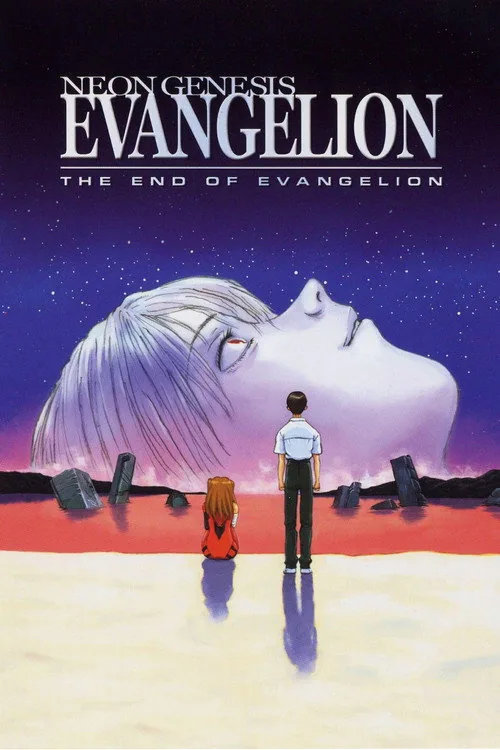
What changes The Animatrix: anthology and shifts between combat and reflection. The End of Evangelion: military action opening, abrupt shifts into abstraction and surreal culmination.
As the secret organization SEELE launches an assault on NERV, operations director Misato searches for Shinji Ikari while the teenage pilots confront the collapse of their world. SEELE intends to trigger Human Instrumentality, a process that would merge human consciousness, while Shinji’s emotional crisis shapes what happens next. Hideaki Anno’s animated film provides a feature-length ending to the television series, expanding its final events into apocalyptic action and intensely subjective imagery. It assumes familiarity with the series and contains disturbing violence and psychological distress.
Based on recorded story, mood and style. Your preferences can change the order.
Artificial life
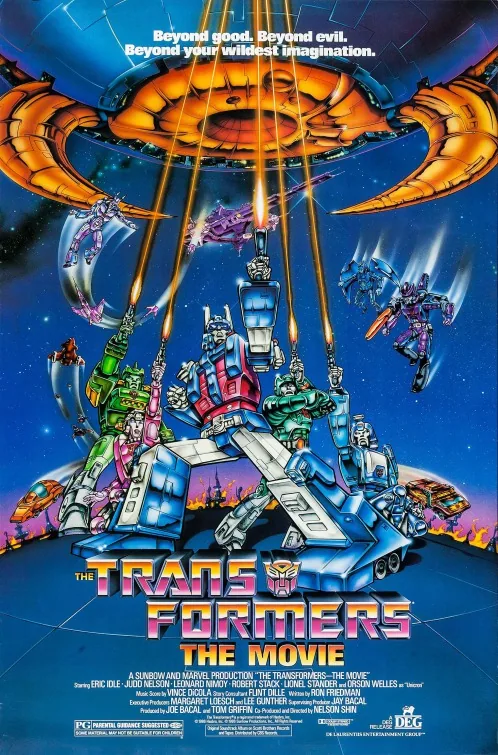
What changes The Animatrix: anthology and shifts between combat and reflection. The Transformers: The Movie: large-scale battle opening, episodic space journey, parallel antagonists and climactic transformation.
The Autobots prepare to retake Cybertron, but a Decepticon attack on Earth escalates into a war that costs them their leader, Optimus Prime. The Matrix of Leadership passes into uncertain hands as the wounded Decepticons drift through space and encounter Unicron, a planet-sized Transformer who offers Megatron a new body in exchange for destroying the Matrix. Hot Rod and other young Autobots are drawn into the conflict, while Ultra Magnus struggles to assume command. Their journey across hostile planets tests loyalty and leadership as both sides race to control a power that could determine the fate of the Transformers. The feature expands the television series into a space-opera of grief, succession and battle.
Based on recorded story, mood and style. Your preferences can change the order.
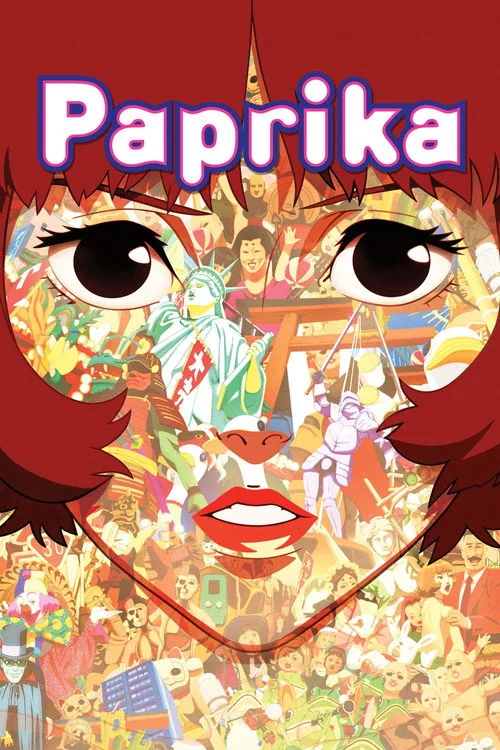
What changes The Animatrix: anthology and shifts between combat and reflection. Paprika: a stolen device causes separate dreams to spill into a shared public crisis..
Psychiatrist Atsuko Chiba secretly uses the DC Mini, a device that lets her enter patients’ dreams as the detective Paprika. When prototypes are stolen and dream imagery begins spilling into the waking world, she and her colleagues trace the damage through a series of strange psychological cases. Satoshi Kon’s animated thriller treats dreams as both a clinical tool and a vulnerable shared space, cutting between identities and realities with fluid visual transformations. A detective’s recurring dream connects the technological investigation to a buried personal memory.
Based on recorded story, mood and style. Your preferences can change the order.
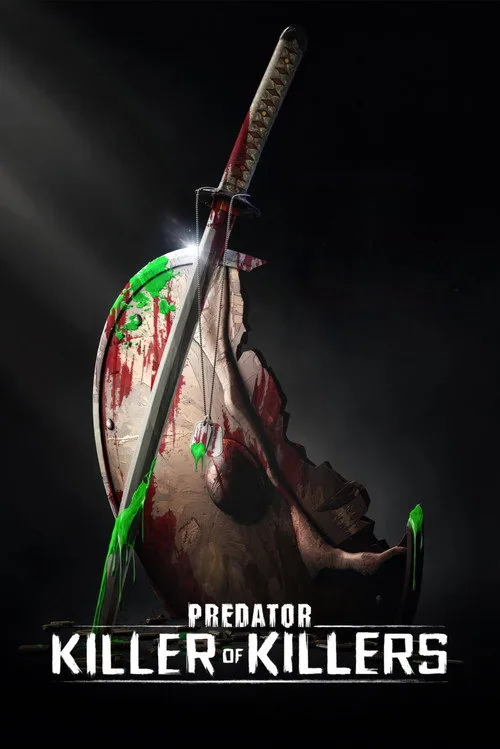
What changes The Animatrix: anthology and shifts between combat and reflection. Predator: Killer of Killers: three-part anthology structure, action-forward episodes and survival climaxes.
An animated anthology follows three human fighters from different eras whose violence and skill draw the attention of a Predator. A Viking warrior, a Japanese samurai, and a World War II pilot each face a lethal hunter in a story shaped by their own culture and tactics. Their separate battles connect through the franchise's recurring idea of an extraterrestrial species that seeks formidable prey. The film moves between historical settings and action styles, using animation to expand the Predator series into a compact set of survival confrontations across time.
Based on recorded story, mood and style. Your preferences can change the order.
Artificial life
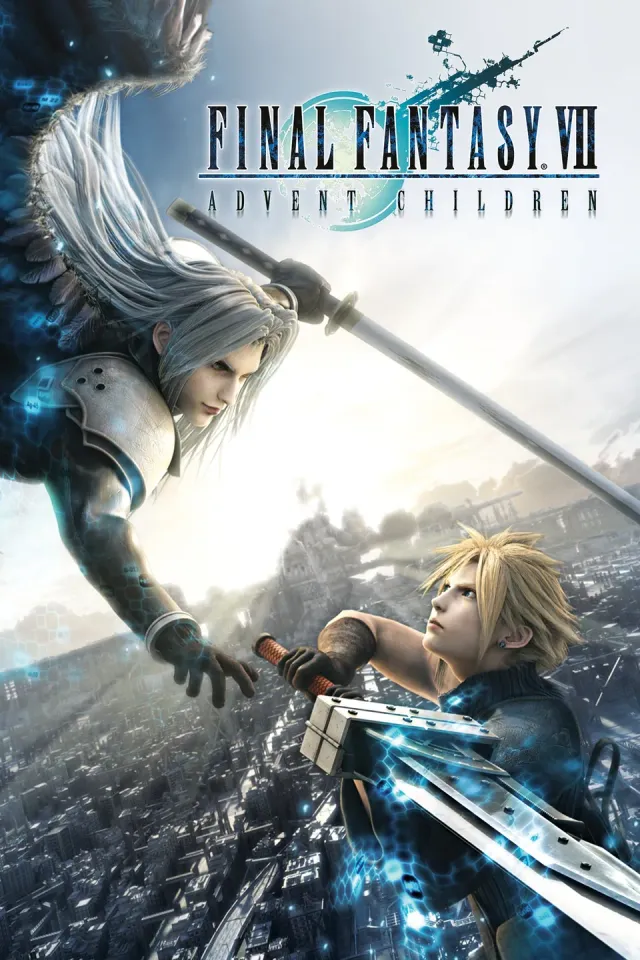
What changes The Animatrix: anthology and shifts between combat and reflection. Final Fantasy VII: Advent Children: action-led and reflective pauses.
After a catastrophe has left a scar on the world, Cloud Strife lives apart from his friends while trying to protect children affected by a strange illness. The return of figures tied to his past forces him to confront old guilt and rejoin those who still depend on him. The computer-animated sequel blends elaborate combat with themes of grief, responsibility and choosing connection after survival.
Based on recorded story, mood and style. Your preferences can change the order.
Artificial life
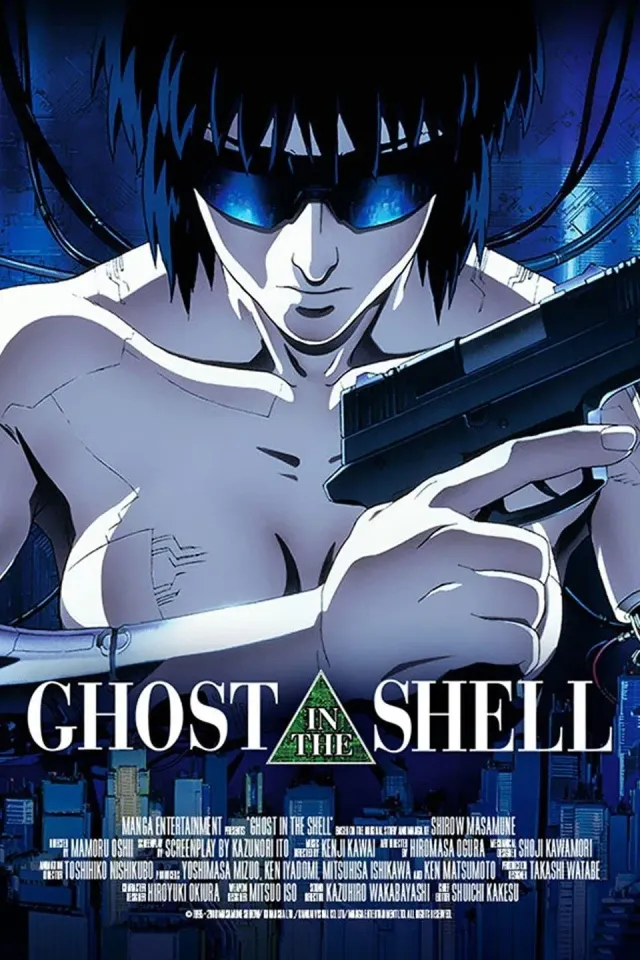
What changes The Animatrix: anthology and shifts between combat and reflection. Ghost in the Shell: measured.
A cybernetic security officer investigates a hacker capable of intruding into human memories and machine bodies. The case crosses government interests while prompting her to question what continuity of self remains when almost every physical component can be replaced. Pursuit of the elusive suspect becomes an encounter with an intelligence whose existence unsettles the categories her institution uses to define a person.
Based on recorded story, mood and style. Your preferences can change the order.
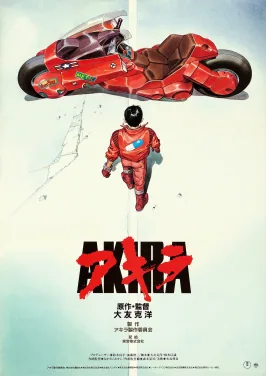
What changes The Animatrix: anthology and shifts between combat and reflection. Akira: measured and escalating.
In a rebuilt Tokyo marked by unrest, a teenage biker's encounter with a secret military project awakens extraordinary powers. His growing abilities intensify resentment towards the friend who has long protected him, while activists and authorities pursue competing plans for the force they have released. Personal insecurity expands into a crisis capable of consuming an already unstable city.
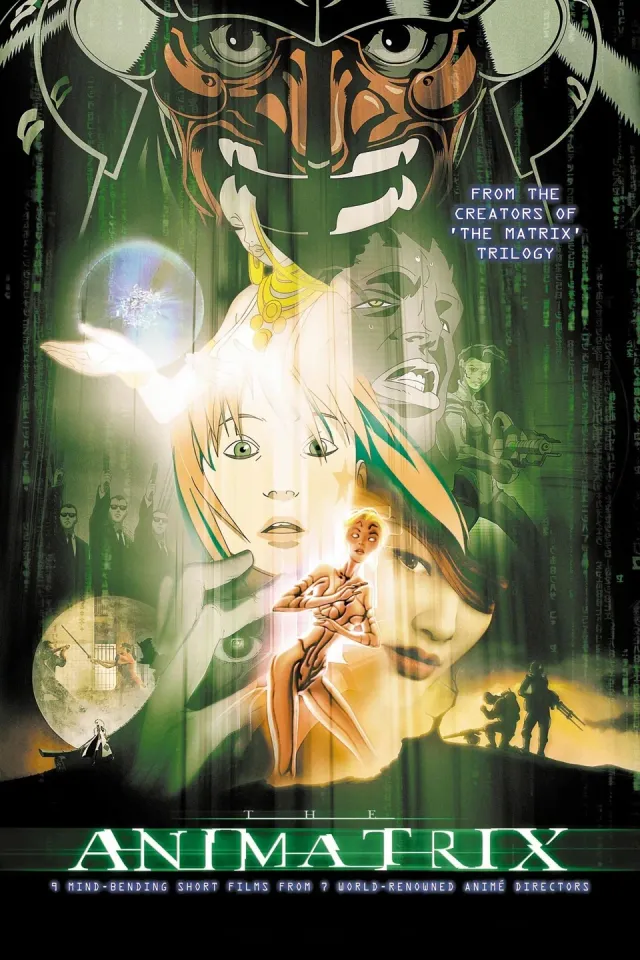
This animated anthology expands the world of The Matrix through nine short stories set before and during the human-machine war. Some episodes recount how intelligent machines became targets of human fear and how the conflict escalated into the artificial reality that now contains people. Others follow a machine pilot carrying a warning to Zion, teenagers discovering the Matrix, and individuals who question the simulation from inside it. The shorts have separate protagonists and visual styles, so the film works as a set of linked perspectives rather than one continuous plot. Together they make the franchise's history and resistance more varied.
What drives the story
Separate episodes approach the Matrix from different historical moments and character viewpoints, turning the anthology into a mosaic of origins, rebellion and awakening.
The people at its centre
There is no single lead; pilots, students, detectives and rebels each discover a different cost of living in a system they cannot fully trust.
What it feels like
Distinct anime studios shift the visual language from sweeping war history to intimate noir, action and psychological experiment.
Worth knowing
Choose it for franchise world-building and varied animated science fiction; its anthology structure and changing styles differ from the live-action trilogy's continuous arc.
Human-machine conflictReality and perceptionResistance
Mood
Varied · Philosophical · Violent
Pacing
Anthology · Shifts between combat and reflection
Visual style
Multiple animation styles · Cyberpunk imagery
Storytelling
Nine animated shorts · Machine uprising · Simulated worlds