Based on recorded story, mood and style. Your preferences can change the order.
Memory and identity
What changes I Lost My Body: parallel storylines, episodic travel and reflective character arc. The Tale of the Princess Kaguya: episodic and flowing.
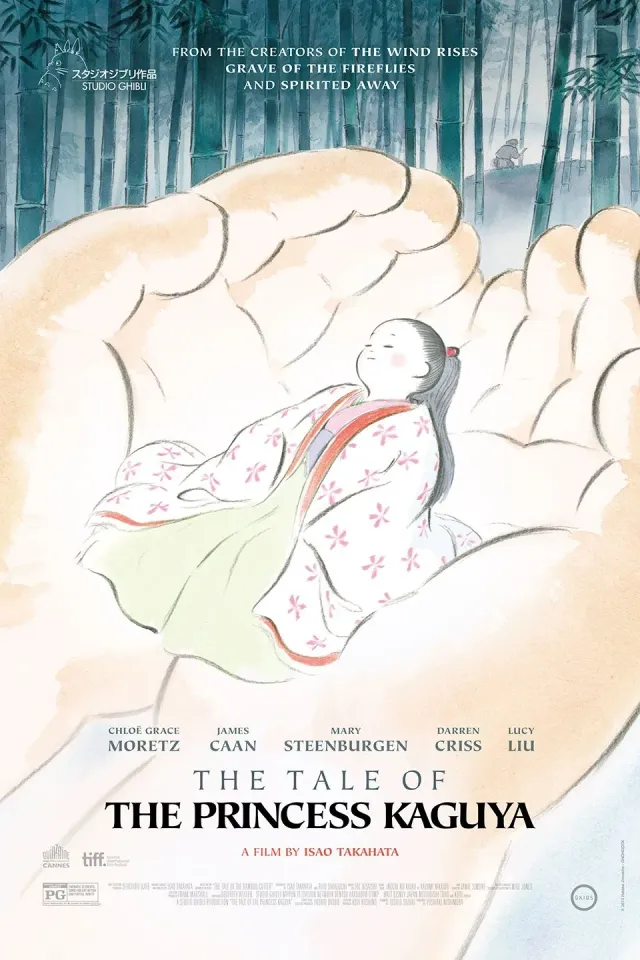
A bamboo cutter finds a tiny girl inside a glowing stalk and raises her as a daughter with his wife. As she grows, the family moves from the countryside to the capital, where expectations of status and marriage conflict with the life she remembers and wants. Isao Takahata's hand-drawn film turns a folktale into a fluid meditation on freedom, beauty and the brevity of human happiness.
Both share themes of memory, plus a tender atmosphere.
Why this matches +
Genres: Animation / Drama
Shared film traits
Based on recorded story, mood and style. Your preferences can change the order.
Memory and identity
What changes I Lost My Body: parallel storylines, episodic travel and reflective character arc. Little Amélie or the Character of Rain: episodic, observational and gently unfolding.
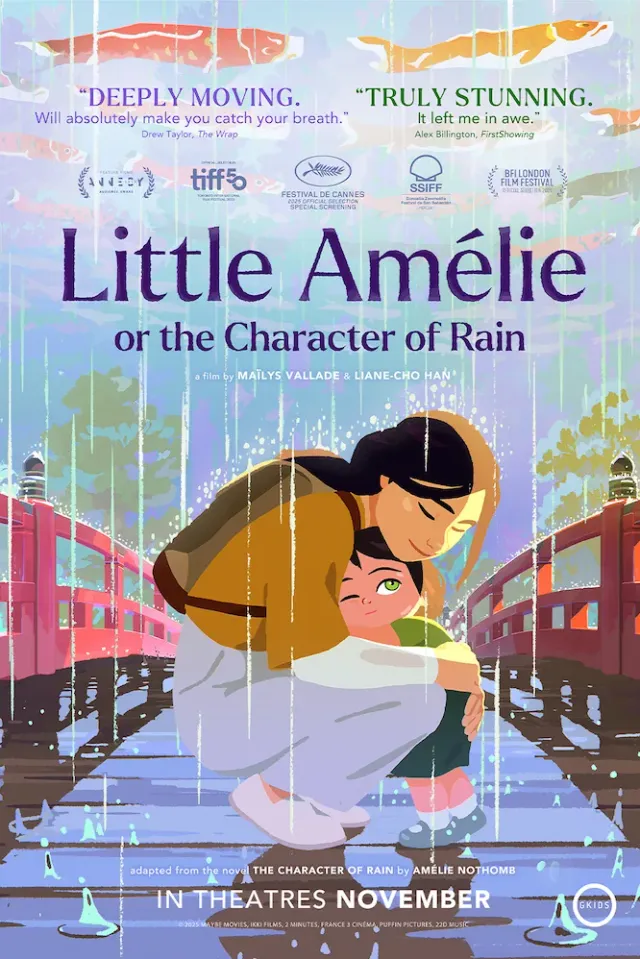
Based on Amélie Nothomb's autobiographical writing, the animated film follows a Belgian child living in Japan during her earliest years. At first she experiences the world through intense sensations and limited language, then gradually notices family relationships, customs and the meaning of being part of a household. The story turns early childhood into a vivid process of discovery, using a young child's point of view to connect personal memory with place.
Based on recorded story, mood and style. Your preferences can change the order.
Memory and identity · Escape and pursuit
What changes I Lost My Body: parallel storylines, episodic travel and reflective character arc. Anastasia: steady.
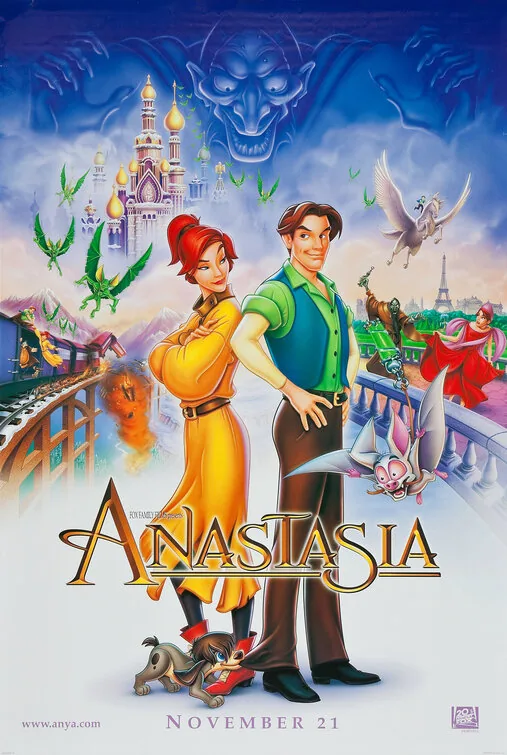
A young woman without clear memories of her childhood leaves an orphanage and encounters two men seeking someone who can impersonate a missing imperial daughter. Their planned deception begins to expose genuine connections to the past, while a supernatural enemy pursues her survival as unfinished business. Reaching Paris requires negotiating the difference between a marketable identity and an attachment that people can recognize without buying a convincing performance.
Based on recorded story, mood and style. Your preferences can change the order.
Memory and identity · Dream worlds
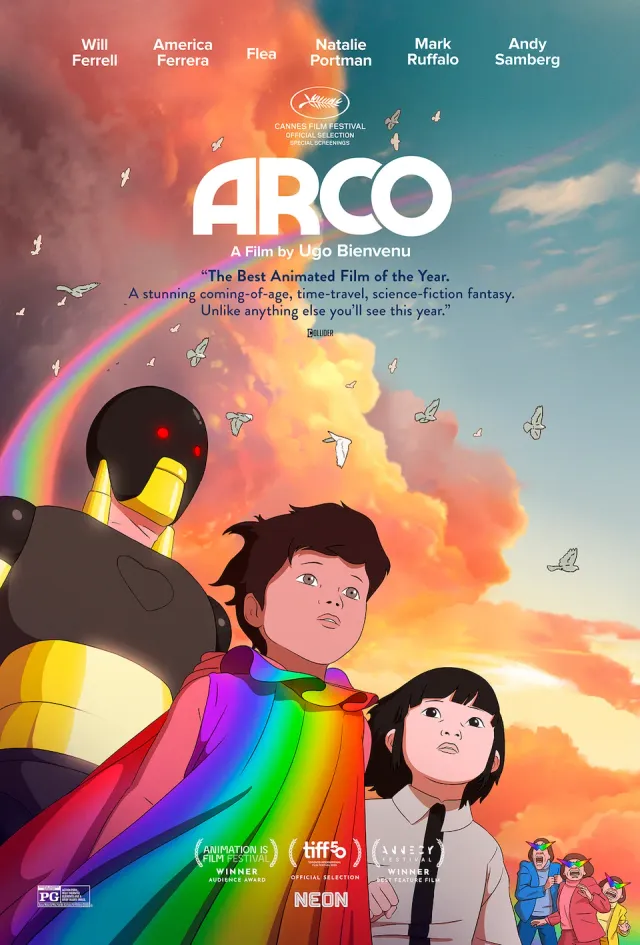
What changes I Lost My Body: parallel storylines, episodic travel and reflective character arc. Arco: adventure-led and gently reflective.
In a distant future, a young boy named Arco accidentally travels back to a climate-changed Earth in 2075. He meets Iris, a girl living with her family in a world altered by environmental damage, and the two try to find a way for him to return home. Ugo Bienvenu's animated science-fiction story connects childhood friendship with questions about ecological loss and the possible futures inherited by children.
Based on recorded story, mood and style. Your preferences can change the order.
Escape and pursuit
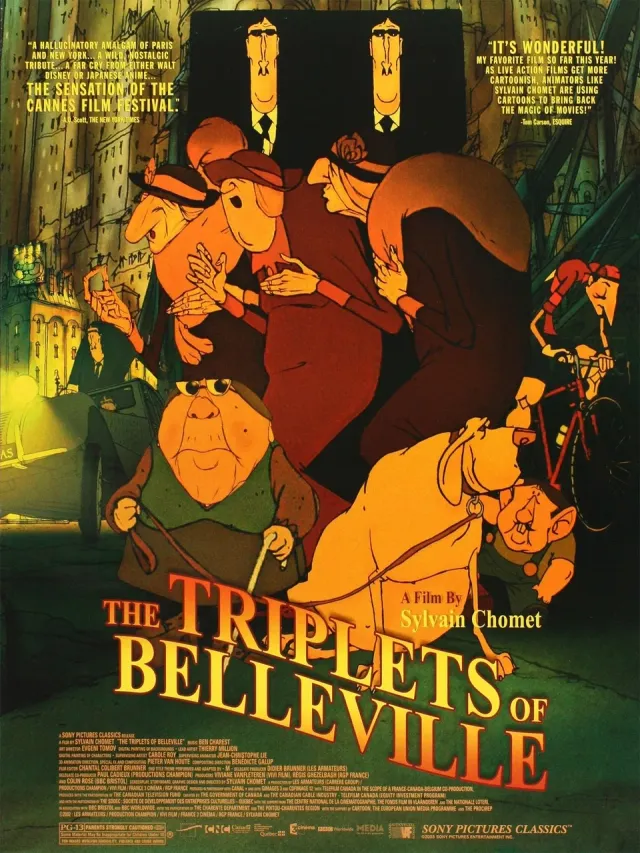
What changes I Lost My Body: parallel storylines, episodic travel and reflective character arc. The Triplets of Belleville: quest-driven and measured.
When cyclist Champion is kidnapped during the Tour de France, his grandmother Madame Souza follows the trail with his dog Bruno and eventually joins the eccentric Triplets of Belleville. The search crosses cities and waterways, using music, visual clues and comic invention in place of much dialogue. This animated adventure turns devotion into a stubborn rescue mission and makes its unusual companions central to the journey.
Based on recorded story, mood and style. Your preferences can change the order.
Memory and identity · Dream worlds
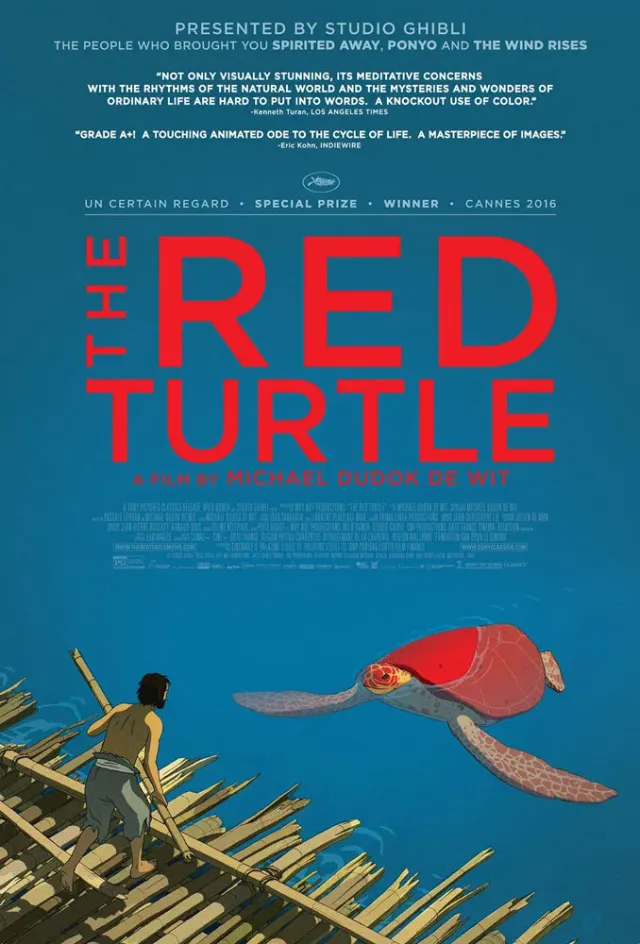
What changes I Lost My Body: parallel storylines, episodic travel and reflective character arc. The Red Turtle: quiet, contemplative and long-spanning.
A man is stranded on an uninhabited island after a storm and repeatedly tries to escape on rafts he builds from bamboo. An unseen force destroys each attempt, until he encounters a red turtle that changes the direction of his life. The island gradually becomes a place where he forms a family and watches the rhythms of nature and aging. Michael Dudok de Wit’s animated fable tells its story without spoken dialogue, using movement, sound and landscape instead.
Based on recorded story, mood and style. Your preferences can change the order.
Dream worlds
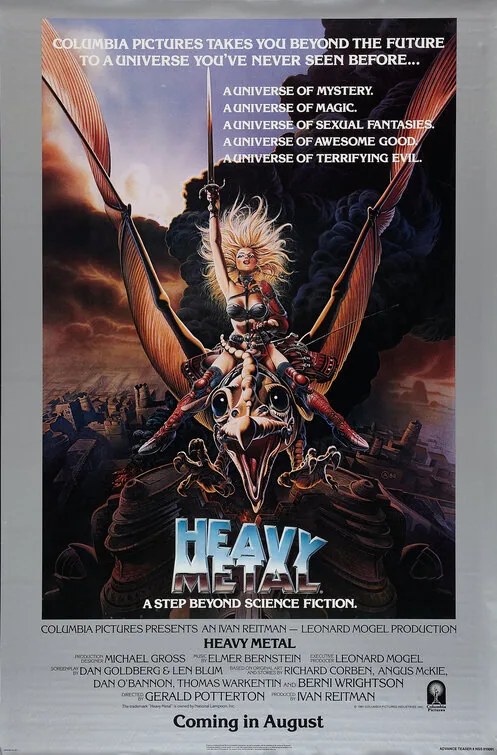
What changes I Lost My Body: parallel storylines, episodic travel and reflective character arc. Heavy Metal: segmented, rapidly shifting, high-energy and anthology rhythm.
A mysterious glowing sphere called the Loc-Nar arrives in a suburban home and reveals itself to a frightened young girl by dissolving her father. It then serves as the frame for a series of animated stories set in radically different worlds. Across the episodes, an astronaut, a warrior, a cab driver, and other characters encounter the sphere’s influence in science-fiction, fantasy, and dark comedy. The segments vary in style and tone but share an adult-oriented visual language of comic-book action, erotic imagery, and graphic danger. The anthology’s changing stories make the Loc-Nar less a single villain than a device connecting strange possibilities.
Based on recorded story, mood and style. Your preferences can change the order.
Escape and pursuit · Dream worlds
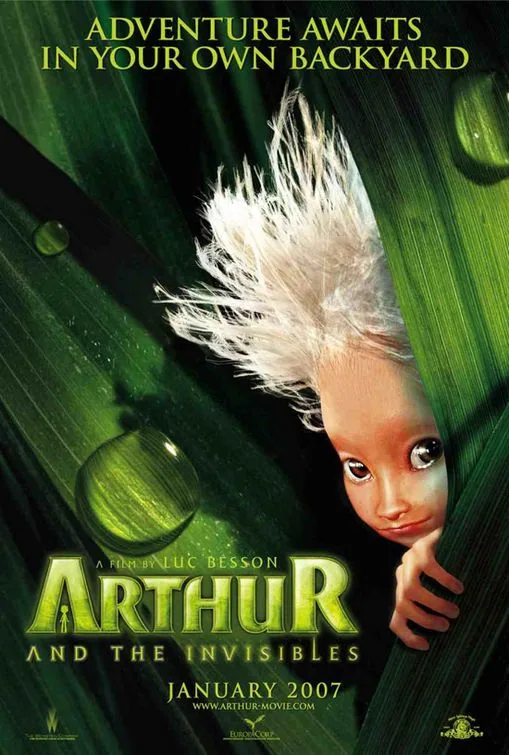
What changes I Lost My Body: parallel storylines, episodic travel and reflective character arc. Arthur and the Minimoys: clues from a missing grandfather lead arthur into the garden and where an urgent quest pits him against maltazard.
Ten-year-old Arthur lives with his grandmother while his parents are away and his grandfather is missing. Stories about tiny Minimoys in the garden inspire Arthur to search for rubies that could save the family home from a developer. After clues lead him into the garden, Arthur is shrunk to Minimoy size and learns that Princess Selenia and her people face a threat from Maltazard. The search for the rubies becomes a fantasy adventure across a miniature world, where Arthur’s courage may help both his family and the Minimoys.
Based on recorded story, mood and style. Your preferences can change the order.
Memory and identity
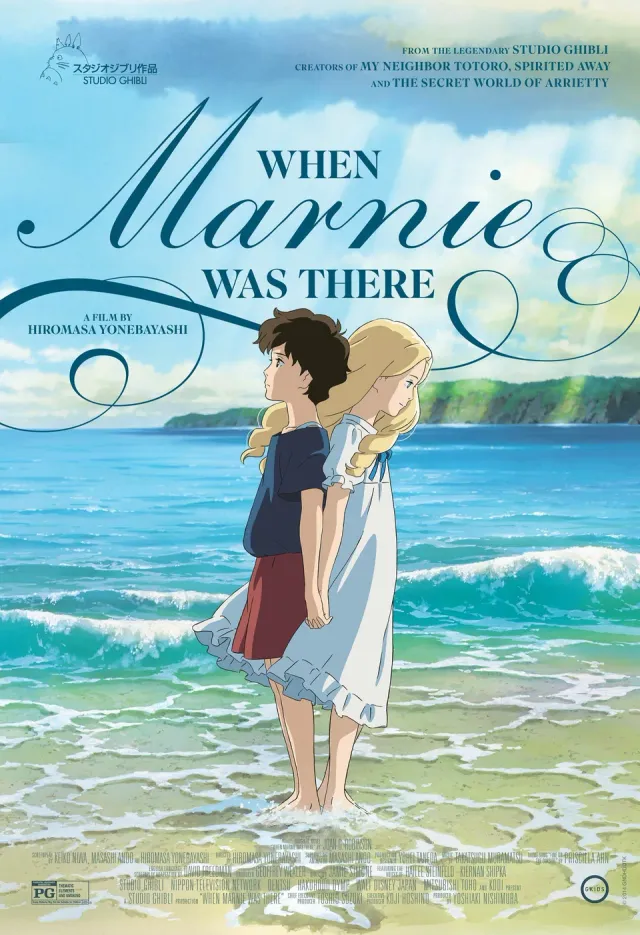
What changes I Lost My Body: parallel storylines, episodic travel and reflective character arc. When Marnie Was There: unhurried and revelatory.
Sent to a seaside town for her health, Anna befriends Marnie, a girl who appears to live in an old mansion across the marsh. Their closeness helps Anna face loneliness and questions about her family, even as the boundaries between memory, history and the present become less certain. Hiromasa Yonebayashi's animated mystery gives its emotional discoveries the pace of a summer recollection.
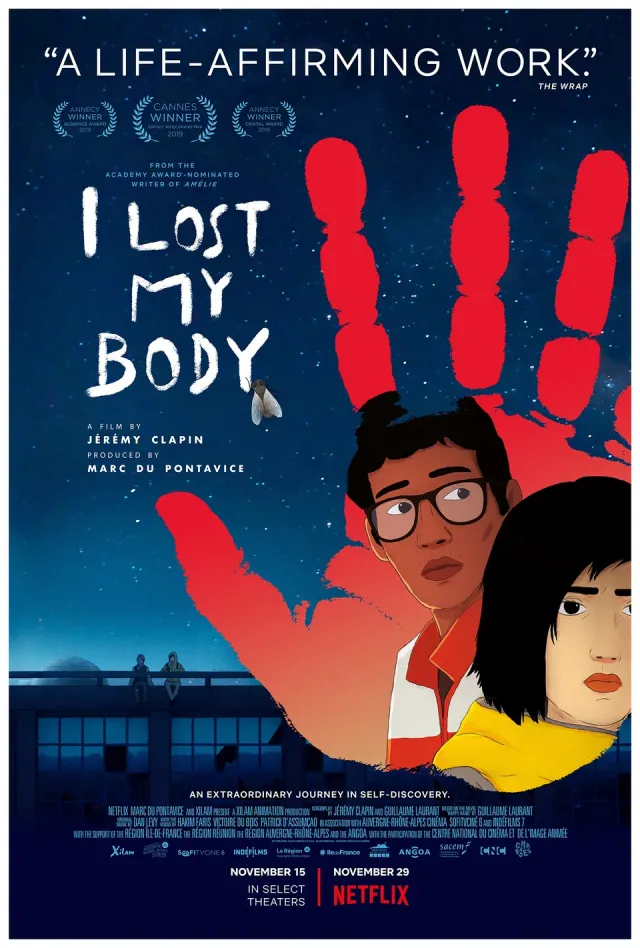
A severed hand escapes from a laboratory and travels across Paris, determined to find the young man it once belonged to. Flashbacks follow Naoufel from childhood in Morocco through family loss and a difficult start in France, where he works as a pizza courier and becomes intrigued by Gabrielle, a woman he speaks with from outside her apartment. The animated fantasy links the hand’s journey with Naoufel’s memories and search for connection.
What drives the story
A severed hand crosses Paris while Naoufel’s memories trace the losses and encounters that shaped him.
The people at its centre
Naoufel’s tentative bond with Gabrielle challenges his loneliness, while the hand’s journey mirrors his need for self-direction.
What it feels like
An inventive animated drama braids a physical quest with fragmented memories and quiet romantic possibility.
Worth knowing
Its fantasy follows a body part and a young man through parallel paths, rather than a conventional detective or body-horror mystery.
memorylossconnection
Mood
poetic · melancholy · surreal · tender
Pacing
parallel storylines · episodic travel · reflective character arc
Visual style
hand-drawn animation · Paris rooftops and transit · tape-recorder motifs · contrasting memory palettes
Storytelling
animated fantasy · severed hand journey · Parisian cityscape · interwoven childhood memories