The interview frame gives Amin space to narrate a refugee journey whose undisclosed details still affect his plans for the future.
Why this matches +
These films share important themes, atmosphere or storytelling interests with this selection.
Genres: Documentary / Animation
Shared film traits
Based on recorded story, mood and style. Your preferences can change the order.
War and civilian life · Memory and identity
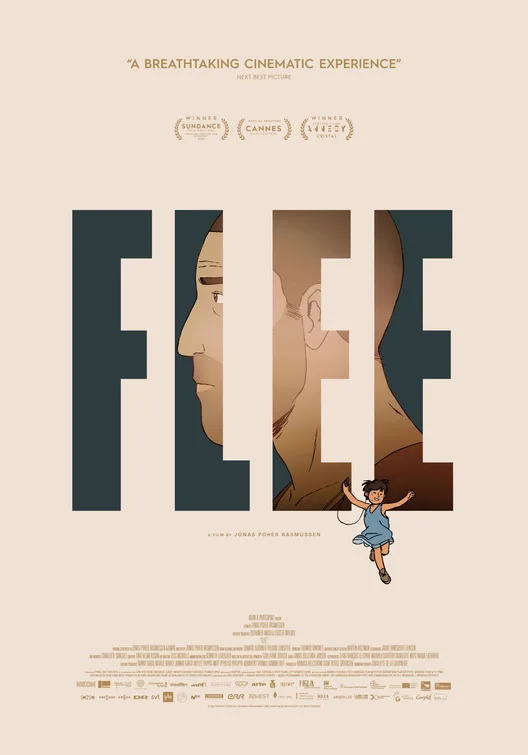
What changes Its own story: The interview frame gives Amin space to narrate a refugee journey whose undisclosed details still affect his plans for the future.
In animated documentary form, Amin tells director Jonas Poher Rasmussen the story of his childhood in Afghanistan and the flight that eventually brought him to Denmark. Amin has not shared every part of this history, even with his partner, and the interviews unfold alongside memories, archival material and animated reconstructions. The film connects displacement to trust, intimacy and the possibility of building a home.
A young woman's developing identity is repeatedly reshaped by repression at home and displacement abroad.
Why this matches +
These films share important themes, atmosphere or storytelling interests with this selection.
Genres: Animation / Drama
The approach A dramatic feature rather than documentary footage.
Shared film traits
Based on recorded story, mood and style. Your preferences can change the order.
War and civilian life
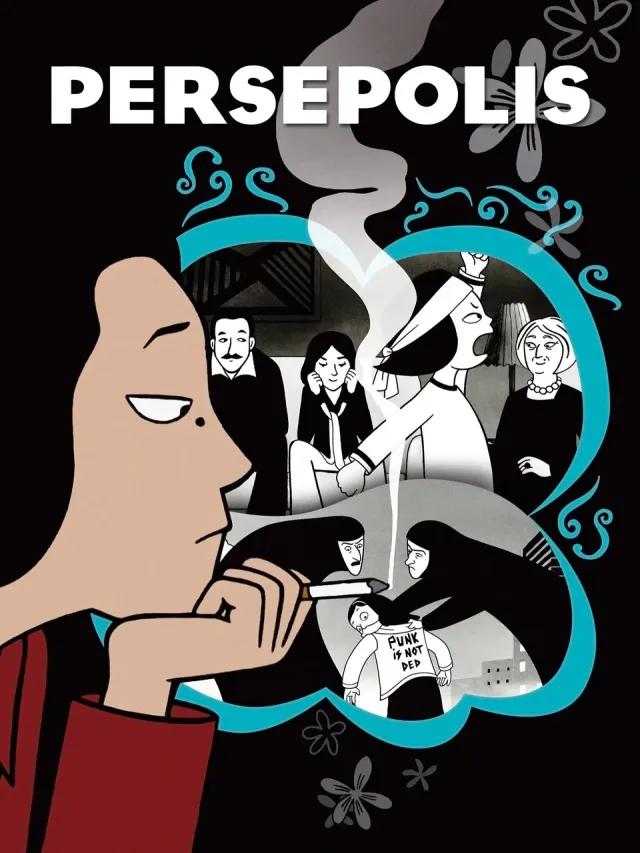
What changes Its own story: A young woman's developing identity is repeatedly reshaped by repression at home and displacement abroad.
An Iranian girl grows up amid revolution, political repression and war, absorbing both family dissent and official restrictions. Education abroad offers distance but also loneliness, prejudice and uncertainty about belonging. Recounting her passage into adulthood, she connects intimate embarrassment and rebellion with the political forces that repeatedly determine where and how she can live.
Former perpetrators devise cinematic scenes about their actions, and the filmmaking process brings their accounts into view alongside the human consequences they avoid.
Why this matches +
These films share important themes, atmosphere or storytelling interests with this selection.
Genres: Documentary / History
Shared film traits
Based on recorded story, mood and style. Your preferences can change the order.
Memory and identity
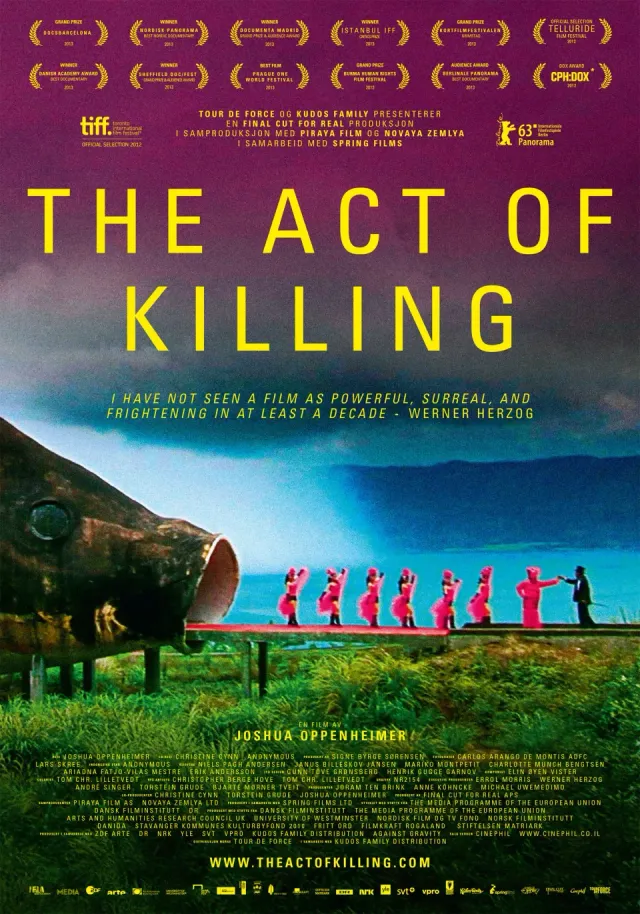
What changes Its own story: Former perpetrators devise cinematic scenes about their actions, and the filmmaking process brings their accounts into view alongside the human consequences they avoid.
Documentarians give former Indonesian death-squad leader Anwar Congo and other men involved in the 1965–66 killings the freedom to stage scenes from their past in styles drawn from the movies they admire. The participants move between reenactment, interviews and everyday life, performing versions of their own histories while discussing how they understand them. Their choices expose the distance between public self-image and the violence remembered by victims and survivors.
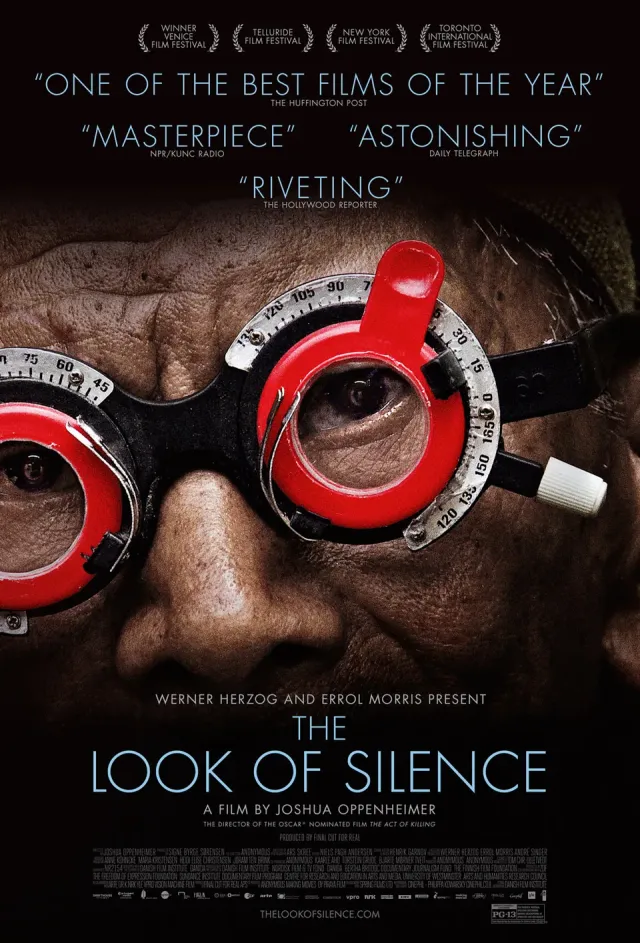
Adi uses recordings and face-to-face conversations to ask former perpetrators about the killing of his brother and the history carried by his family.
Why this matches +
These films share important themes, atmosphere or storytelling interests with this selection.
Genres: Documentary / History
Shared film traits
Based on recorded story, mood and style. Your preferences can change the order.
Memory and identity
What changes Its own story: Adi uses recordings and face-to-face conversations to ask former perpetrators about the killing of his brother and the history carried by his family.
Adi Rukun, an Indonesian optometrist, grew up after his older brother Ramli was killed during the 1965–66 anti-communist purges. While serving customers, Adi watches recordings of former perpetrators describing the violence and decides to meet some of them with his family’s story in hand. He asks direct questions about what happened and how they understand their actions. Joshua Oppenheimer’s documentary centers on the risks and emotional strain of confronting a history that remains publicly unresolved.
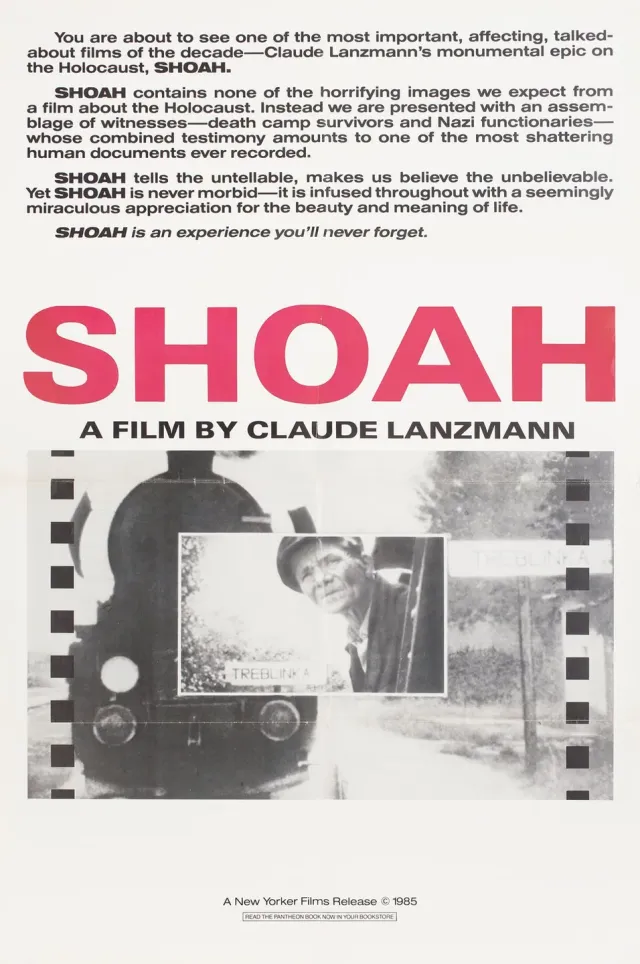
The documentary’s length and interview method make testimony itself the structure through which the history is approached.
Why this matches +
These films share important themes, atmosphere or storytelling interests with this selection.
Genres: Documentary / Historical
Shared film traits
Based on recorded story, mood and style. Your preferences can change the order.
War and civilian life · Memory and identity
What changes Its own story: The documentary’s length and interview method make testimony itself the structure through which the history is approached.
Claude Lanzmann’s documentary returns to Holocaust sites in Poland and builds its account through extended interviews with survivors, witnesses and perpetrators. Its conversations and location visits focus particularly on Chełmno, Treblinka, Auschwitz-Birkenau and the Warsaw Ghetto. Rather than present the history as a short narrated overview, the film gives testimony time to unfold, following memories, evasions and difficult acts of explanation across languages and perspectives. Made over eleven years and running more than nine hours, it asks viewers to stay with individual accounts and with the landscapes where mass murder occurred. The work’s scale and patient method make remembrance an encounter with people who experienced, observed or carried out the events.
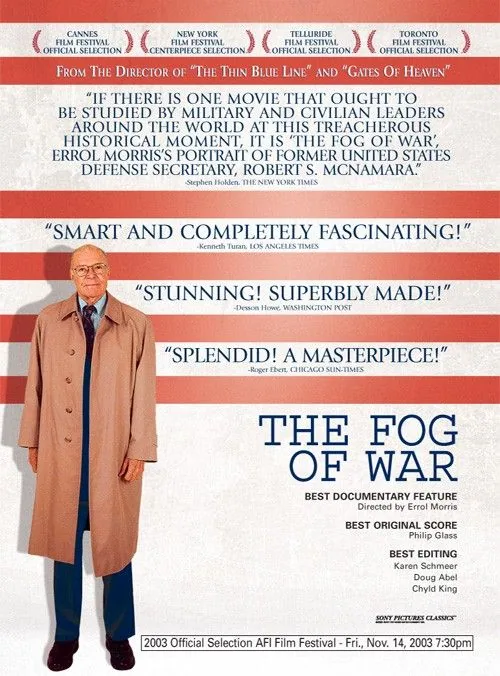
McNamara’s explanations reveal both his willingness to criticize past decisions and his limits in accounting for them.
Why this matches +
These films share important themes, atmosphere or storytelling interests with this selection.
Genres: Documentary / History
Shared film traits
Based on recorded story, mood and style. Your preferences can change the order.
War and civilian life · Memory and identity
What changes Its own story: McNamara’s explanations reveal both his willingness to criticize past decisions and his limits in accounting for them.
Director Errol Morris interviews former U.S. Secretary of Defense Robert McNamara, pairing his recollections with archival footage and recordings from government discussions. Structured around eleven lessons, the documentary follows McNamara’s life and examines his role in the bombing campaigns of World War II, the Cuban Missile Crisis and the escalation of the Vietnam War. He reflects on how leaders make decisions with incomplete information and sometimes speaks critically about his own actions. The film leaves viewers weighing the distance between strategic reasoning and human consequences.
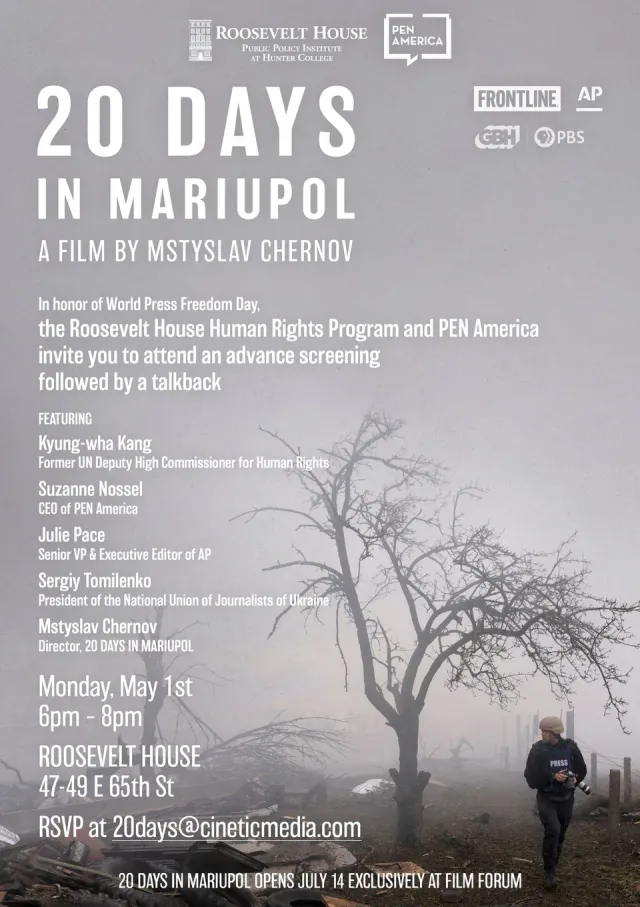
A siege progressively removes communication and escape options, so filming civilian suffering and finding a way to transmit the evidence become inseparable parts of the journalists' work.
Why this matches +
These films explore a related idea in a different setting, genre or style.
An adjacent discovery: a related idea with a different viewing experience.
Genres: Documentary / War
Shared film traits
Based on recorded story, mood and style. Your preferences can change the order.
War and civilian life
What changes Its own story: A siege progressively removes communication and escape options, so filming civilian suffering and finding a way to transmit the evidence become inseparable parts of the journalists' work.
During the opening weeks of Russia's full scale invasion of Ukraine, an Associated Press team remains in Mariupol as bombardment destroys civilian life and communications fail. Recording emergency medicine, bereavement and displacement is only part of their work: getting the images out becomes an urgent struggle of its own. The documentary follows both the people enduring the siege and the practical, ethical burden of making evidence of their suffering visible beyond an increasingly isolated city.
Twins follow their mother's final instructions into a past marked by war and concealed family history.
Why this matches +
These films explore a related idea in a different setting, genre or style.
An adjacent discovery: a related idea with a different viewing experience.
Genres: Drama / Mystery
The approach A dramatic feature rather than documentary footage.
Shared film traits
Based on recorded story, mood and style. Your preferences can change the order.
War and civilian life · Memory and identity
What changes Its own story: Twins follow their mother's final instructions into a past marked by war and concealed family history.
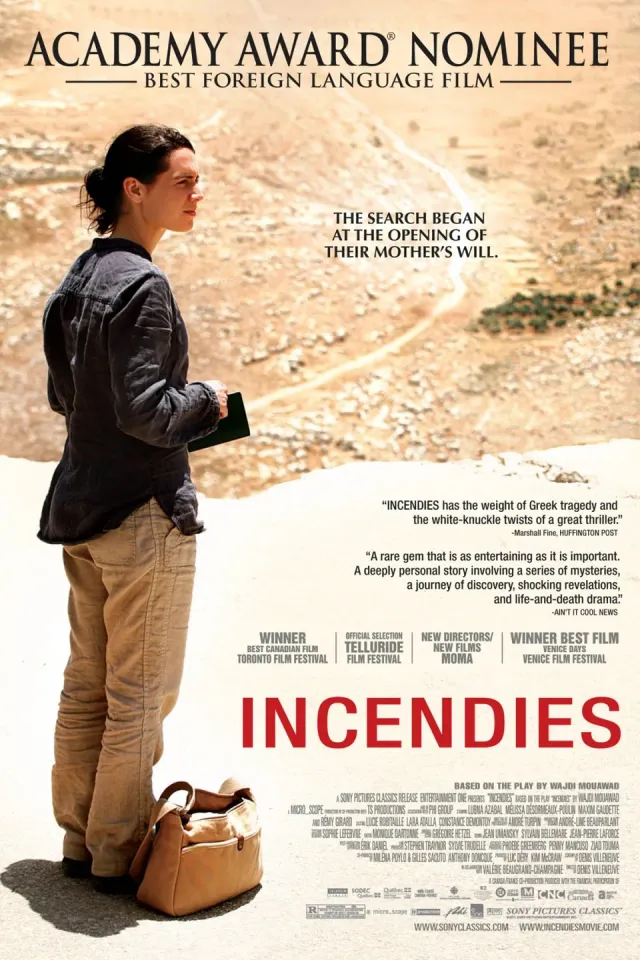
After their mother's death, twins Jeanne and Simon receive instructions from her will to find a father they thought was dead and a brother they never knew existed. Jeanne follows the clues to their mother's past in a country scarred by civil war, while the film gradually reconstructs the choices and violence that shaped the family. Denis Villeneuve's drama interweaves a present-day investigation with wartime history, making memory and inheritance difficult to separate.
Basel keeps documenting demolitions and fighting displacement as the village's legal and political options narrow.
Why this matches +
These films explore a related idea in a different setting, genre or style.
An adjacent discovery: a related idea with a different viewing experience.
Genres: Documentary / History
Shared film traits
Based on recorded story, mood and style. Your preferences can change the order.
War and civilian life
What changes Its own story: Basel keeps documenting demolitions and fighting displacement as the village's legal and political options narrow.
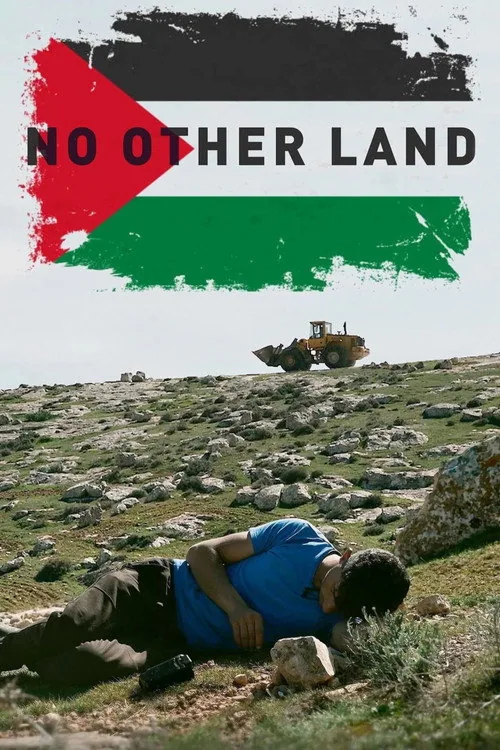
Filmed over several years, this documentary follows Palestinian activist Basel Adra as Israeli military authorities demolish homes and structures in the West Bank region of Masafer Yatta. Basel records the destruction and organizes with residents, while Israeli journalist Yuval Abraham joins him to report on the community's struggle. Their collaboration creates a personal friendship across unequal political positions without softening the ongoing displacement. The film is built from direct footage of protests, demolitions, and daily life, showing the work of bearing witness as a form of resistance.
A boy seeking to join the resistance is pulled into civilian extermination and the devastation of occupied Belarus, where each encounter removes another layer of childhood expectation. Flyora's changing face registers damage more than a conventional victory arc.
Why this matches +
These films explore a related idea in a different setting, genre or style.
An adjacent discovery: a related idea with a different viewing experience.
Genres: War / Drama
The approach A dramatic feature rather than documentary footage.
Shared film traits
Based on recorded story, mood and style. Your preferences can change the order.
War and civilian life
What changes Its own story: A boy seeking to join the resistance is pulled into civilian extermination and the devastation of occupied Belarus, where each encounter removes another layer of childhood expectation. Flyora's changing face registers damage more than a conventional victory arc.
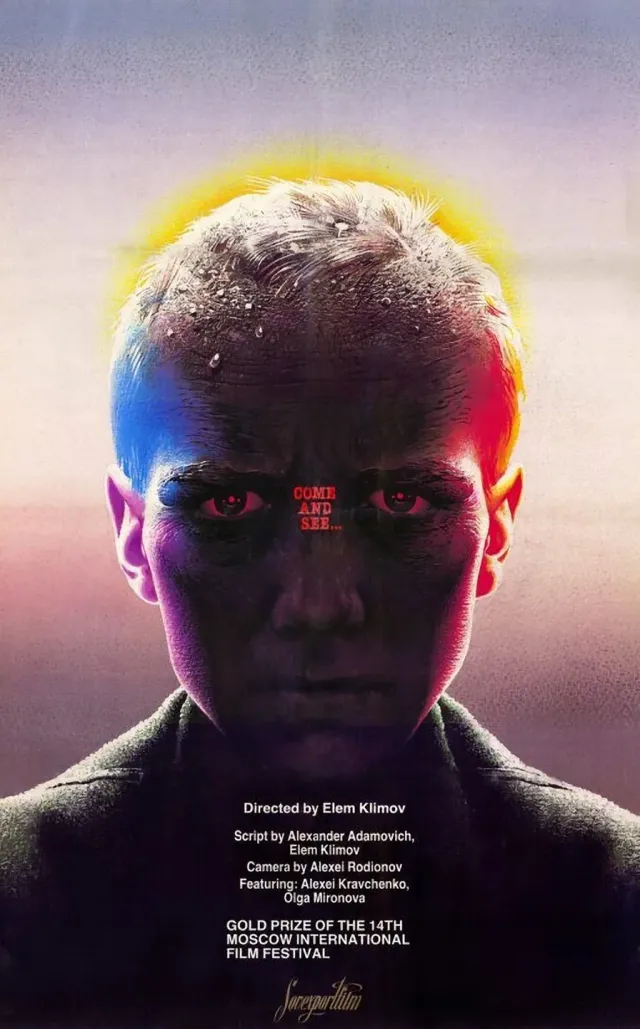
Teenager Flyora joins partisans in Nazi-occupied Belarus, expecting resistance to be a path into action. Instead, the film follows a child through the destruction of villages and the murder of civilians, making atrocity a lived sensory experience rather than an abstract lesson about war. His face, sound and shifting perception carry the cost of witnessing; the historical specificity of occupation and extermination should not be flattened into a claim that every conflict is equivalent. This is an exceptionally intense film, not a conventional battlefield adventure. The film's closing newsreel montage runs backward, refusing a comforting return to innocence.
A contested advance places command pressure against the cost of sending particular men into danger, while shifting perspectives continually exceed the official mission.
Why this matches +
These films explore a related idea in a different setting, genre or style.
An adjacent discovery: a related idea with a different viewing experience.
Genres: Drama / War
The approach A dramatic feature rather than documentary footage.
Shared film traits
Based on recorded story, mood and style. Your preferences can change the order.
War and civilian life
What changes Its own story: A contested advance places command pressure against the cost of sending particular men into danger, while shifting perspectives continually exceed the official mission.
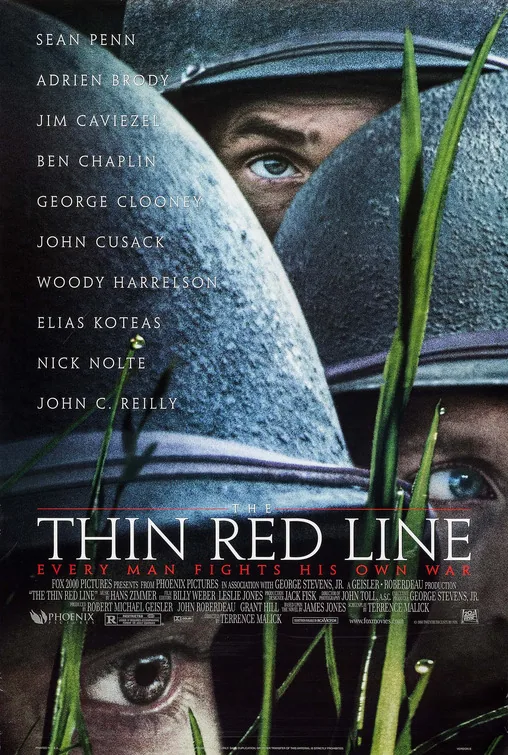
An American infantry company arrives on Guadalcanal and confronts a landscape whose beauty offers no protection from military objectives or unpredictable killing. Attempts to capture a defended position expose differences between career ambition, tactical responsibility and the soldiers' private attachments. Multiple voices reflect on nature, violence and loss as the campaign continues, making neither strategic progress nor individual courage sufficient to explain what the men experience.
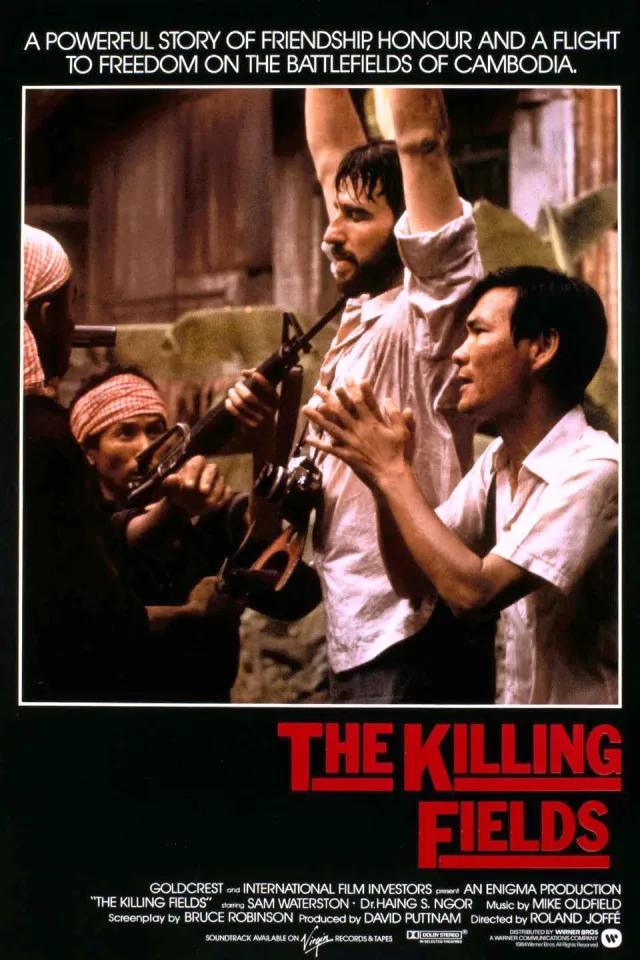
The decision to stay with his family in Cambodia separates Pran from Schanberg; the parallel storylines keep their friendship present across years and radically different circumstances.
Why this matches +
These films explore a related idea in a different setting, genre or style.
An adjacent discovery: a related idea with a different viewing experience.
Genres: Drama / Biography
The approach A dramatic feature rather than documentary footage.
Shared film traits
Based on recorded story, mood and style. Your preferences can change the order.
War and civilian life
What changes Its own story: The decision to stay with his family in Cambodia separates Pran from Schanberg; the parallel storylines keep their friendship present across years and radically different circumstances.
New York Times reporter Sydney Schanberg and Cambodian journalist and interpreter Dith Pran work together as Cambodia’s civil war intensifies. When the Khmer Rouge take Phnom Penh, Schanberg helps Pran’s family leave, but Pran stays and is captured. Schanberg and photographer Al Rockoff struggle to survive the immediate upheaval and later try to secure Pran’s release. The film follows the friends on separate paths: Schanberg returns to the United States carrying guilt over his colleague’s disappearance, while Pran endures forced labor and attempts to escape. Their eventual reunion joins a personal story of loyalty to a depiction of the Khmer Rouge period, which the feature dramatizes rather than comprehensively documents.
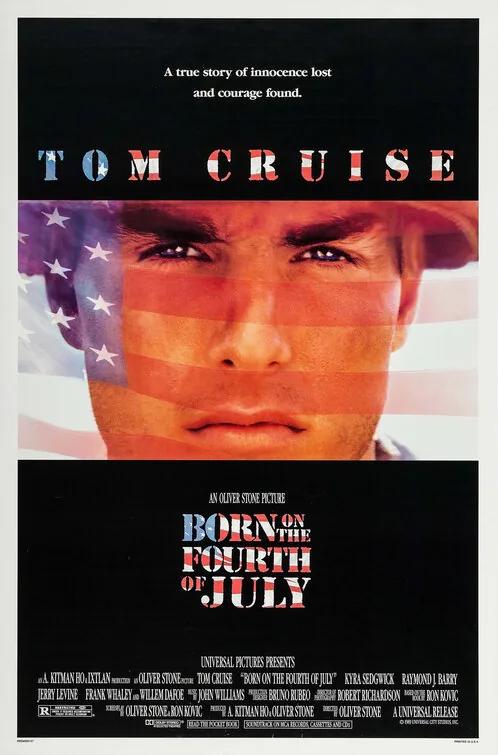
A disabling combat injury exposes the gap between patriotic promises and veterans' material treatment, redirecting Ron's loyalty toward organized opposition and public testimony. The political turn grows from failed care and encounters with other veterans.
Why this matches +
These films explore a related idea in a different setting, genre or style.
An adjacent discovery: a related idea with a different viewing experience.
Genres: Drama / War
The approach A dramatic feature rather than documentary footage.
Shared film traits
Based on recorded story, mood and style. Your preferences can change the order.
War and civilian life
What changes Its own story: A disabling combat injury exposes the gap between patriotic promises and veterans' material treatment, redirecting Ron's loyalty toward organized opposition and public testimony. The political turn grows from failed care and encounters with other veterans.
Raised on patriotic ritual, Ron Kovic volunteers for Vietnam believing service will make inherited ideals real. A catastrophic injury, inadequate care and a difficult return home unsettle that belief, while family expectations and encounters with other veterans turn private anger toward public speech. The film follows a changing political identity rather than a simple recovery arc: disability persists, and activism does not restore the life he imagined before enlistment. Kovic's story is personal and dramatized, not a universal account of veterans or the war.
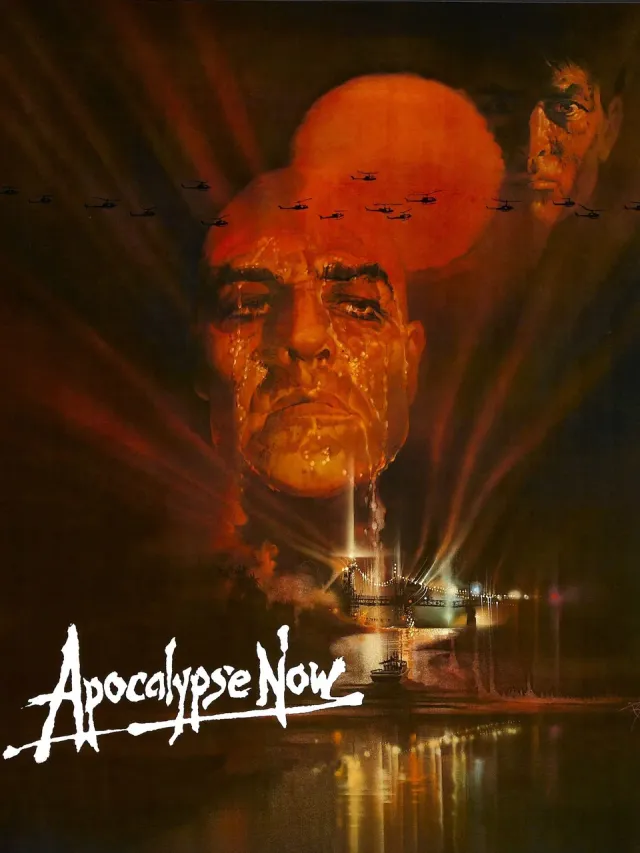
A covert assassination journey gradually undermines the moral and institutional categories used to justify the mission.
Why this matches +
These films explore a related idea in a different setting, genre or style.
An adjacent discovery: a related idea with a different viewing experience.
Genres: Drama / Thriller
The approach A dramatic feature rather than documentary footage.
Shared film traits
Based on recorded story, mood and style. Your preferences can change the order.
War and civilian life
What changes Its own story: A covert assassination journey gradually undermines the moral and institutional categories used to justify the mission.
An American officer in the Vietnam War receives secret orders to travel upriver and eliminate a commander whose independent authority has become unacceptable to his superiors. Moving with a patrol-boat crew exposes a succession of military performances, civilian suffering and breakdowns in ordinary explanation. Approaching the target makes the assignment's official distinction between disciplined violence and madness increasingly difficult to sustain.
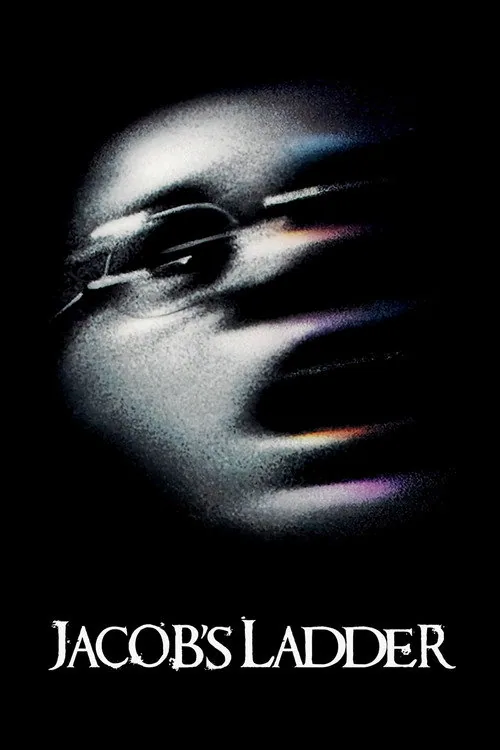
Jacob’s attempts to understand his hallucinations lead him toward a possible explanation for what happened to his unit.
Why this matches +
These films explore a related idea in a different setting, genre or style.
An adjacent discovery: a related idea with a different viewing experience.
Genres: Horror / Drama
The approach A dramatic feature rather than documentary footage.
Shared film traits
Based on recorded story, mood and style. Your preferences can change the order.
Memory and identity
What changes Its own story: Jacob’s attempts to understand his hallucinations lead him toward a possible explanation for what happened to his unit.
After returning from Vietnam, former soldier Jacob Singer lives in Brooklyn and is troubled by disturbing visions, fragmented memories, and the sense that reality keeps shifting around him. His search for an explanation draws in fellow veterans and people from his present life, but each apparent answer deepens the uncertainty. Adrian Lyne’s psychological horror film moves between memory, paranoia, and spiritual imagery, asking viewers to experience Jacob’s disorientation rather than rely on a stable investigative viewpoint.
A communal departure, wartime captivity and fractured return reveal how violence changes the possibility of resuming an earlier life.
Why this matches +
These films explore a related idea in a different setting, genre or style.
An adjacent discovery: a related idea with a different viewing experience.
Genres: Drama / War
The approach A dramatic feature rather than documentary footage.
Shared film traits
Based on recorded story, mood and style. Your preferences can change the order.
War and civilian life
What changes Its own story: A communal departure, wartime captivity and fractured return reveal how violence changes the possibility of resuming an earlier life.
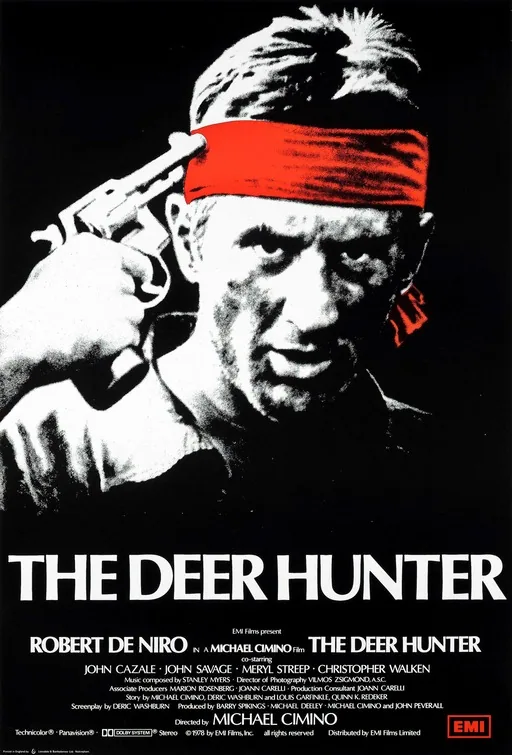
Three friends from a Pennsylvania steelworking community leave for service in Vietnam after a wedding that draws together their social world. Captivity and extreme coercion rupture their shared assumptions, and returning home does not restore the relationships or confidence the departure seemed to guarantee. A renewed effort to recover a missing friend makes survival inseparable from confronting damage that cannot be solved by reproducing familiar rituals.
A teenage affair resurfaces in a war-crimes trial, forcing Michael to reconcile private memory with Hanna's public culpability and concealed shame.
Why this matches +
These films explore a related idea in a different setting, genre or style.
An adjacent discovery: a related idea with a different viewing experience.
Genres: Drama / Romance
The approach A dramatic feature rather than documentary footage.
Shared film traits
Based on recorded story, mood and style. Your preferences can change the order.
What changes Its own story: A teenage affair resurfaces in a war-crimes trial, forcing Michael to reconcile private memory with Hanna's public culpability and concealed shame.
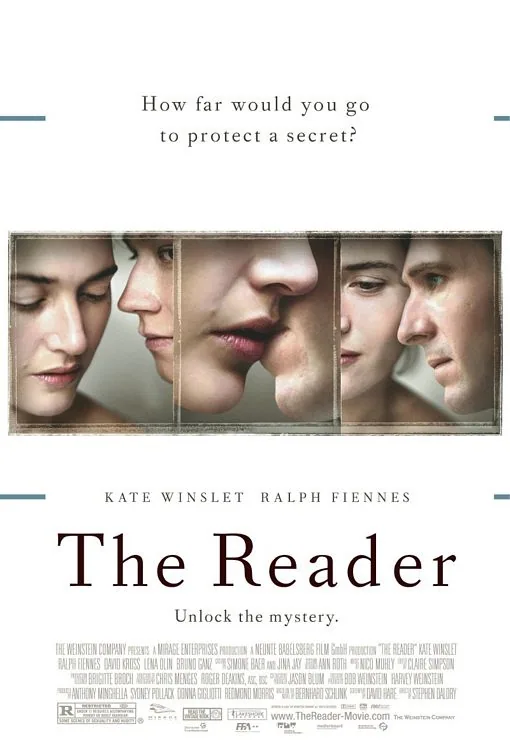
In 1958, fifteen-year-old Michael Berg begins a secret relationship with Hanna Schmitz, an older tram conductor who asks him to read aloud to her. Hanna disappears without explanation; years later, Michael sees her among former Nazi camp guards on trial for the deaths of prisoners during a death march. As a law student observing the proceedings, he recognizes details from their relationship and learns that shame about illiteracy is shaping how Hanna responds to the court. The revelation complicates Michael's memory of the affair without erasing the power imbalance or Hanna's crimes. He later records books for her in prison, but the connection remains defined by what he cannot say. The film links intimacy, literacy and postwar responsibility through one man's long, conflicted recollection.
Trevor’s attempts to verify Ivan’s presence and understand the accident lead him toward a memory he has kept out of view.
Why this matches +
These films explore a related idea in a different setting, genre or style.
An adjacent discovery: a related idea with a different viewing experience.
Genres: Drama / Thriller
The approach A dramatic feature rather than documentary footage.
Shared film traits
Based on recorded story, mood and style. Your preferences can change the order.
What changes Its own story: Trevor’s attempts to verify Ivan’s presence and understand the accident lead him toward a memory he has kept out of view.
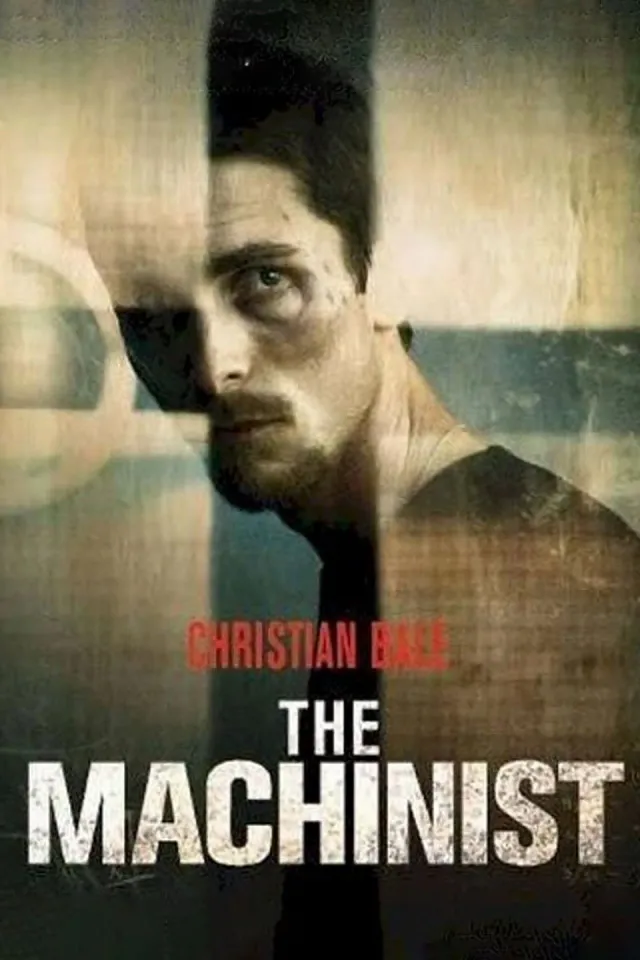
Factory machinist Trevor Reznik has not slept for a year and is growing dangerously thin. An accident at work leaves a colleague injured, but Trevor’s coworkers dispute his account of the events. He begins noticing a mysterious stranger named Ivan and finds cryptic messages that seem to implicate him in a hidden incident. As insomnia fractures his grasp on ordinary life, Trevor tries to reconstruct what happened and why people around him appear to be withholding information. Brad Anderson’s psychological thriller uses a shrinking, unreliable perspective to make guilt and exhaustion part of the mystery.
A revenge investigation depends on external records whose meaning cannot be separated from the purposes behind their creation.
Why this matches +
These films explore a related idea in a different setting, genre or style.
An adjacent discovery: a related idea with a different viewing experience.
Genres: Mystery / Thriller
The approach A dramatic feature rather than documentary footage.
Shared film traits
Based on recorded story, mood and style. Your preferences can change the order.
Memory and identity
What changes Its own story: A revenge investigation depends on external records whose meaning cannot be separated from the purposes behind their creation.
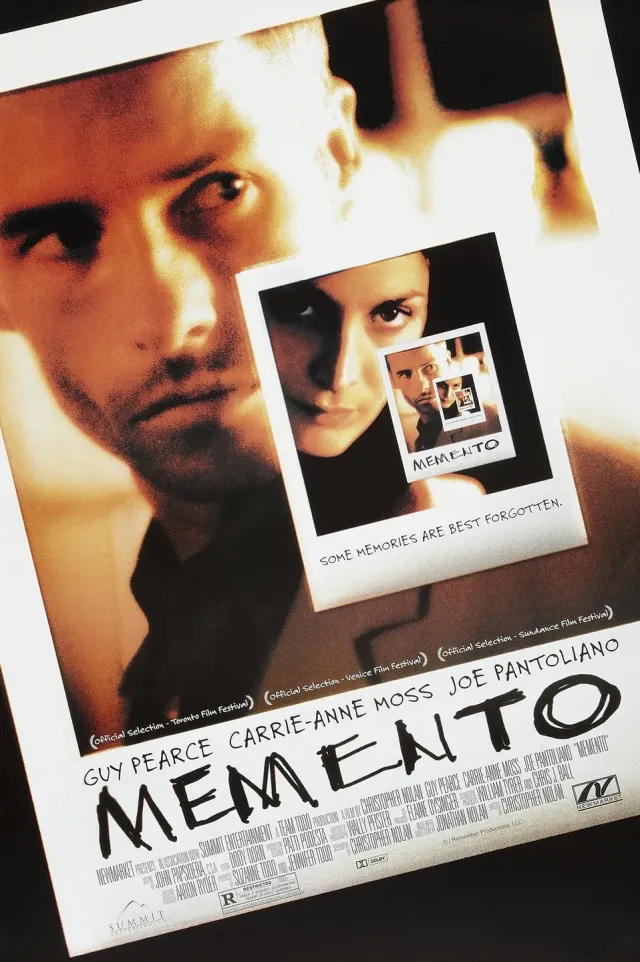
A man unable to form lasting new memories searches for the person he believes killed his wife, using photographs, notes and tattoos to orient each encounter. People offering help have information he cannot independently retain, while his own records appear to promise a certainty they may not deserve. Interlocking sequences make the audience repeatedly reconstruct how a confident action emerged from incomplete knowledge.
Stephens’s search for damages is tangled with his inability to repair his relationship with his daughter.
Why this matches +
These films explore a related idea in a different setting, genre or style.
An adjacent discovery: a related idea with a different viewing experience.
Genres: Drama
The approach A dramatic feature rather than documentary footage.
Shared film traits
Based on recorded story, mood and style. Your preferences can change the order.
Memory and identity
What changes Its own story: Stephens’s search for damages is tangled with his inability to repair his relationship with his daughter.
A school bus crash kills fourteen children in the small British Columbia town of Sam Dent. Lawyer Mitchell Stephens arrives to organize a lawsuit, carrying private grief over his estranged daughter’s addiction. The case depends on testimony from survivors and the bus driver, and Stephens tries to shape what the witnesses will say about the crash. Nicole Burnell, a teenager who survived with a serious injury, makes a choice at her deposition that stops the suit. Her decision leaves the community to live with grief outside the promise of legal compensation.
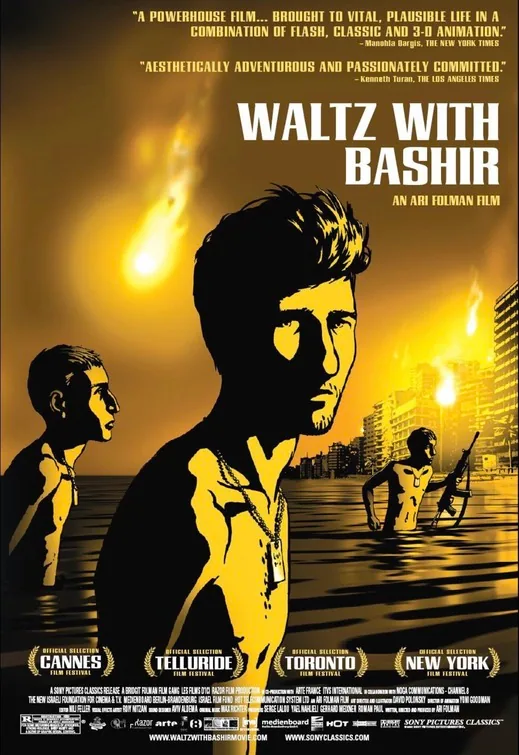
An Israeli veteran tries to recover memories of his service during the 1982 Lebanon War after a former comrade describes a recurring nightmare. Conversations with other veterans lead toward the events surrounding the Sabra and Shatila massacre and the narrator’s own missing recollections. The animated documentary combines testimony, dream imagery and uncertain memory to explore responsibility, trauma and the difficulty of witnessing violence one has helped enable.
What drives the story
The search for a missing memory becomes an inquiry into what the witnesses saw and what they could bear to remember.
The people at its centre
The filmmaker’s questions draw out different forms of evasion, guilt and partial testimony from fellow veterans.
What it feels like
Animated dream sequences make trauma visible without claiming that memory returns as a simple record.
Worth knowing
An animated testimonial documentary differs from a conventional battlefield history told through archival footage.
MemoryWarResponsibility
Mood
Haunting · Reflective · Disturbing
Pacing
Associative · Revelatory
Visual style
Documentary animation
Storytelling
Veteran interviews · War memory · Massacre recollection