A traumatized child insists on continuing reconnaissance while adult attempts to protect him collide with his determination to remain inside the conflict that destroyed his family.
Why this matches +
Selected for the central appeal: Devastating wartime dramas seen through children or civilians exposed to mass violence.
Genres: War / Drama
Shared film traits
Based on recorded story, mood and style. Your preferences can change the order.
War and civilian life
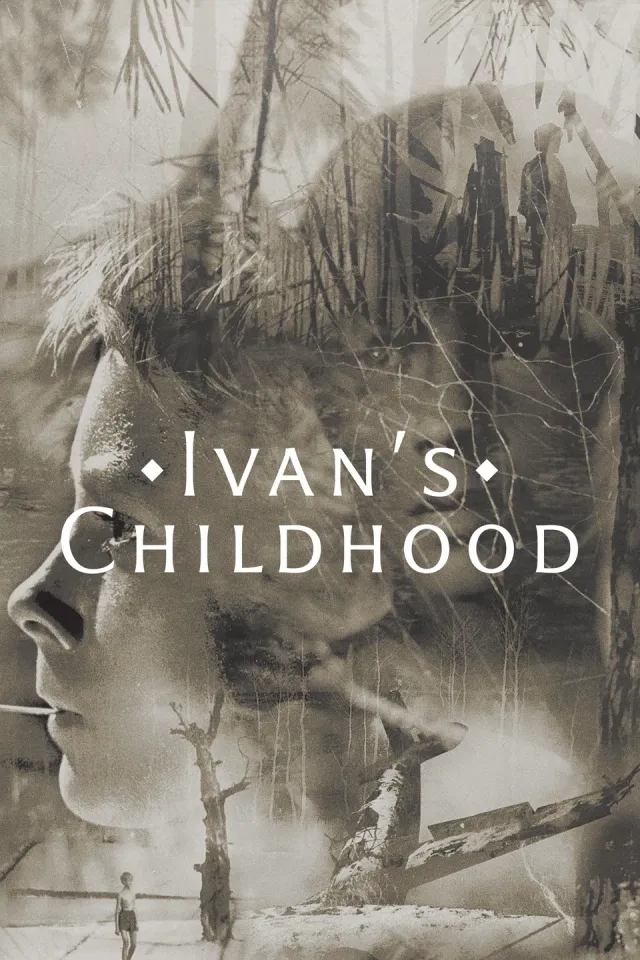
What changes Ivan's Childhood follows a child drawn into resistance against Nazi occupation and shows how war consumes childhood, using a scout's fragmented memories rather than Flyora's descent into village atrocity.
A boy whose family has been destroyed by war crosses dangerous territory to report intelligence to Soviet soldiers. Officers attempt to redirect him toward safety, but revenge and the disappearance of ordinary childhood make another life difficult for him to imagine. Dreams interrupt the military present with tactile images of affection and freedom. The film places a child's usefulness to war beside what that usefulness cannot restore, refusing to let competence in danger stand as proof that his damaged world has become acceptable.
Agu’s path into the armed group is driven by the loss of safety and family.
Why this matches +
These offer a related experience with a meaningful difference in story, tone, or presentation.
An adjacent discovery: a related idea with a different viewing experience.
Genres: War / Drama
Shared film traits
Based on recorded story, mood and style. Your preferences can change the order.
War and civilian life · Survival
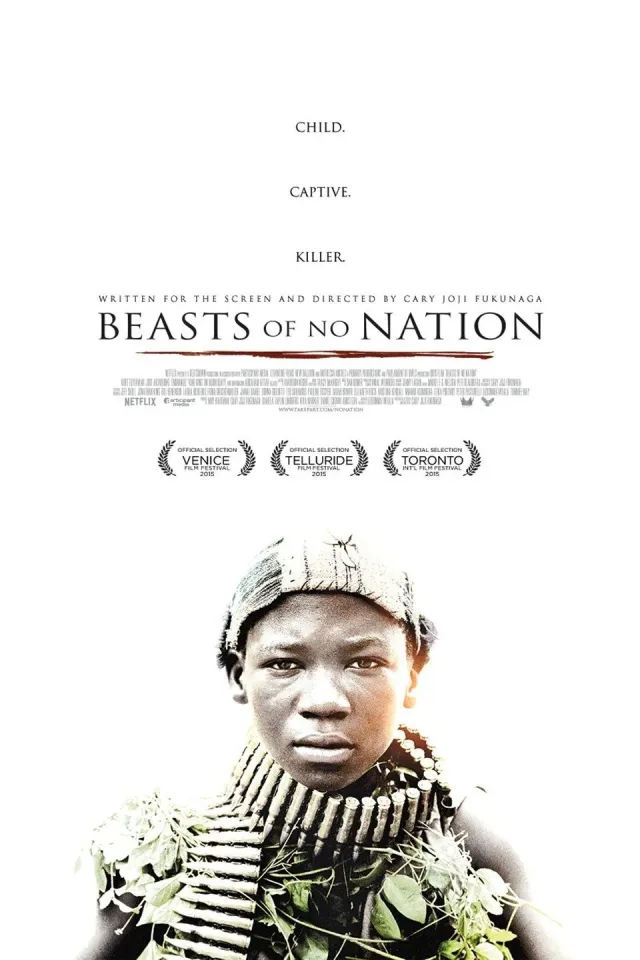
What changes Beasts of No Nation follows a boy drawn into armed conflict and subjected to traumatic violence, in a fictional West African civil war rather than occupied Belarus.
Agu’s life in a West African village is shattered when civil conflict separates him from his family and he is taken in by a rebel commander. He is trained as a child soldier and drawn into acts that reshape how he understands childhood, loyalty and survival. Cary Joji Fukunaga stays close to Agu’s point of view, making the film an intimate and harrowing portrait of war’s effects on a child rather than a conventional battlefield adventure.
Aida’s work gives her access to information but not the authority to guarantee safety.
Why this matches +
These offer a related experience with a meaningful difference in story, tone, or presentation.
An adjacent discovery: a related idea with a different viewing experience.
Genres: Drama / War
Shared film traits
Based on recorded story, mood and style. Your preferences can change the order.
War and civilian life · Survival
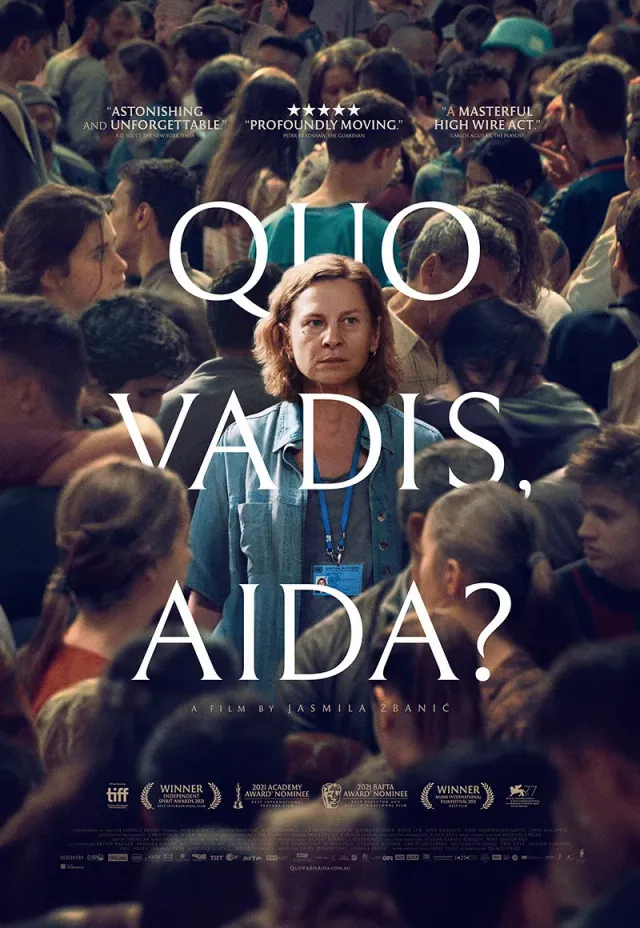
What changes Quo Vadis, Aida? centers civilians facing organized mass killing during the Bosnian war, using a mother's urgent efforts to protect her family rather than a teenage partisan's viewpoint.
During the 1995 siege of Srebrenica, Aida works as a translator for the UN peacekeeping force while her husband and sons seek safety. She moves between officials, negotiations and the crowd outside the base, trying to use her access to protect her family as the crisis worsens. Jasmila Žbanić keeps the story close to Aida’s limited knowledge, making translation and bureaucratic procedure part of a harrowing drama about civilian survival and institutional failure.
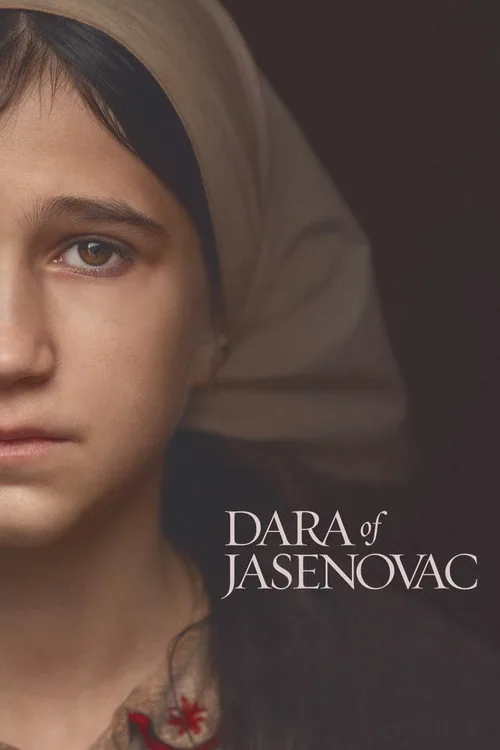
Dara’s efforts to stay with and protect her younger brother unfold under the camp system’s routine threat of separation and violence.
Why this matches +
These offer a related experience with a meaningful difference in story, tone, or presentation.
An adjacent discovery: a related idea with a different viewing experience.
Genres: Drama / History
Shared film traits
Based on recorded story, mood and style. Your preferences can change the order.
War and civilian life · Survival
What changes Dara of Jasenovac follows a child amid wartime persecution and mass violence, focusing on a camp rather than a partisan's journey through occupied villages.
During the Second World War, a young girl named Dara and her family are sent to the Jasenovac concentration camp, where the Ustaše regime imprisoned and murdered Serbs, Jews, Roma, and political opponents. The story follows Dara’s attempts to protect her younger brother and preserve family bonds amid forced separation and extreme violence. Based on survivor testimonies, the Serbian historical drama places a child’s point of view within the reality of mass atrocity. It contains explicit material about genocide, camp violence, and children in danger.
A search for refuge from wartime bombing becomes a journey through the limits of a mother’s protection and the aftermath of sexual violence.
Why this matches +
These offer a related experience with a meaningful difference in story, tone, or presentation.
An adjacent discovery: a related idea with a different viewing experience.
Genres: Drama / War
Shared film traits
Based on recorded story, mood and style. Your preferences can change the order.
War and civilian life
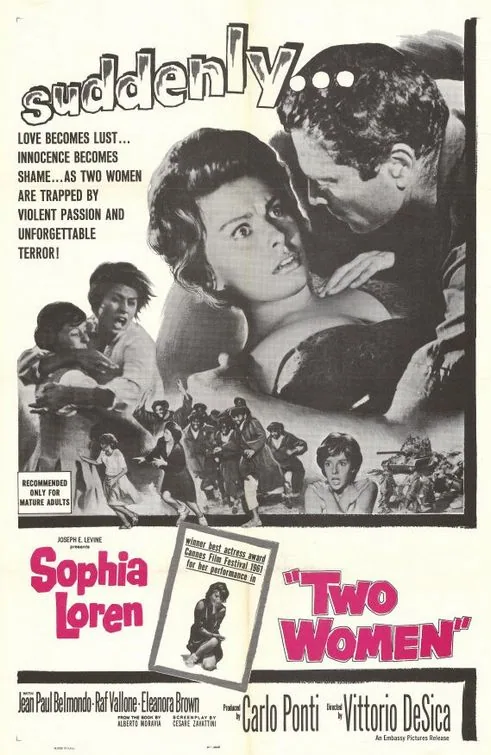
What changes Two Women follows a mother and daughter through wartime displacement and assault in Italy, concentrating on their bond rather than an occupied Belarusian village.
During the Allied bombing of Rome in 1943, widowed Cesira takes her thirteen-year-old daughter Rosetta toward the countryside she remembers as safer. They find temporary shelter and form a connection with Michele, an idealistic student whose opposition to fascism complicates his own safety. As the front shifts and mother and daughter begin the journey back, an assault by soldiers shatters Rosetta’s trust and changes their bond. The film draws on the historical memory of the 1944 mass rapes in central Italy, often called the Marocchinate, but remains a dramatization rather than a full account of that history. Cesira’s care cannot undo the harm, and survival is not a clean return to normal.
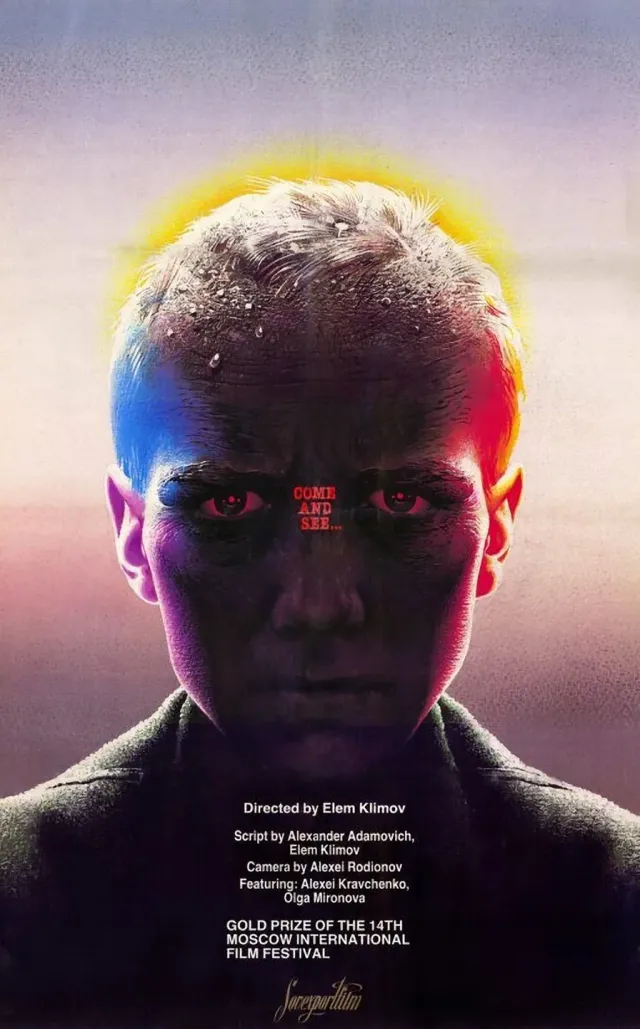
Teenager Flyora joins partisans in Nazi-occupied Belarus, expecting resistance to be a path into action. Instead, the film follows a child through the destruction of villages and the murder of civilians, making atrocity a lived sensory experience rather than an abstract lesson about war. His face, sound and shifting perception carry the cost of witnessing; the historical specificity of occupation and extermination should not be flattened into a claim that every conflict is equivalent. This is an exceptionally intense film, not a conventional battlefield adventure. The film's closing newsreel montage runs backward, refusing a comforting return to innocence.
What drives the story
A boy seeking to join the resistance is pulled into civilian extermination and the devastation of occupied Belarus, where each encounter removes another layer of childhood expectation. Flyora's changing face registers damage more than a conventional victory arc.
The people at its centre
Flyora's changing relation to the partisans and the civilians he encounters shows how a child's agency is constrained by violence far beyond his control. His partisan companions cannot shield a child from the scale of occupation violence.
What it feels like
Subjective sound, close faces and a backward-moving archival montage produce extreme sensory and emotional intensity that many viewers will find harrowing. Sound distortion and direct address create a sensory ordeal rather than distant spectacle.
Worth knowing
Match on civilian atrocity witnessing and subjective trauma in Nazi-occupied Belarus, not generic antiwar action or an assertion that distinct historical violences are interchangeable. The historical specificity of Nazi genocide in Belarus should remain named.