A boy seeking to join the resistance is pulled into civilian extermination and the devastation of occupied Belarus, where each encounter removes another layer of childhood expectation. Flyora's changing face registers damage more than a conventional victory arc.
Why this matches +
These offer a related experience with a meaningful difference in story, tone, or presentation.
An adjacent discovery: a related idea with a different viewing experience.
Genres: War / Drama
Shared film traits
Based on recorded story, mood and style. Your preferences can change the order.
War and civilian life · Survival
What changes A boy experiences the devastation of war at close range, losing the protections of childhood amid terror and forced participation.
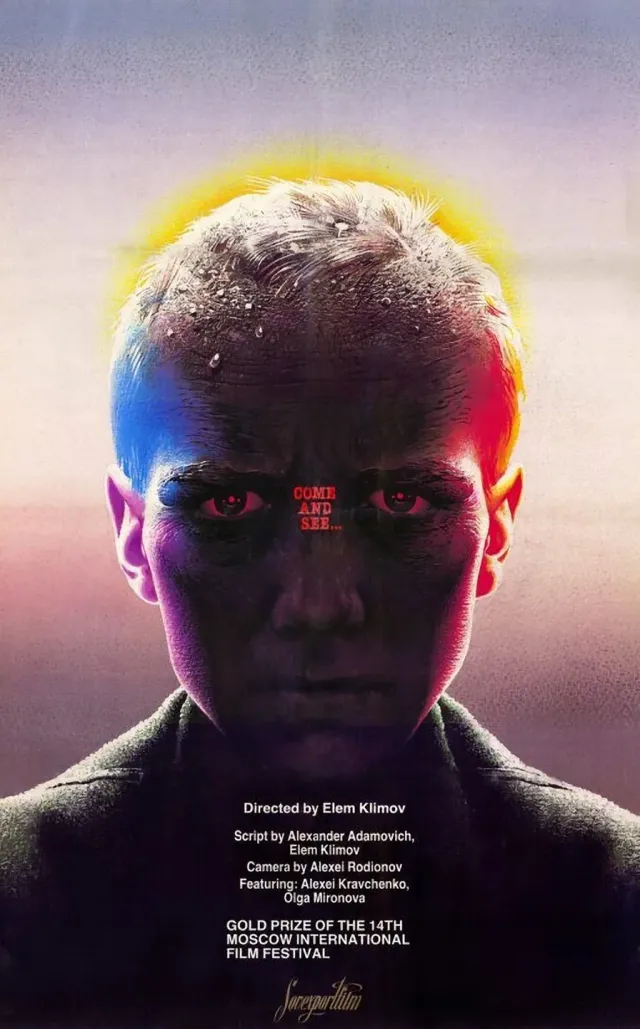
Teenager Flyora joins partisans in Nazi-occupied Belarus, expecting resistance to be a path into action. Instead, the film follows a child through the destruction of villages and the murder of civilians, making atrocity a lived sensory experience rather than an abstract lesson about war. His face, sound and shifting perception carry the cost of witnessing; the historical specificity of occupation and extermination should not be flattened into a claim that every conflict is equivalent. This is an exceptionally intense film, not a conventional battlefield adventure. The film's closing newsreel montage runs backward, refusing a comforting return to innocence.
Separation from a protected colonial household forces a child to acquire survival networks, making each apparent source of paternal protection both useful and unreliable. Internment forces a child to barter and adapt, but apparent adult protection is unstable and self-interested.
Why this matches +
These offer a related experience with a meaningful difference in story, tone, or presentation.
An adjacent discovery: a related idea with a different viewing experience.
Genres: War / Drama
Shared film traits
Based on recorded story, mood and style. Your preferences can change the order.
War and civilian life · Survival
What changes A child separated from family must survive amid war, learning how quickly familiar structures and childhood security can collapse.
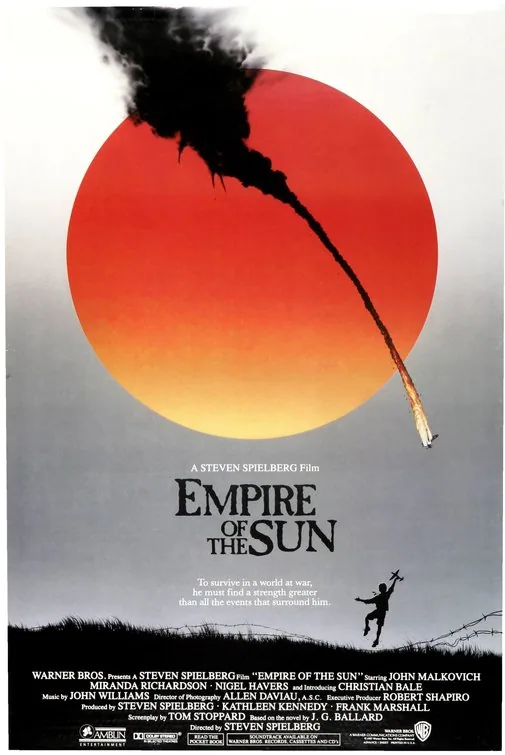
A privileged British boy separated from his parents during the Japanese occupation of Shanghai learns to survive through exchanges he could not have imagined in his protected household. Internment gives him temporary mentors, precarious alliances and an intense fascination with aircraft that does not neatly distinguish beauty from destructive force. Adaptation keeps him alive while changing what childhood reunion could mean, as the end of fighting cannot simply restore the person who entered it. Jim’s privilege shapes the wartime story: he loses colonial protection while the film remains close to his experience.
A traumatized child insists on continuing reconnaissance while adult attempts to protect him collide with his determination to remain inside the conflict that destroyed his family.
Why this matches +
These offer a related experience with a meaningful difference in story, tone, or presentation.
An adjacent discovery: a related idea with a different viewing experience.
Genres: War / Drama
Shared film traits
Based on recorded story, mood and style. Your preferences can change the order.
War and civilian life
What changes A child's wartime experiences expose the loss of innocence and psychological costs of violence from a close, unsentimental perspective.
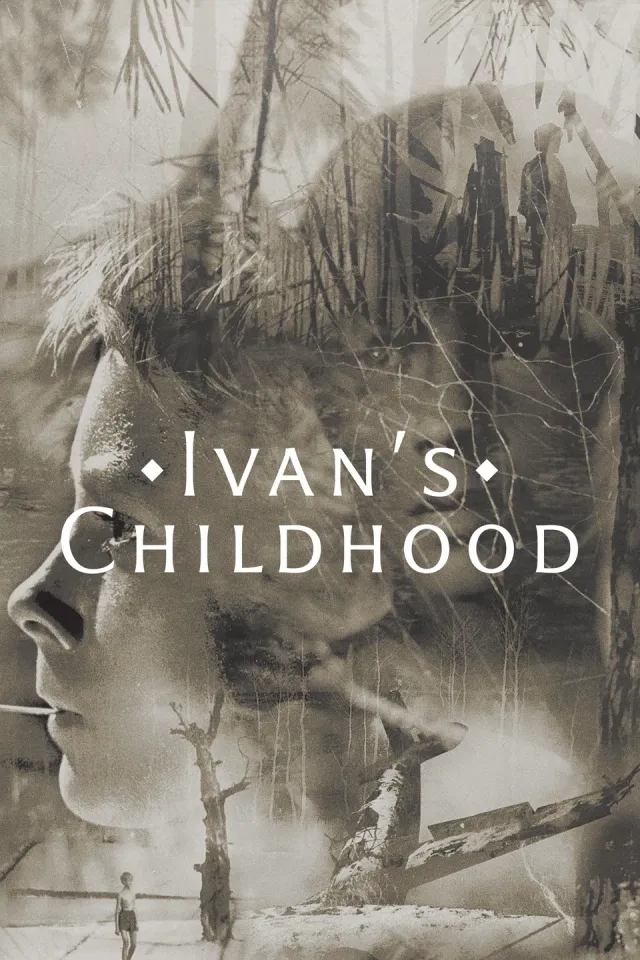
A boy whose family has been destroyed by war crosses dangerous territory to report intelligence to Soviet soldiers. Officers attempt to redirect him toward safety, but revenge and the disappearance of ordinary childhood make another life difficult for him to imagine. Dreams interrupt the military present with tactile images of affection and freedom. The film places a child's usefulness to war beside what that usefulness cannot restore, refusing to let competence in danger stand as proof that his damaged world has become acceptable.
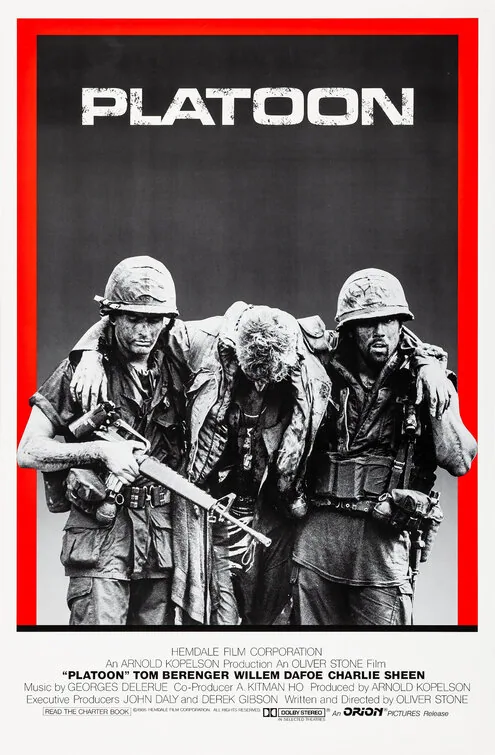
Repeated patrols expose a recruit to an escalating division within his own unit, making combat inseparable from a struggle over the conduct of war.
Why this matches +
These offer a related experience with a meaningful difference in story, tone, or presentation.
An adjacent discovery: a related idea with a different viewing experience.
Genres: Drama / Action
Shared film traits
Based on recorded story, mood and style. Your preferences can change the order.
War and civilian life
What changes A young recruit is drawn into the brutal routines of a fighting unit, confronting coercive leadership and the human costs of war.
A young American volunteer arrives in Vietnam expecting a test of courage and finds exhaustion, fear and a unit divided between two experienced sergeants. Their conflicting responses to civilians and perceived betrayal turn the platoon's internal loyalties into another source of danger. The recruit's effort to understand what kind of soldier he can become is overtaken by acts that blur the separation between survival, obedience and moral responsibility.
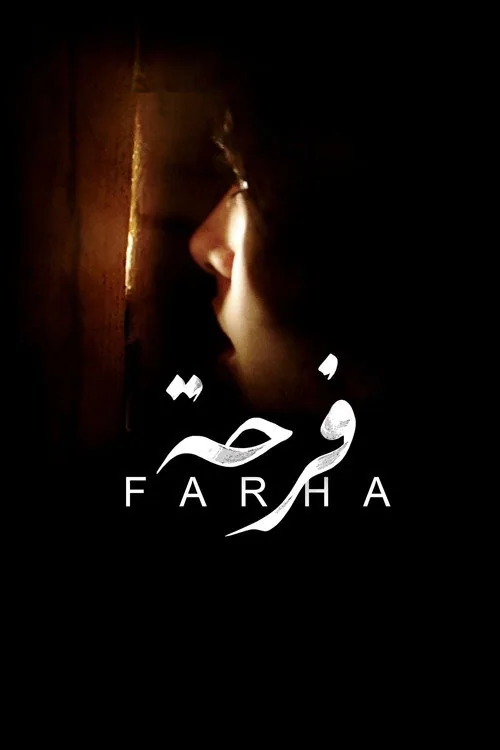
Farha’s confinement turns waiting and limited sound into the film’s central experience of surrounding violence.
Why this matches +
These offer a related experience with a meaningful difference in story, tone, or presentation.
An adjacent discovery: a related idea with a different viewing experience.
Genres: Drama / History
Shared film traits
Based on recorded story, mood and style. Your preferences can change the order.
War and civilian life · Survival
What changes A young person's perspective reveals the terror and moral injury of war as family and community are torn apart.
In 1948, fourteen-year-old Palestinian Farha hopes to continue her education in the city, while her father expects her to marry. When violence reaches their village, he locks her in a storage room for safety and promises to return. From that confined space, Farha hears and witnesses the danger around her as hours pass without news. Darin J. Sallam’s historical drama focuses on a young person’s experience of the Nakba through a restricted viewpoint and a true-story inspiration.
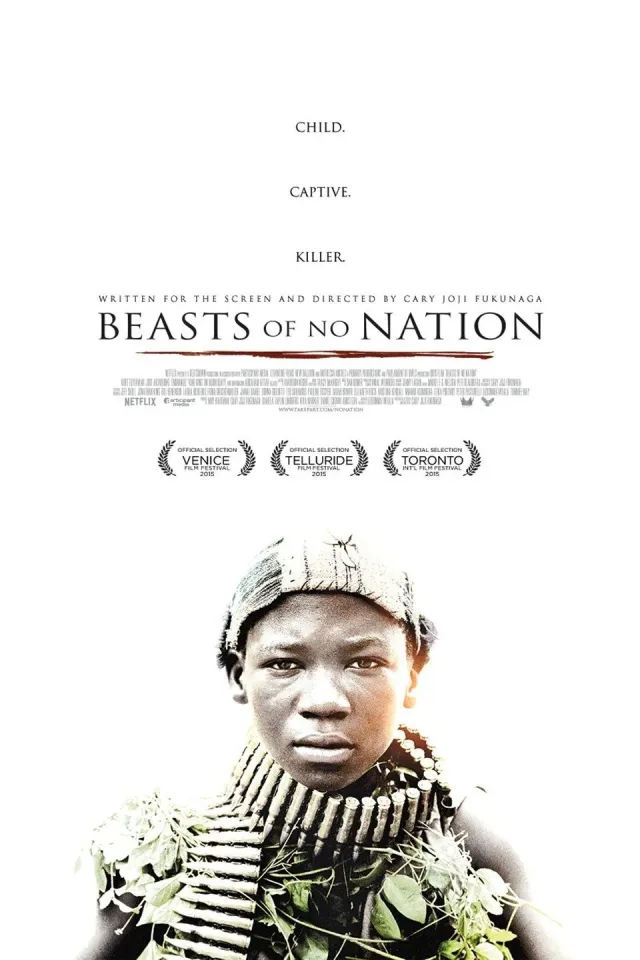
Agu’s life in a West African village is shattered when civil conflict separates him from his family and he is taken in by a rebel commander. He is trained as a child soldier and drawn into acts that reshape how he understands childhood, loyalty and survival. Cary Joji Fukunaga stays close to Agu’s point of view, making the film an intimate and harrowing portrait of war’s effects on a child rather than a conventional battlefield adventure.
What drives the story
Agu’s path into the armed group is driven by the loss of safety and family.
The people at its centre
The commander offers belonging through a relationship that is also coercive and exploitative.
What it feels like
The child’s perspective keeps violence close and resists a detached military overview.
Worth knowing
Graphic violence and abuse make this an exceptionally difficult adult drama.
ChildhoodWarViolence
Mood
Harsh · Immersive · Grieving
Pacing
Escalating · Trauma-focused
Visual style
Handheld camera · Earthy landscape · Close perspective