Based on recorded story, mood and style. Your preferences can change the order.
War and civilian life
What changes Farha: slow-building, contained and tension through waiting. The Kashmir Files: intercut present and past and speech-driven climax.
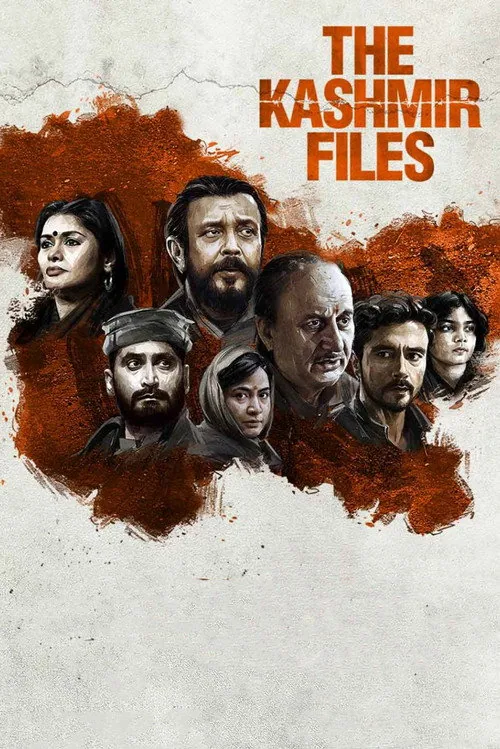
After his exiled grandfather dies, a Kashmiri Hindu student begins re-examining the story he was taught about his parents and the family’s departure from the Kashmir Valley. The film moves between his present-day search and dramatized events from 1989–90. Its historical framing is disputed, so the drama is best understood as a forceful film perspective on displacement, memory, and political responsibility.
Based on recorded story, mood and style. Your preferences can change the order.
Coming of age
What changes Farha: slow-building, contained and tension through waiting. Room: measured.
A woman held captive for years raises her young son within the small room that constitutes his entire understanding of the world. As conditions become more precarious, she prepares him for an escape requiring him to accept realities beyond anything he has seen. Their release opens a second difficult story, in which unfamiliar freedom, relatives and public attention place new pressures on their close but traumatised relationship.
Based on recorded story, mood and style. Your preferences can change the order.
War and civilian life
What changes Farha: slow-building, contained and tension through waiting. Samrat Prithviraj: legendary opening and courtship, campaigns and court intrigue and war-driven tragic conclusion.
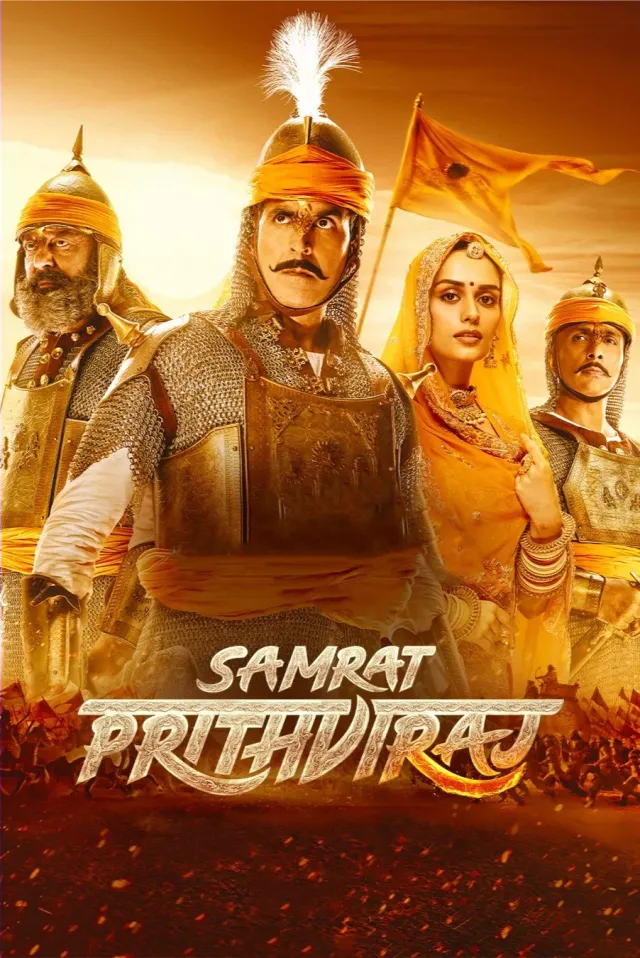
The film dramatizes the life of twelfth-century ruler Prithviraj Chauhan, framing his military campaigns alongside his romance with Princess Sanyogita and disputes among neighboring rulers. After victories over Muhammad Ghori, Prithviraj becomes entangled in court rivalries and shifting alliances that weaken the political unity needed to face a renewed invasion. The story moves from royal courtship and statecraft to battles and captivity, presenting a large-scale Hindi historical epic based on the legendary account in Prithviraj Raso.
Both share themes of war, plus a grieving atmosphere.
Why this matches +
Genres: War / Drama
Shared film traits
Based on recorded story, mood and style. Your preferences can change the order.
War and civilian life · Survival
What changes Farha: slow-building, contained and tension through waiting. Beasts of No Nation: escalating and trauma-focused.
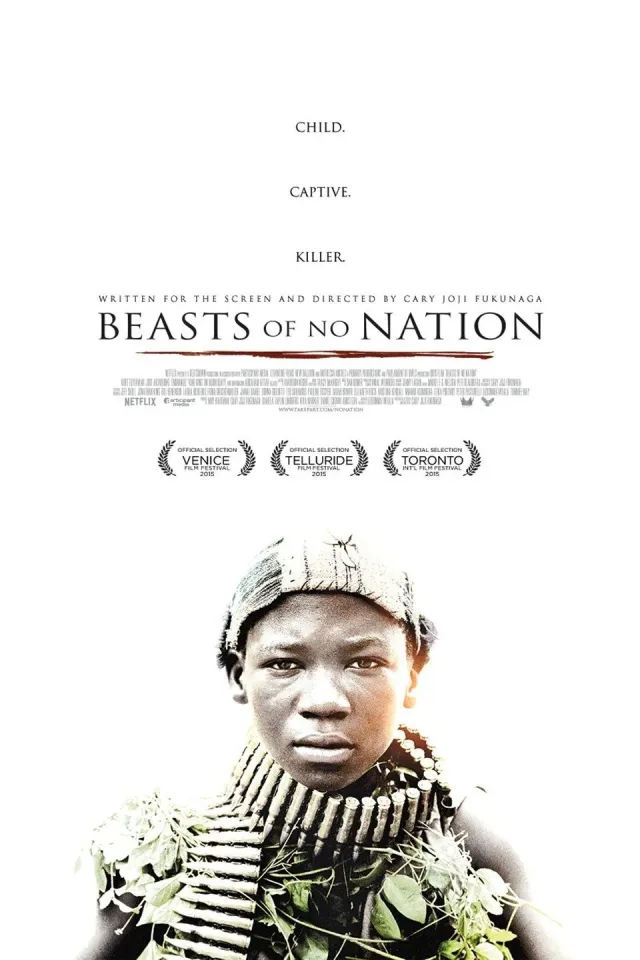
Agu’s life in a West African village is shattered when civil conflict separates him from his family and he is taken in by a rebel commander. He is trained as a child soldier and drawn into acts that reshape how he understands childhood, loyalty and survival. Cary Joji Fukunaga stays close to Agu’s point of view, making the film an intimate and harrowing portrait of war’s effects on a child rather than a conventional battlefield adventure.
Based on recorded story, mood and style. Your preferences can change the order.
War and civilian life · Coming of age
What changes Farha: slow-building, contained and tension through waiting. The Swimmers: episodic, propulsive, emotionally direct and building.
Sisters Yusra and Sara Mardini train as swimmers in Damascus as civil war closes in around them. After leaving Syria, their dangerous journey across the Aegean becomes a test of their athletic skill and their bond with the people traveling beside them. The story follows their passage toward Europe and Yusra’s effort to continue swimming, placing one family’s displacement alongside the persistence required to build a future after flight.
Based on recorded story, mood and style. Your preferences can change the order.
War and civilian life · Survival
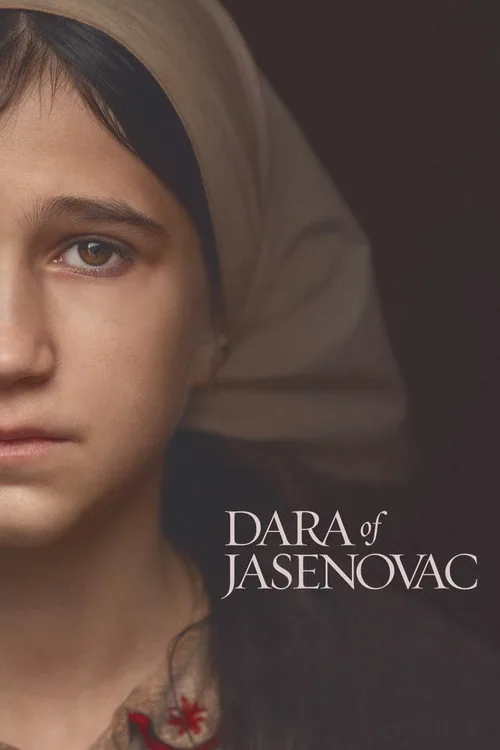
What changes Farha: slow-building, contained and tension through waiting. Dara of Jasenovac: dread-filled, harsh escalation and survival-focused.
During the Second World War, a young girl named Dara and her family are sent to the Jasenovac concentration camp, where the Ustaše regime imprisoned and murdered Serbs, Jews, Roma, and political opponents. The story follows Dara’s attempts to protect her younger brother and preserve family bonds amid forced separation and extreme violence. Based on survivor testimonies, the Serbian historical drama places a child’s point of view within the reality of mass atrocity. It contains explicit material about genocide, camp violence, and children in danger.
Based on recorded story, mood and style. Your preferences can change the order.
War and civilian life
What changes Farha: slow-building, contained and tension through waiting. Bhaag Milkha Bhaag: flashback structure, training montages and race-centered climax.
The biographical drama follows Indian runner Milkha Singh from the trauma of Partition through military service and his rise as an international athlete. Flashbacks to the violence that separated him from his family inform his difficult relationship with the past, while coaches and teammates help him turn grief into disciplined training. The story builds toward his races at the 1960 Rome Olympics and his later journey to Pakistan. Rakeysh Omprakash Mehra’s film dramatizes Singh’s life and sporting achievements.
Based on recorded story, mood and style. Your preferences can change the order.
War and civilian life
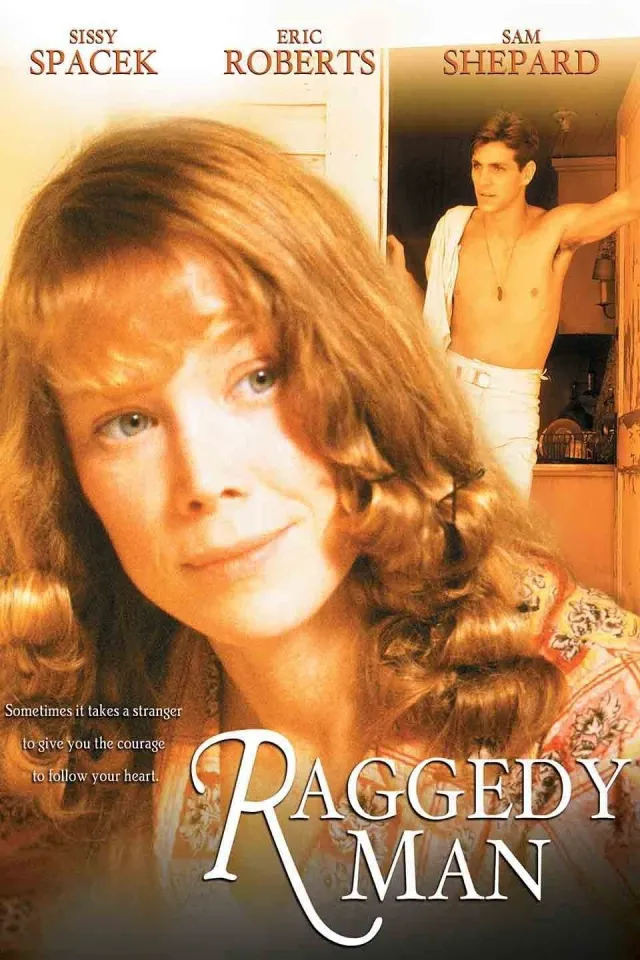
What changes Farha: slow-building, contained and tension through waiting. Raggedy Man: slow and character-led.
Nita Longley is a Texas telephone operator raising two sons during World War II while her husband is away. Her relationship with a traveling sailor offers companionship but also exposes the social judgment directed at women living independently. The drama follows a brief period in a small community, emphasizing domestic work, desire and the cost of being watched by neighbors.
Based on recorded story, mood and style. Your preferences can change the order.
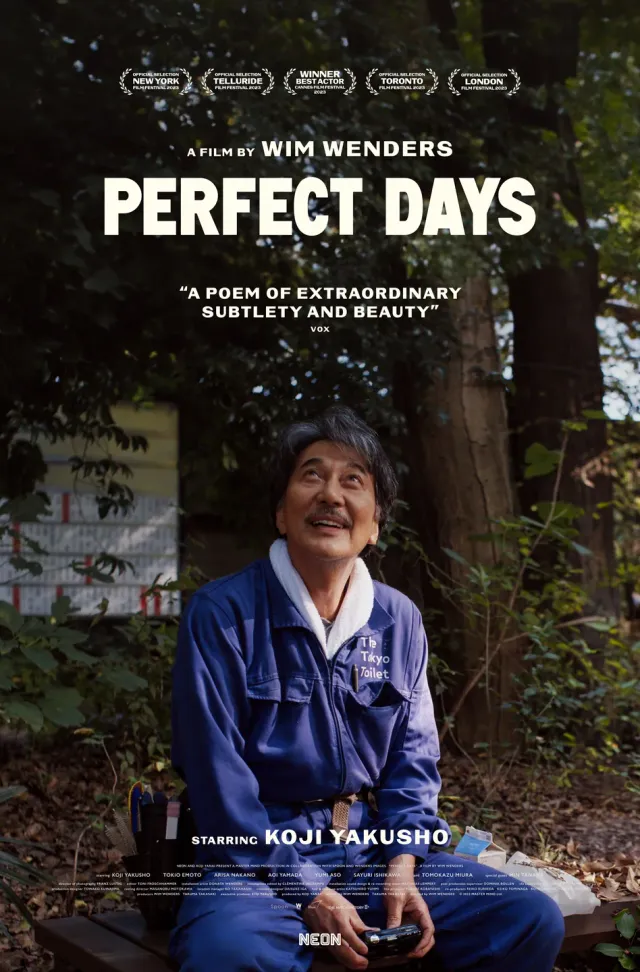
What changes Farha: slow-building, contained and tension through waiting. Perfect Days: slow, repetitive and measured.
Hirayama works as a meticulous public-toilet cleaner in Tokyo, arranging his days around familiar routes, cassette tapes, books and photographs of trees. His routine is mostly self-chosen and gives him quiet satisfaction, but small interruptions gradually reveal relationships he keeps at a distance. His younger coworker Takashi’s needs, the arrival of Hirayama’s niece Niko and an unexpected encounter with a man from a nearby restaurant unsettle the pattern without turning it into a conventional quest. As these moments accumulate, Hirayama’s attention to work, nature and music becomes a way of meeting an uncertain life one day at a time.
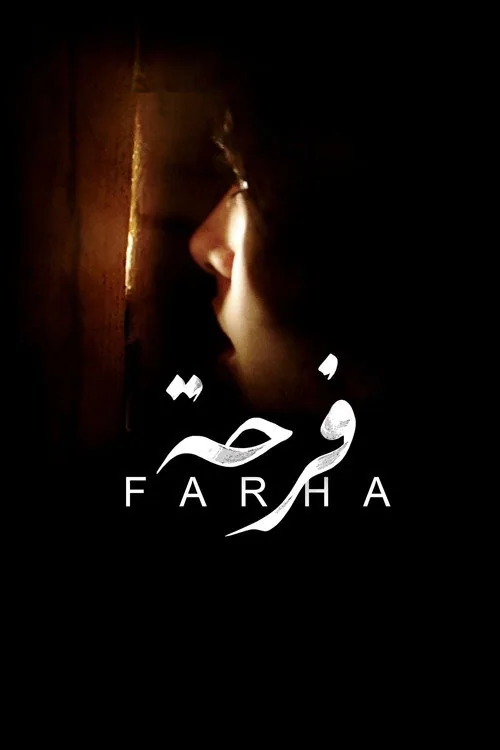
In 1948, fourteen-year-old Palestinian Farha hopes to continue her education in the city, while her father expects her to marry. When violence reaches their village, he locks her in a storage room for safety and promises to return. From that confined space, Farha hears and witnesses the danger around her as hours pass without news. Darin J. Sallam’s historical drama focuses on a young person’s experience of the Nakba through a restricted viewpoint and a true-story inspiration.
What drives the story
Farha’s confinement turns waiting and limited sound into the film’s central experience of surrounding violence.
The people at its centre
Her wish for education conflicts with her father’s plans, while their separation becomes a struggle for survival.
What it feels like
Contains war violence, civilian deaths, confinement, and intense depictions of fear and displacement.
Worth knowing
The historical drama restricts its view to one girl’s experience rather than presenting a broad military or political overview.
EducationDisplacementWar
Mood
Dread-filled · Restrained · Grieving
Pacing
Slow-building · Contained · Tension through waiting
Visual style
Restrained framing · Sparse interior setting · Period detail