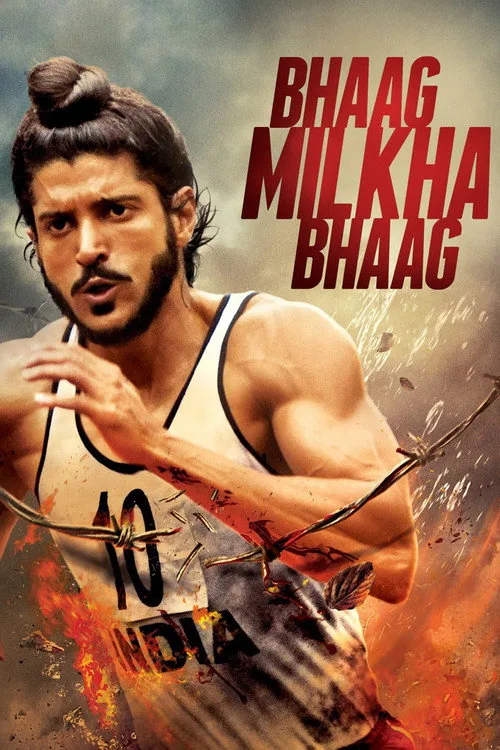
A dramatized biography follows Indian sprinter Milkha Singh from the trauma and displacement of Partition through military training, athletic triumph and a difficult return to Pakistan.
What should feel similar?
Find your next favourite
5 films · Closest overall matches
Hide films you’ve seen or don’t want. Saved on this device.
No matches for this combination yet.
Try another option or reset your choices to see more films.
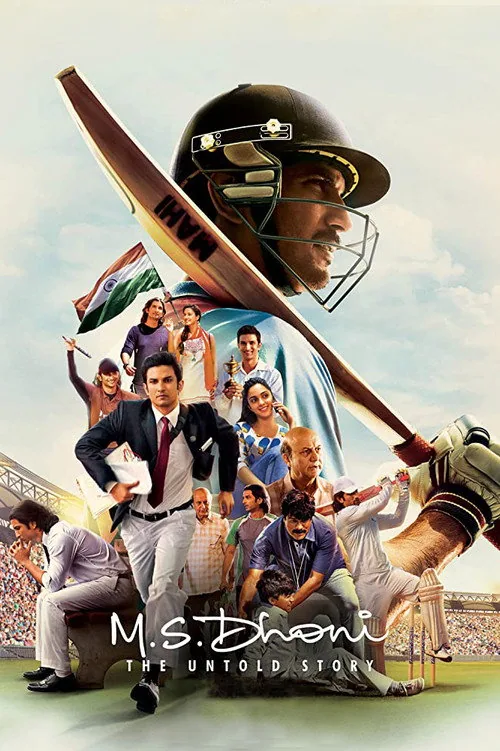
Dhoni balances work and family expectations while pursuing the cricket career that gradually gives him a national platform.
Why this matches +
A dramatized biography follows Indian sprinter Milkha Singh from the trauma and displacement of Partition through military training, athletic triumph and a difficult return to Pakistan.
Genres: Drama / Sport
Shared film traits
Based on recorded story, mood and style. Your preferences can change the order.
Sport and competition · Memory and identity
What changes A cricketer’s career and family support replace a sprinter’s Partition trauma and return to Pakistan.
The biographical drama follows Mahendra Singh Dhoni from his youth in Ranchi, where cricket competes with the practical expectations of his family and school, through early work with Indian Railways and his rise in professional cricket. Coaches and teammates help him develop his distinctive batting and leadership, while personal relationships form alongside the career. Neeraj Pandey’s Hindi film dramatizes major stages of Dhoni’s life and sporting achievements, with cricket matches and training sequences at its center.
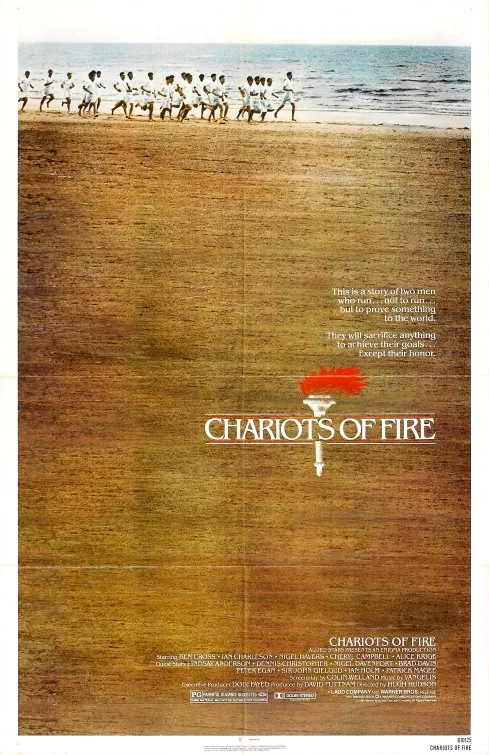
Two runners pursue Olympic success on distinct terms, with religious conviction and Jewish exclusion exposing different limits within the same British sporting establishment.
Why this matches +
A dramatized biography follows Indian sprinter Milkha Singh from the trauma and displacement of Partition through military training, athletic triumph and a difficult return to Pakistan.
Genres: Drama / Sport
Shared film traits
Based on recorded story, mood and style. Your preferences can change the order.
Sport and competition
What changes Two British Olympians confront faith and class in the 1920s rather than an Indian refugee athlete haunted by Partition.
Harold Abrahams and Eric Liddell prepare for the 1924 Paris Olympics from different positions: one confronts antisemitism and elite athletic culture, while the other organizes competition around his Christian faith. The film heightens Liddell's Sunday refusal as a last-minute crisis, although he had learned the Olympic timetable months earlier and trained for the 400 metres; Abrahams won the 100 metres. Their drive is not one generic inspirational lesson: faith, prejudice, class and national representation shape it differently. The film takes dramatic license with historical events, so its emotional argument should be separated from an exact record of the athletes' lives.
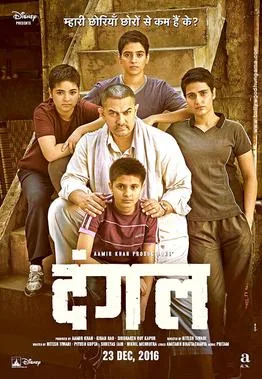
A father's redirected wrestling ambition challenges gender limits, then conflicts with a daughter's growing independence and a new institution's authority.
Why this matches +
Pair notes distinguish story, setting and tone.
An adjacent discovery: a related idea with a different viewing experience.
Genres: Drama / Sport
Shared film traits
Based on recorded story, mood and style. Your preferences can change the order.
Sport and competition
What changes A father coaches his daughters in wrestling, making family and gender expectations central rather than an individual sprinter’s trauma.
Former wrestler Mahavir Phogat trains daughters Geeta and Babita after recognizing their competitive ability in a community with narrow expectations for girls. The discipline opens a public athletic path but also makes their daily lives extensions of his unfinished ambition. As Geeta reaches a national academy and meets a different coaching system, her choices expose the tension between paternal investment and independent judgment. The film celebrates female achievement while dramatizing a conflict that should be checked against the sisters' real careers rather than treated as exact sports history.
The repeated changes in Louis’s circumstances create an endurance story rather than a single decisive victory.
Why this matches +
Pair notes distinguish story, setting and tone.
An adjacent discovery: a related idea with a different viewing experience.
Genres: Drama / War
Shared film traits
Based on recorded story, mood and style. Your preferences can change the order.
War and civilian life
What changes Louis Zamperini survives wartime imprisonment after his running career rather than Milkha Singh confronting Partition and competing for India.
Louis Zamperini begins as a mischievous boy and becomes an Olympic runner before serving as a bombardier in the Second World War. After surviving the crash of his aircraft over the Pacific, he and two crewmen drift at sea and are eventually captured by Japanese forces. The film follows repeated tests of endurance, connecting athletic discipline with the struggle to preserve dignity during imprisonment and wartime abuse.
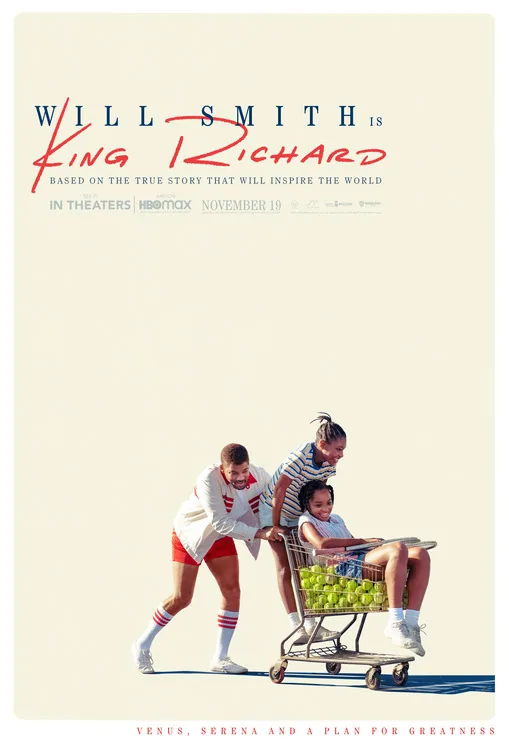
Richard Williams builds a long-term tennis plan around his daughters' talent, education and family priorities.
Why this matches +
Pair notes distinguish story, setting and tone.
An adjacent discovery: a related idea with a different viewing experience.
Genres: Drama / Biography
Shared film traits
Based on recorded story, mood and style. Your preferences can change the order.
Sport and competition
What changes A father guides two American tennis prodigies instead of following an Indian Olympic runner from refugee childhood.
Richard Williams develops an ambitious plan for his daughters Venus and Serena, insisting that disciplined practice and education will prepare them for professional tennis. As the girls rise through junior competition, Richard and Oracene manage coaches, public attention and doubts about the family's path. The biographical drama follows their early years while emphasizing the parents' strategic choices and the work behind a rise that later became historic.
The biographical drama follows Indian runner Milkha Singh from the trauma of Partition through military service and his rise as an international athlete. Flashbacks to the violence that separated him from his family inform his difficult relationship with the past, while coaches and teammates help him turn grief into disciplined training. The story builds toward his races at the 1960 Rome Olympics and his later journey to Pakistan. Rakeysh Omprakash Mehra’s film dramatizes Singh’s life and sporting achievements.
What drives the story
Milkha’s training and competition are intercut with memories that explain the personal history behind his drive to run.
The people at its centre
Coaches, fellow soldiers, family memories, and Perizaad challenge Milkha to balance discipline with the emotional wounds he carries.
What it feels like
The film combines energetic race sequences and training with an expansive, emotional account of Partition and national pride.
Worth knowing
It is a dramatized biopic that shapes Milkha Singh’s life into a sports narrative, rather than a documentary record.
Trauma and perseveranceNational identity after PartitionDiscipline and ambition
Mood
Rousing · Emotional · Reflective
Pacing
Flashback structure · Training montages · Race-centered climax
Visual style
Period Indian locations · Athletic movement and track imagery · Large musical sequences
Storytelling
Biographical sports drama · Partition memories and athletic rise · Olympic competition