Milkha’s training and competition are intercut with memories that explain the personal history behind his drive to run.
Why this matches +
Selected for the central appeal: Two runners prepare for the Olympics while confronting faith, class expectations and antisemitism.
Genres: Drama / History
Shared film traits
Based on recorded story, mood and style. Your preferences can change the order.
Sport and competition
What changes A runner pursues international competition while personal history and national expectations shape the meaning of athletic success.
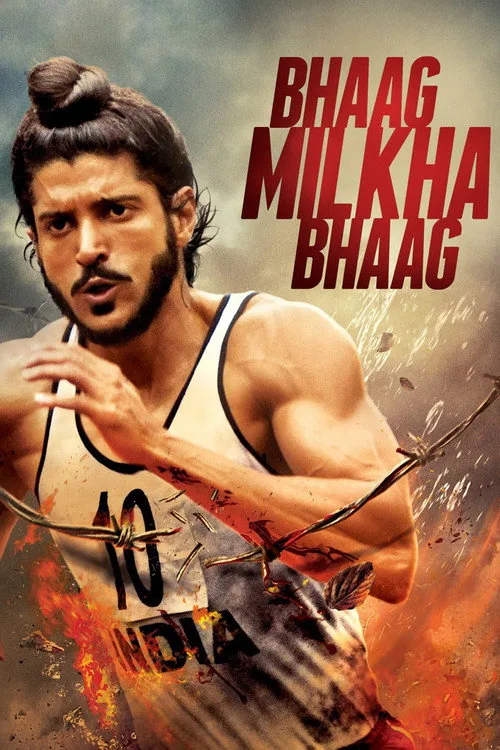
The biographical drama follows Indian runner Milkha Singh from the trauma of Partition through military service and his rise as an international athlete. Flashbacks to the violence that separated him from his family inform his difficult relationship with the past, while coaches and teammates help him turn grief into disciplined training. The story builds toward his races at the 1960 Rome Olympics and his later journey to Pakistan. Rakeysh Omprakash Mehra’s film dramatizes Singh’s life and sporting achievements.
David tries to belong while concealing the identity that makes him a target.
Why this matches +
These offer a related experience with a meaningful difference in story, tone, or presentation.
An adjacent discovery: a related idea with a different viewing experience.
Genres: Drama / American football
Shared film traits
Based on recorded story, mood and style. Your preferences can change the order.
What changes An athlete at an elite institution confronts antisemitism and the pressure to succeed within an exclusionary social world.
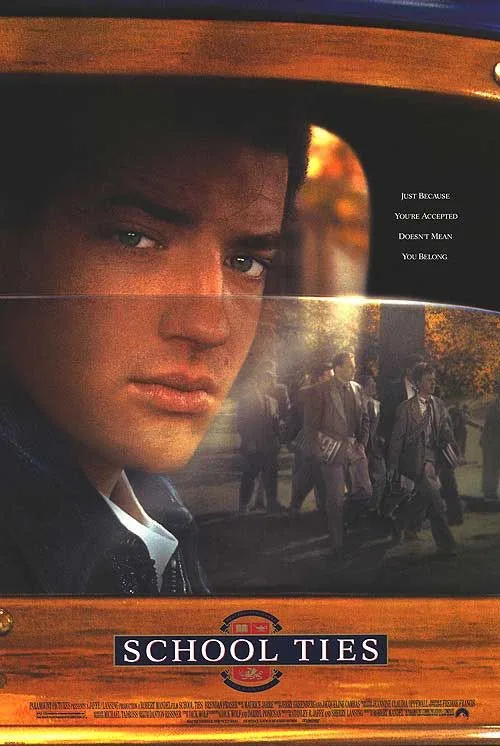
In 1950s New England, working-class student David Greene receives a football scholarship to an elite preparatory school and hides that he is Jewish. He becomes popular with teammates but faces antisemitism and a school honor code that is used unevenly. When his identity is exposed, his friends must decide whether loyalty means protecting him or preserving their own status.
Davis’s football career becomes a public breakthrough in a sport and institution shaped by racism, so success cannot stand apart from unequal conditions.
Why this matches +
These offer a related experience with a meaningful difference in story, tone, or presentation.
An adjacent discovery: a related idea with a different viewing experience.
Genres: Drama / Sport
Shared film traits
Based on recorded story, mood and style. Your preferences can change the order.
Sport and competition
What changes A gifted athlete competes at an elite level while confronting prejudice and the responsibilities attached to public representation.
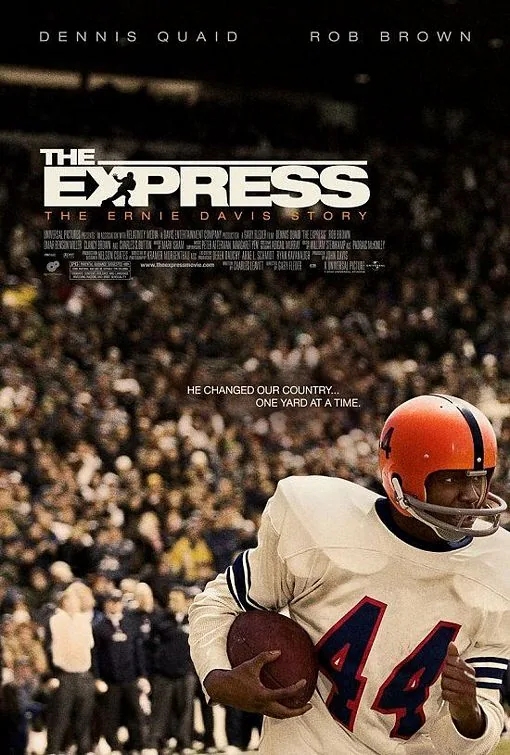
Ernie Davis rises as a gifted college football player while confronting racial barriers in the sport and beyond it. His talent brings recognition, but success does not shield him or his teammates from discrimination and pressure. The biographical drama connects athletic achievement with the wider struggle over who is permitted to belong and lead. Period settings and football sequences balance individual performance with the social context around the team.
Joe’s poverty remains a practical obstacle throughout his college ambitions.
Why this matches +
These offer a related experience with a meaningful difference in story, tone, or presentation.
An adjacent discovery: a related idea with a different viewing experience.
Genres: Biography / Drama
Shared film traits
Based on recorded story, mood and style. Your preferences can change the order.
Sport and competition
What changes Young athletes train for the Olympics while class differences, financial pressure and national expectations shape their opportunities.
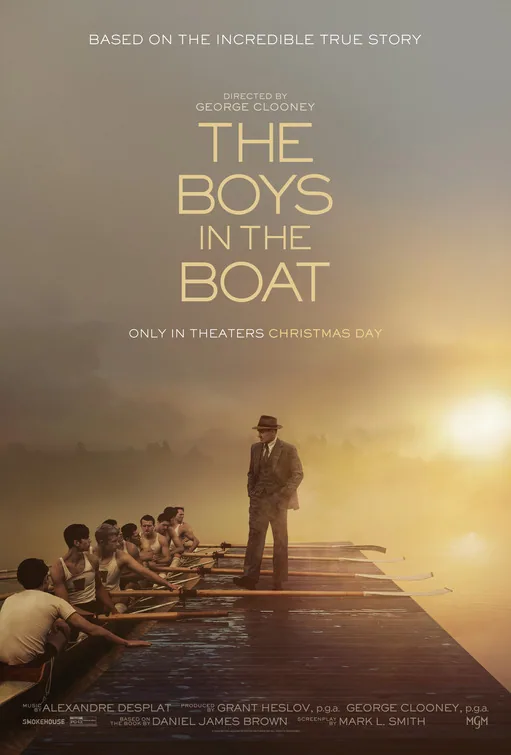
During the Depression, University of Washington student Joe Rantz joins a rowing crew as a way to pay his tuition and secure a place in school. The team’s members move from financial precarity and individual rivalries toward the exact coordination competitive rowing demands. The sports drama follows their qualification for the 1936 Olympics, using the crew’s rhythm to connect personal persistence with a shared achievement.
A gifted player enters Major League Baseball during a deliberate effort to break its modern-era color barrier.
Why this matches +
These offer a related experience with a meaningful difference in story, tone, or presentation.
An adjacent discovery: a related idea with a different viewing experience.
Genres: Drama / Sport
Shared film traits
Based on recorded story, mood and style. Your preferences can change the order.
Sport and competition
What changes A pioneering athlete competes under intense public scrutiny while challenging racial prejudice in an established sport.
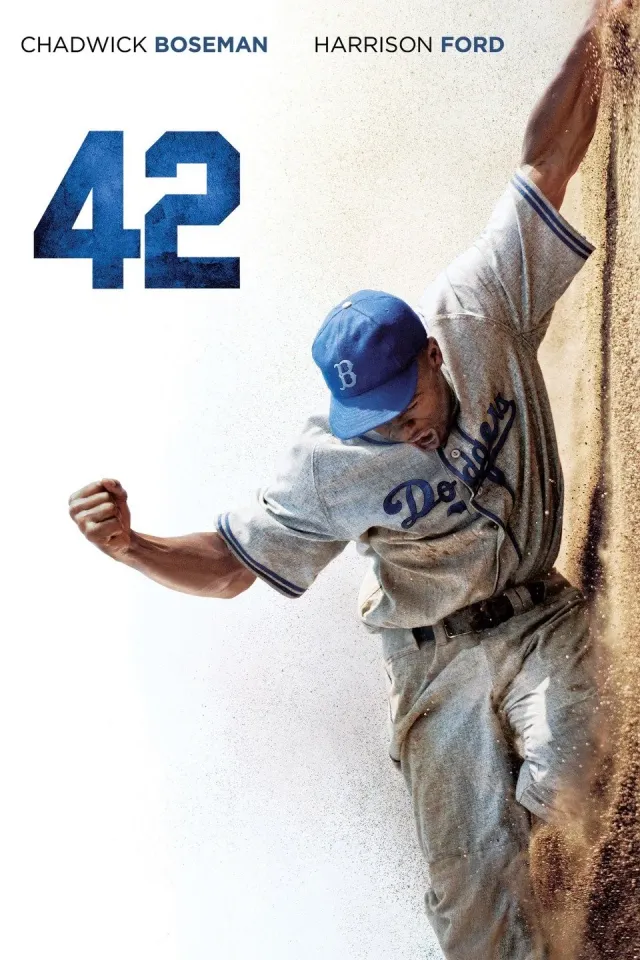
Jackie Robinson joins the Brooklyn Dodgers as Branch Rickey asks him to withstand public hostility while changing baseball’s color barrier. The story follows both a sports career and a daily contest over who is allowed to participate on equal terms, placing Robinson’s discipline beside the institutions and crowds trying to make his presence impossible. Games offer release, but also public tests of resolve.
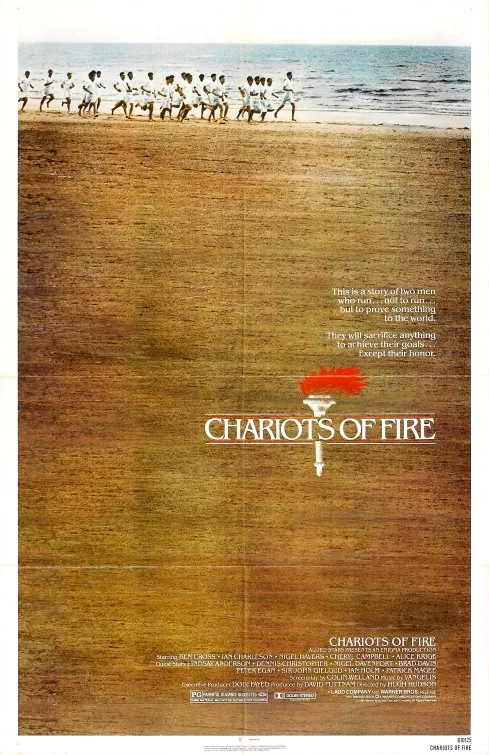
Harold Abrahams and Eric Liddell prepare for the 1924 Paris Olympics from different positions: one confronts antisemitism and elite athletic culture, while the other organizes competition around his Christian faith. The film heightens Liddell's Sunday refusal as a last-minute crisis, although he had learned the Olympic timetable months earlier and trained for the 400 metres; Abrahams won the 100 metres. Their drive is not one generic inspirational lesson: faith, prejudice, class and national representation shape it differently. The film takes dramatic license with historical events, so its emotional argument should be separated from an exact record of the athletes' lives.
What drives the story
Two runners pursue Olympic success on distinct terms, with religious conviction and Jewish exclusion exposing different limits within the same British sporting establishment.
The people at its centre
Abrahams seeks recognition in an elite culture that treats him as an outsider, while Liddell's faith guides his choices; their ambitions should not be flattened into identical motivation. Mussabini's coaching gives Abrahams expertise the amateur establishment undervalues.
What it feels like
Training and race sequences build patient emotional momentum through contrasting biographies, period ceremony and a memorable musical score. The film alternates private preparation with public pageantry rather than following one athlete alone.
Worth knowing
Match on parallel athletic ambition shaped by faith and prejudice; treat the film as a dramatized account with documented changes, not a universally accurate sports biography. The race changes and timing have historical context beyond this dramatization.
FaithPrejudiceAmbition
Mood
Solemn · Hopeful · Emotional
Pacing
Measured
Visual style
Period detail · Classical composition
Storytelling
Parallel athletes · Religious refusal · Challenged amateur hierarchy