Explore films connected to Dara of Jasenovac through Family and protection, Persecution and survival, Memory and testimony. Choose the qualities you want to carry into your next watch.
What should feel similar?
Find your next favourite
9 films · Closest overall matches
Hide films you’ve seen or don’t want. Saved on this device.
No matches for this combination yet.
Try another option or reset your choices to see more films.
Based on recorded story, mood and style. Your preferences can change the order.
War and civilian life
What changes Dara of Jasenovac: dread-filled, harsh escalation and survival-focused. Katyń: nonlinear and measured.
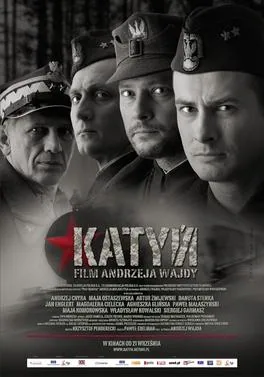
After the 1939 partition of Poland, a community waits through war for news of husbands, sons and brothers taken into Soviet custody. Andrzej Wajda follows several families as German and Soviet authorities issue competing accounts of the Katyn killings, and survivors face pressure to repeat the official version. The final sequence shows the executions with an unflinching documentary-like duration, giving historical violence an intimate human scale. Its attention to Polish experience and decades of suppressed memory is powerful, but the film’s selected perspectives cannot stand in for every Polish or Soviet experience. Distinguish its commemorative purpose and family stories from the broader historical record of the massacre and the propaganda that long obscured responsibility.
Based on recorded story, mood and style. Your preferences can change the order.
War and civilian life
What changes Dara of Jasenovac: dread-filled, harsh escalation and survival-focused. Two Women: slow build, abrupt rupture and quiet aftermath.
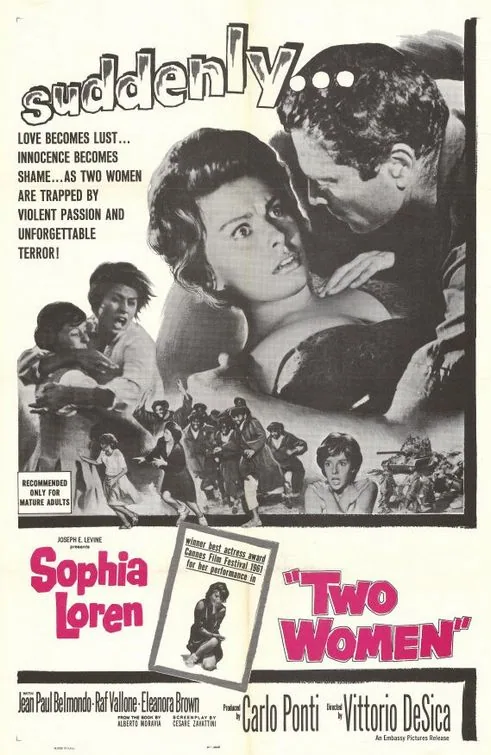
During the Allied bombing of Rome in 1943, widowed Cesira takes her thirteen-year-old daughter Rosetta toward the countryside she remembers as safer. They find temporary shelter and form a connection with Michele, an idealistic student whose opposition to fascism complicates his own safety. As the front shifts and mother and daughter begin the journey back, an assault by soldiers shatters Rosetta’s trust and changes their bond. The film draws on the historical memory of the 1944 mass rapes in central Italy, often called the Marocchinate, but remains a dramatization rather than a full account of that history. Cesira’s care cannot undo the harm, and survival is not a clean return to normal.
Based on recorded story, mood and style. Your preferences can change the order.
War and civilian life
What changes Dara of Jasenovac: dread-filled, harsh escalation and survival-focused. The Promise: personal relationships under escalating pressure.
As the Ottoman Empire enters World War I, Armenian medical student Mikael Boghosian, Armenian-born artist Ana, and American journalist Chris Myers become caught in a love triangle shaped by escalating political violence. Mikael’s medical ambitions and personal loyalties are tested as the characters confront displacement and the Armenian genocide. The historical drama filters a broad catastrophe through relationships and individual choices, combining a romantic story with the danger faced by civilians and journalists.
Based on recorded story, mood and style. Your preferences can change the order.
Survival
What changes Dara of Jasenovac: dread-filled, harsh escalation and survival-focused. Tangerines: contained and gradual.
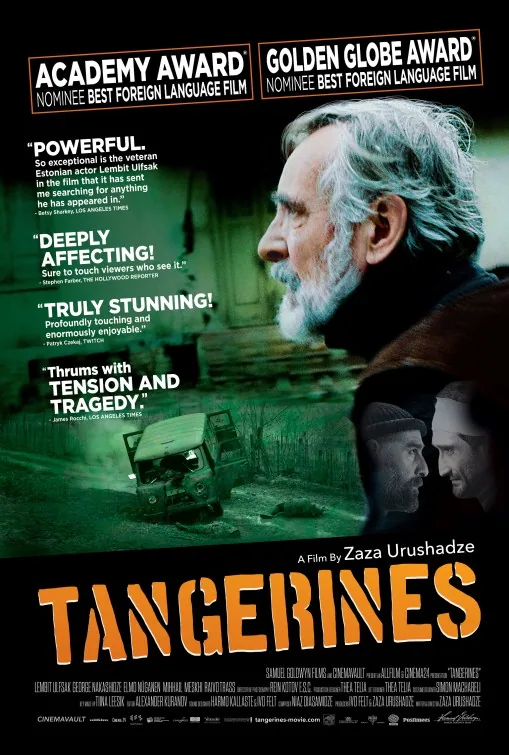
In a small village during the war in Abkhazia, Ivo and his neighbor Margus are among the last Estonians who remain. After a nearby clash leaves wounded soldiers on both sides in their care, the villagers must decide how to treat enemies sharing the same confined space. Zaza Urushadze makes the antiwar drama a study in hospitality and restraint, allowing everyday decisions to challenge inherited divisions.
Based on recorded story, mood and style. Your preferences can change the order.
War and civilian life
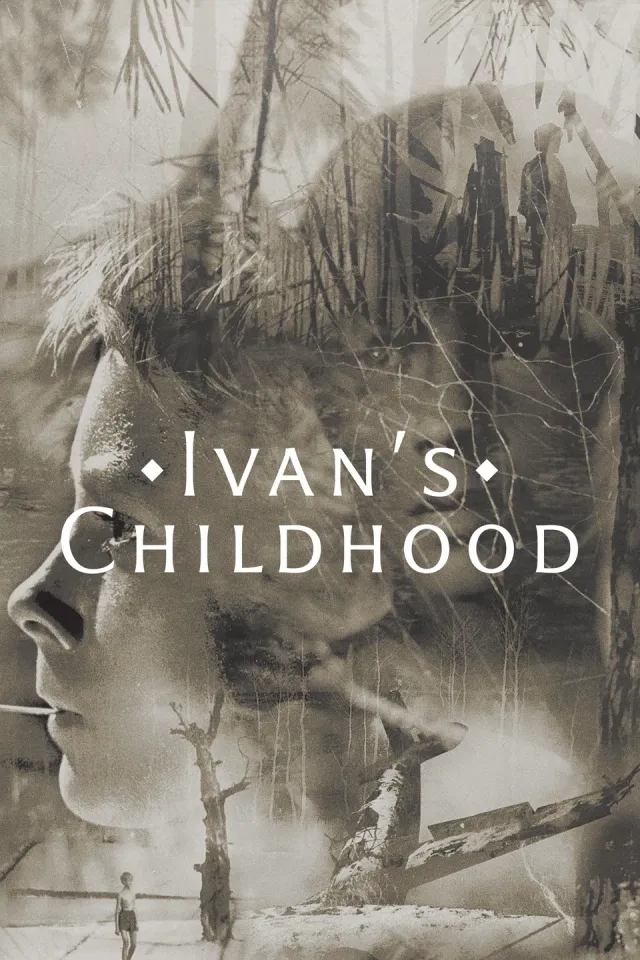
What changes Dara of Jasenovac: dread-filled, harsh escalation and survival-focused. Ivan's Childhood: nonlinear and measured.
A boy whose family has been destroyed by war crosses dangerous territory to report intelligence to Soviet soldiers. Officers attempt to redirect him toward safety, but revenge and the disappearance of ordinary childhood make another life difficult for him to imagine. Dreams interrupt the military present with tactile images of affection and freedom. The film places a child's usefulness to war beside what that usefulness cannot restore, refusing to let competence in danger stand as proof that his damaged world has become acceptable.
Based on recorded story, mood and style. Your preferences can change the order.
War and civilian life · Survival
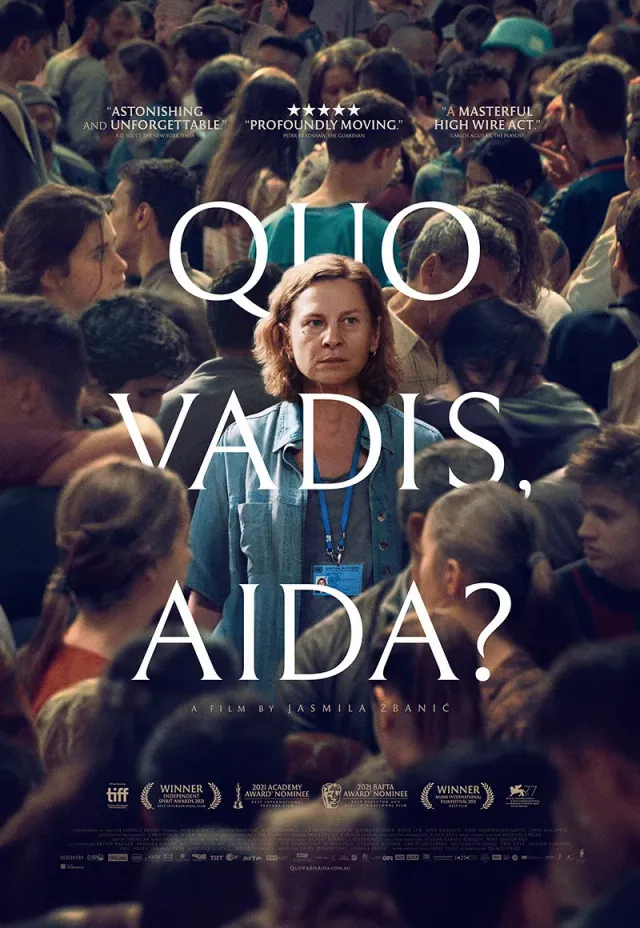
What changes Dara of Jasenovac: dread-filled, harsh escalation and survival-focused. Quo Vadis, Aida?: escalating and time-pressured.
During the 1995 siege of Srebrenica, Aida works as a translator for the UN peacekeeping force while her husband and sons seek safety. She moves between officials, negotiations and the crowd outside the base, trying to use her access to protect her family as the crisis worsens. Jasmila Žbanić keeps the story close to Aida’s limited knowledge, making translation and bureaucratic procedure part of a harrowing drama about civilian survival and institutional failure.
Based on recorded story, mood and style. Your preferences can change the order.
War and civilian life · Survival
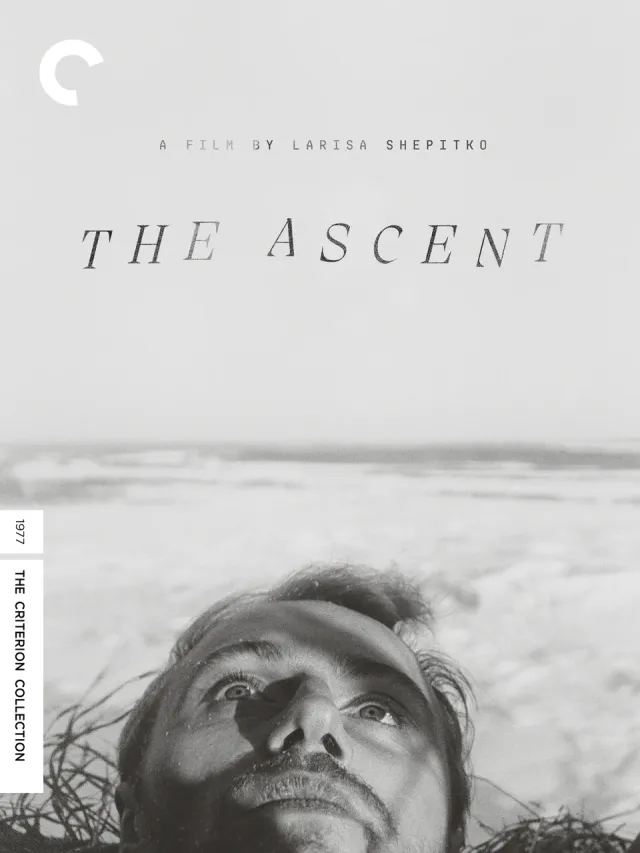
What changes Dara of Jasenovac: dread-filled, harsh escalation and survival-focused. The Ascent: deliberate, intensifying and tragic.
During the Second World War, Soviet partisans Sotnikov and Rybak leave their unit to find food for their comrades. A German patrol wounds Sotnikov, and the men seek shelter in a village home before they are discovered and captured with its owner, Demchikha. Under interrogation by a local collaborator, Sotnikov refuses to betray others and endures torture. Rybak faces a different test as fear and the promise of survival press him toward a decision that will define his moral relationship to his companion.
Based on recorded story, mood and style. Your preferences can change the order.
War and civilian life
What changes Dara of Jasenovac: dread-filled, harsh escalation and survival-focused. Captain Corelli's Mandolin: measured and melodramatic build.
On the Greek island of Cephalonia during the Second World War, a local woman and an Italian officer form a bond while occupying forces and shifting allegiances alter the lives around them. Their romance unfolds against military pressure, resistance and the eventual devastation of wartime events. The film balances intimate choices with a broad historical canvas, asking how affection survives when political loyalties become dangerous.
Based on recorded story, mood and style. Your preferences can change the order.
War and civilian life · Survival
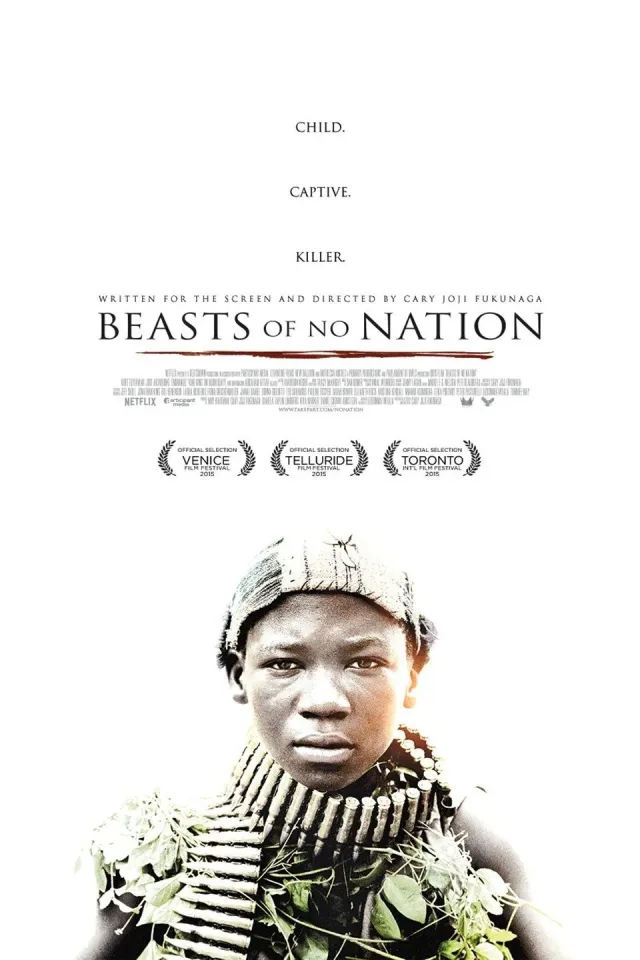
What changes Dara of Jasenovac: dread-filled, harsh escalation and survival-focused. Beasts of No Nation: escalating and trauma-focused.
Agu’s life in a West African village is shattered when civil conflict separates him from his family and he is taken in by a rebel commander. He is trained as a child soldier and drawn into acts that reshape how he understands childhood, loyalty and survival. Cary Joji Fukunaga stays close to Agu’s point of view, making the film an intimate and harrowing portrait of war’s effects on a child rather than a conventional battlefield adventure.
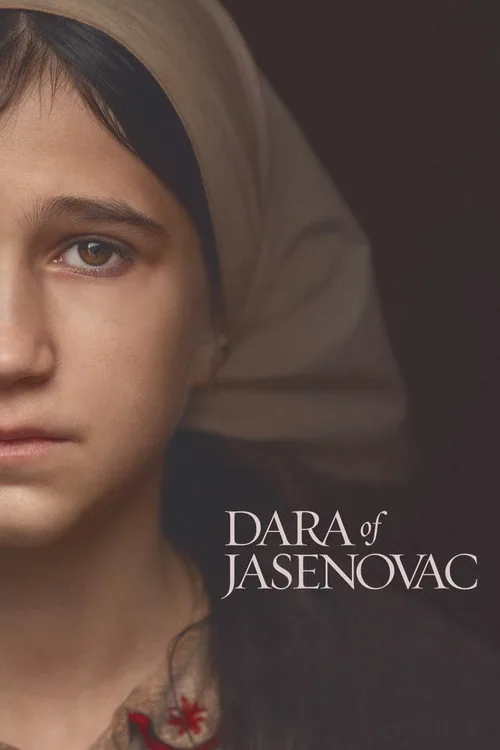
During the Second World War, a young girl named Dara and her family are sent to the Jasenovac concentration camp, where the Ustaše regime imprisoned and murdered Serbs, Jews, Roma, and political opponents. The story follows Dara’s attempts to protect her younger brother and preserve family bonds amid forced separation and extreme violence. Based on survivor testimonies, the Serbian historical drama places a child’s point of view within the reality of mass atrocity. It contains explicit material about genocide, camp violence, and children in danger.
What drives the story
Dara’s efforts to stay with and protect her younger brother unfold under the camp system’s routine threat of separation and violence.
The people at its centre
The children’s attachment becomes a source of endurance, while adults and fellow prisoners face impossible choices under coercive power.
What it feels like
This is an exceptionally harrowing Holocaust and genocide drama with violence against children and mass-killing themes; viewer discretion is advised.
Worth knowing
It depicts the historical Jasenovac camp through a fictionalized child’s story and survivor testimony, not a neutral overview of the entire war.
Family and protectionPersecution and survivalMemory and testimony