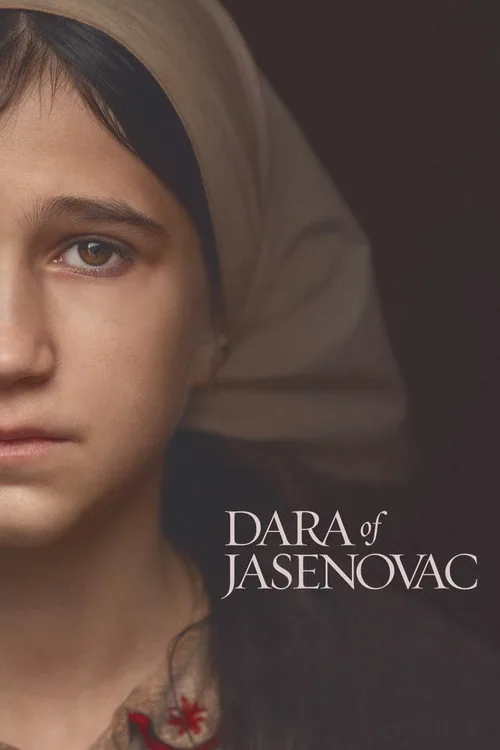
Dara’s efforts to stay with and protect her younger brother unfold under the camp system’s routine threat of separation and violence.
Why this matches +
These offer a related experience with a meaningful difference in story, tone, or presentation.
An adjacent discovery: a related idea with a different viewing experience.
Genres: Drama / History
Shared film traits
Based on recorded story, mood and style. Your preferences can change the order.
War and civilian life
What changes Dara of Jasenovac follows a child and family amid a wartime camp and mass violence.
During the Second World War, a young girl named Dara and her family are sent to the Jasenovac concentration camp, where the Ustaše regime imprisoned and murdered Serbs, Jews, Roma, and political opponents. The story follows Dara’s attempts to protect her younger brother and preserve family bonds amid forced separation and extreme violence. Based on survivor testimonies, the Serbian historical drama places a child’s point of view within the reality of mass atrocity. It contains explicit material about genocide, camp violence, and children in danger.
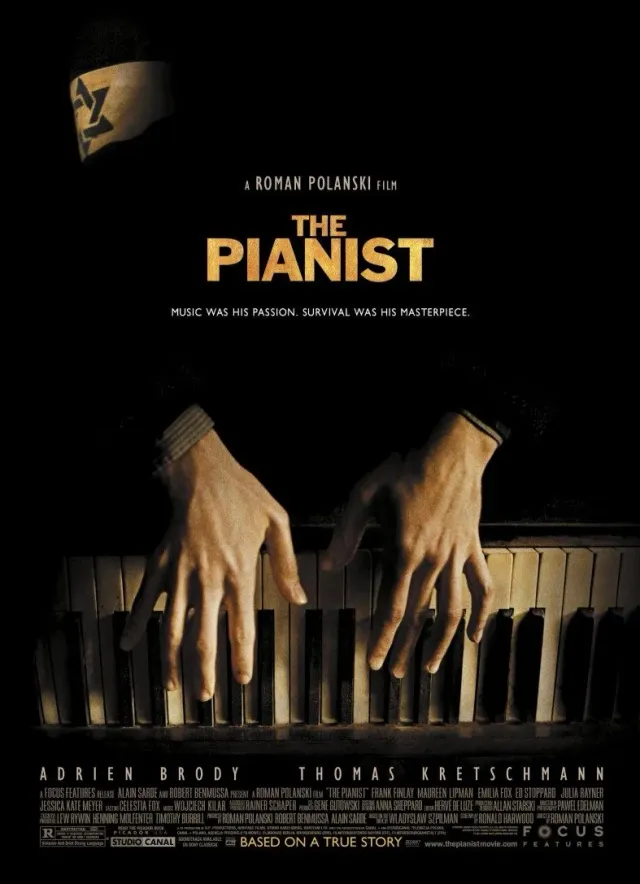
Escalating persecution reduces a musician's social world to unstable shelters and practical survival, with each reprieve exposing dependence on another person's risk or restraint.
Why this matches +
These offer a related experience with a meaningful difference in story, tone, or presentation.
An adjacent discovery: a related idea with a different viewing experience.
Genres: Drama / Biography
Shared film traits
Based on recorded story, mood and style. Your preferences can change the order.
War and civilian life
What changes The Pianist depicts a Polish civilian's survival amid occupation and devastating violence.
Polish Jewish musician Władysław Szpilman watches the Nazi occupation of Warsaw progressively strip his family of livelihood, movement and safety. Separated from them during deportation, he survives through forced labour, help from acquaintances and prolonged hiding in a city being destroyed around him. Music remains part of his identity, but endurance depends on contingent aid and temporary shelter rather than the protection professional distinction might once have promised.
An opportunist's factory operation becomes a rescue effort as escalating persecution turns employment, paperwork and money into fragile instruments of survival.
Why this matches +
These offer a related experience with a meaningful difference in story, tone, or presentation.
An adjacent discovery: a related idea with a different viewing experience.
Genres: Drama / Biography
Shared film traits
Based on recorded story, mood and style. Your preferences can change the order.
War and civilian life
What changes Schindler's List portrays wartime mass persecution through individual lives and the institutions enabling violence.
A businessman joins the Nazi occupation economy in Kraków intending to profit from factories staffed by exploited Jewish workers. His dependence on a Jewish accountant brings practical contact with lives that the regime treats as disposable. As ghetto clearance and camp violence expose the machinery of extermination, his priorities change, and commercial access becomes a precarious means of protecting workers from deportation and death.
A false accusation produced by limited observation and class assumptions creates a separation that later writing can revisit but cannot simply undo.
Why this matches +
These offer a related experience with a meaningful difference in story, tone, or presentation.
An adjacent discovery: a related idea with a different viewing experience.
Genres: Drama / Romance
Shared film traits
Based on recorded story, mood and style. Your preferences can change the order.
War and civilian life
What changes Atonement connects wartime separation and family loss with the consequences of an unreliable account.
A young girl in an affluent English household misreads encounters between her older sister and the housekeeper's son, then gives testimony that converts private imagination into devastating institutional consequences. The separated couple's attempt to retain a future unfolds against prison, military service and wartime nursing. Later acts of narration revisit what can be known and repaired, exposing a gap between the consolations a story offers and the irreversible lives on which it depends.
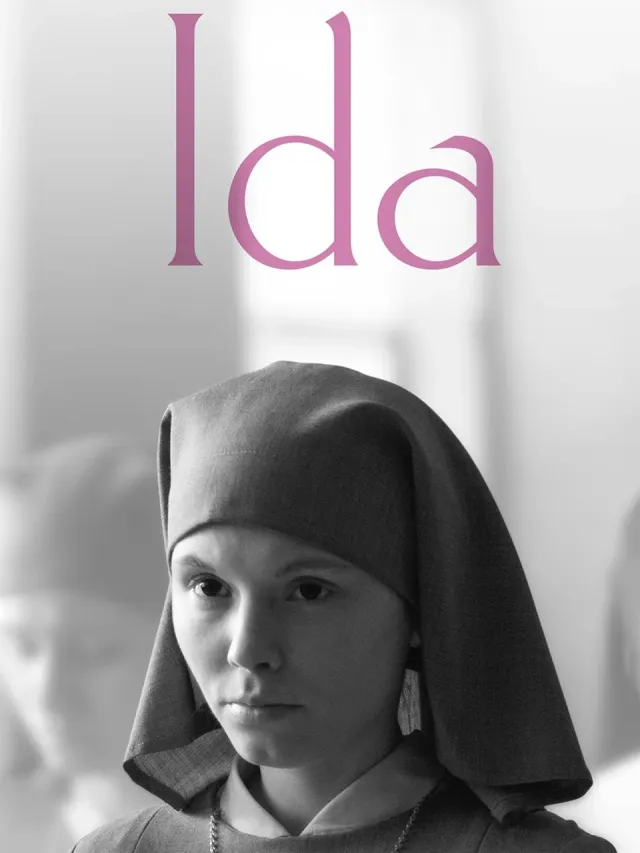
A pre-vow family visit becomes a search for concealed wartime deaths, unsettling two women’s different ways of living with history and choosing a future. Wanda’s investigation and Ida’s vocation meet at family graves but lead to different future choices.
Why this matches +
These offer a related experience with a meaningful difference in story, tone, or presentation.
An adjacent discovery: a related idea with a different viewing experience.
Genres: Drama
Shared film traits
Based on recorded story, mood and style. Your preferences can change the order.
Memory and identity
What changes Ida follows a young Polish woman uncovering family history suppressed after wartime persecution.
Before taking religious vows, novice Anna visits her only surviving relative, Wanda, and learns that she was born Jewish and given a different name. Their journey to locate the remains of family members killed during the occupation leads to difficult questions about local violence, survival and what can be recovered from silence. Wanda’s political past and grief shape one response; Ida’s quiet discipline and uncertainty shape another. Their discoveries do not produce a simple replacement identity or a single verdict on Poland. The film’s black-and-white, nearly square compositions make its sparse spaces and withheld information part of the historical tension, not merely an elegant style.
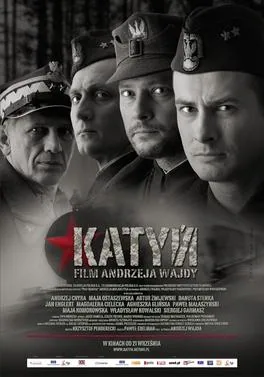
After the 1939 partition of Poland, a community waits through war for news of husbands, sons and brothers taken into Soviet custody. Andrzej Wajda follows several families as German and Soviet authorities issue competing accounts of the Katyn killings, and survivors face pressure to repeat the official version. The final sequence shows the executions with an unflinching documentary-like duration, giving historical violence an intimate human scale. Its attention to Polish experience and decades of suppressed memory is powerful, but the film’s selected perspectives cannot stand in for every Polish or Soviet experience. Distinguish its commemorative purpose and family stories from the broader historical record of the massacre and the propaganda that long obscured responsibility.
What drives the story
The film’s chronology follows the waiting families through occupation and shifting state narratives before moving from uncertainty to the killings themselves. Its structure makes delayed knowledge and enforced silence part of the violence.
The people at its centre
The sisters, wives and mothers do not receive identical choices: access to information, public speech and private loyalty change with each occupation. Their differing responses resist a single heroic family perspective.
What it feels like
Muted colors, controlled compositions and the extended execution sequence replace suspense with a grim attention to procedure. The ending’s duration refuses a consoling cutaway and makes viewers confront how the killings were carried out.
Worth knowing
The Soviet NKVD execution of Polish officers and suppression of the crime have a documented history. Keep the film’s chosen family trajectories distinct from exhaustive national representation, and do not collapse Nazi and Soviet responsibility into interchangeable occupation.
MemoryState denialGrief
Mood
Somber · Devastating · Defiant
Pacing
Nonlinear · Measured
Visual style
Fragmented family viewpoints · Stark execution scenes
Storytelling
Officer disappearance · Competing public narratives · Suppressed massacre evidence