Antonina and Jan use the zoo and their home to hide people escaping Nazi persecution while trying not to expose the rescue network.
Why this matches +
Selected for the central appeal: A businessman uses his position in Nazi-occupied Kraków to protect Jewish workers from extermination.
Genres: Biography / Drama
Shared film traits
Based on recorded story, mood and style. Your preferences can change the order.
War and civilian life
What changes People in occupied Poland use a workplace and its resources to hide and protect Jewish people from Nazi persecution.
When Nazi Germany invades Poland in 1939, Warsaw zookeeper Jan Żabiński and his wife Antonina find their zoo destroyed and their Jewish friends in danger. Antonina uses the couple’s home and the abandoned animal enclosures to hide people who are being smuggled out of the Warsaw Ghetto. The rescue effort requires secrecy, cooperation and careful attention to the occupiers who control the grounds. The film follows the family’s work under occupation through Antonina’s perspective.
Escalating persecution reduces a musician's social world to unstable shelters and practical survival, with each reprieve exposing dependence on another person's risk or restraint.
Why this matches +
These offer a related experience with a meaningful difference in story, tone, or presentation.
An adjacent discovery: a related idea with a different viewing experience.
Genres: Drama / Biography
Shared film traits
Based on recorded story, mood and style. Your preferences can change the order.
War and civilian life
What changes A Jewish musician struggles to survive the destruction of Warsaw's Jewish community under Nazi occupation.
Polish Jewish musician Władysław Szpilman watches the Nazi occupation of Warsaw progressively strip his family of livelihood, movement and safety. Separated from them during deportation, he survives through forced labour, help from acquaintances and prolonged hiding in a city being destroyed around him. Music remains part of his identity, but endurance depends on contingent aid and temporary shelter rather than the protection professional distinction might once have promised.
An improvised refuge survives through repeated negotiations whose apparent protections remain vulnerable to both armed intimidation and international abandonment.
Why this matches +
These offer a related experience with a meaningful difference in story, tone, or presentation.
An adjacent discovery: a related idea with a different viewing experience.
Genres: Drama / Biography
Shared film traits
Based on recorded story, mood and style. Your preferences can change the order.
War and civilian life
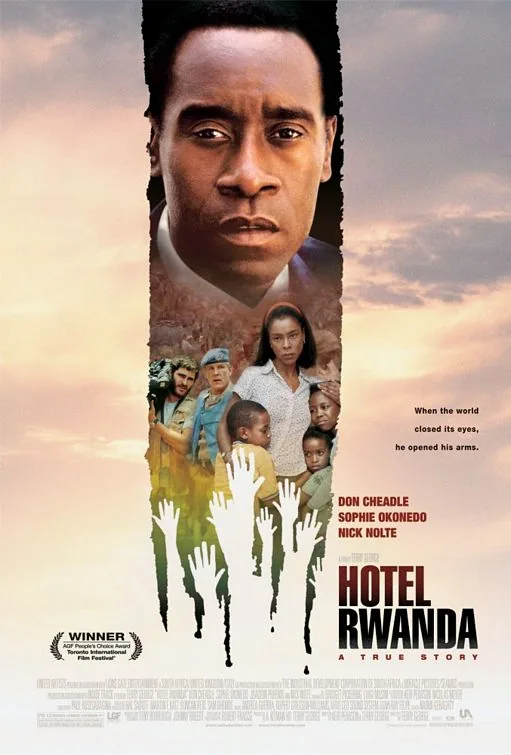
What changes A businessman uses his position and connections to shelter people threatened by genocide despite grave personal danger.
A hotel manager in Kigali tries to keep guests, neighbours and his own family alive as organised anti-Tutsi violence makes ordinary professional routines inadequate. Contacts, supplies and the hotel's international status create temporary leverage, but outside promises repeatedly prove less protective than expected. Each negotiation exposes the limits of treating rescue as a question of commercial influence when the wider institutions with the power to intervene choose restricted obligations or withdrawal.
The counterfeit operation gives prisoners a narrow chance to survive inside a system built to destroy them.
Why this matches +
These offer a related experience with a meaningful difference in story, tone, or presentation.
An adjacent discovery: a related idea with a different viewing experience.
Genres: Crime / Drama
Shared film traits
Based on recorded story, mood and style. Your preferences can change the order.
War and civilian life
What changes Jewish prisoners use specialized work inside a Nazi camp to survive amid exploitation, moral compromise and mass murder.
In a Nazi concentration camp, a Jewish counterfeiter is compelled to help produce forged currency for a German operation, gaining temporary survival at the cost of moral compromise. He and the other prisoners face choices shaped by coercion, scarcity and the risks of resistance. Based on wartime events, the drama focuses on constrained decisions under atrocity and on the uneasy line between collaboration forced by violence and active allegiance.
A local appointment under a state confiscation policy puts one ordinary man between personal gain and a neighbour whose trust makes the consequences immediate.
Why this matches +
These offer a related experience with a meaningful difference in story, tone, or presentation.
An adjacent discovery: a related idea with a different viewing experience.
Genres: Drama / War
Shared film traits
Based on recorded story, mood and style. Your preferences can change the order.
War and civilian life
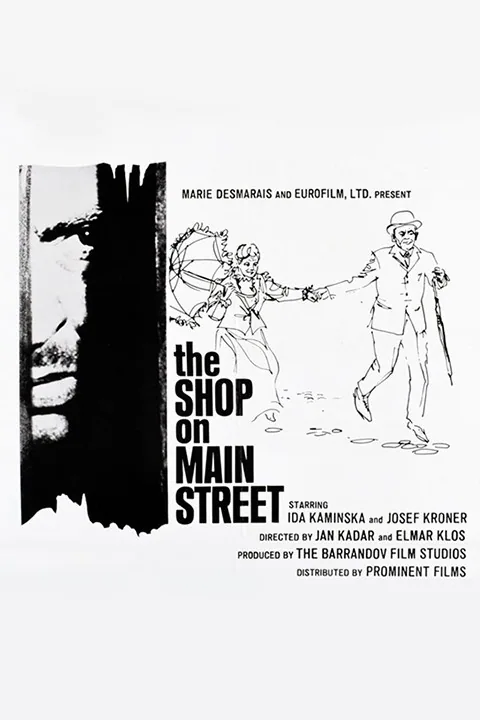
What changes An ordinary man benefits from Nazi occupation policies while his relationship with a Jewish shopkeeper exposes the human consequences.
In Nazi-occupied Slovakia, carpenter Tóno Brtko is appointed Aryan controller of Rozália Lautmannová's small haberdashery by his influential brother-in-law. Rozália is isolated and only partly aware of the political danger; she assumes Tóno has come to help with the shop and treats him with warmth. At first he accepts the appointment for the prospect of money and status, then gradually becomes attached to the widow and understands what the policy means for her. His wife Evelyna expects profit, while town officials and neighbours treat dispossession as routine. As deportations approach, Tóno must choose between the comfort of staying within the arrangement and a form of protection that may cost him his position and safety.
A businessman joins the Nazi occupation economy in Kraków intending to profit from factories staffed by exploited Jewish workers. His dependence on a Jewish accountant brings practical contact with lives that the regime treats as disposable. As ghetto clearance and camp violence expose the machinery of extermination, his priorities change, and commercial access becomes a precarious means of protecting workers from deportation and death.
What drives the story
An opportunist's factory operation becomes a rescue effort as escalating persecution turns employment, paperwork and money into fragile instruments of survival.
The people at its centre
The industrialist relies on an accountant's knowledge while negotiating with a camp commandant whose arbitrary power makes every arrangement unstable.
What it feels like
Mostly black-and-white historical drama combines intimate administrative decisions with disturbing depictions of systematic violence and profound loss.
Worth knowing
The central stakes concern genocide and the protection of persecuted civilians, rather than a battlefield rescue or an individual's isolated endurance.