Based on recorded story, mood and style. Your preferences can change the order.
War and civilian life · Political resistance
What changes The Zookeeper's Wife: period setup, sustained suspense and rescue episodes. Anthropoid: careful operational planning, tense attack sequence and prolonged siege aftermath.
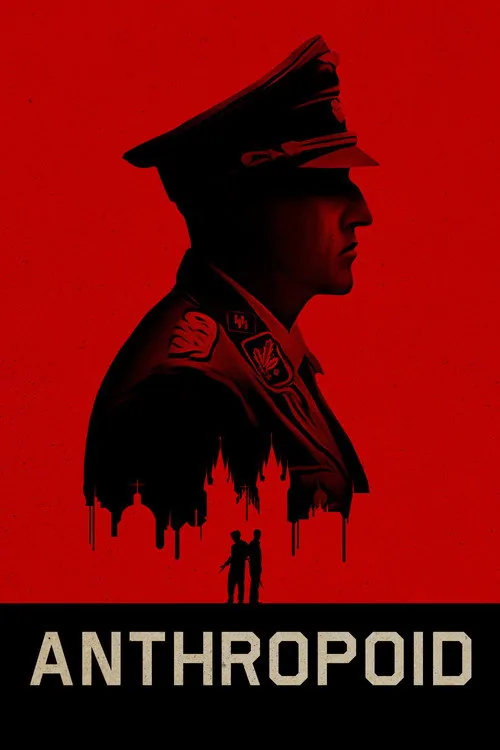
In 1941, Czechoslovak soldiers Jozef Gabčík and Jan Kubiš parachute into occupied Bohemia to join the resistance and prepare the assassination of Nazi official Reinhard Heydrich. They find shelter and support among civilians in Prague, but carrying out the mission could bring brutal retaliation against the people protecting them. Sean Ellis's war drama follows the operatives through planning, uncertainty, and the aftermath of the attack, focusing on the human cost of resistance under occupation.
Based on recorded story, mood and style. Your preferences can change the order.
War and civilian life · Survival
What changes The Zookeeper's Wife: period setup, sustained suspense and rescue episodes. The Pianist: measured.
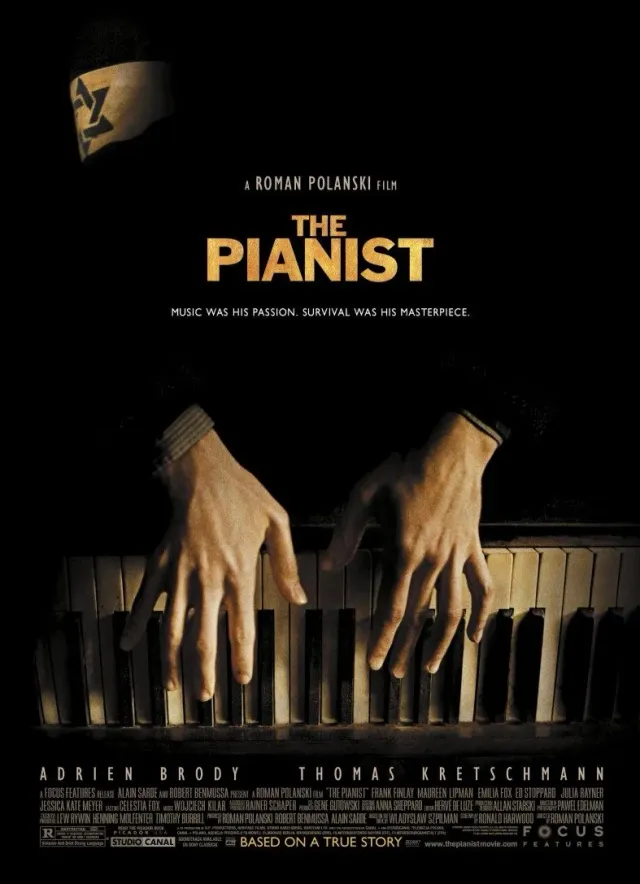
Polish Jewish musician Władysław Szpilman watches the Nazi occupation of Warsaw progressively strip his family of livelihood, movement and safety. Separated from them during deportation, he survives through forced labour, help from acquaintances and prolonged hiding in a city being destroyed around him. Music remains part of his identity, but endurance depends on contingent aid and temporary shelter rather than the protection professional distinction might once have promised.
Based on recorded story, mood and style. Your preferences can change the order.
War and civilian life
What changes The Zookeeper's Wife: period setup, sustained suspense and rescue episodes. Katyń: nonlinear and measured.
After the 1939 partition of Poland, a community waits through war for news of husbands, sons and brothers taken into Soviet custody. Andrzej Wajda follows several families as German and Soviet authorities issue competing accounts of the Katyn killings, and survivors face pressure to repeat the official version. The final sequence shows the executions with an unflinching documentary-like duration, giving historical violence an intimate human scale. Its attention to Polish experience and decades of suppressed memory is powerful, but the film’s selected perspectives cannot stand in for every Polish or Soviet experience. Distinguish its commemorative purpose and family stories from the broader historical record of the massacre and the propaganda that long obscured responsibility.
Based on recorded story, mood and style. Your preferences can change the order.
War and civilian life
What changes The Zookeeper's Wife: period setup, sustained suspense and rescue episodes. The Zone of Interest: observational and slow-burn.
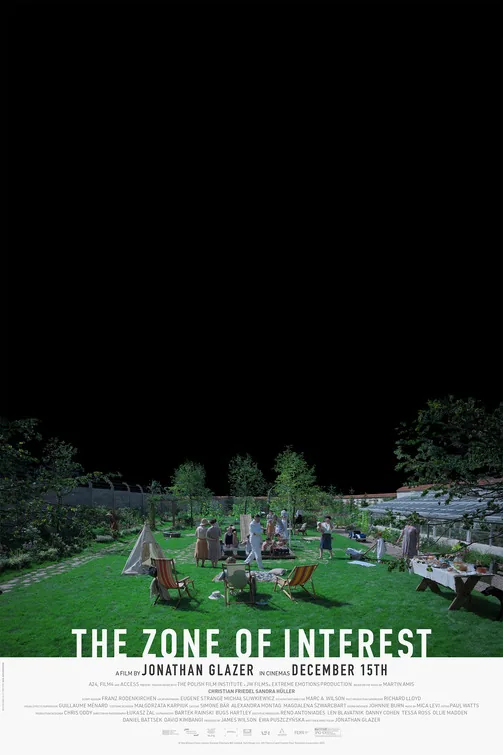
Rudolf Höss, commandant of Auschwitz, and his wife Hedwig try to build a comfortable family life in a home and garden directly beside the camp. Their children play, visitors arrive and domestic routines continue, while the noises and smoke from the camp remain present beyond the wall. Rudolf’s work and Hedwig’s attachment to the household shape the family’s decisions, including arguments over status and relocation. The film does not follow prisoners through the camp as a conventional war story; it makes the surrounding domestic normality the frame through which the machinery of genocide is apprehended. Its starkest contrast is between the household’s attention to garden and status and the camp’s audible presence beyond their wall.
Based on recorded story, mood and style. Your preferences can change the order.
War and civilian life
What changes The Zookeeper's Wife: period setup, sustained suspense and rescue episodes. The Cranes Are Flying: interwoven home-front and military experience and emotional escalation.
As Germany invades the Soviet Union, Veronika and Boris are separated when he volunteers for the army. A bombing kills Veronika's parents, and she moves in with Boris's family while waiting for him to return. His cousin Mark exploits her isolation and rapes her; the family later treats her as if she chose betrayal. At the front, Boris is sent on a dangerous mission and dies before he can come home. The film follows Veronika through grief, blame and wartime survival toward the moment when she can acknowledge the soldiers who will not return.
Based on recorded story, mood and style. Your preferences can change the order.
War and civilian life · Survival
What changes The Zookeeper's Wife: period setup, sustained suspense and rescue episodes. Defiance: long stretches of camp-building and hardship lead into military attacks.
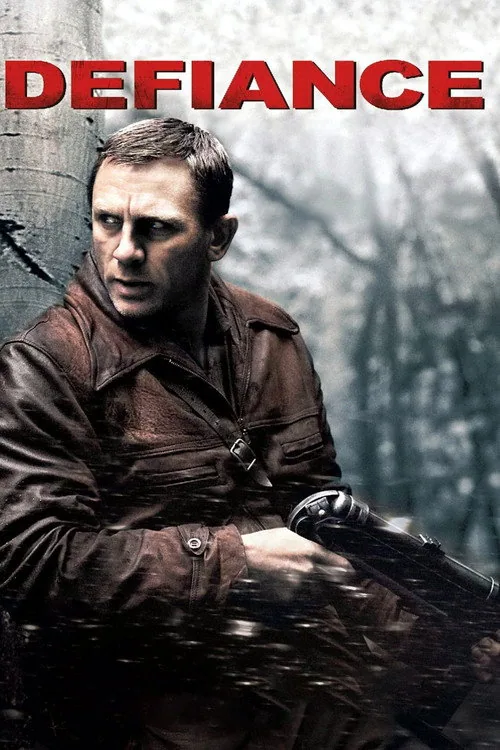
After Nazi forces and local collaborators kill their parents, the Bielski brothers flee into the forests of occupied Belarus and gather Jewish survivors around them. Tuvia prioritizes shelter and preservation of life, while Zus favors more aggressive resistance; the camp’s survival tests their leadership as winter, scarce food, internal conflict, and a German offensive close in. The war drama follows a refuge becoming a community, with armed resistance always tied to the vulnerable people it is meant to protect.
Based on recorded story, mood and style. Your preferences can change the order.
War and civilian life
What changes The Zookeeper's Wife: period setup, sustained suspense and rescue episodes. Battle for Sevastopol: chronological and war-driven.
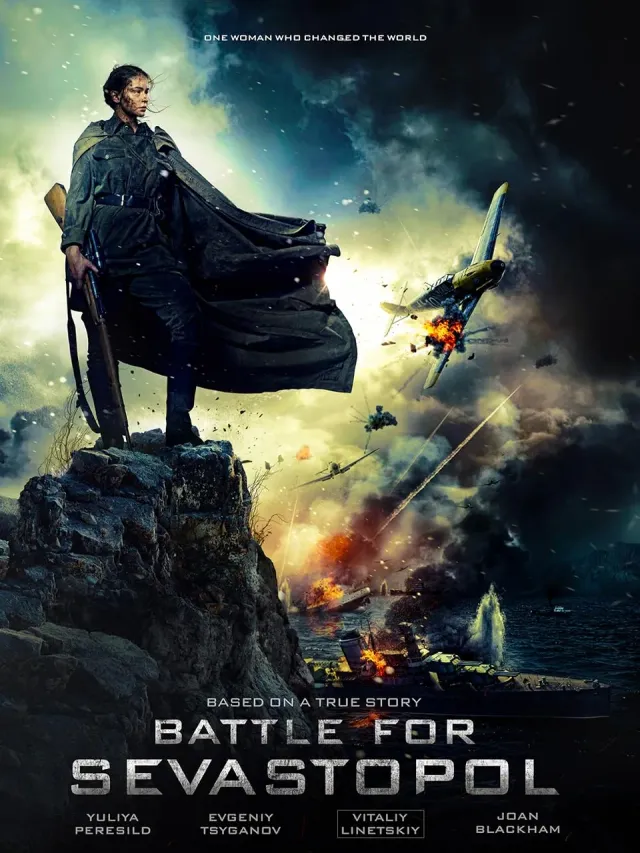
The film follows Lyudmila Pavlichenko from her studies in Kyiv into the Soviet army, where her skill as a sniper brings her to the Eastern Front. Her wartime service, relationships and later public advocacy take shape amid escalating violence and political pressure. Sergey Mokritsky combines a biographical portrait with large battle scenes, emphasizing both the cost of conflict and the way a woman’s achievements become part of a larger public narrative.
Based on recorded story, mood and style. Your preferences can change the order.
War and civilian life · Political resistance
What changes The Zookeeper's Wife: period setup, sustained suspense and rescue episodes. Valkyrie: deadline-driven and procedural escalation.
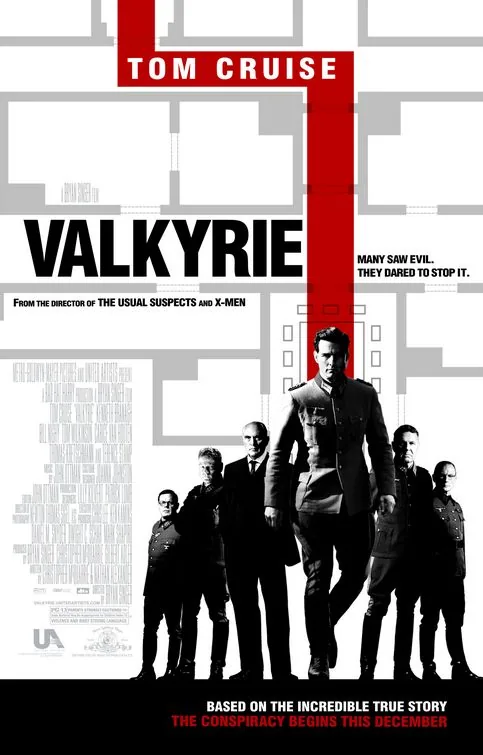
Colonel Claus von Stauffenberg returns from North Africa injured and increasingly convinced that Hitler’s regime must be stopped. He joins a network of German officers who adapt Operation Valkyrie, an existing reserve plan, into a coup that could seize control of Berlin after an assassination attempt. The conspiracy depends on secrecy, timing and a chain of people willing to act before the outcome is known. Their planning must account for military procedure as well as the possibility that the assassination will fail, leaving the plotters exposed and divided. Bryan Singer’s film dramatizes the historical July 20, 1944 attempt, narrowing a complex political network around Stauffenberg’s role and the operation’s mechanics.
Based on recorded story, mood and style. Your preferences can change the order.
War and civilian life · Political resistance
What changes The Zookeeper's Wife: period setup, sustained suspense and rescue episodes. The Ascent: deliberate, intensifying and tragic.
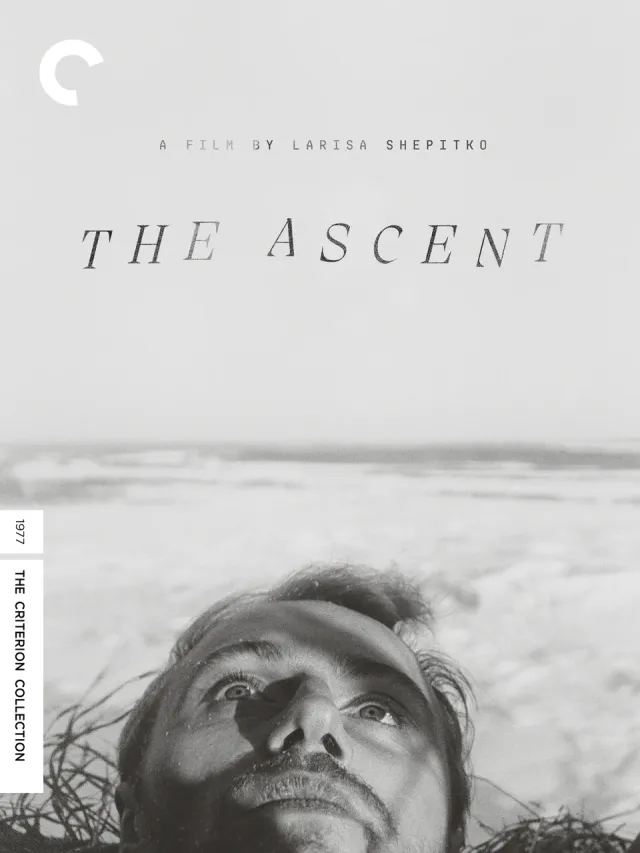
During the Second World War, Soviet partisans Sotnikov and Rybak leave their unit to find food for their comrades. A German patrol wounds Sotnikov, and the men seek shelter in a village home before they are discovered and captured with its owner, Demchikha. Under interrogation by a local collaborator, Sotnikov refuses to betray others and endures torture. Rybak faces a different test as fear and the promise of survival press him toward a decision that will define his moral relationship to his companion.
When Nazi Germany invades Poland in 1939, Warsaw zookeeper Jan Żabiński and his wife Antonina find their zoo destroyed and their Jewish friends in danger. Antonina uses the couple’s home and the abandoned animal enclosures to hide people who are being smuggled out of the Warsaw Ghetto. The rescue effort requires secrecy, cooperation and careful attention to the occupiers who control the grounds. The film follows the family’s work under occupation through Antonina’s perspective.
What drives the story
Antonina and Jan use the zoo and their home to hide people escaping Nazi persecution while trying not to expose the rescue network.
The people at its centre
Antonina balances care for her child, animals and hidden guests, while Jan’s outside work and underground contacts support the operation.
What it feels like
The zoo’s ordinary spaces become a covert refuge, placing animal care and human rescue within the danger of occupation.
Worth knowing
It centers on a specific rescue operation built around a zoo and a married couple’s home, rather than a frontline military campaign or concentration-camp narrative.
rescuecourageoccupation
Mood
compassionate · tense · somber · hopeful
Pacing
period setup · sustained suspense · rescue episodes
Visual style
zoo and animal imagery · wartime city streets · period interiors · contrasts between damaged enclosures and refuge
Storytelling
historical biographical drama · zookeepers shelter Jewish refugees · wartime Warsaw · resistance through concealment