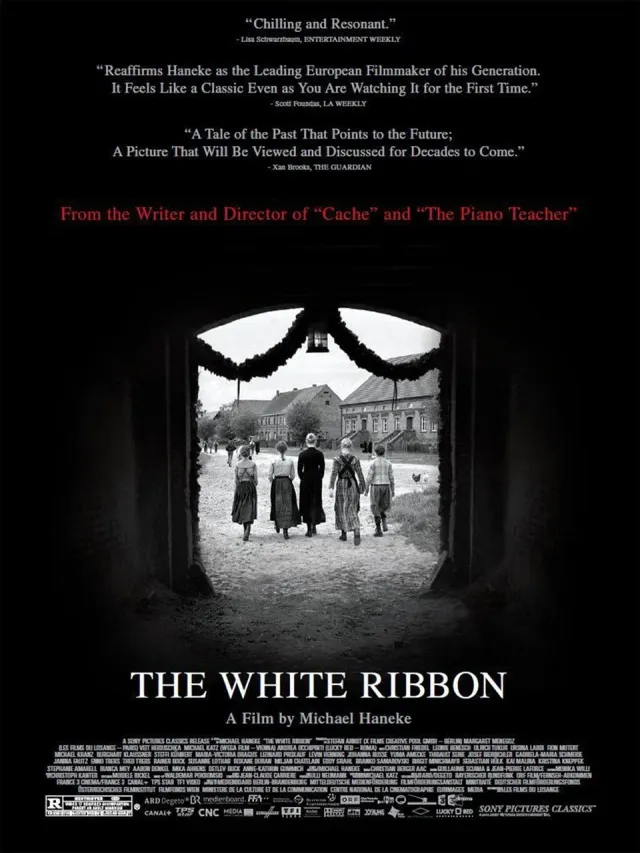
A string of unexplained injuries and acts of damage exposes a village where adult authority depends on fear and punishment.
Why this matches +
These offer a related experience with a meaningful difference in story, tone, or presentation.
An adjacent discovery: a related idea with a different viewing experience.
Genres: Drama / Historical
Shared film traits
Based on recorded story, mood and style. Your preferences can change the order.
What changes The White Ribbon studies cruelty and authoritarian habits beneath the surface of a rural community, set before World War I rather than at Auschwitz.
In a Protestant village in northern Germany shortly before World War I, a doctor is injured when his horse trips over a wire, and a series of other disturbing incidents unsettles the community. The schoolteacher narrates events as he remembers them, including the abuse and rigid discipline imposed by adults, the baron’s household and the children’s choral group. Suspicion moves through the village, but the events are never conclusively assigned to a single culprit. The film connects private cruelty with social authority while preserving the limits of what its older narrator can know. The adults’ punishments are visible, while the identities and motives behind the attacks remain uncertain.
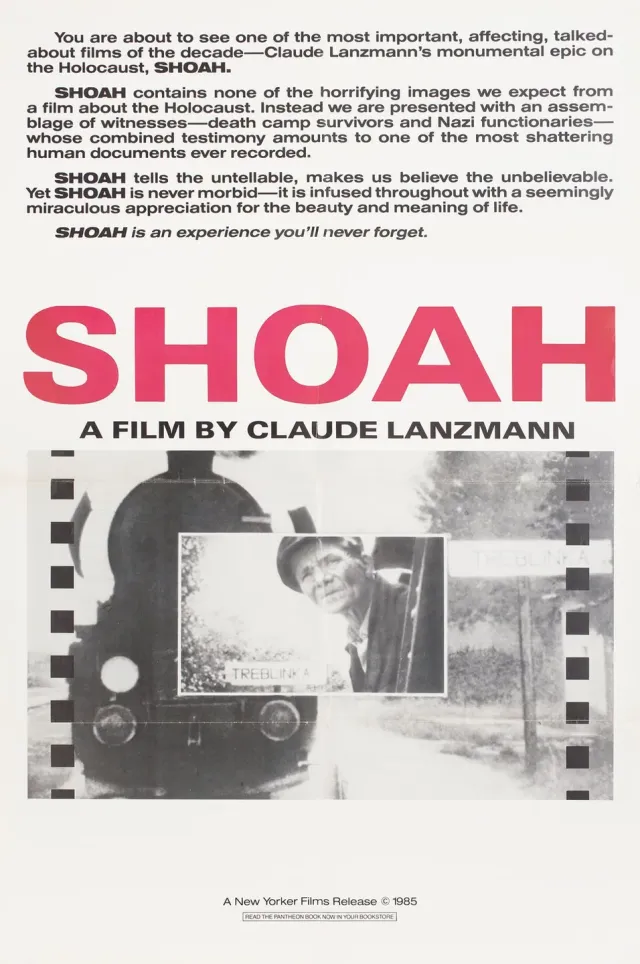
The documentary’s length and interview method make testimony itself the structure through which the history is approached.
Why this matches +
These offer a related experience with a meaningful difference in story, tone, or presentation.
An adjacent discovery: a related idea with a different viewing experience.
Genres: Documentary / Historical
The approach A documentary treatment rather than a dramatic feature.
Shared film traits
Based on recorded story, mood and style. Your preferences can change the order.
War and civilian life
What changes Shoah confronts the Holocaust through testimony and the present-day locations of extermination, using documentary witnesses rather than a fictionalized perpetrator household.
Claude Lanzmann’s documentary returns to Holocaust sites in Poland and builds its account through extended interviews with survivors, witnesses and perpetrators. Its conversations and location visits focus particularly on Chełmno, Treblinka, Auschwitz-Birkenau and the Warsaw Ghetto. Rather than present the history as a short narrated overview, the film gives testimony time to unfold, following memories, evasions and difficult acts of explanation across languages and perspectives. Made over eleven years and running more than nine hours, it asks viewers to stay with individual accounts and with the landscapes where mass murder occurred. The work’s scale and patient method make remembrance an encounter with people who experienced, observed or carried out the events.
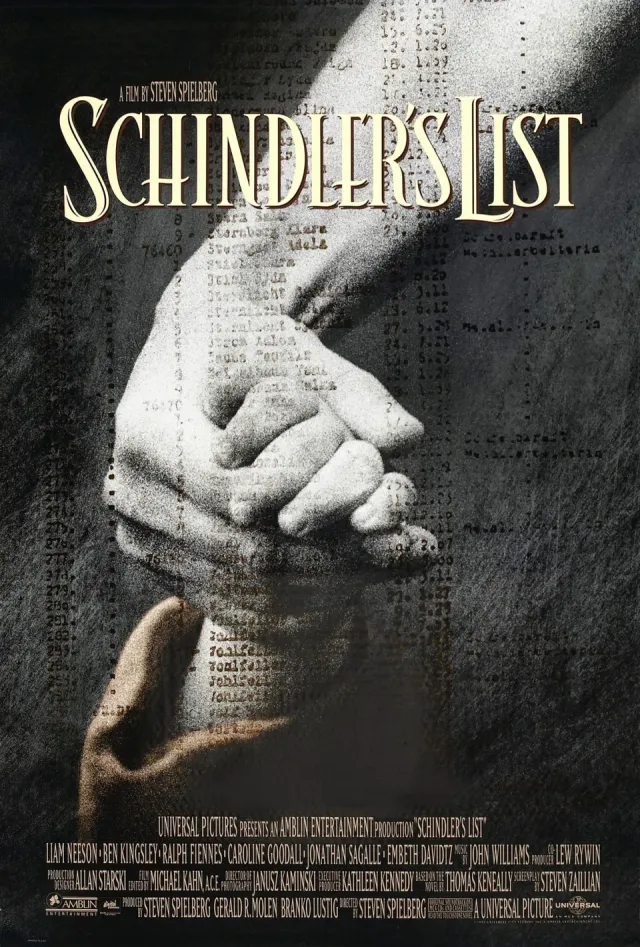
An opportunist's factory operation becomes a rescue effort as escalating persecution turns employment, paperwork and money into fragile instruments of survival.
Why this matches +
These offer a related experience with a meaningful difference in story, tone, or presentation.
An adjacent discovery: a related idea with a different viewing experience.
Genres: Drama / Biography
Shared film traits
Based on recorded story, mood and style. Your preferences can change the order.
War and civilian life
What changes Schindler's List connects ordinary business arrangements to Nazi persecution and mass murder, but follows a businessman protecting Jewish workers rather than a perpetrator family's domestic routine.
A businessman joins the Nazi occupation economy in Kraków intending to profit from factories staffed by exploited Jewish workers. His dependence on a Jewish accountant brings practical contact with lives that the regime treats as disposable. As ghetto clearance and camp violence expose the machinery of extermination, his priorities change, and commercial access becomes a precarious means of protecting workers from deportation and death.
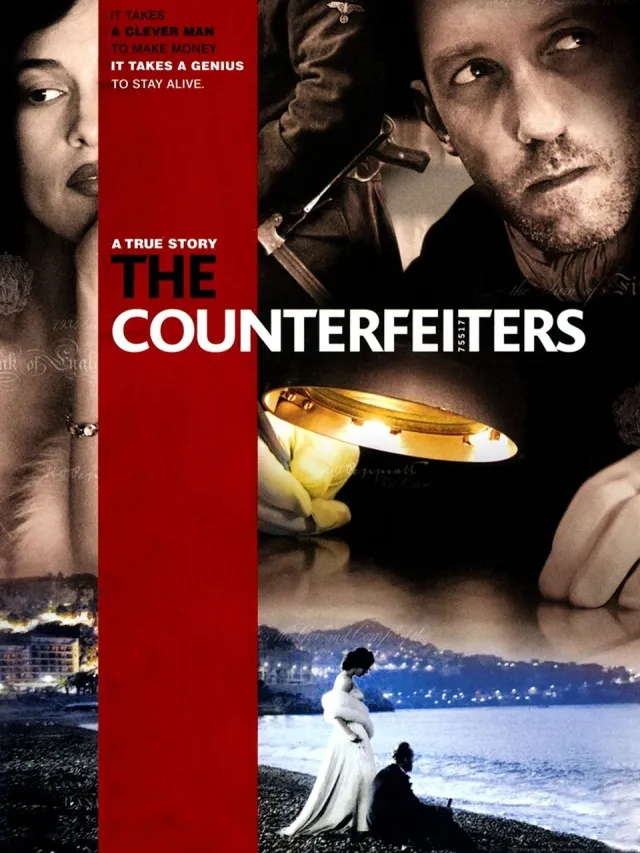
The counterfeit operation gives prisoners a narrow chance to survive inside a system built to destroy them.
Why this matches +
These offer a related experience with a meaningful difference in story, tone, or presentation.
An adjacent discovery: a related idea with a different viewing experience.
Genres: Crime / Drama
Shared film traits
Based on recorded story, mood and style. Your preferences can change the order.
War and civilian life
What changes The Counterfeiters depicts forced labor and moral coercion inside a Nazi camp, moving the perspective from a commandant's household to imprisoned people.
In a Nazi concentration camp, a Jewish counterfeiter is compelled to help produce forged currency for a German operation, gaining temporary survival at the cost of moral compromise. He and the other prisoners face choices shaped by coercion, scarcity and the risks of resistance. Based on wartime events, the drama focuses on constrained decisions under atrocity and on the uneasy line between collaboration forced by violence and active allegiance.
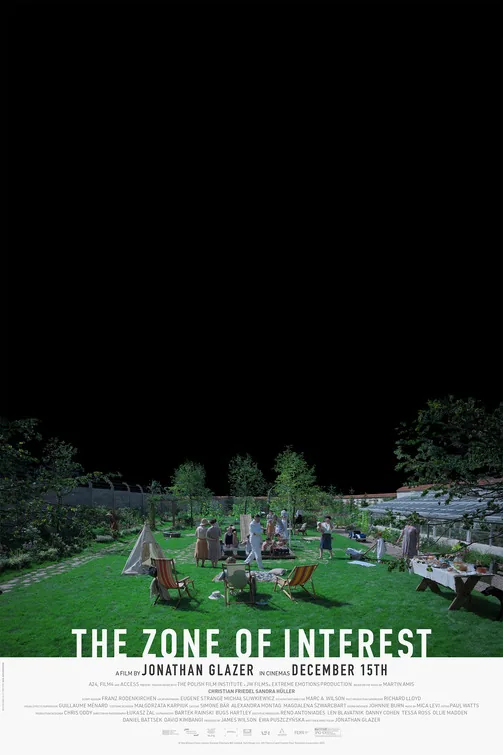
Rudolf Höss, commandant of Auschwitz, and his wife Hedwig try to build a comfortable family life in a home and garden directly beside the camp. Their children play, visitors arrive and domestic routines continue, while the noises and smoke from the camp remain present beyond the wall. Rudolf’s work and Hedwig’s attachment to the household shape the family’s decisions, including arguments over status and relocation. The film does not follow prisoners through the camp as a conventional war story; it makes the surrounding domestic normality the frame through which the machinery of genocide is apprehended. Its starkest contrast is between the household’s attention to garden and status and the camp’s audible presence beyond their wall.
What drives the story
A family’s effort to make an ordinary home beside Auschwitz depends on refusing the human reality that their daily comfort encloses.
The people at its centre
Hedwig’s domestic ambition and Rudolf’s administrative role are distinct but mutually reinforcing; the children inhabit a protected routine built through the violence kept just outside view.
What it feels like
A fixed, observational camera and an intensely layered soundscape place atrocities beyond the image, forcing attention onto what the characters exclude from sight.
Worth knowing
For viewers prepared for a formally severe Holocaust film about perpetrators’ domestic life and complicity. It is not a survivor-centered narrative or a conventional battle film.