Based on recorded story, mood and style. Your preferences can change the order.
War and civilian life
What changes The Cranes Are Flying: interwoven home-front and military experience and emotional escalation. Ivan's Childhood: nonlinear and measured.
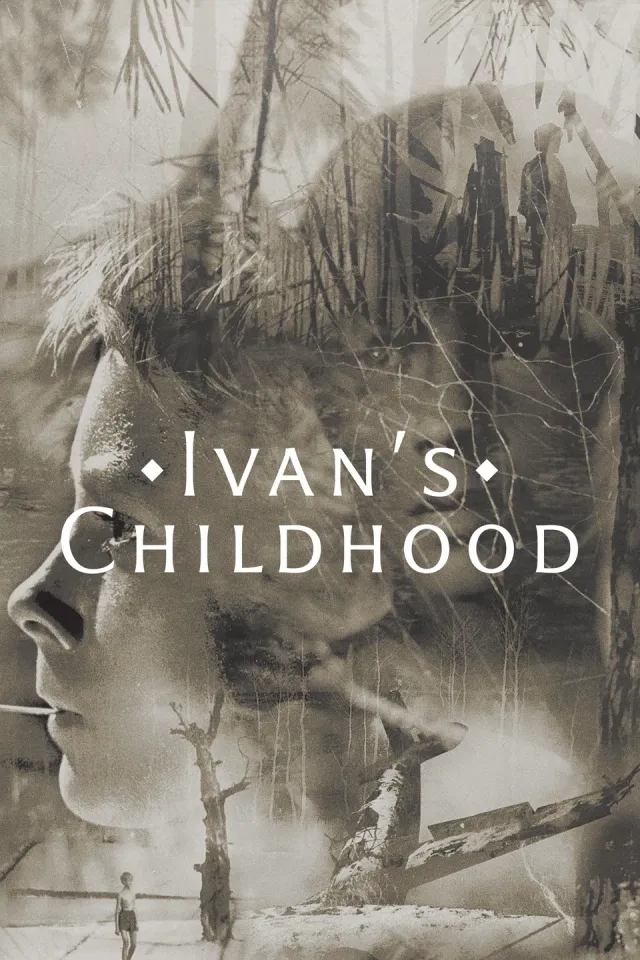
A boy whose family has been destroyed by war crosses dangerous territory to report intelligence to Soviet soldiers. Officers attempt to redirect him toward safety, but revenge and the disappearance of ordinary childhood make another life difficult for him to imagine. Dreams interrupt the military present with tactile images of affection and freedom. The film places a child's usefulness to war beside what that usefulness cannot restore, refusing to let competence in danger stand as proof that his damaged world has become acceptable.
Based on recorded story, mood and style. Your preferences can change the order.
War and civilian life
What changes The Cranes Are Flying: interwoven home-front and military experience and emotional escalation. War and Peace: multi-part and long-form.
Across the Napoleonic era, Pierre Bezukhov, Prince Andrei Bolkonsky and Natasha Rostova search for purpose while Russia’s aristocratic society is repeatedly interrupted by war. Private life unfolds through balls, marriages, family conflict and shifting loyalties, but Napoleon’s invasion steadily alters what safety and honor mean. Bondarchuk’s adaptation follows several families across a long historical span, allowing characters who once imagined history from a distance to encounter its consequences directly. The film is often distributed in four parts and is unusually long, so its large battle scenes sit alongside intimate questions of love, ambition, grief and social expectation. It adapts Tolstoy’s novel rather than reducing it to a single hero’s campaign.
Based on recorded story, mood and style. Your preferences can change the order.
War and civilian life
What changes The Cranes Are Flying: interwoven home-front and military experience and emotional escalation. The Promise: personal relationships under escalating pressure.
As the Ottoman Empire enters World War I, Armenian medical student Mikael Boghosian, Armenian-born artist Ana, and American journalist Chris Myers become caught in a love triangle shaped by escalating political violence. Mikael’s medical ambitions and personal loyalties are tested as the characters confront displacement and the Armenian genocide. The historical drama filters a broad catastrophe through relationships and individual choices, combining a romantic story with the danger faced by civilians and journalists.
Based on recorded story, mood and style. Your preferences can change the order.
War and civilian life
What changes The Cranes Are Flying: interwoven home-front and military experience and emotional escalation. Quo Vadis, Aida?: escalating and time-pressured.
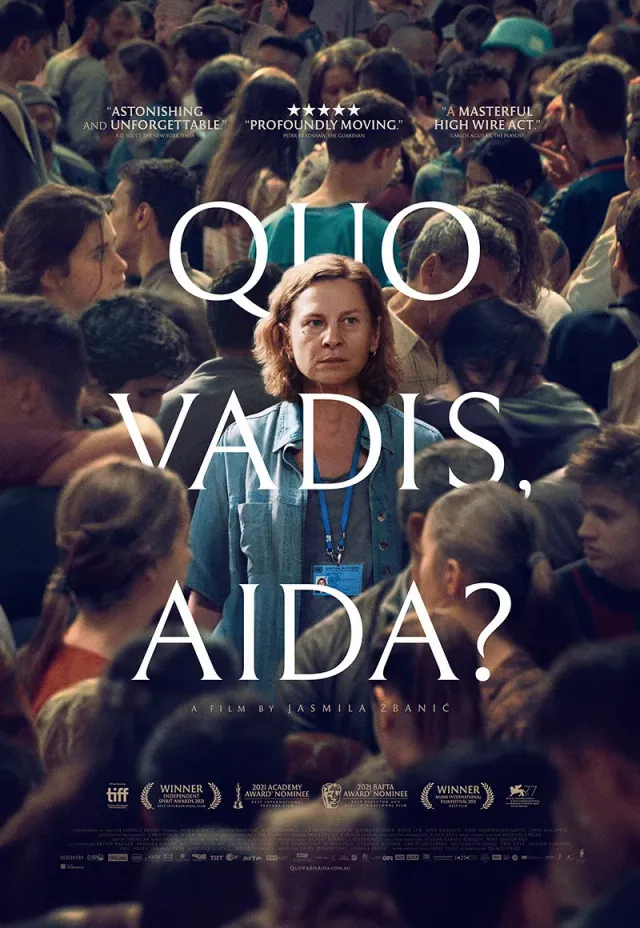
During the 1995 siege of Srebrenica, Aida works as a translator for the UN peacekeeping force while her husband and sons seek safety. She moves between officials, negotiations and the crowd outside the base, trying to use her access to protect her family as the crisis worsens. Jasmila Žbanić keeps the story close to Aida’s limited knowledge, making translation and bureaucratic procedure part of a harrowing drama about civilian survival and institutional failure.
Based on recorded story, mood and style. Your preferences can change the order.
War and civilian life
What changes The Cranes Are Flying: interwoven home-front and military experience and emotional escalation. A Very Long Engagement: interwoven and searching.
After the First World War, Mathilde refuses to believe that her fiancé has died and follows scattered accounts of what happened to him and four other soldiers. Her investigation moves among witnesses whose memories and motives differ, while flashbacks reveal the brutal conditions of the trenches. The film joins a persistent search to a lyrical period portrait of love, injury and the ways war leaves families waiting for answers.
Based on recorded story, mood and style. Your preferences can change the order.
War and civilian life
What changes The Cranes Are Flying: interwoven home-front and military experience and emotional escalation. Closely Watched Trains: measured.
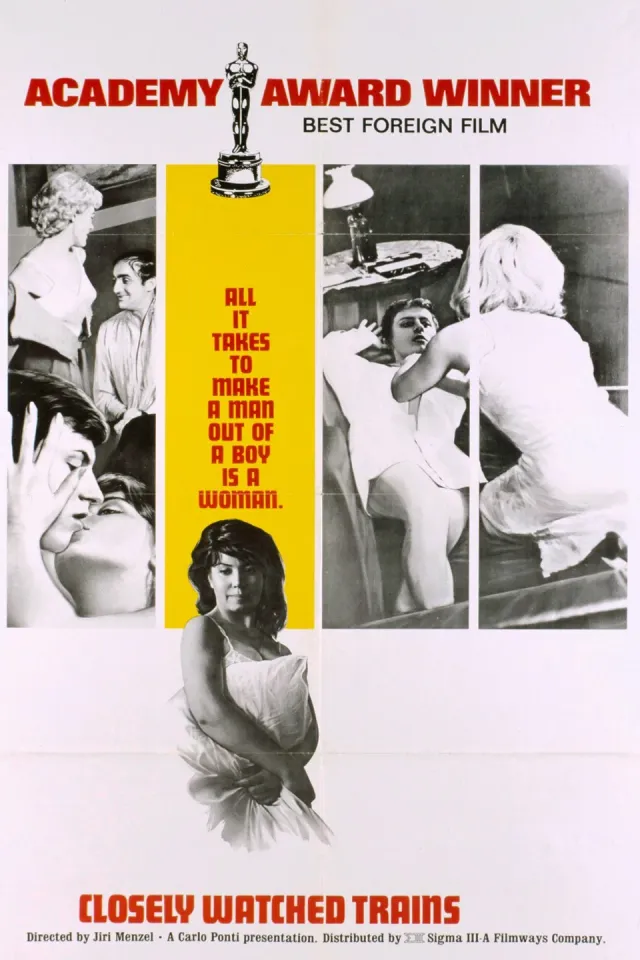
Near the end of Nazi-occupied Czechoslovakia, apprentice station guard Miloš is more consumed by sexual embarrassment than by the war around him. The staff's workplace comedy and sexual bravado make the railway station feel provincial and ordinary, yet its trains carry military cargo and a resistance plan draws Miloš into danger. His final act is not a prize for successful sexual initiation: the film lets courage emerge through an awkward person whose private shame and political world never become the same problem. Miloš's sexual anxieties share screen time with a station's seemingly routine wartime duties.
Based on recorded story, mood and style. Your preferences can change the order.
War and civilian life
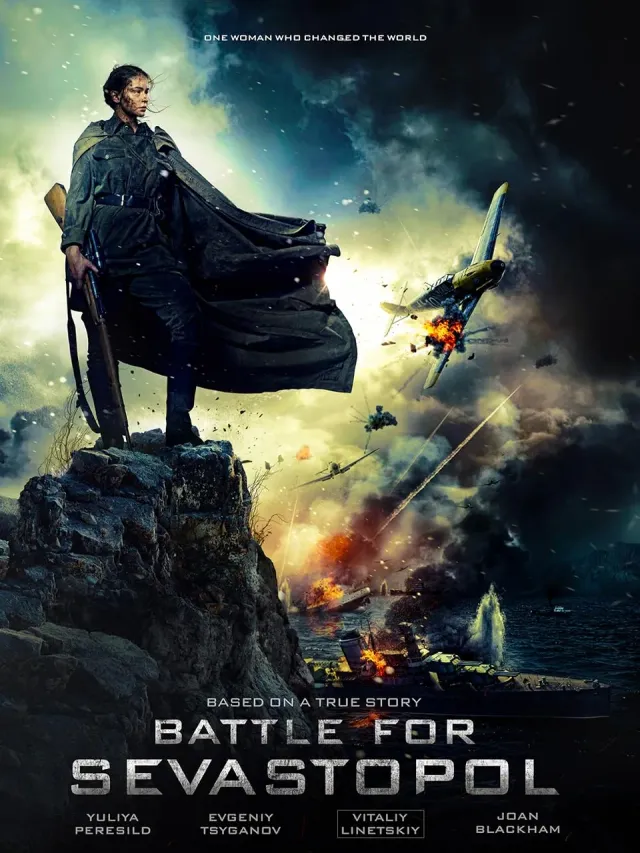
What changes The Cranes Are Flying: interwoven home-front and military experience and emotional escalation. Battle for Sevastopol: chronological and war-driven.
The film follows Lyudmila Pavlichenko from her studies in Kyiv into the Soviet army, where her skill as a sniper brings her to the Eastern Front. Her wartime service, relationships and later public advocacy take shape amid escalating violence and political pressure. Sergey Mokritsky combines a biographical portrait with large battle scenes, emphasizing both the cost of conflict and the way a woman’s achievements become part of a larger public narrative.
Based on recorded story, mood and style. Your preferences can change the order.
War and civilian life
What changes The Cranes Are Flying: interwoven home-front and military experience and emotional escalation. Underground: multi-decade and episodic shifts.
In occupied Belgrade during World War II, Marko hides his friend Blacky and others in an underground cellar where they make weapons for the resistance. Marko continues profiting from the arrangement long after the war has ended, telling those below that the conflict is still ongoing and keeping Blacky away from the actress Natalija they both love. The deception stretches across decades as political reality changes above ground and the cellar’s inhabitants build a distorted version of the world from scraps of information. When they finally emerge, they find a country whose history has not resolved into peace. Emir Kusturica’s film mixes slapstick, music, melodrama and historical allegory, presenting individual betrayal as one thread in a much wider, unstable account of Yugoslavia.
Based on recorded story, mood and style. Your preferences can change the order.
War and civilian life
What changes The Cranes Are Flying: interwoven home-front and military experience and emotional escalation. Captain Corelli's Mandolin: measured and melodramatic build.
On the Greek island of Cephalonia during the Second World War, a local woman and an Italian officer form a bond while occupying forces and shifting allegiances alter the lives around them. Their romance unfolds against military pressure, resistance and the eventual devastation of wartime events. The film balances intimate choices with a broad historical canvas, asking how affection survives when political loyalties become dangerous.
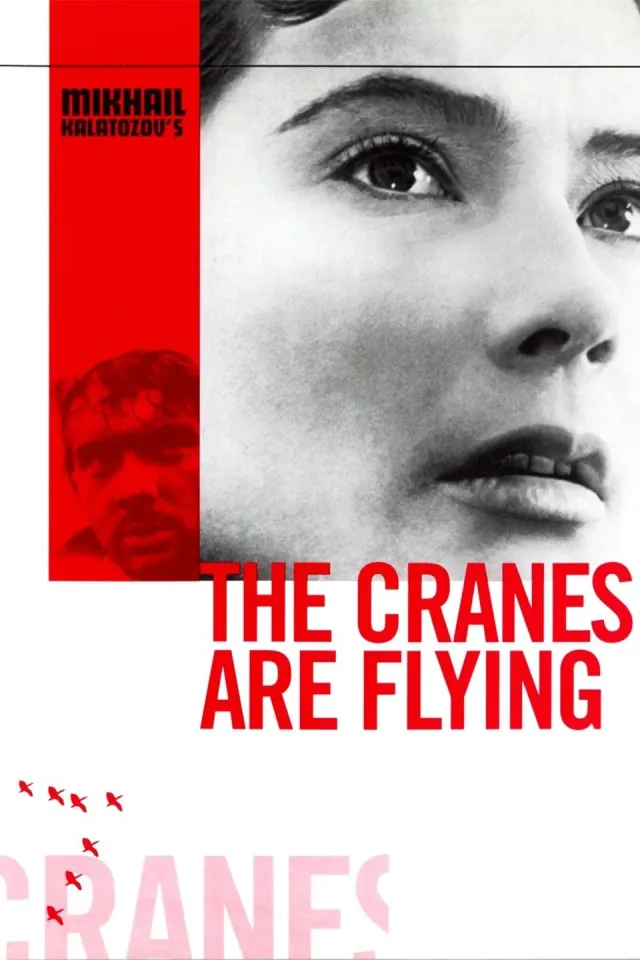
As Germany invades the Soviet Union, Veronika and Boris are separated when he volunteers for the army. A bombing kills Veronika's parents, and she moves in with Boris's family while waiting for him to return. His cousin Mark exploits her isolation and rapes her; the family later treats her as if she chose betrayal. At the front, Boris is sent on a dangerous mission and dies before he can come home. The film follows Veronika through grief, blame and wartime survival toward the moment when she can acknowledge the soldiers who will not return.
What drives the story
The war repeatedly removes the people and places Veronika relies on; her waiting becomes a private struggle against both bereavement and the family's judgment.
The people at its centre
Mark abuses his position in the household, while Veronika's marriage to him does not make her desire or consent visible to those who condemn her.
What it feels like
Mobile camera work, expressive close-ups and imagined scenes give the Soviet home-front story a subjective intensity rather than a battlefield epic's scale.
Worth knowing
A fit for devastating wartime melodrama centered on civilian loss and sexual violence; it approaches the war through Veronika's experience rather than military strategy.
LoveWarLoss
Mood
Lyrical · Tragic · Urgent
Pacing
Interwoven home-front and military experience · Emotional escalation
Visual style
Mobile camera · Expressionist war imagery · Intimate close-ups
Storytelling
Wartime separation · Family pressure · Survivor guilt