A patient's uncertain identity and recollections gradually connect an intimate love affair with betrayals and irreversible losses across a wartime landscape.
Why this matches +
These films share important themes, atmosphere or storytelling interests with this selection.
Genres: Drama / Romance
Shared film traits
Based on recorded story, mood and style. Your preferences can change the order.
War and civilian life
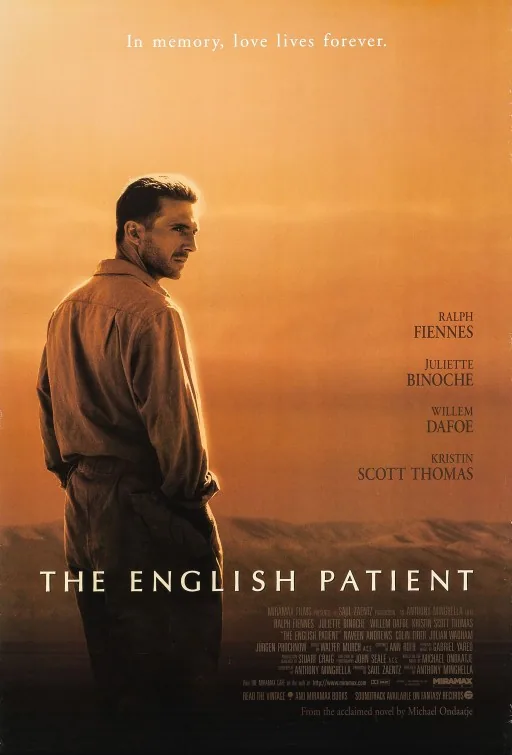
What changes Its own story: A patient's uncertain identity and recollections gradually connect an intimate love affair with betrayals and irreversible losses across a wartime landscape.
Near the end of the Second World War, a nurse tends a severely burned man in an abandoned Italian monastery while fragments of his earlier life emerge. His memories return to a desert mapping expedition, an affair with a married woman and decisions whose consequences cross wartime allegiances. Other displaced people briefly form a household around the patient's care, placing his consuming lost romance beside more tentative attempts to remain open to life.
An improvised refuge survives through repeated negotiations whose apparent protections remain vulnerable to both armed intimidation and international abandonment.
Why this matches +
These films share important themes, atmosphere or storytelling interests with this selection.
Genres: Drama / Biography
Shared film traits
Based on recorded story, mood and style. Your preferences can change the order.
War and civilian life
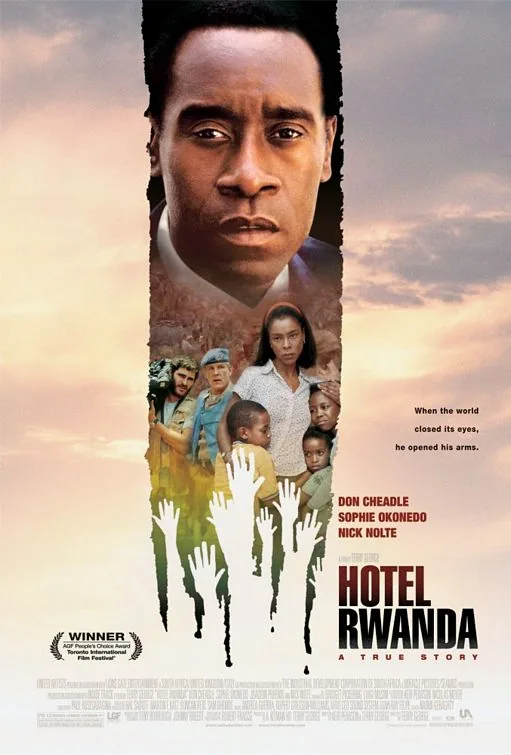
What changes Its own story: An improvised refuge survives through repeated negotiations whose apparent protections remain vulnerable to both armed intimidation and international abandonment.
A hotel manager in Kigali tries to keep guests, neighbours and his own family alive as organised anti-Tutsi violence makes ordinary professional routines inadequate. Contacts, supplies and the hotel's international status create temporary leverage, but outside promises repeatedly prove less protective than expected. Each negotiation exposes the limits of treating rescue as a question of commercial influence when the wider institutions with the power to intervene choose restricted obligations or withdrawal.
The decision to stay with his family in Cambodia separates Pran from Schanberg; the parallel storylines keep their friendship present across years and radically different circumstances.
Why this matches +
These films share important themes, atmosphere or storytelling interests with this selection.
Genres: Drama / Biography
Shared film traits
Based on recorded story, mood and style. Your preferences can change the order.
War and civilian life · Escape and pursuit
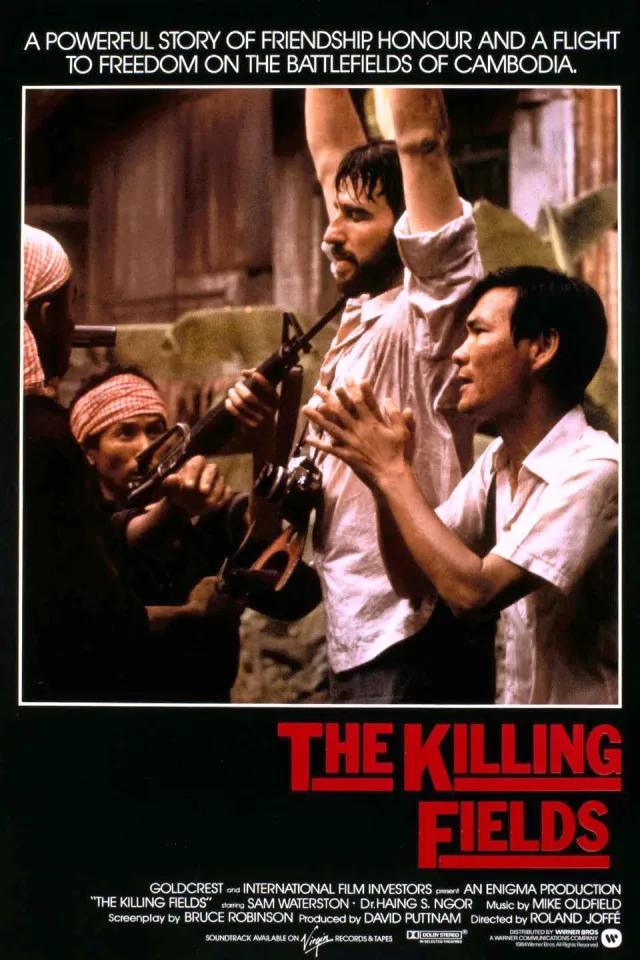
What changes Its own story: The decision to stay with his family in Cambodia separates Pran from Schanberg; the parallel storylines keep their friendship present across years and radically different circumstances.
New York Times reporter Sydney Schanberg and Cambodian journalist and interpreter Dith Pran work together as Cambodia’s civil war intensifies. When the Khmer Rouge take Phnom Penh, Schanberg helps Pran’s family leave, but Pran stays and is captured. Schanberg and photographer Al Rockoff struggle to survive the immediate upheaval and later try to secure Pran’s release. The film follows the friends on separate paths: Schanberg returns to the United States carrying guilt over his colleague’s disappearance, while Pran endures forced labor and attempts to escape. Their eventual reunion joins a personal story of loyalty to a depiction of the Khmer Rouge period, which the feature dramatizes rather than comprehensively documents.
Escalating persecution reduces a musician's social world to unstable shelters and practical survival, with each reprieve exposing dependence on another person's risk or restraint.
Why this matches +
These films share important themes, atmosphere or storytelling interests with this selection.
Genres: Drama / Biography
Shared film traits
Based on recorded story, mood and style. Your preferences can change the order.
War and civilian life
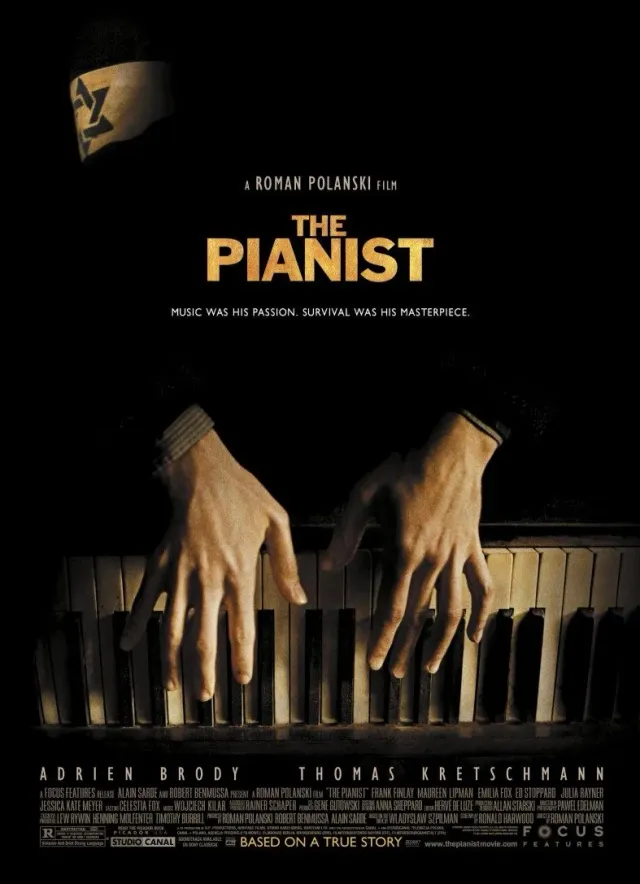
What changes Its own story: Escalating persecution reduces a musician's social world to unstable shelters and practical survival, with each reprieve exposing dependence on another person's risk or restraint.
Polish Jewish musician Władysław Szpilman watches the Nazi occupation of Warsaw progressively strip his family of livelihood, movement and safety. Separated from them during deportation, he survives through forced labour, help from acquaintances and prolonged hiding in a city being destroyed around him. Music remains part of his identity, but endurance depends on contingent aid and temporary shelter rather than the protection professional distinction might once have promised.
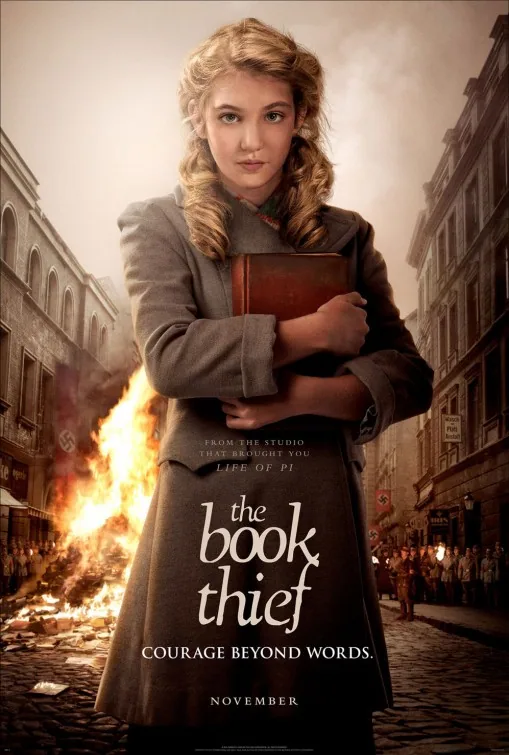
Reading becomes Liesel's way to make sense of a political world that intrudes into her home; hiding Max makes language and silence matters of safety.
Why this matches +
These films share important themes, atmosphere or storytelling interests with this selection.
Genres: Drama / War
Shared film traits
Based on recorded story, mood and style. Your preferences can change the order.
War and civilian life
What changes Its own story: Reading becomes Liesel's way to make sense of a political world that intrudes into her home; hiding Max makes language and silence matters of safety.
In Nazi Germany, young Liesel Meminger is sent to live with foster parents Hans and Rosa Hubermann. Hans teaches her to read after she takes a book at her brother's funeral, and she shares her new love of words with her friend Rudy. The Hubermanns later hide Max, a Jewish man whose family once helped Hans. As Liesel and Max build a friendship through stories, the danger of discovery shapes daily life in their home. The film is narrated by Death and follows the family through wartime loss toward a reunion after the war.
An opportunist's factory operation becomes a rescue effort as escalating persecution turns employment, paperwork and money into fragile instruments of survival.
Why this matches +
These films share important themes, atmosphere or storytelling interests with this selection.
Genres: Drama / Biography
Shared film traits
Based on recorded story, mood and style. Your preferences can change the order.
War and civilian life
What changes Its own story: An opportunist's factory operation becomes a rescue effort as escalating persecution turns employment, paperwork and money into fragile instruments of survival.
A businessman joins the Nazi occupation economy in Kraków intending to profit from factories staffed by exploited Jewish workers. His dependence on a Jewish accountant brings practical contact with lives that the regime treats as disposable. As ghetto clearance and camp violence expose the machinery of extermination, his priorities change, and commercial access becomes a precarious means of protecting workers from deportation and death.
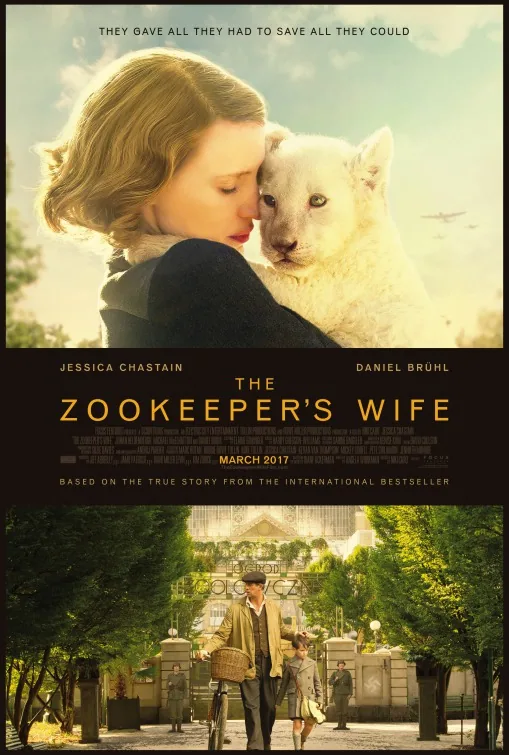
Antonina and Jan use the zoo and their home to hide people escaping Nazi persecution while trying not to expose the rescue network.
Why this matches +
These films share important themes, atmosphere or storytelling interests with this selection.
Genres: Biography / Drama
Shared film traits
Based on recorded story, mood and style. Your preferences can change the order.
War and civilian life
What changes Its own story: Antonina and Jan use the zoo and their home to hide people escaping Nazi persecution while trying not to expose the rescue network.
When Nazi Germany invades Poland in 1939, Warsaw zookeeper Jan Żabiński and his wife Antonina find their zoo destroyed and their Jewish friends in danger. Antonina uses the couple’s home and the abandoned animal enclosures to hide people who are being smuggled out of the Warsaw Ghetto. The rescue effort requires secrecy, cooperation and careful attention to the occupiers who control the grounds. The film follows the family’s work under occupation through Antonina’s perspective.
Kitty’s work with the nuns changes her view of both the epidemic and the husband she had dismissed.
Why this matches +
These films share important themes, atmosphere or storytelling interests with this selection.
Genres: Drama / Romance
Shared film traits
Based on recorded story, mood and style. Your preferences can change the order.
War and civilian life
What changes Its own story: Kitty’s work with the nuns changes her view of both the epidemic and the husband she had dismissed.
In 1920s London, bacteriologist Walter Fane marries socialite Kitty Garstin, though the couple’s interests and temperaments rarely align. After Kitty begins an affair with a married British official in Shanghai, Walter accepts a medical post in a remote Chinese town suffering a cholera epidemic and insists she accompany him. Work among the patients and an orphanage gradually changes Kitty’s understanding of Walter and herself. John Curran’s adaptation of W. Somerset Maugham’s novel makes the outbreak setting a backdrop for a marriage reshaped by service, grief, and moral attention.
A foreign undertaker becomes responsible for a convent community while war closes around their refuge.
Why this matches +
These films share important themes, atmosphere or storytelling interests with this selection.
Genres: Drama / History
Shared film traits
Based on recorded story, mood and style. Your preferences can change the order.
War and civilian life
What changes Its own story: A foreign undertaker becomes responsible for a convent community while war closes around their refuge.
During the 1937 invasion of Nanjing, American mortician John Miller arrives at a Catholic convent to bury its priest. He finds schoolgirls sheltering there and later helps a group of sex workers who seek refuge from Japanese soldiers. As the danger around the church intensifies, Miller tries to protect the people inside and take the girls to safety. The historical drama centers on civilian survival and acts of sacrifice amid wartime violence.
Two separated people struggle toward survival and possible reunion, one through a dangerous homeward journey and the other through practical work on a failing farm.
Why this matches +
These films explore a related idea in a different setting, genre or style.
An adjacent discovery: a related idea with a different viewing experience.
Genres: War / Drama
Shared film traits
Based on recorded story, mood and style. Your preferences can change the order.
War and civilian life · Escape and pursuit
What changes Its own story: Two separated people struggle toward survival and possible reunion, one through a dangerous homeward journey and the other through practical work on a failing farm.
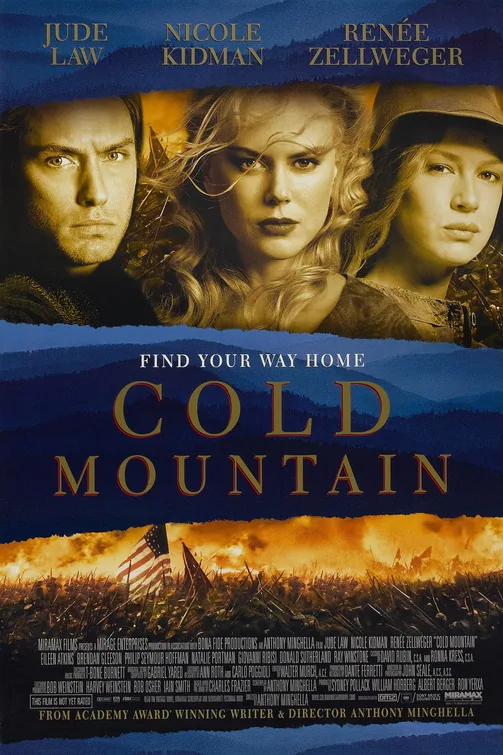
As the American Civil War nears its end, wounded Confederate soldier Inman deserts and tries to walk home to Ada, who has learned to keep her farm alive with Ruby's help. Their parallel journeys bring survival, care and violence into focus, but the film's intimate antiwar romance does not supply an even-handed account of the conflict or fully reckon with slavery's political foundation. Ada's labor is as important to the story as Inman's return. Historical context should remain visible beneath the promise of reunion.
Agu’s path into the armed group is driven by the loss of safety and family.
Why this matches +
These films explore a related idea in a different setting, genre or style.
An adjacent discovery: a related idea with a different viewing experience.
Genres: War / Drama
Shared film traits
Based on recorded story, mood and style. Your preferences can change the order.
War and civilian life
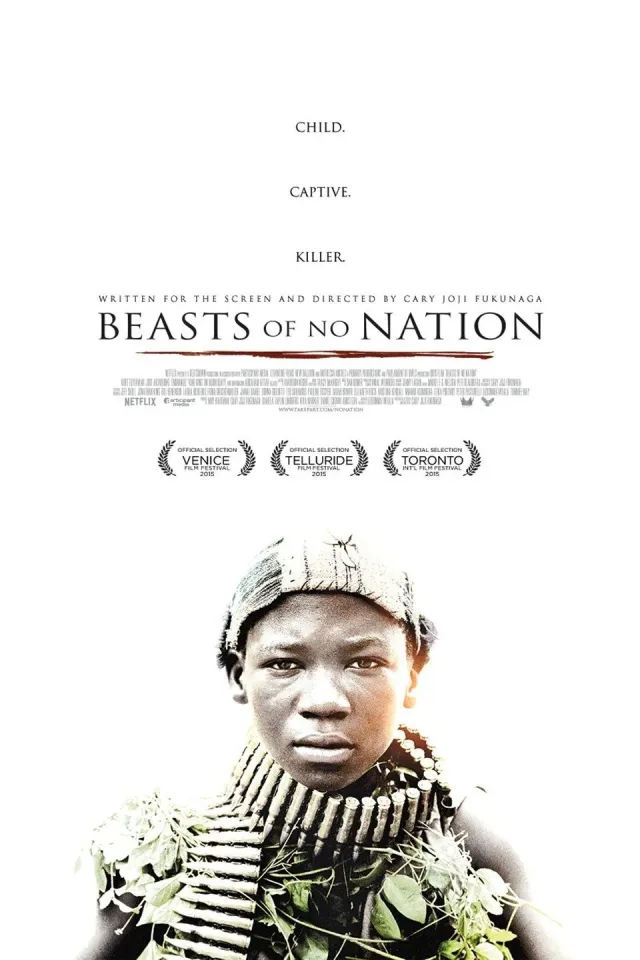
What changes Its own story: Agu’s path into the armed group is driven by the loss of safety and family.
Agu’s life in a West African village is shattered when civil conflict separates him from his family and he is taken in by a rebel commander. He is trained as a child soldier and drawn into acts that reshape how he understands childhood, loyalty and survival. Cary Joji Fukunaga stays close to Agu’s point of view, making the film an intimate and harrowing portrait of war’s effects on a child rather than a conventional battlefield adventure.
A false accusation produced by limited observation and class assumptions creates a separation that later writing can revisit but cannot simply undo.
Why this matches +
These films explore a related idea in a different setting, genre or style.
An adjacent discovery: a related idea with a different viewing experience.
Genres: Drama / Romance
Shared film traits
Based on recorded story, mood and style. Your preferences can change the order.
War and civilian life
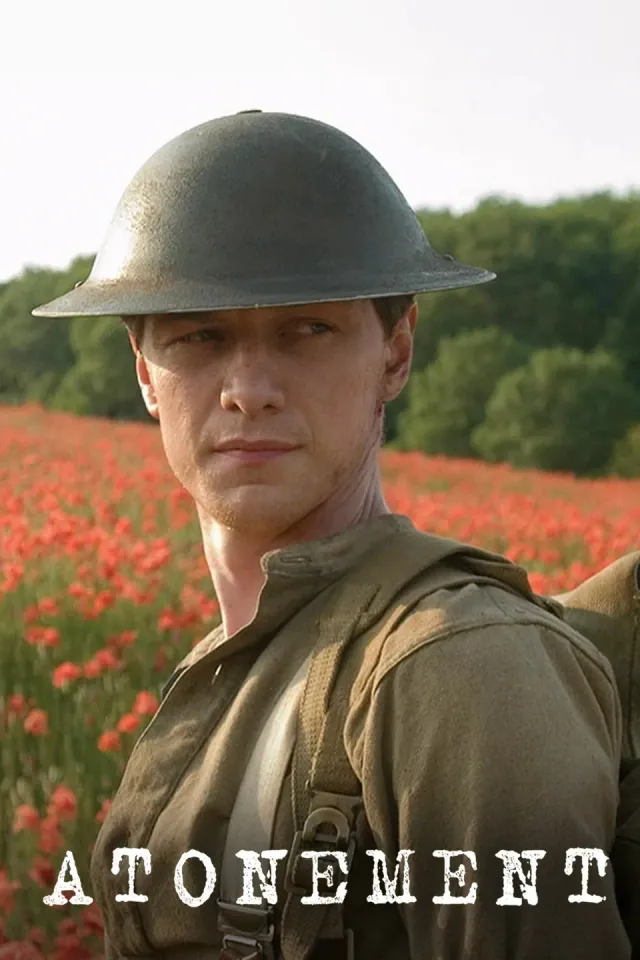
What changes Its own story: A false accusation produced by limited observation and class assumptions creates a separation that later writing can revisit but cannot simply undo.
A young girl in an affluent English household misreads encounters between her older sister and the housekeeper's son, then gives testimony that converts private imagination into devastating institutional consequences. The separated couple's attempt to retain a future unfolds against prison, military service and wartime nursing. Later acts of narration revisit what can be known and repaired, exposing a gap between the consolations a story offers and the irreversible lives on which it depends.
The group’s growth protects more refugees but makes food, mobility, and defense increasingly difficult.
Why this matches +
These films explore a related idea in a different setting, genre or style.
An adjacent discovery: a related idea with a different viewing experience.
Genres: War / Drama
Shared film traits
Based on recorded story, mood and style. Your preferences can change the order.
War and civilian life
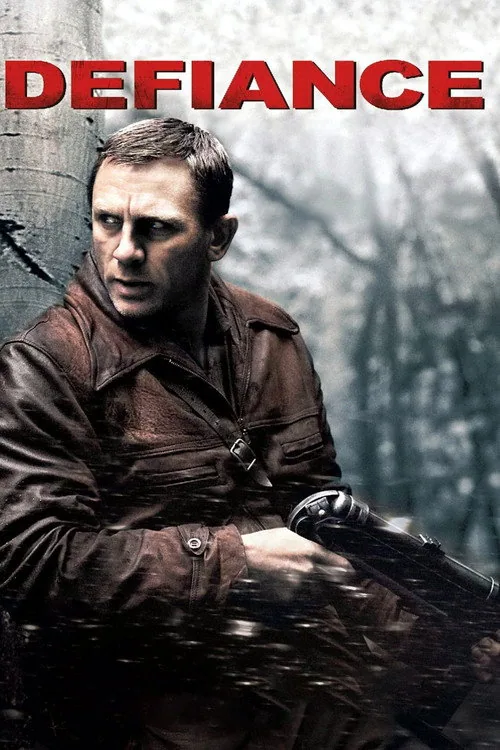
What changes Its own story: The group’s growth protects more refugees but makes food, mobility, and defense increasingly difficult.
After Nazi forces and local collaborators kill their parents, the Bielski brothers flee into the forests of occupied Belarus and gather Jewish survivors around them. Tuvia prioritizes shelter and preservation of life, while Zus favors more aggressive resistance; the camp’s survival tests their leadership as winter, scarce food, internal conflict, and a German offensive close in. The war drama follows a refuge becoming a community, with armed resistance always tied to the vulnerable people it is meant to protect.
The return to Afghanistan makes a past moral failure actionable, giving the protagonist a difficult chance to repair harm.
Why this matches +
These films explore a related idea in a different setting, genre or style.
An adjacent discovery: a related idea with a different viewing experience.
Genres: Drama
Shared film traits
Based on recorded story, mood and style. Your preferences can change the order.
War and civilian life
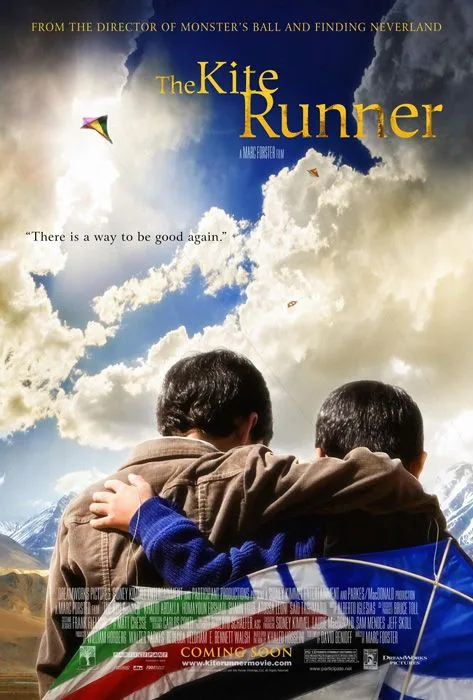
What changes Its own story: The return to Afghanistan makes a past moral failure actionable, giving the protagonist a difficult chance to repair harm.
A man living in the United States returns to Afghanistan after learning that a childhood friend’s son is in danger. The journey forces him to revisit a betrayal and the social upheaval that shaped their lives. The adaptation follows memory across decades and countries, linking personal guilt to family history, displacement and the consequences of choices made in childhood.
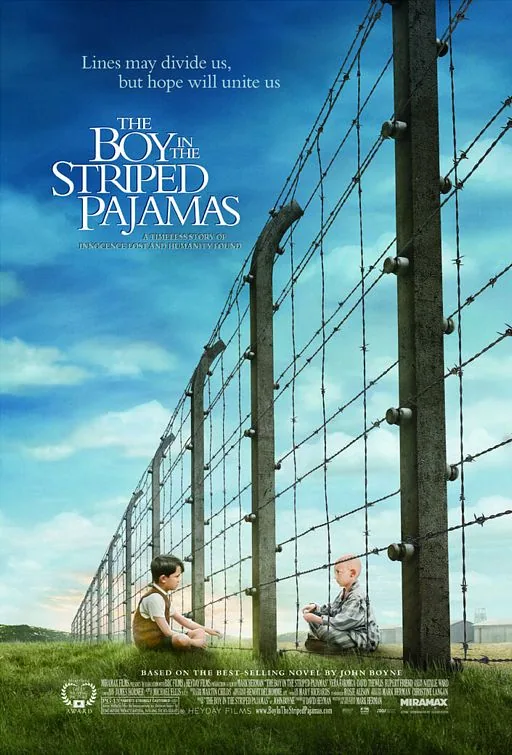
The boys' friendship is framed through Bruno's incomplete understanding, but the film's final search turns that limited point of view into an allegory of mass murder.
Why this matches +
These films explore a related idea in a different setting, genre or style.
An adjacent discovery: a related idea with a different viewing experience.
Genres: Drama
Shared film traits
Based on recorded story, mood and style. Your preferences can change the order.
War and civilian life
What changes Its own story: The boys' friendship is framed through Bruno's incomplete understanding, but the film's final search turns that limited point of view into an allegory of mass murder.
Eight-year-old Bruno moves with his family to the countryside when his father, an SS officer, takes command of a nearby concentration camp. Believing the prisoners’ uniforms mark a farm, Bruno explores the area and befriends Shmuel, a Jewish boy on the other side of the fence. Their conversations continue as Bruno’s sister absorbs Nazi ideology and his mother begins to understand what the camp is. When Shmuel’s father disappears, Bruno enters the camp in disguise to help search for him, with devastating consequences. The film presents this as a fable through a child’s limited understanding, but Holocaust educators have warned that its implausible premise can leave viewers with misleading ideas about camp life and the knowledge of ordinary Germans. It should not be used as a representative historical account.
Garrigan’s access to Amin gives him comfort and influence, but each accommodation makes it harder to recognize the scale of state violence or to leave safely.
Why this matches +
These films explore a related idea in a different setting, genre or style.
An adjacent discovery: a related idea with a different viewing experience.
Genres: Drama
Shared film traits
Based on recorded story, mood and style. Your preferences can change the order.
What changes Its own story: Garrigan’s access to Amin gives him comfort and influence, but each accommodation makes it harder to recognize the scale of state violence or to leave safely.
In the early 1970s, Scottish doctor Nicholas Garrigan travels to Uganda seeking work and adventure. After treating General Idi Amin, he is invited to become Amin’s personal physician and soon finds himself drawn into the ruler’s confidence and political circle. Garrigan accepts reassuring explanations for repression even as evidence of violence accumulates. His relationship with Amin shifts from fascination and privilege toward fear and complicity, and his attempt to leave becomes a desperate effort to survive. The film follows a fictional outsider within a real dictatorship, using Garrigan’s changing position to dramatize how proximity to power can obscure responsibility and danger.
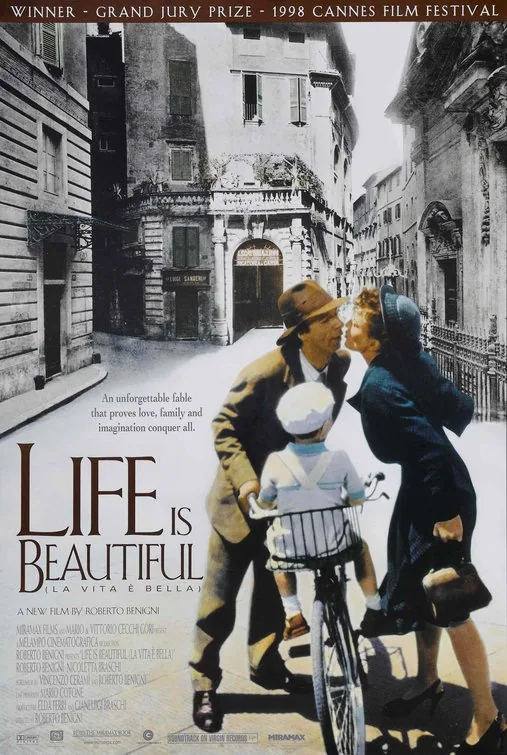
A romantic comic courtship gives way to a father's sustained attempt to translate coercive, lethal conditions into rules his child can emotionally survive.
Why this matches +
These films explore a related idea in a different setting, genre or style.
An adjacent discovery: a related idea with a different viewing experience.
Genres: Drama / Comedy
Shared film traits
Based on recorded story, mood and style. Your preferences can change the order.
War and civilian life
What changes Its own story: A romantic comic courtship gives way to a father's sustained attempt to translate coercive, lethal conditions into rules his child can emotionally survive.
A playful Italian waiter courts a schoolteacher by treating everyday obstacles as occasions for invention. Years later, persecution and deportation transform the meaning of his improvisations when he tries to shelter their young son from understanding the concentration camp around them. His invented game becomes an act of parental care under conditions it cannot control, holding a child's limited perspective beside the audience's knowledge of the danger.
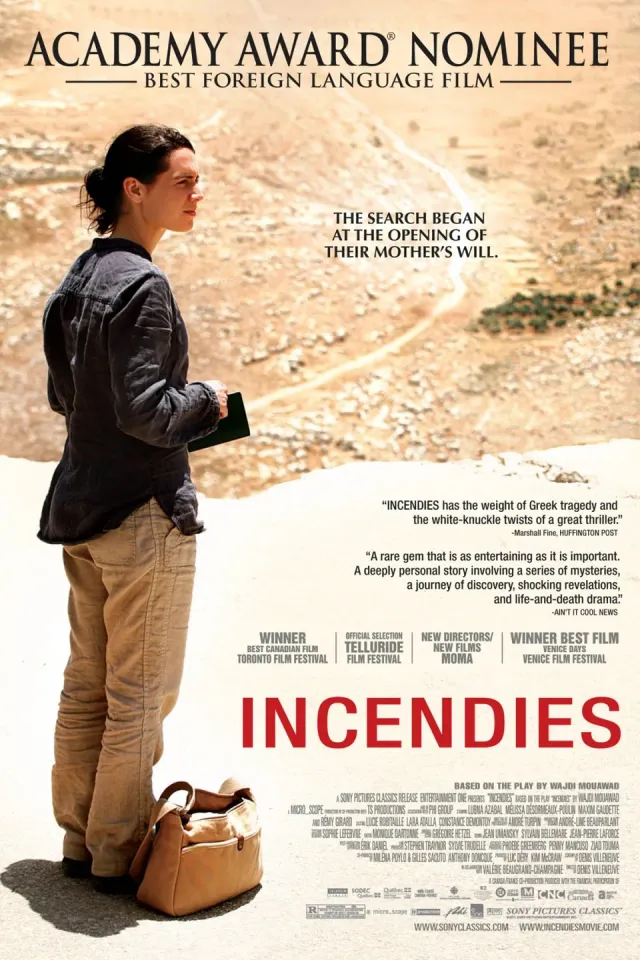
Twins follow their mother's final instructions into a past marked by war and concealed family history.
Why this matches +
These films explore a related idea in a different setting, genre or style.
An adjacent discovery: a related idea with a different viewing experience.
Genres: Drama / Mystery
Shared film traits
Based on recorded story, mood and style. Your preferences can change the order.
War and civilian life
What changes Its own story: Twins follow their mother's final instructions into a past marked by war and concealed family history.
After their mother's death, twins Jeanne and Simon receive instructions from her will to find a father they thought was dead and a brother they never knew existed. Jeanne follows the clues to their mother's past in a country scarred by civil war, while the film gradually reconstructs the choices and violence that shaped the family. Denis Villeneuve's drama interweaves a present-day investigation with wartime history, making memory and inheritance difficult to separate.
As the Ottoman Empire enters World War I, Armenian medical student Mikael Boghosian, Armenian-born artist Ana, and American journalist Chris Myers become caught in a love triangle shaped by escalating political violence. Mikael’s medical ambitions and personal loyalties are tested as the characters confront displacement and the Armenian genocide. The historical drama filters a broad catastrophe through relationships and individual choices, combining a romantic story with the danger faced by civilians and journalists.
What drives the story
Mikael’s personal plans collide with a rapidly worsening political crisis that makes safety and loyalty difficult to separate.
The people at its centre
Ana and Chris share a bond before Mikael enters their lives, so affection and responsibility remain in tension as danger grows.
What it feels like
The film blends romantic melodrama with large-scale historical events and a sustained sense of civilian peril.
Worth knowing
It is a historical romance framed by the Armenian genocide, not a detached military campaign film or a neutral substitute for historical scholarship.
LoveWarDisplacement
Mood
Romantic · Grave · Humanistic
Pacing
Personal relationships under escalating pressure
Visual style
Period spectacle · War-torn settings
Storytelling
Love triangle · Historical conflict · Escape and rescue