Based on recorded story, mood and style. Your preferences can change the order.
War and civilian life
What changes The Book Thief: episodic domestic drama and wartime escalation. Monuments Men: steady and escalating.
During the Second World War, museum directors, curators and historians form an Allied unit to locate art stolen by the Nazis and return it to its owners. Frank Stokes must persuade military leaders that protecting cultural objects is worth diverting resources, while James Granger gradually earns the help of French curator Claire Simone, who fears the Americans may seize the collection for themselves. The team finds caches in mines and castles as the war nears its end, competing with Soviet forces and German orders to destroy art. Their mission becomes a race to preserve objects and trace rightful ownership.
Based on recorded story, mood and style. Your preferences can change the order.
War and civilian life
What changes The Book Thief: episodic domestic drama and wartime escalation. The Boy in the Striped Pajamas: fable-like progression and inevitable tragedy.
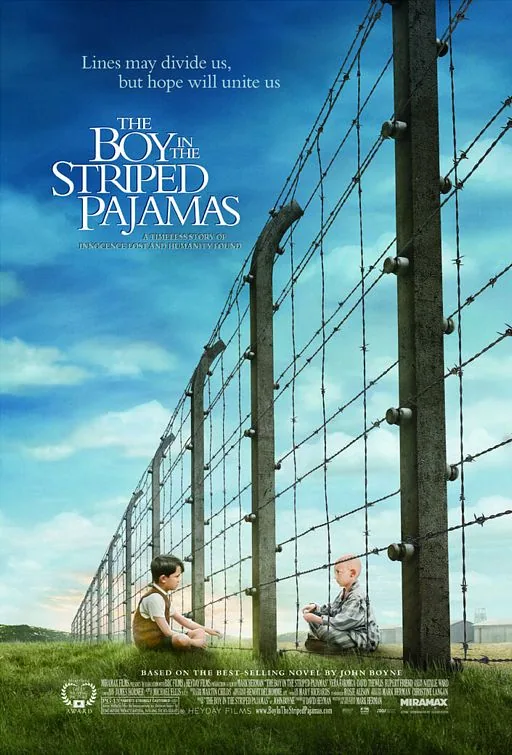
Eight-year-old Bruno moves with his family to the countryside when his father, an SS officer, takes command of a nearby concentration camp. Believing the prisoners’ uniforms mark a farm, Bruno explores the area and befriends Shmuel, a Jewish boy on the other side of the fence. Their conversations continue as Bruno’s sister absorbs Nazi ideology and his mother begins to understand what the camp is. When Shmuel’s father disappears, Bruno enters the camp in disguise to help search for him, with devastating consequences. The film presents this as a fable through a child’s limited understanding, but Holocaust educators have warned that its implausible premise can leave viewers with misleading ideas about camp life and the knowledge of ordinary Germans. It should not be used as a representative historical account.
Based on recorded story, mood and style. Your preferences can change the order.
War and civilian life
What changes The Book Thief: episodic domestic drama and wartime escalation. A Very Long Engagement: interwoven and searching.
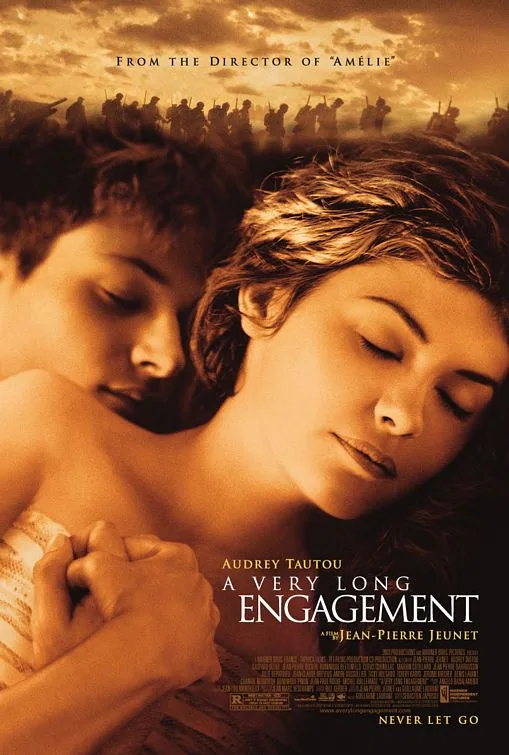
After the First World War, Mathilde refuses to believe that her fiancé has died and follows scattered accounts of what happened to him and four other soldiers. Her investigation moves among witnesses whose memories and motives differ, while flashbacks reveal the brutal conditions of the trenches. The film joins a persistent search to a lyrical period portrait of love, injury and the ways war leaves families waiting for answers.
Both centre on civilian protection and coming-of-age friendship.
Why this matches +
Genres: Drama / Comedy
Shared film traits
Based on recorded story, mood and style. Your preferences can change the order.
Coming of age · War and civilian life
What changes The Book Thief: episodic domestic drama and wartime escalation. Jojo Rabbit: steady.
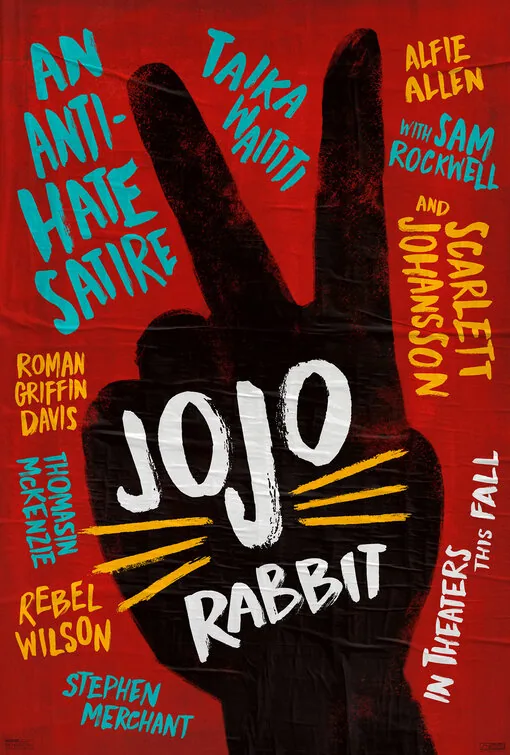
A boy in wartime Germany measures himself against the Nazi ideals supplied by his youth group and an imaginary version of Hitler. Discovering that his mother is hiding a Jewish teenager makes those beliefs difficult to reconcile with an actual person living nearby. Their uneasy conversations unfold as the war approaches home, turning a childish search for acceptance into a painful confrontation with propaganda, courage and loss.
Based on recorded story, mood and style. Your preferences can change the order.
War and civilian life
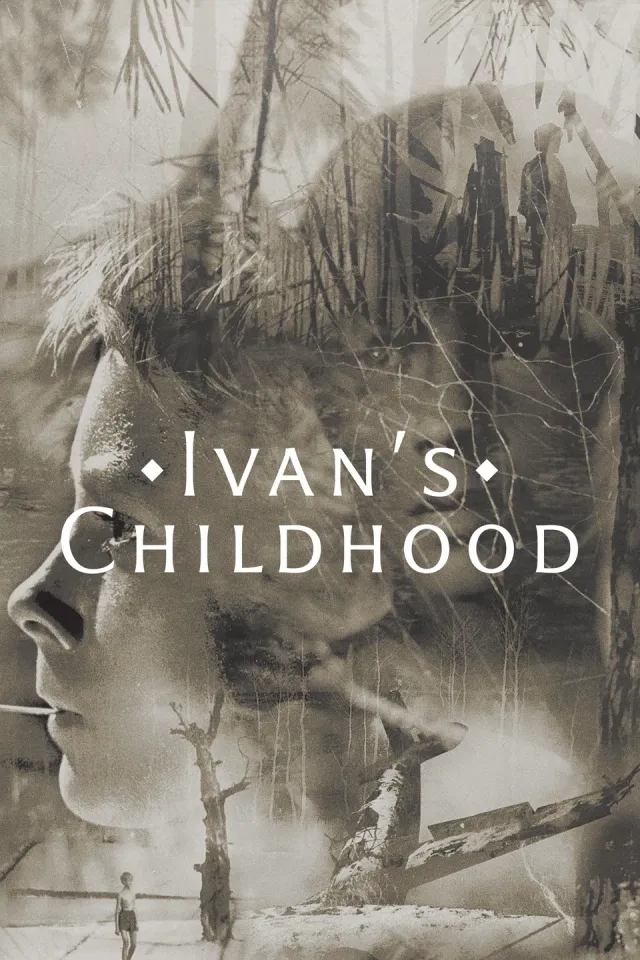
What changes The Book Thief: episodic domestic drama and wartime escalation. Ivan's Childhood: nonlinear and measured.
A boy whose family has been destroyed by war crosses dangerous territory to report intelligence to Soviet soldiers. Officers attempt to redirect him toward safety, but revenge and the disappearance of ordinary childhood make another life difficult for him to imagine. Dreams interrupt the military present with tactile images of affection and freedom. The film places a child's usefulness to war beside what that usefulness cannot restore, refusing to let competence in danger stand as proof that his damaged world has become acceptable.
Based on recorded story, mood and style. Your preferences can change the order.
Coming of age · War and civilian life
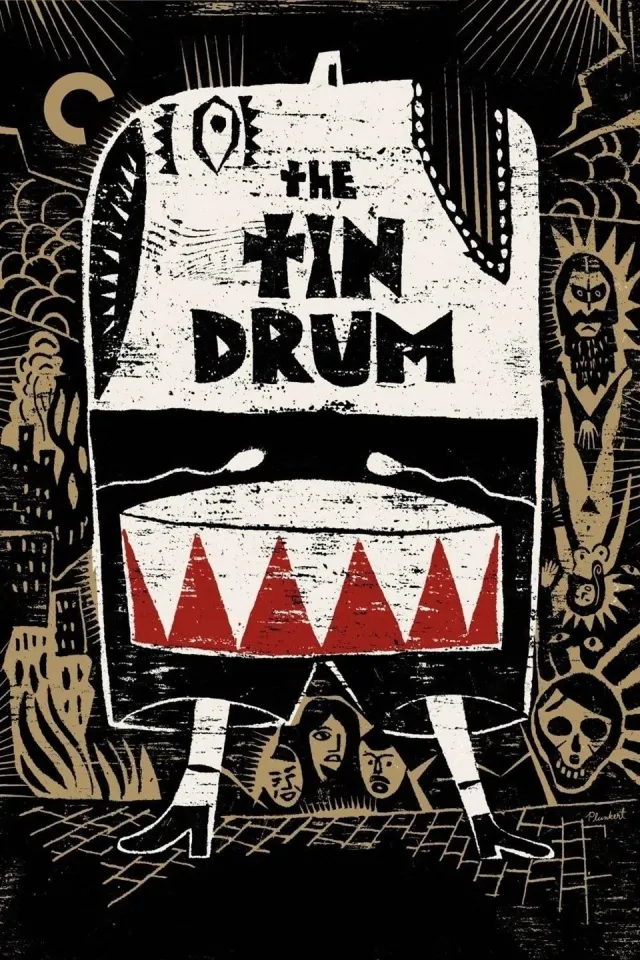
What changes The Book Thief: episodic domestic drama and wartime escalation. The Tin Drum: episodic and surreal.
Oskar Matzerath narrates from an institution in postwar Germany, looking back on his childhood in the Free City of Danzig. On his third birthday he receives a tin drum and decides that he will not grow up in the world of adults; after a fall, his body stops developing while his voice can shatter glass. Oskar watches his family and neighbours navigate shifting loyalties as Nazism rises and war changes the city. He sometimes hides behind the appearance of a child, sometimes uses the drum to disrupt public spectacle, and often remains an unreliable observer of events in which he is implicated. The story follows his refusal through the collapse of the old order and its aftermath.
Both share themes of grief, plus a tender atmosphere.
Why this matches +
Genres: Drama
Shared film traits
Based on recorded story, mood and style. Your preferences can change the order.
What changes The Book Thief: episodic domestic drama and wartime escalation. Extremely Loud and Incredibly Close: measured.
After his father dies in the September 11 attacks, a boy discovers a key among his belongings and interprets it as the beginning of another shared puzzle. Searching New York for the person whose name appears on its envelope gives grief a practical itinerary and introduces strangers whose losses exceed his initial question. The search also keeps him apart from his mother, making the possibility of an answer compete with recognizing care that does not arrive in his father's familiar form. Oskar’s search gives grief a task, but neither the key nor its answer can restore his father.
Based on recorded story, mood and style. Your preferences can change the order.
War and civilian life
What changes The Book Thief: episodic domestic drama and wartime escalation. Captain Corelli's Mandolin: measured and melodramatic build.
On the Greek island of Cephalonia during the Second World War, a local woman and an Italian officer form a bond while occupying forces and shifting allegiances alter the lives around them. Their romance unfolds against military pressure, resistance and the eventual devastation of wartime events. The film balances intimate choices with a broad historical canvas, asking how affection survives when political loyalties become dangerous.
Based on recorded story, mood and style. Your preferences can change the order.
War and civilian life
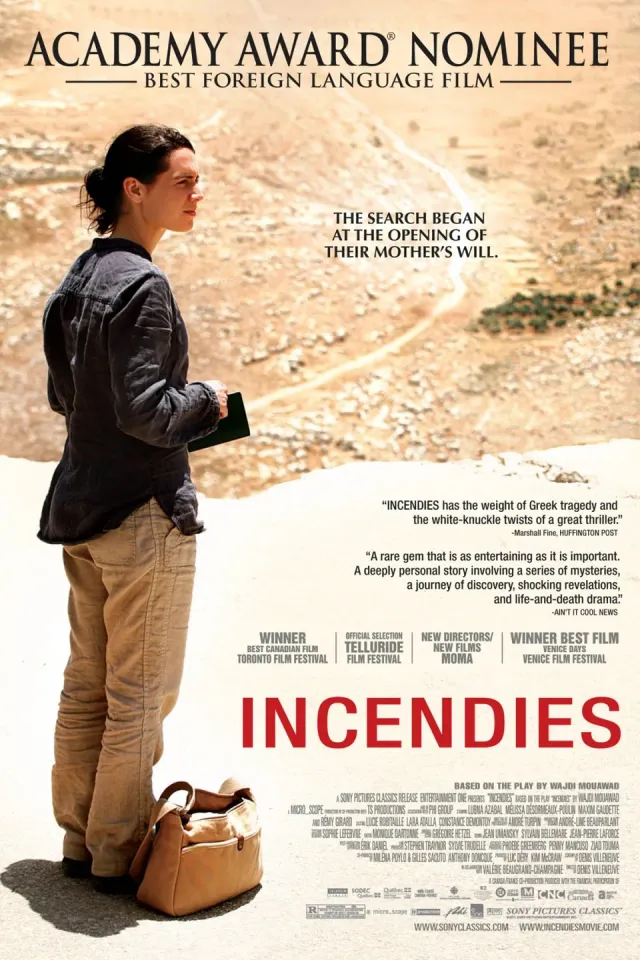
What changes The Book Thief: episodic domestic drama and wartime escalation. Incendies: interwoven and gradually revealing.
After their mother's death, twins Jeanne and Simon receive instructions from her will to find a father they thought was dead and a brother they never knew existed. Jeanne follows the clues to their mother's past in a country scarred by civil war, while the film gradually reconstructs the choices and violence that shaped the family. Denis Villeneuve's drama interweaves a present-day investigation with wartime history, making memory and inheritance difficult to separate.
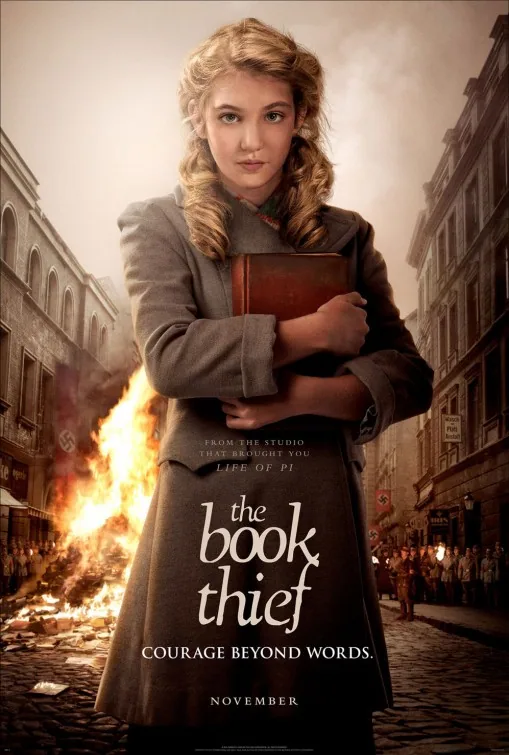
In Nazi Germany, young Liesel Meminger is sent to live with foster parents Hans and Rosa Hubermann. Hans teaches her to read after she takes a book at her brother's funeral, and she shares her new love of words with her friend Rudy. The Hubermanns later hide Max, a Jewish man whose family once helped Hans. As Liesel and Max build a friendship through stories, the danger of discovery shapes daily life in their home. The film is narrated by Death and follows the family through wartime loss toward a reunion after the war.
What drives the story
Reading becomes Liesel's way to make sense of a political world that intrudes into her home; hiding Max makes language and silence matters of safety.
The people at its centre
Hans offers patient care, Rosa's bluntness conceals attachment, and Liesel's friendship with Rudy grows alongside her bond with Max.
What it feels like
A lyrical narration by Death and intimate domestic scenes set a child-centered counterpoint to public persecution and the bombing of a German town.
Worth knowing
Choose it for a sentimental, child-centered wartime drama about books and shelter; it fictionalizes the Holocaust and should not stand in for historical testimony or broader survivor experience.
GriefLiteracyKindness
Mood
Tender · Somber · Hopeful
Pacing
Episodic domestic drama · Wartime escalation
Visual style
Period drama · Child-centered narration · Restrained staging