An accidental childhood displacement is followed years later by a map-based search whose evidence comes from incomplete spatial and sensory memory.
Why this matches +
These offer a related experience with a meaningful difference in story, tone, or presentation.
An adjacent discovery: a related idea with a different viewing experience.
Genres: Drama / Biography
Shared film traits
Based on recorded story, mood and style. Your preferences can change the order.
Investigation
What changes Lion follows a child separated from his family and a later search for belonging; its long journey concerns separation rather than bereavement after an attack.
A small boy becomes separated from his brother and travels so far by train that the words he knows cannot guide him home. After danger and institutional care, adoption gives him a secure life in Australia, but remembered sensations later reopen the absence of the family who never learned where he went. Digital maps provide a means of searching without making memory precise. The biographical drama holds two forms of belonging together, making reunion an expansion of attachment rather than proof that one family was only a substitute.
The film’s central action is Conrad’s attempt to live with grief, while the family’s outward order repeatedly blocks honest mourning.
Why this matches +
These offer a related experience with a meaningful difference in story, tone, or presentation.
An adjacent discovery: a related idea with a different viewing experience.
Genres: Drama
Shared film traits
Based on recorded story, mood and style. Your preferences can change the order.
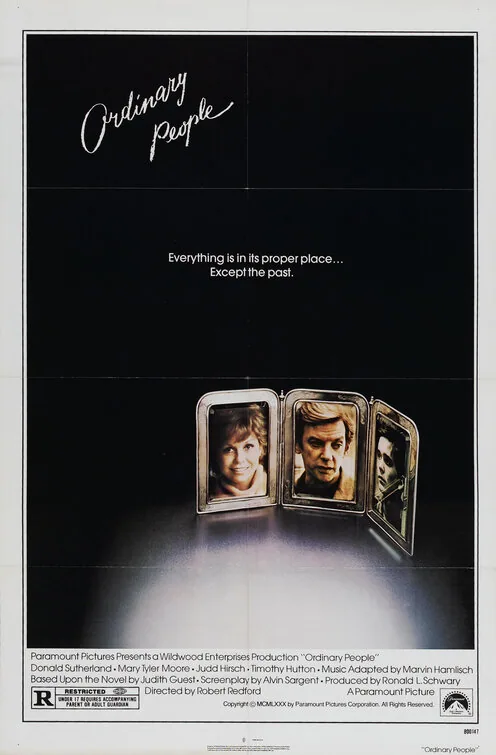
What changes Ordinary People examines how grief and strained communication divide a family, focusing on a teenage survivor and his parents rather than a younger child's search.
After the accidental drowning death of their eldest son Buck, the affluent Jarrett family tries to resume ordinary routines. Younger son Conrad returns home after a suicide attempt and psychiatric hospitalization, struggling with guilt and the belief that he should have died instead. Therapy with Dr. Berger helps him name grief and anger, while his father Calvin tries to reconnect with both sons’ absence. His mother Beth maintains control through social appearances and finds Conrad’s vulnerability intolerable. Their conflict forces Calvin to recognize that family recovery may not mean preserving the household intact.
A child's attempt to recover a connection with his father opens an investigation into another person's interrupted vocation and the possibility of restoring recognition.
Why this matches +
These offer a related experience with a meaningful difference in story, tone, or presentation.
An adjacent discovery: a related idea with a different viewing experience.
Genres: Drama / Adventure
Shared film traits
Based on recorded story, mood and style. Your preferences can change the order.
Investigation
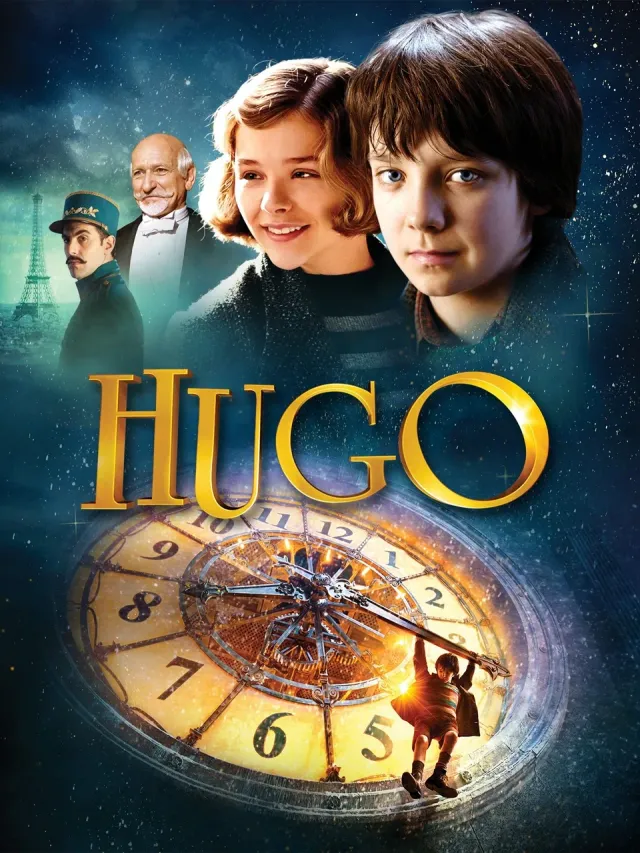
What changes Hugo follows a grieving boy through a city mystery tied to his late father, using a magical historical adventure rather than a contemporary 9/11 family drama.
An orphan secretly maintaining the clocks in a Paris railway station tries to repair a mechanical figure he had worked on with his father. Theft of necessary parts brings him into conflict with a shopkeeper whose apparent bitterness conceals a lost creative life. Friendship with a curious girl turns the mechanism into a route through cinematic history, while staying hidden from official supervision remains a practical condition of preserving the fragile home he has made for himself.
An imaginative friendship creates a shared refuge that gradually changes how a withdrawn child responds to other people and real loss.
Why this matches +
These offer a related experience with a meaningful difference in story, tone, or presentation.
An adjacent discovery: a related idea with a different viewing experience.
Genres: Drama / Adventure
Shared film traits
Based on recorded story, mood and style. Your preferences can change the order.
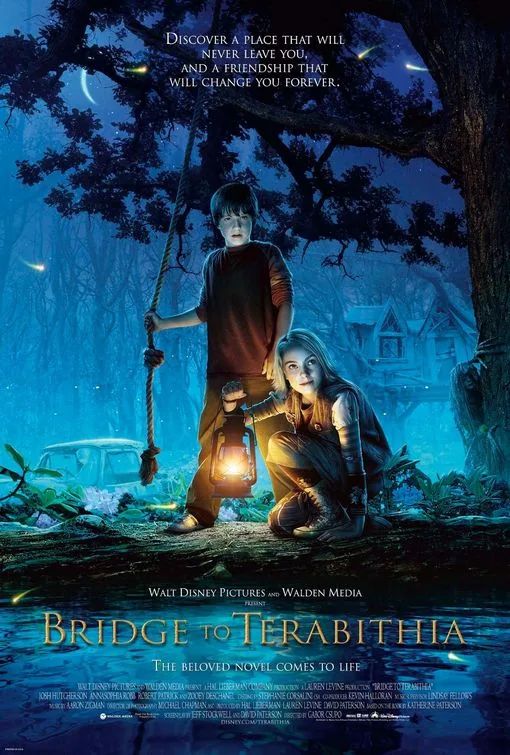
What changes Bridge to Terabithia follows a young person's grief and effort to make sense of loss, with an imagined world rather than a citywide search for a key.
A solitary boy frustrated by family pressures and school humiliation befriends a new girl whose imagination changes how he sees their surroundings. Together they create a private fantasy kingdom that gives ordinary difficulties an alternate form and makes trust feel possible. Their friendship's consequences eventually require him to bring imaginative courage back into a world where care, grief and responsibility cannot remain protected by invented rules.
Becca and Howie’s differing coping strategies make grief a shared experience without a shared timetable.
Why this matches +
These offer a related experience with a meaningful difference in story, tone, or presentation.
An adjacent discovery: a related idea with a different viewing experience.
Genres: Drama
Shared film traits
Based on recorded story, mood and style. Your preferences can change the order.
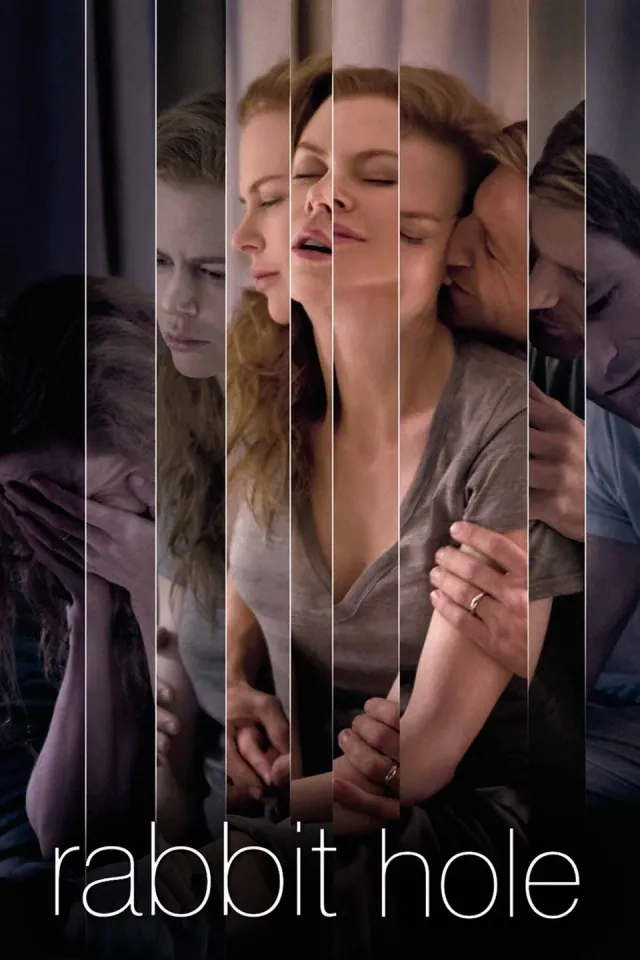
What changes Rabbit Hole portrays parents struggling to connect after a child's death, approaching bereavement from the adults' perspective rather than a son's.
Becca and Howie are grieving the death of their young son, but their responses to the loss pull them in different directions. Becca wants to clear reminders and avoid another pregnancy, while Howie preserves familiar routines and looks for ways to reconnect with his child. John Cameron Mitchell adapts David Lindsay-Abaire’s play as an intimate domestic drama about grief, marriage and the uncertain paths people take toward living with an absence.
After his father dies in the September 11 attacks, a boy discovers a key among his belongings and interprets it as the beginning of another shared puzzle. Searching New York for the person whose name appears on its envelope gives grief a practical itinerary and introduces strangers whose losses exceed his initial question. The search also keeps him apart from his mother, making the possibility of an answer compete with recognizing care that does not arrive in his father's familiar form. Oskar’s search gives grief a task, but neither the key nor its answer can restore his father.
What drives the story
An object becomes the basis for a citywide search that promises continued contact with a dead parent, while repeated encounters complicate the belief that one solved clue can explain the loss. A found key becomes a citywide itinerary that promises connection while delaying recognition of surviving care.
The people at its centre
Oskar's partnership with a silent older man offers companionship outside ordinary speech, while his mother's less visible attention challenges his assumption that he is grieving alone. His mother’s quiet efforts are easy for him to miss, while the older renter’s silence offers a different kind of companionship.
What it feels like
Subjective sound, photographed encounters and emotionally emphatic recollection make an urban quest register through a child's sensitivities rather than a detached mystery procedure. Subjective sounds, photographs and crowded city encounters render New York through a child’s anxieties and curiosity.
Worth knowing
Match on grief organized into a search and eventual recognition of surviving care, without imposing a diagnosis or suggesting that solving a keepsake's history resolves traumatic bereavement. The film suggests sensory difference without naming a diagnosis; do not turn grief behavior into clinical certainty.
GriefFamilyTrust
Mood
Emotional · Anxious · Tender
Pacing
Measured
Visual style
Subjective · Photographic · Sound driven
Storytelling
Keepsake search · Citywide grief encounters · Surviving care recognized