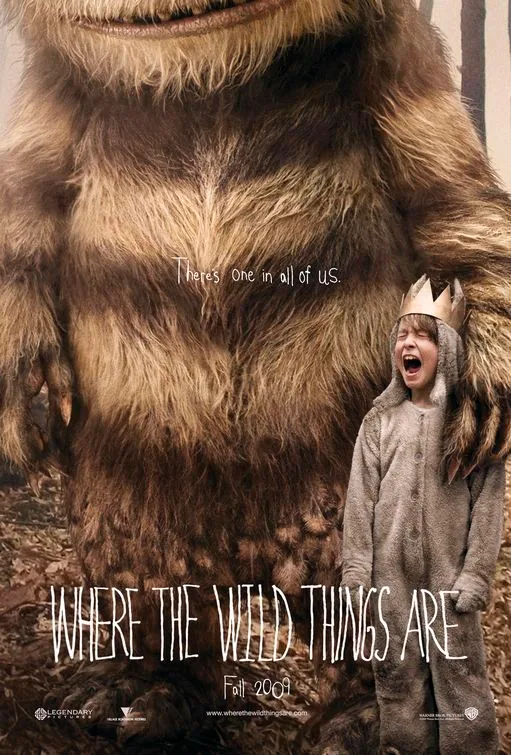
The film's engine follows the island works as an emotional landscape for Max’s feelings; this keeps the stakes tied to observable choices.
Why this matches +
Selected for the central appeal: Family stories about childhood friendship, imagination and coping with loss.
Genres: Adventure / Drama
Shared film traits
Based on recorded story, mood and style. Your preferences can change the order.
Coming of age
What changes Where the Wild Things Are follows a child into an imagined world that helps him process difficult feelings.
After a difficult evening at home, a lonely boy named Max sails to an island inhabited by enormous creatures who make him their king. The Wild Things’ shifting loyalties and strong feelings mirror conflicts Max cannot manage in his family. The film transforms a picture-book premise into a quiet fantasy about anger, loneliness and returning to people who care.
A writer’s contact with a bereaved household develops into a play whose first performance for the family offers companionship rather than only a career breakthrough. The play’s domestic performance matters because it brings imagination to the family rather than only to an audience.
Why this matches +
Selected for the central appeal: Family stories about childhood friendship, imagination and coping with loss.
Genres: Drama / Biography
Shared film traits
Based on recorded story, mood and style. Your preferences can change the order.
What changes Finding Neverland follows children and an adult using shared imagination to navigate illness and grief.
After a disappointing play, J. M. Barrie forms a friendship with Sylvia Llewelyn Davies and her sons, finding in shared imaginative games a way to engage with childhood and grief. The bond inspires Peter Pan but also exposes tensions with his wife and with the family’s different needs. As Sylvia’s illness narrows the future, a performance brought into the home becomes an act of accompaniment rather than simply a triumph for the playwright. The film compresses and sentimentalizes biographical material, so its emotional account of inspiration should not be mistaken for a complete record of the real family or Barrie’s obligations to them.
Daily needs and modest hopes shape a family's life while children discover possibilities beyond its immediate limits.
Why this matches +
These offer a related experience with a meaningful difference in story, tone, or presentation.
An adjacent discovery: a related idea with a different viewing experience.
Genres: Drama
Shared film traits
Based on recorded story, mood and style. Your preferences can change the order.
Coming of age
What changes Pather Panchali follows childhood friendship, family pressures and a painful encounter with loss.
A boy grows up in a poor rural Bengali household with an older sister whose curiosity guides his encounters with the wider world. Their mother's daily effort to keep the family together contrasts with their father's hopes for work and advancement. Small discoveries, family tensions and material insecurity unfold through changing seasons, allowing wonder and loss to emerge from the same ordinary surroundings.
A boy raises a creature discovered near his home, trying to protect it as it grows beyond what he can safely conceal.
Why this matches +
These offer a related experience with a meaningful difference in story, tone, or presentation.
An adjacent discovery: a related idea with a different viewing experience.
Genres: Family / Fantasy
Shared film traits
Based on recorded story, mood and style. Your preferences can change the order.
Coming of age
What changes The Water Horse follows a lonely child's imaginative friendship with a creature amid family hardship.
During the Second World War, a lonely Scottish boy discovers a mysterious egg by a loch and secretly raises the unusual creature that hatches from it. Their bond grows as the animal becomes too large to hide, while military activity and adult suspicion threaten the secret. The family fantasy frames a legendary creature as a companion and asks how care can include letting go when a private friendship grows beyond its original home.
The film's engine follows Will’s organized independence is challenged by a bond he did not plan; this keeps the stakes tied to observable choices.
Why this matches +
These offer a related experience with a meaningful difference in story, tone, or presentation.
An adjacent discovery: a related idea with a different viewing experience.
Genres: Comedy / Drama
Shared film traits
Based on recorded story, mood and style. Your preferences can change the order.
Coming of age
What changes About a Boy follows an isolated child whose unlikely friendship offers support through family difficulties.
Will Freeman has arranged a comfortable life around avoiding obligations, until an invented family connection brings him into contact with isolated schoolboy Marcus. Their reluctant friendship draws Will into the boy’s family difficulties and forces both to reconsider their habits. The comedy balances dry observation with a gradual movement from self-protection toward care and responsibility.
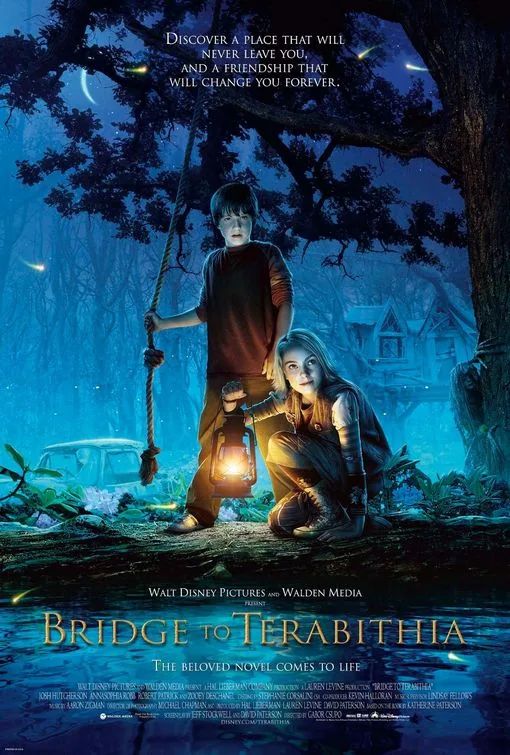
A solitary boy frustrated by family pressures and school humiliation befriends a new girl whose imagination changes how he sees their surroundings. Together they create a private fantasy kingdom that gives ordinary difficulties an alternate form and makes trust feel possible. Their friendship's consequences eventually require him to bring imaginative courage back into a world where care, grief and responsibility cannot remain protected by invented rules.
What drives the story
An imaginative friendship creates a shared refuge that gradually changes how a withdrawn child responds to other people and real loss.
The people at its centre
Two isolated classmates encourage one another while family and school relationships reveal needs neither can solve through fantasy alone.
What it feels like
Playful visual invention and intimate everyday scenes make the story initially buoyant before a severe emotional turn.
Worth knowing
Its fantasy imagery should not imply a light effects-led adventure throughout; bereavement and the effort to live with it become central.