Based on recorded story, mood and style. Your preferences can change the order.
War and civilian life
What changes The Tin Drum: episodic and surreal. The Zone of Interest: observational and slow-burn.
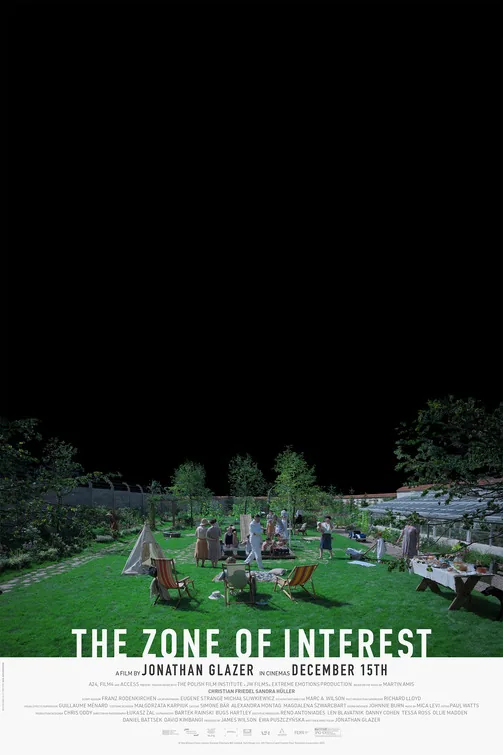
Rudolf Höss, commandant of Auschwitz, and his wife Hedwig try to build a comfortable family life in a home and garden directly beside the camp. Their children play, visitors arrive and domestic routines continue, while the noises and smoke from the camp remain present beyond the wall. Rudolf’s work and Hedwig’s attachment to the household shape the family’s decisions, including arguments over status and relocation. The film does not follow prisoners through the camp as a conventional war story; it makes the surrounding domestic normality the frame through which the machinery of genocide is apprehended. Its starkest contrast is between the household’s attention to garden and status and the camp’s audible presence beyond their wall.
Based on recorded story, mood and style. Your preferences can change the order.
War and civilian life
What changes The Tin Drum: episodic and surreal. The Pianist: measured.
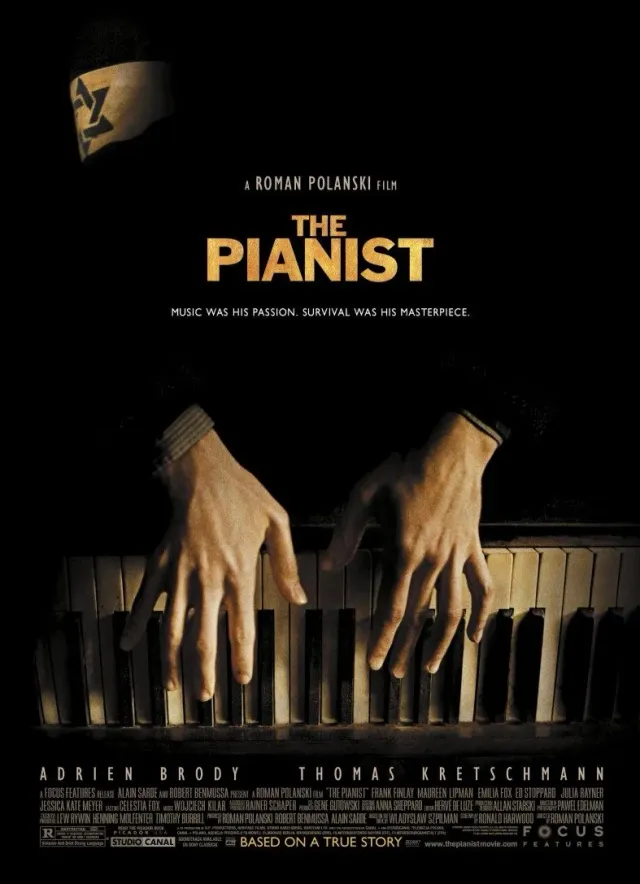
Polish Jewish musician Władysław Szpilman watches the Nazi occupation of Warsaw progressively strip his family of livelihood, movement and safety. Separated from them during deportation, he survives through forced labour, help from acquaintances and prolonged hiding in a city being destroyed around him. Music remains part of his identity, but endurance depends on contingent aid and temporary shelter rather than the protection professional distinction might once have promised.
Based on recorded story, mood and style. Your preferences can change the order.
War and civilian life
What changes The Tin Drum: episodic and surreal. All Quiet on the Western Front: intense.
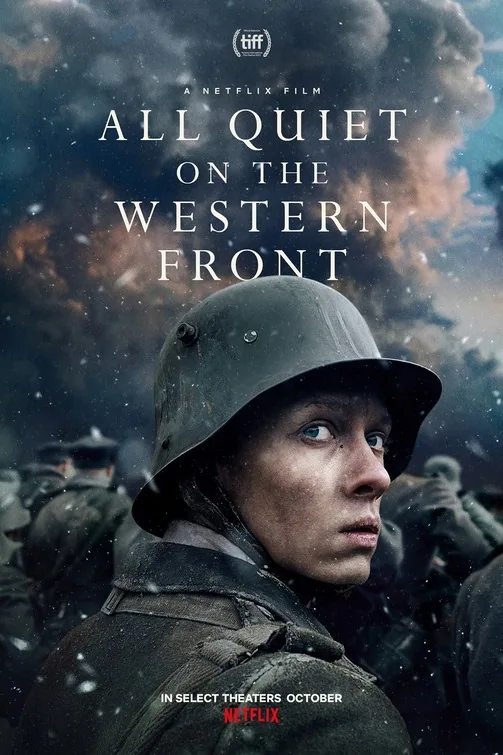
A German teenager enlists with friends near the end of the First World War and discovers a front defined by mud, deprivation, and abrupt industrial violence. His changing group struggles to obtain brief moments of food and companionship while officials negotiate an end to the fighting. The distance between strategic decisions and expendable lives becomes increasingly stark as the possibility of peace fails to make the remaining hours safe.
Based on recorded story, mood and style. Your preferences can change the order.
War and civilian life · Coming of age
What changes The Tin Drum: episodic and surreal. Jojo Rabbit: steady.
A boy in wartime Germany measures himself against the Nazi ideals supplied by his youth group and an imaginary version of Hitler. Discovering that his mother is hiding a Jewish teenager makes those beliefs difficult to reconcile with an actual person living nearby. Their uneasy conversations unfold as the war approaches home, turning a childish search for acceptance into a painful confrontation with propaganda, courage and loss.
Based on recorded story, mood and style. Your preferences can change the order.
War and civilian life
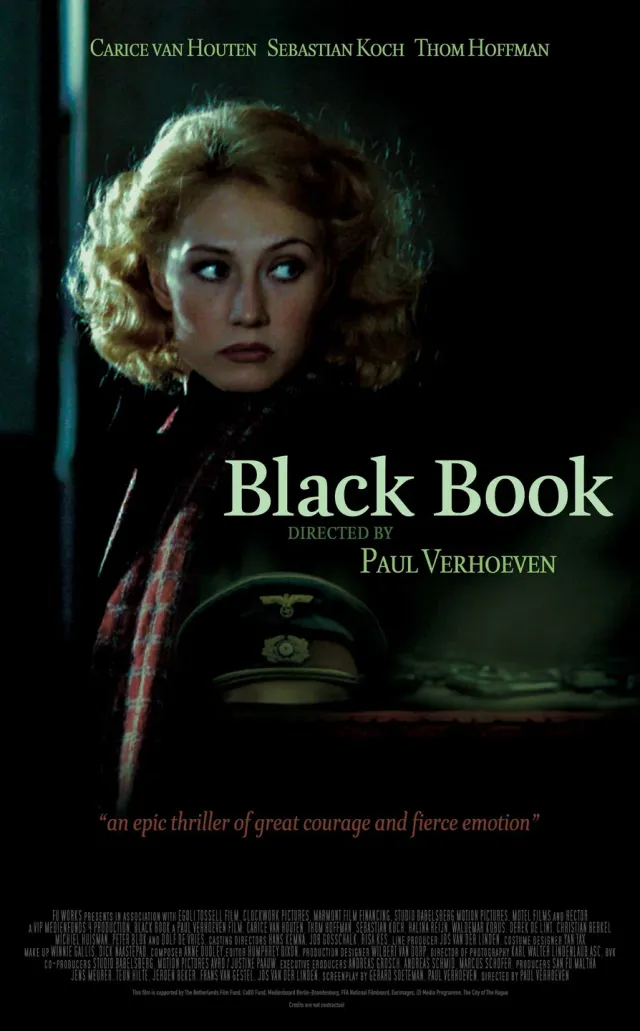
What changes The Tin Drum: episodic and surreal. Black Book: fast.
Rachel Stein, a Jewish singer hiding in occupied Netherlands, survives a betrayal and joins the Dutch resistance under a concealed identity. Her infiltration of a German officer's circle gives the resistance access, but intimacy complicates the role and does not suspend occupation's violence. When operations fail and the Netherlands is liberated, Rachel encounters new accusations and institutional loyalties that make safety no more automatic than it was under German rule. Paul Verhoeven's fast-moving thriller challenges simple moral categories without making persecutor and victim equivalent or treating betrayal as evidence that resistance itself was meaningless.
Based on recorded story, mood and style. Your preferences can change the order.
War and civilian life · Coming of age
What changes The Tin Drum: episodic and surreal. The Book Thief: episodic domestic drama and wartime escalation.
In Nazi Germany, young Liesel Meminger is sent to live with foster parents Hans and Rosa Hubermann. Hans teaches her to read after she takes a book at her brother's funeral, and she shares her new love of words with her friend Rudy. The Hubermanns later hide Max, a Jewish man whose family once helped Hans. As Liesel and Max build a friendship through stories, the danger of discovery shapes daily life in their home. The film is narrated by Death and follows the family through wartime loss toward a reunion after the war.
Based on recorded story, mood and style. Your preferences can change the order.
War and civilian life
What changes The Tin Drum: episodic and surreal. The Promise: personal relationships under escalating pressure.
As the Ottoman Empire enters World War I, Armenian medical student Mikael Boghosian, Armenian-born artist Ana, and American journalist Chris Myers become caught in a love triangle shaped by escalating political violence. Mikael’s medical ambitions and personal loyalties are tested as the characters confront displacement and the Armenian genocide. The historical drama filters a broad catastrophe through relationships and individual choices, combining a romantic story with the danger faced by civilians and journalists.
Based on recorded story, mood and style. Your preferences can change the order.
War and civilian life · Coming of age
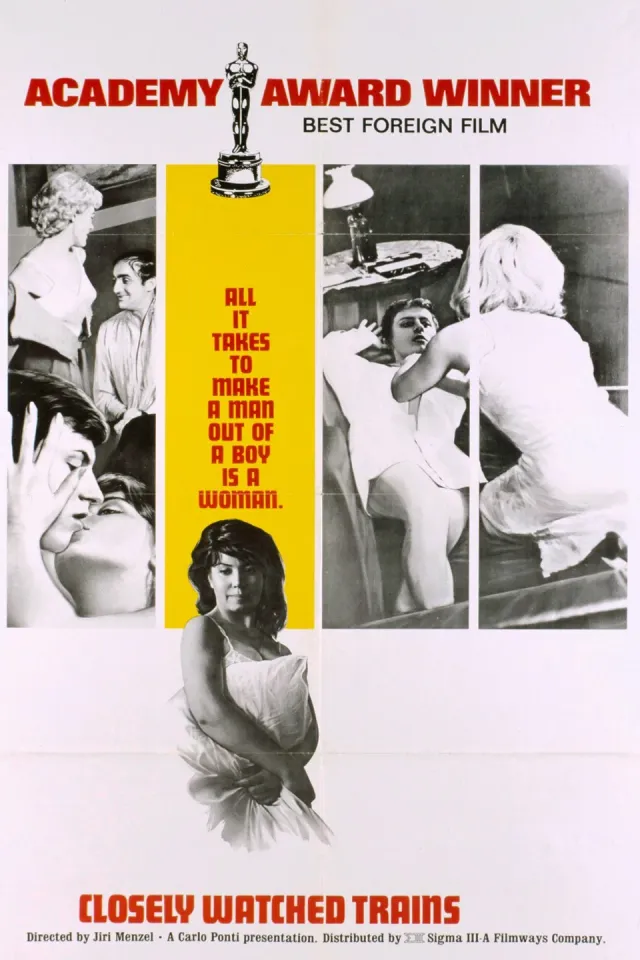
What changes The Tin Drum: episodic and surreal. Closely Watched Trains: measured.
Near the end of Nazi-occupied Czechoslovakia, apprentice station guard Miloš is more consumed by sexual embarrassment than by the war around him. The staff's workplace comedy and sexual bravado make the railway station feel provincial and ordinary, yet its trains carry military cargo and a resistance plan draws Miloš into danger. His final act is not a prize for successful sexual initiation: the film lets courage emerge through an awkward person whose private shame and political world never become the same problem. Miloš's sexual anxieties share screen time with a station's seemingly routine wartime duties.
Based on recorded story, mood and style. Your preferences can change the order.
War and civilian life
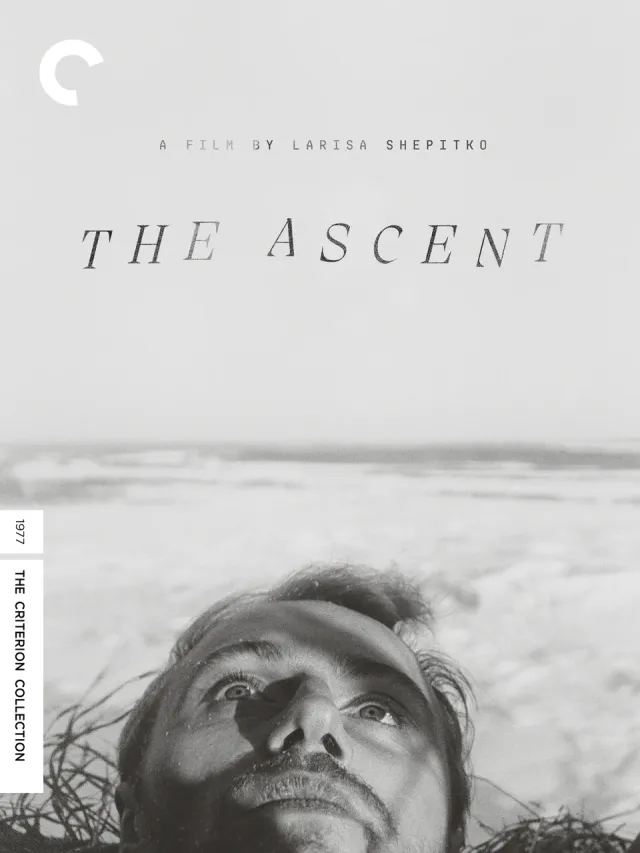
What changes The Tin Drum: episodic and surreal. The Ascent: deliberate, intensifying and tragic.
During the Second World War, Soviet partisans Sotnikov and Rybak leave their unit to find food for their comrades. A German patrol wounds Sotnikov, and the men seek shelter in a village home before they are discovered and captured with its owner, Demchikha. Under interrogation by a local collaborator, Sotnikov refuses to betray others and endures torture. Rybak faces a different test as fear and the promise of survival press him toward a decision that will define his moral relationship to his companion.
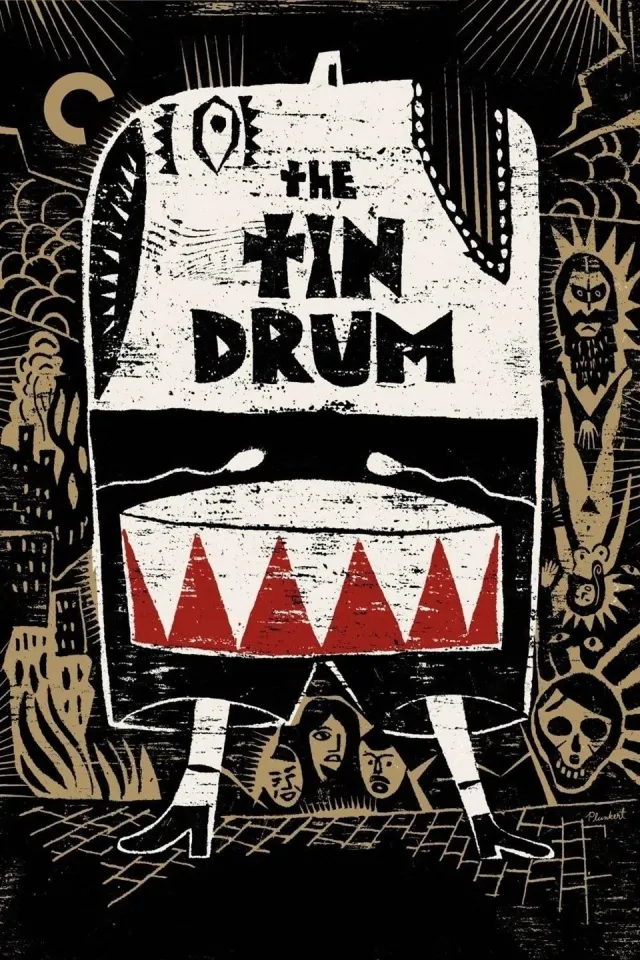
Oskar Matzerath narrates from an institution in postwar Germany, looking back on his childhood in the Free City of Danzig. On his third birthday he receives a tin drum and decides that he will not grow up in the world of adults; after a fall, his body stops developing while his voice can shatter glass. Oskar watches his family and neighbours navigate shifting loyalties as Nazism rises and war changes the city. He sometimes hides behind the appearance of a child, sometimes uses the drum to disrupt public spectacle, and often remains an unreliable observer of events in which he is implicated. The story follows his refusal through the collapse of the old order and its aftermath.
What drives the story
A boy's refusal to grow becomes a grotesque vantage point on family life and political change in Danzig before, during and after the war.
The people at its centre
Oskar's childish body and adult narration do not make him an innocent witness; his parents' choices and the people around him complicate his account of responsibility.
What it feels like
Surreal images, abrasive grotesquerie and episodic narration turn Günter Grass's novel into an unsettling antiwar fable rather than conventional historical drama.
Worth knowing
For viewers comfortable with challenging, darkly comic European art cinema. This is a highly interpretive adaptation of Günter Grass, with sexual violence, nudity, antisemitic language and wartime violence that can be difficult to watch.