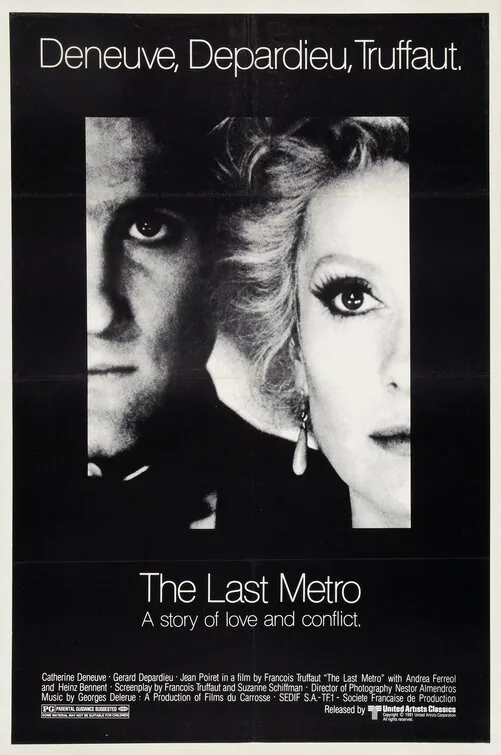
Marion conceals her husband while keeping a theater functioning under German occupation.
Why this matches +
These offer a related experience with a meaningful difference in story, tone, or presentation.
An adjacent discovery: a related idea with a different viewing experience.
Genres: Drama / War
Shared film traits
Based on recorded story, mood and style. Your preferences can change the order.
War and civilian life · Political resistance
What changes The Last Metro places everyday work and hidden resistance under Nazi occupation, although its theater company faces a more sustained concealment drama.
In occupied Paris, actress and theater director Marion Steiner keeps her theater running while secretly sheltering her Jewish husband Lucas in the building's cellar. She presents herself publicly as the company's sole leader, even as a new actor and the German occupation reshape the troupe's daily life. Rehearsals and performances become a fragile cover for survival, forcing Marion to navigate censorship, collaboration, and the emotional strain of living under constant threat.
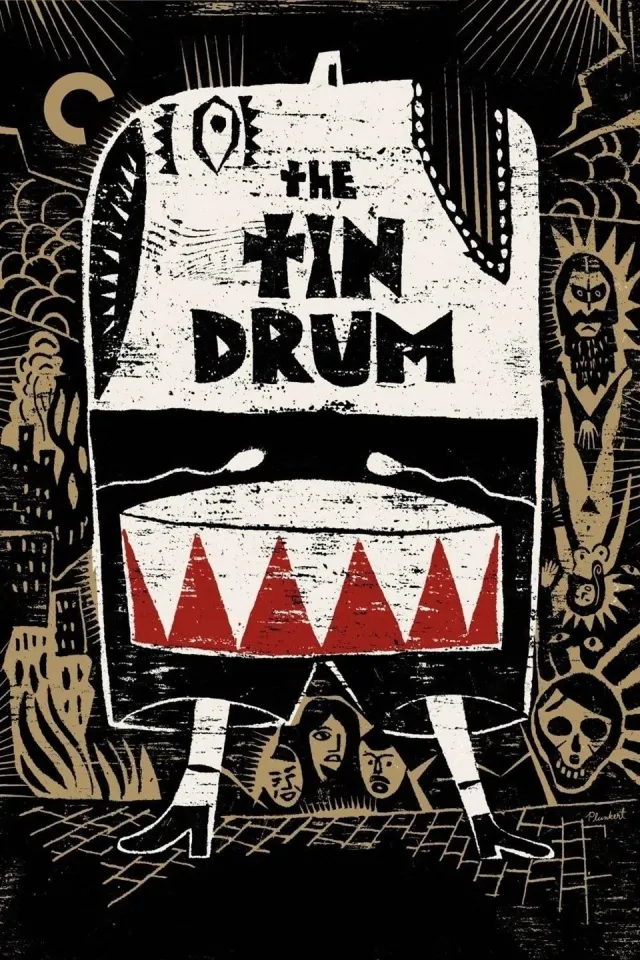
A boy's refusal to grow becomes a grotesque vantage point on family life and political change in Danzig before, during and after the war.
Why this matches +
These offer a related experience with a meaningful difference in story, tone, or presentation.
An adjacent discovery: a related idea with a different viewing experience.
Genres: Drama / War
Shared film traits
Based on recorded story, mood and style. Your preferences can change the order.
Coming of age · War and civilian life
What changes The Tin Drum filters life under Nazi rule through an unconventional young protagonist, using grotesque humor where Miloš's railway story is intimate and restrained.
Oskar Matzerath narrates from an institution in postwar Germany, looking back on his childhood in the Free City of Danzig. On his third birthday he receives a tin drum and decides that he will not grow up in the world of adults; after a fall, his body stops developing while his voice can shatter glass. Oskar watches his family and neighbours navigate shifting loyalties as Nazism rises and war changes the city. He sometimes hides behind the appearance of a child, sometimes uses the drum to disrupt public spectacle, and often remains an unreliable observer of events in which he is implicated. The story follows his refusal through the collapse of the old order and its aftermath.
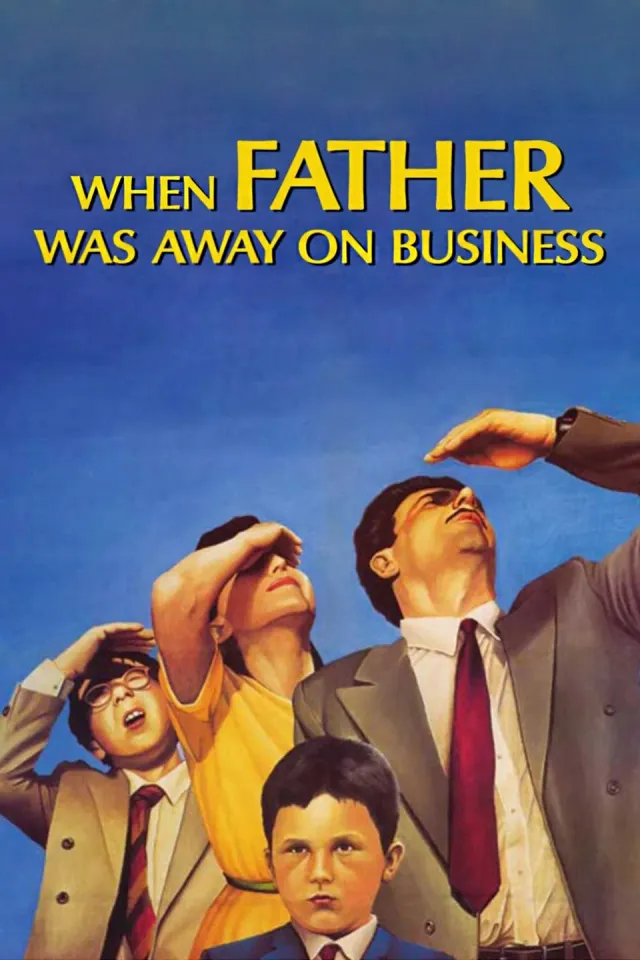
A family’s silence becomes a child’s confusing everyday reality, making political punishment legible through absences and careful adult behavior.
Why this matches +
These offer a related experience with a meaningful difference in story, tone, or presentation.
An adjacent discovery: a related idea with a different viewing experience.
Genres: Drama / Comedy
Shared film traits
Based on recorded story, mood and style. Your preferences can change the order.
Political resistance
What changes When Father Was Away on Business mixes family comedy and political repression through a child's perspective; its setting is postwar Yugoslavia rather than an occupied railway station.
In postwar Yugoslavia, young Malik experiences family life through the shifting explanations adults provide when his father Meša is sent away to a labor camp. The official account of the absence is not the same as the truth, and the family must adapt to a political system that reaches into private relationships. Malik’s childhood games and first attachments continue alongside a growing awareness that adult loyalties can be dangerous. Emir Kusturica’s film frames political pressure through an observant child’s partial understanding rather than through a conventional account of state institutions. The camera stays close to Malik, so political danger arrives as rumors, separations and changed routines. Adults guard their language because a child's innocence cannot shield the family.
The unexploded mine creates an immediate rescue problem that political and media systems repeatedly convert into a question of responsibility and image.
Why this matches +
These offer a related experience with a meaningful difference in story, tone, or presentation.
An adjacent discovery: a related idea with a different viewing experience.
Genres: Drama / War
Shared film traits
Based on recorded story, mood and style. Your preferences can change the order.
War and civilian life
What changes No Man's Land uses absurd humor to expose wartime systems, shifting the focus from an awkward civilian to soldiers trapped in a Bosnian trench.
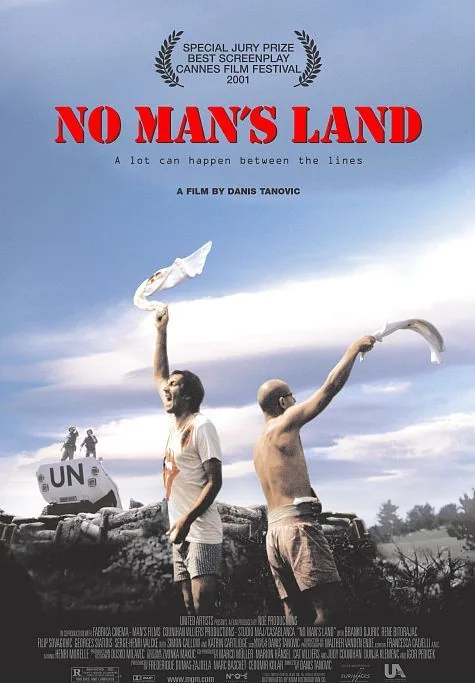
During the Bosnian War, wounded Bosniak soldier Čiki and Bosnian Serb soldier Nino become trapped in the same trench between their lines. Their initial insults give way to wary cooperation when they discover Cera, another Bosniak, lying on a mine that will detonate if he moves. A French UN peacekeeping sergeant attempts a rescue despite orders to remain neutral, while an international reporter’s presence pressures senior officers to act. Each institution tries to control the public story as the men’s danger grows, leaving the conflict unresolved even when cameras and officials depart.
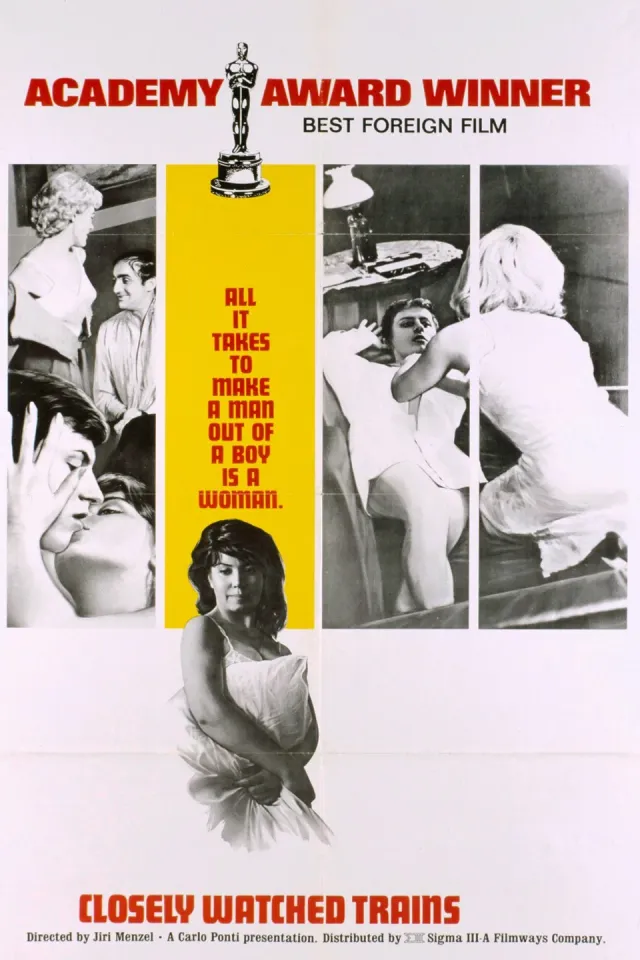
Near the end of Nazi-occupied Czechoslovakia, apprentice station guard Miloš is more consumed by sexual embarrassment than by the war around him. The staff's workplace comedy and sexual bravado make the railway station feel provincial and ordinary, yet its trains carry military cargo and a resistance plan draws Miloš into danger. His final act is not a prize for successful sexual initiation: the film lets courage emerge through an awkward person whose private shame and political world never become the same problem. Miloš's sexual anxieties share screen time with a station's seemingly routine wartime duties.
What drives the story
A young station worker's efforts to overcome sexual shame unfold beside routine occupation and an eventual act of resistance involving a military train.
The people at its centre
Miloš's awkwardness contrasts with dispatcher Hubička's practiced sexual confidence, but neither masculinity nor experience alone determines who can act when resistance becomes immediate. Hubička's stamp prank establishes comedy without defining Miloš's capacity for courage.
What it feels like
Dry workplace comedy and sexual embarrassment gradually meet the threat of occupation, shifting the stakes without abandoning the film's observant humor. The film shifts register from embarrassment to danger without becoming solemn throughout.
Worth knowing
Match on coming-of-age comedy set within wartime resistance, not on a simple initiation story; sexual success is not the measure or cause of political courage. Resistance is not a reward for sexual maturity or masculine conquest.
DesireIdentityOccupation
Mood
Wry · Intimate · Tragic
Pacing
Measured
Visual style
Black and white · Observational · Deadpan staging
Storytelling
Sexual embarrassment · Workplace absurdity · Resistance through railway work