Explore films connected to The Flowers of War through civilian protection, sacrifice and responsibility, war and survival. Choose the qualities you want to carry into your next watch.
What should feel similar?
Find your next favourite
9 films · Closest overall matches
Hide films you’ve seen or don’t want. Saved on this device.
No matches for this combination yet.
Try another option or reset your choices to see more films.
Based on recorded story, mood and style. Your preferences can change the order.
War and civilian life · Survival
What changes The Flowers of War: arrival and shelter setup, sustained wartime threat and sacrifice-centered conclusion. Dara of Jasenovac: dread-filled, harsh escalation and survival-focused.
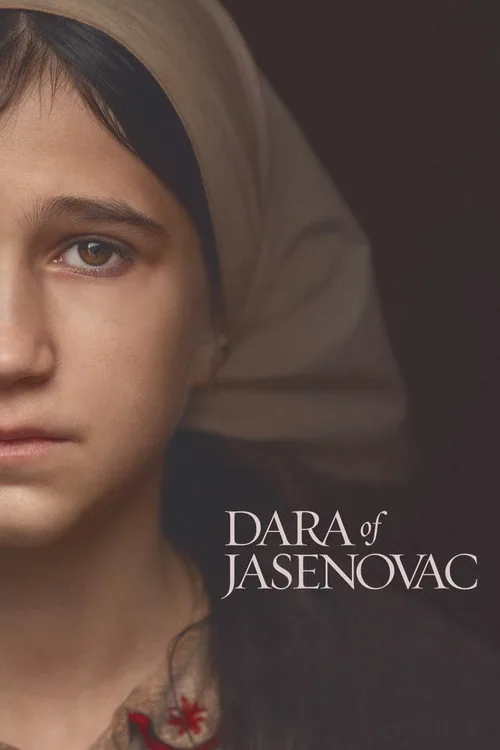
During the Second World War, a young girl named Dara and her family are sent to the Jasenovac concentration camp, where the Ustaše regime imprisoned and murdered Serbs, Jews, Roma, and political opponents. The story follows Dara’s attempts to protect her younger brother and preserve family bonds amid forced separation and extreme violence. Based on survivor testimonies, the Serbian historical drama places a child’s point of view within the reality of mass atrocity. It contains explicit material about genocide, camp violence, and children in danger.
Based on recorded story, mood and style. Your preferences can change the order.
War and civilian life
What changes The Flowers of War: arrival and shelter setup, sustained wartime threat and sacrifice-centered conclusion. Letters from Iwo Jima: nonlinear and measured.
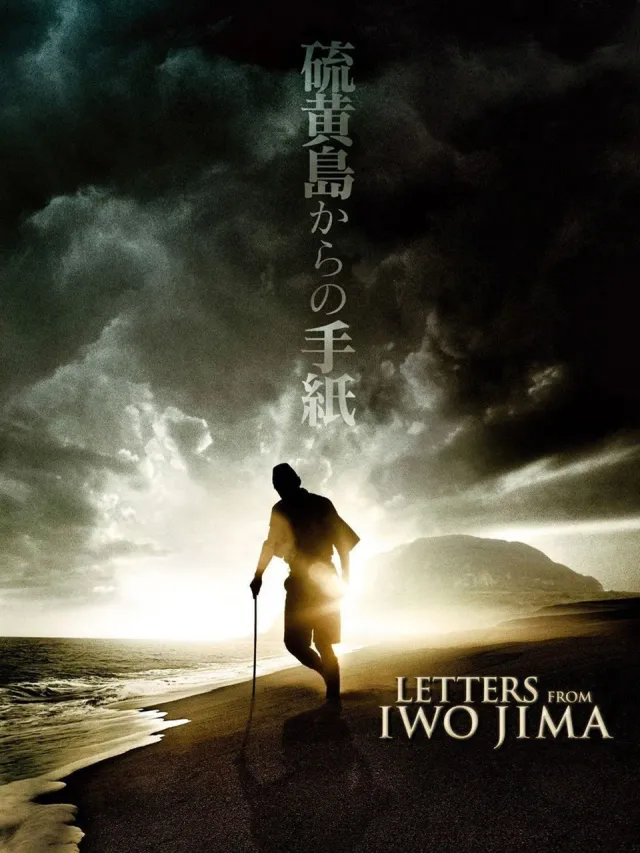
As U.S. forces approach Iwo Jima in 1945, Japanese soldiers prepare to defend an island they know they may not survive. Letters and flashbacks follow General Kuribayashi, Saigo the baker and other men whose motives range from duty and fear to attachment to families at home. Their human individuality complicates the language of national honor without making the film a full account of the Pacific War or Japanese imperial responsibility. Clint Eastwood’s Japanese-language companion to Flags of Our Fathers focuses on one selected military perspective; it does not stand for every Japanese soldier or civilian. The battle’s underground tunnels and fragmented correspondence turn defense into an intimate, enclosed ordeal, while the historical context remains larger than the film’s sympathetic frame.
Based on recorded story, mood and style. Your preferences can change the order.
War and civilian life · Survival
What changes The Flowers of War: arrival and shelter setup, sustained wartime threat and sacrifice-centered conclusion. Stalingrad: battle-driven and interwoven.
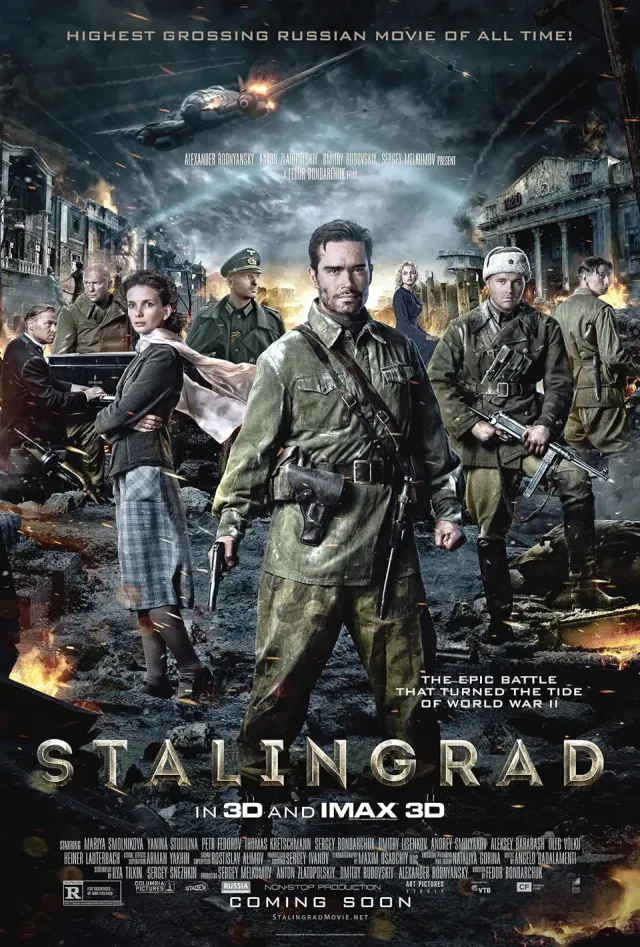
After a rescue effort in 2011, a Russian emergency worker recounts a family story set during the Battle of Stalingrad. In 1942, a group of Soviet soldiers occupy a damaged building and protect a young woman amid the city’s destruction. Fyodor Bondarchuk combines large-scale war spectacle with a melodramatic account of survival, memory and attachment, using the building as a temporary refuge within a battlefield that keeps closing in.
Based on recorded story, mood and style. Your preferences can change the order.
War and civilian life · Survival
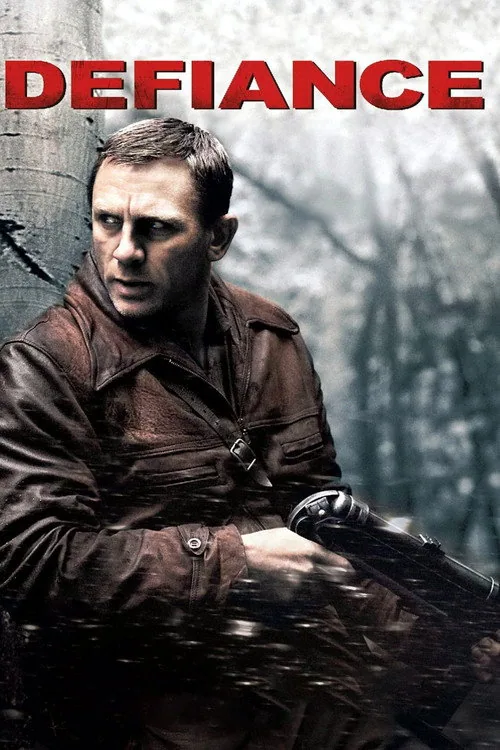
What changes The Flowers of War: arrival and shelter setup, sustained wartime threat and sacrifice-centered conclusion. Defiance: long stretches of camp-building and hardship lead into military attacks.
After Nazi forces and local collaborators kill their parents, the Bielski brothers flee into the forests of occupied Belarus and gather Jewish survivors around them. Tuvia prioritizes shelter and preservation of life, while Zus favors more aggressive resistance; the camp’s survival tests their leadership as winter, scarce food, internal conflict, and a German offensive close in. The war drama follows a refuge becoming a community, with armed resistance always tied to the vulnerable people it is meant to protect.
Based on recorded story, mood and style. Your preferences can change the order.
War and civilian life
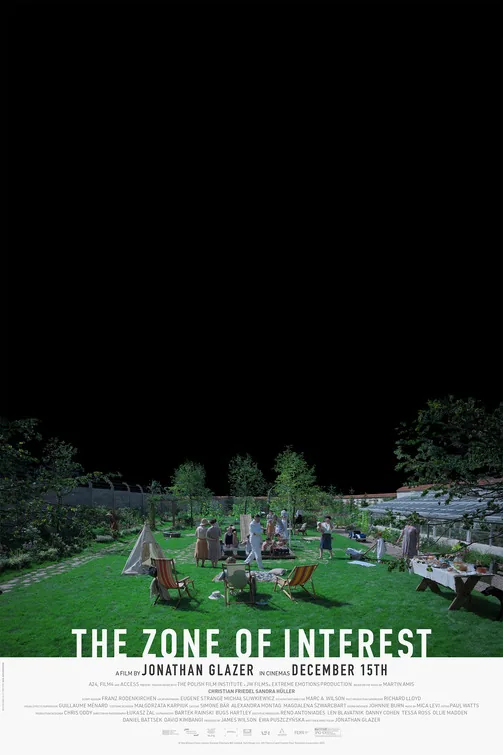
What changes The Flowers of War: arrival and shelter setup, sustained wartime threat and sacrifice-centered conclusion. The Zone of Interest: observational and slow-burn.
Rudolf Höss, commandant of Auschwitz, and his wife Hedwig try to build a comfortable family life in a home and garden directly beside the camp. Their children play, visitors arrive and domestic routines continue, while the noises and smoke from the camp remain present beyond the wall. Rudolf’s work and Hedwig’s attachment to the household shape the family’s decisions, including arguments over status and relocation. The film does not follow prisoners through the camp as a conventional war story; it makes the surrounding domestic normality the frame through which the machinery of genocide is apprehended. Its starkest contrast is between the household’s attention to garden and status and the camp’s audible presence beyond their wall.
Based on recorded story, mood and style. Your preferences can change the order.
War and civilian life
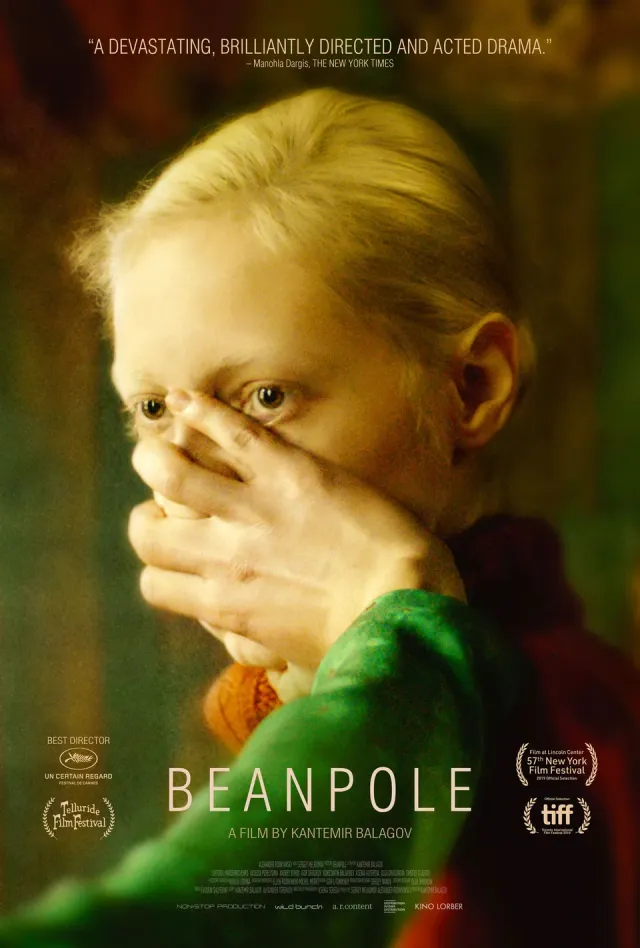
What changes The Flowers of War: arrival and shelter setup, sustained wartime threat and sacrifice-centered conclusion. Beanpole: character-driven, quiet tension and emotional ruptures.
In the aftermath of the Second World War, nurse Iya works in a crowded Leningrad hospital while coping with episodes that temporarily immobilize her. Masha returns from the front and resumes a complicated relationship with Iya, whose life has become entangled with the cost of war. As the women try to imagine a future in a damaged city, their bond is shaped by trauma, dependence, desire, and conflicting ideas about motherhood.
Based on recorded story, mood and style. Your preferences can change the order.
War and civilian life
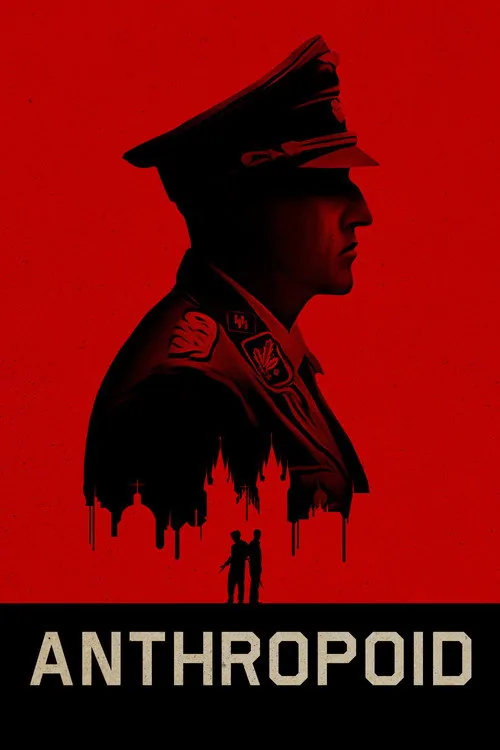
What changes The Flowers of War: arrival and shelter setup, sustained wartime threat and sacrifice-centered conclusion. Anthropoid: careful operational planning, tense attack sequence and prolonged siege aftermath.
In 1941, Czechoslovak soldiers Jozef Gabčík and Jan Kubiš parachute into occupied Bohemia to join the resistance and prepare the assassination of Nazi official Reinhard Heydrich. They find shelter and support among civilians in Prague, but carrying out the mission could bring brutal retaliation against the people protecting them. Sean Ellis's war drama follows the operatives through planning, uncertainty, and the aftermath of the attack, focusing on the human cost of resistance under occupation.
Based on recorded story, mood and style. Your preferences can change the order.
War and civilian life
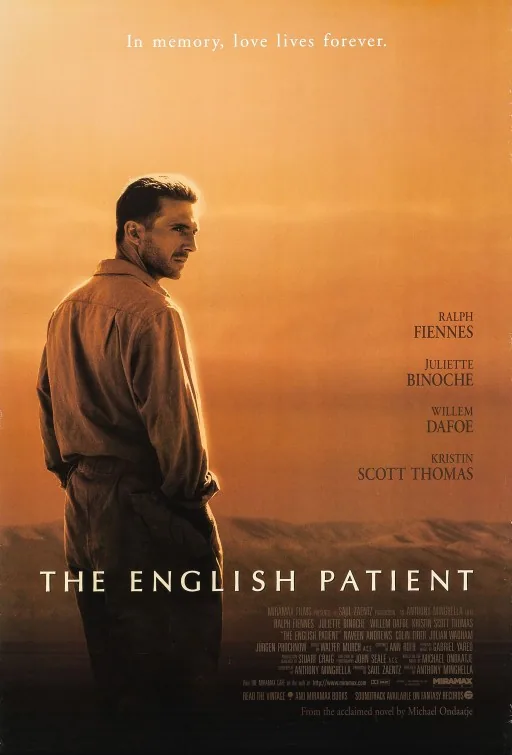
What changes The Flowers of War: arrival and shelter setup, sustained wartime threat and sacrifice-centered conclusion. The English Patient: measured.
Near the end of the Second World War, a nurse tends a severely burned man in an abandoned Italian monastery while fragments of his earlier life emerge. His memories return to a desert mapping expedition, an affair with a married woman and decisions whose consequences cross wartime allegiances. Other displaced people briefly form a household around the patient's care, placing his consuming lost romance beside more tentative attempts to remain open to life.
Based on recorded story, mood and style. Your preferences can change the order.
War and civilian life
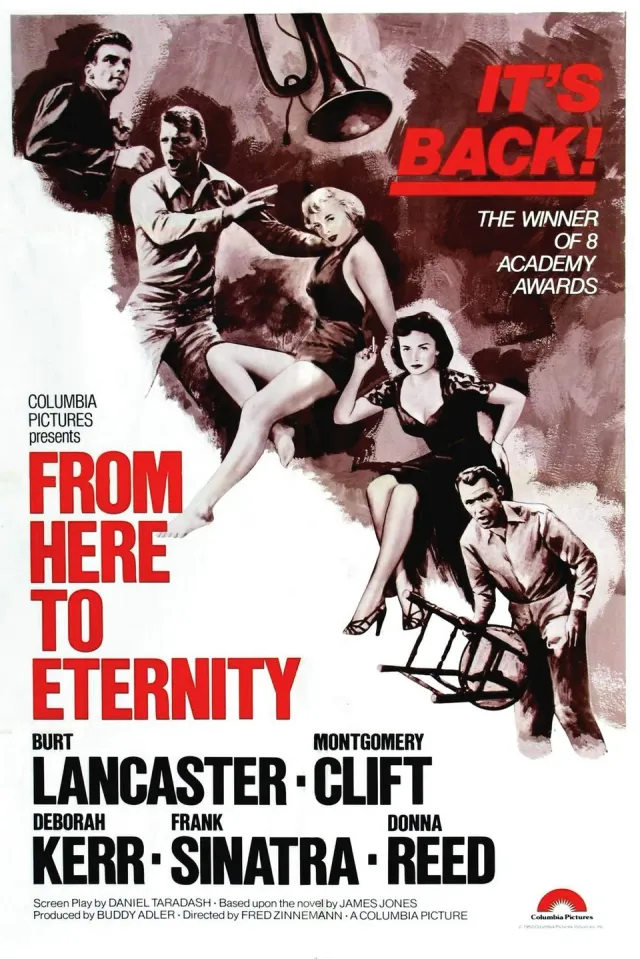
What changes The Flowers of War: arrival and shelter setup, sustained wartime threat and sacrifice-centered conclusion. From Here to Eternity: measured and escalating.
At an Army post in Hawaii before Pearl Harbor, a soldier refuses to box for his commanding officer and becomes a target of organized punishment. Around him, friendships and clandestine romances offer forms of belonging the institution cannot safely recognize. His refusal carries a private moral history, while others negotiate ambition, marriage and escape from constrained lives. The approaching historical catastrophe does not erase the smaller abuses: military duty and institutional loyalty repeatedly come into conflict with individual dignity.
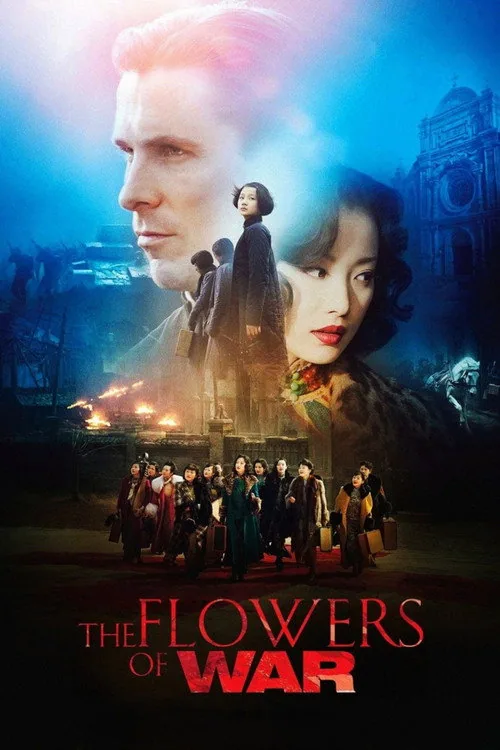
During the 1937 invasion of Nanjing, American mortician John Miller arrives at a Catholic convent to bury its priest. He finds schoolgirls sheltering there and later helps a group of sex workers who seek refuge from Japanese soldiers. As the danger around the church intensifies, Miller tries to protect the people inside and take the girls to safety. The historical drama centers on civilian survival and acts of sacrifice amid wartime violence.
What drives the story
A foreign undertaker becomes responsible for a convent community while war closes around their refuge.
The people at its centre
Miller's initial self-interest gives way to a protective bond with schoolgirls and women who have been pushed to society's margins.
What it feels like
A large-scale historical drama combines intimate shelter scenes with the brutality and uncertainty of an occupied city.
Worth knowing
The story focuses on civilians trapped in one refuge, rather than following a military campaign or battlefield command.
civilian protectionsacrifice and responsibilitywar and survival