Based on recorded story, mood and style. Your preferences can change the order.
Survival
What changes Defiance: long stretches of camp-building and hardship lead into military attacks. Tangerines: contained and gradual.
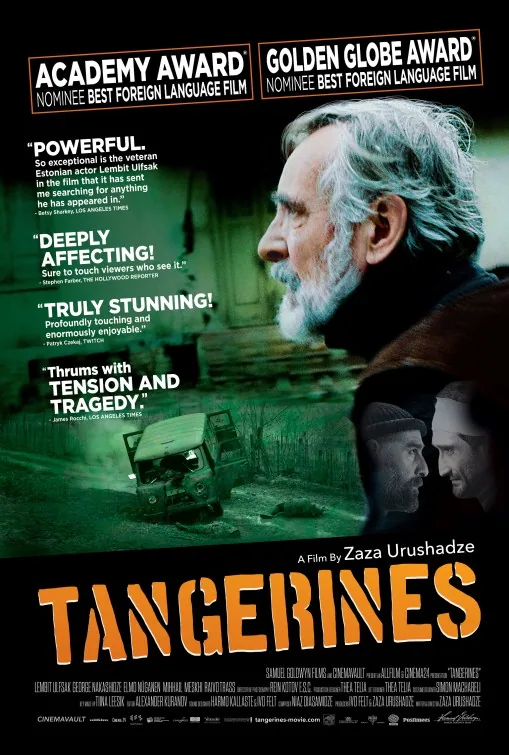
In a small village during the war in Abkhazia, Ivo and his neighbor Margus are among the last Estonians who remain. After a nearby clash leaves wounded soldiers on both sides in their care, the villagers must decide how to treat enemies sharing the same confined space. Zaza Urushadze makes the antiwar drama a study in hospitality and restraint, allowing everyday decisions to challenge inherited divisions.
Both share themes of resistance and survival, plus a somber atmosphere.
Why this matches +
Genres: Action / War
Shared film traits
Based on recorded story, mood and style. Your preferences can change the order.
War and civilian life · Survival
What changes Defiance: long stretches of camp-building and hardship lead into military attacks. Red Dawn: relentless and escalating.
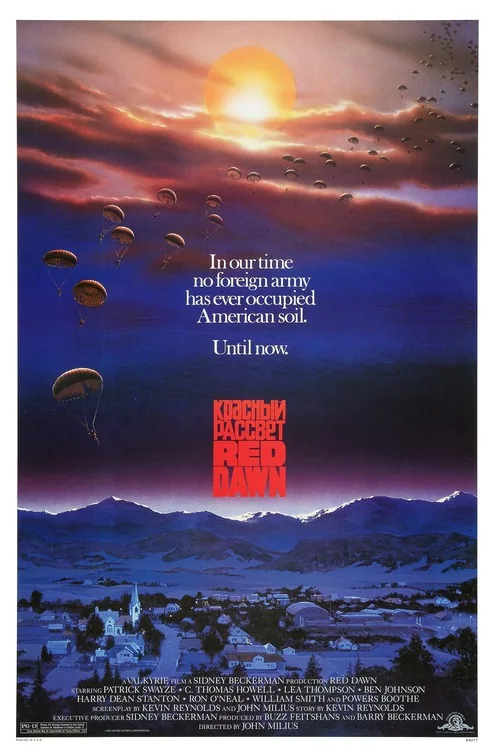
A surprise foreign invasion turns a Colorado high school into a battlefield, forcing a group of teenagers to escape into nearby mountains. Calling themselves the Wolverines, they form a resistance cell and struggle to survive as occupation forces pursue them. Their improvised campaign tests the bonds between friends and siblings, while the film follows how prolonged conflict changes youthful defiance into a heavy burden.
Based on recorded story, mood and style. Your preferences can change the order.
War and civilian life
What changes Defiance: long stretches of camp-building and hardship lead into military attacks. The Zone of Interest: observational and slow-burn.
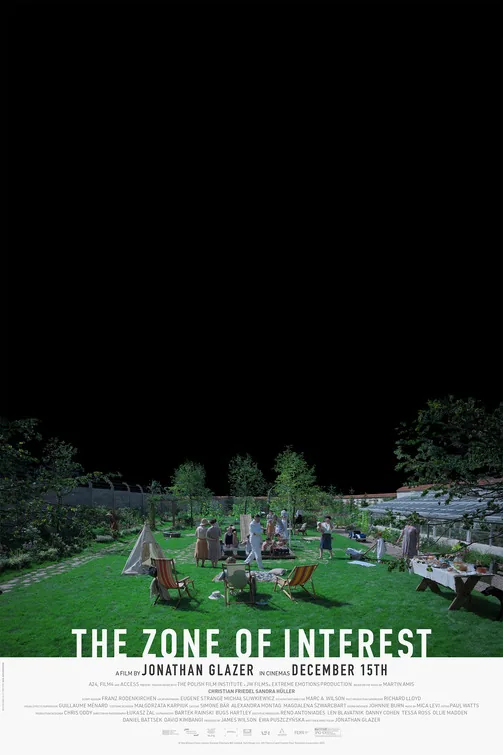
Rudolf Höss, commandant of Auschwitz, and his wife Hedwig try to build a comfortable family life in a home and garden directly beside the camp. Their children play, visitors arrive and domestic routines continue, while the noises and smoke from the camp remain present beyond the wall. Rudolf’s work and Hedwig’s attachment to the household shape the family’s decisions, including arguments over status and relocation. The film does not follow prisoners through the camp as a conventional war story; it makes the surrounding domestic normality the frame through which the machinery of genocide is apprehended. Its starkest contrast is between the household’s attention to garden and status and the camp’s audible presence beyond their wall.
Based on recorded story, mood and style. Your preferences can change the order.
War and civilian life · Survival
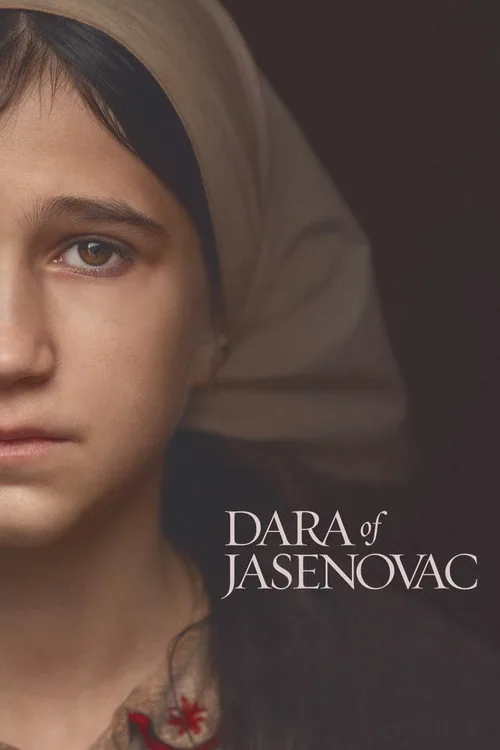
What changes Defiance: long stretches of camp-building and hardship lead into military attacks. Dara of Jasenovac: dread-filled, harsh escalation and survival-focused.
During the Second World War, a young girl named Dara and her family are sent to the Jasenovac concentration camp, where the Ustaše regime imprisoned and murdered Serbs, Jews, Roma, and political opponents. The story follows Dara’s attempts to protect her younger brother and preserve family bonds amid forced separation and extreme violence. Based on survivor testimonies, the Serbian historical drama places a child’s point of view within the reality of mass atrocity. It contains explicit material about genocide, camp violence, and children in danger.
Based on recorded story, mood and style. Your preferences can change the order.
War and civilian life
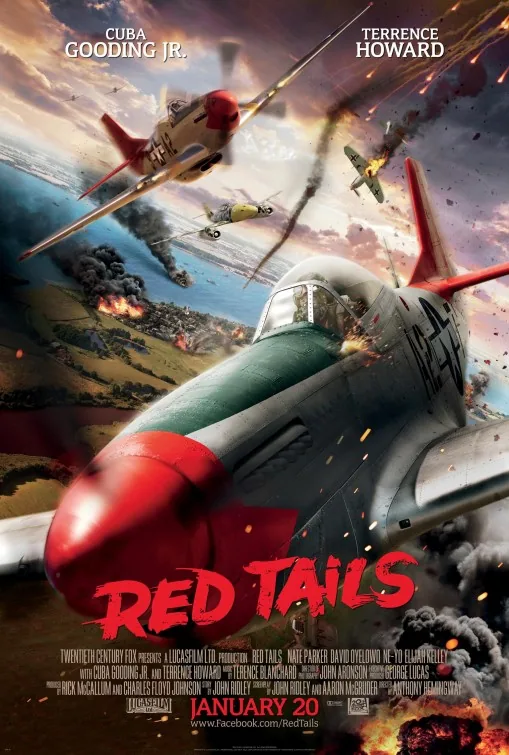
What changes Defiance: long stretches of camp-building and hardship lead into military attacks. Red Tails: mission-based action progression.
In 1944, the Tuskegee Airmen are sent into combat in Europe after facing racism during training and being assigned limited roles. The fighter pilots seek an opportunity to escort bombers and prove their capability under dangerous conditions, while tensions within the squad test the group’s trust. The war drama combines aerial combat with a collective story of service, discrimination and recognition.
Based on recorded story, mood and style. Your preferences can change the order.
War and civilian life · Survival
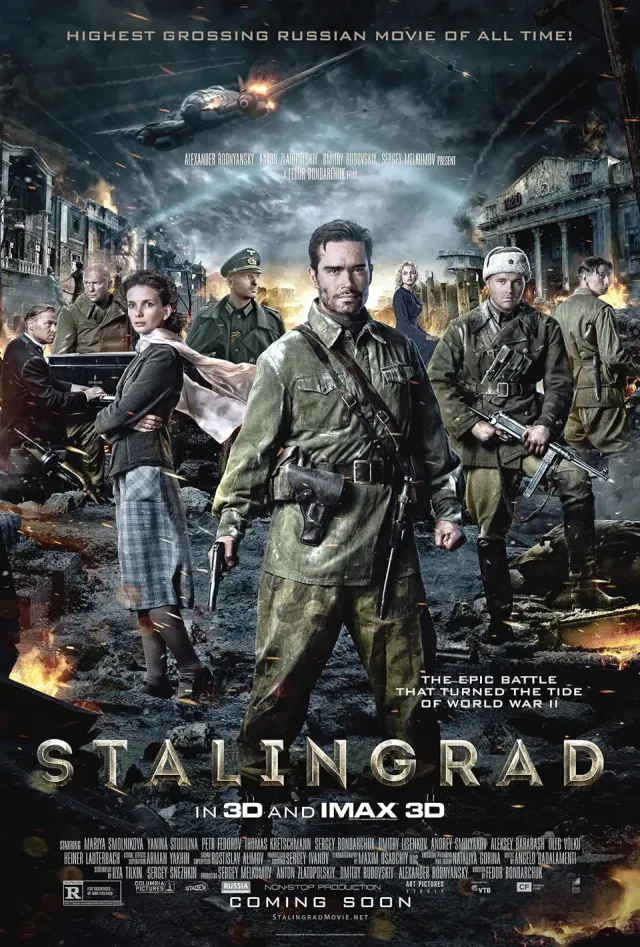
What changes Defiance: long stretches of camp-building and hardship lead into military attacks. Stalingrad: battle-driven and interwoven.
After a rescue effort in 2011, a Russian emergency worker recounts a family story set during the Battle of Stalingrad. In 1942, a group of Soviet soldiers occupy a damaged building and protect a young woman amid the city’s destruction. Fyodor Bondarchuk combines large-scale war spectacle with a melodramatic account of survival, memory and attachment, using the building as a temporary refuge within a battlefield that keeps closing in.
Based on recorded story, mood and style. Your preferences can change the order.
War and civilian life · Survival
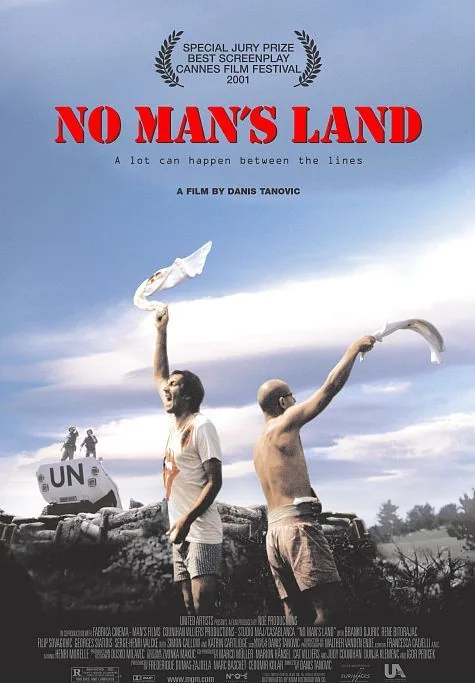
What changes Defiance: long stretches of camp-building and hardship lead into military attacks. No Man's Land: steady and escalating.
During the Bosnian War, wounded Bosniak soldier Čiki and Bosnian Serb soldier Nino become trapped in the same trench between their lines. Their initial insults give way to wary cooperation when they discover Cera, another Bosniak, lying on a mine that will detonate if he moves. A French UN peacekeeping sergeant attempts a rescue despite orders to remain neutral, while an international reporter’s presence pressures senior officers to act. Each institution tries to control the public story as the men’s danger grows, leaving the conflict unresolved even when cameras and officials depart.
Based on recorded story, mood and style. Your preferences can change the order.
War and civilian life
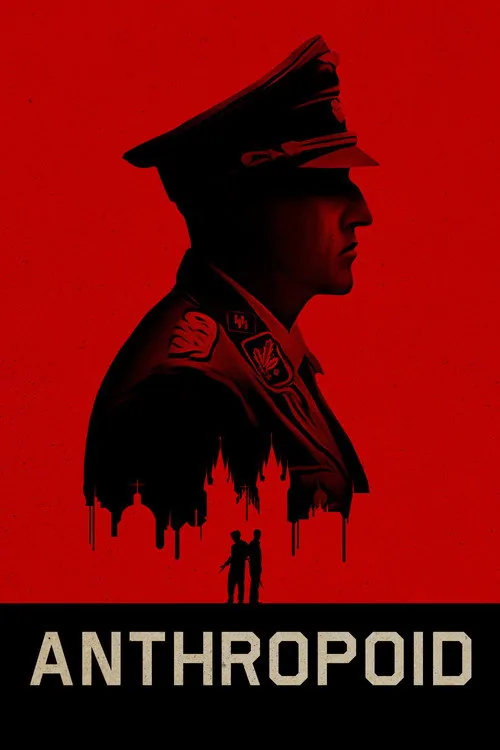
What changes Defiance: long stretches of camp-building and hardship lead into military attacks. Anthropoid: careful operational planning, tense attack sequence and prolonged siege aftermath.
In 1941, Czechoslovak soldiers Jozef Gabčík and Jan Kubiš parachute into occupied Bohemia to join the resistance and prepare the assassination of Nazi official Reinhard Heydrich. They find shelter and support among civilians in Prague, but carrying out the mission could bring brutal retaliation against the people protecting them. Sean Ellis's war drama follows the operatives through planning, uncertainty, and the aftermath of the attack, focusing on the human cost of resistance under occupation.
Both share themes of survival, plus a somber atmosphere.
Why this matches +
Genres: Crime / Drama
Shared film traits
Based on recorded story, mood and style. Your preferences can change the order.
War and civilian life · Survival
What changes Defiance: long stretches of camp-building and hardship lead into military attacks. The Counterfeiters: steadily tightening.
In a Nazi concentration camp, a Jewish counterfeiter is compelled to help produce forged currency for a German operation, gaining temporary survival at the cost of moral compromise. He and the other prisoners face choices shaped by coercion, scarcity and the risks of resistance. Based on wartime events, the drama focuses on constrained decisions under atrocity and on the uneasy line between collaboration forced by violence and active allegiance.
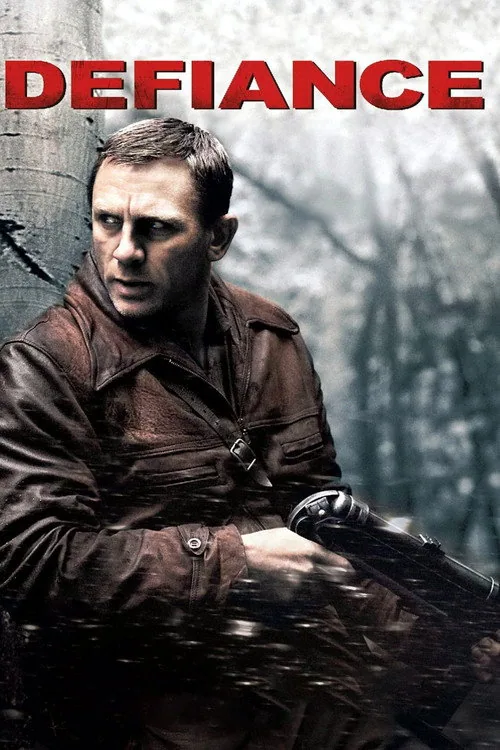
After Nazi forces and local collaborators kill their parents, the Bielski brothers flee into the forests of occupied Belarus and gather Jewish survivors around them. Tuvia prioritizes shelter and preservation of life, while Zus favors more aggressive resistance; the camp’s survival tests their leadership as winter, scarce food, internal conflict, and a German offensive close in. The war drama follows a refuge becoming a community, with armed resistance always tied to the vulnerable people it is meant to protect.
What drives the story
The group’s growth protects more refugees but makes food, mobility, and defense increasingly difficult.
The people at its centre
Tuvia’s protective command and Zus’s appetite for direct action reflect competing answers to how a threatened community can endure.
What it feels like
Battle scenes sit beside hunger, illness, loss, and the labor of sustaining a civilian camp during occupation.
Worth knowing
It is a wartime survival drama centered on the Bielski partisans, not a broad account of the Eastern Front or a conventional military unit.
ResistanceFamilyLeadership
Mood
Somber · Resolute · Adventurous
Pacing
Long stretches of camp-building and hardship lead into military attacks