An opportunist's factory operation becomes a rescue effort as escalating persecution turns employment, paperwork and money into fragile instruments of survival.
Why this matches +
Selected for the central appeal: Wartime dramas about ordinary people facing complicity and moral choices under persecution.
Genres: Drama / Biography
Shared film traits
Based on recorded story, mood and style. Your preferences can change the order.
War and civilian life
What changes Schindler's List follows a man who initially benefits from Nazi persecution and comes to protect Jewish people, with an industrialist and a much wider historical canvas rather than one shopkeeper and widow.
A businessman joins the Nazi occupation economy in Kraków intending to profit from factories staffed by exploited Jewish workers. His dependence on a Jewish accountant brings practical contact with lives that the regime treats as disposable. As ghetto clearance and camp violence expose the machinery of extermination, his priorities change, and commercial access becomes a precarious means of protecting workers from deportation and death.
The rules imposed on daily life show occupation through ordinary choices as well as open force.
Why this matches +
These offer a related experience with a meaningful difference in story, tone, or presentation.
An adjacent discovery: a related idea with a different viewing experience.
Genres: Drama / War
Shared film traits
Based on recorded story, mood and style. Your preferences can change the order.
War and civilian life
What changes Timbuktu shows daily life altered by an oppressive regime and the local choices people make under its rules, with a distinct contemporary Malian setting and form of persecution.
In and around Timbuktu, an extremist group imposes rigid rules on residents, controlling dress, music and public behavior. A herdsman’s family becomes caught in a conflict after an accidental death, while the city’s musicians, children and neighbors respond to life under occupation. Abderrahmane Sissako contrasts intimate domestic routines with the group’s authoritarian power, creating a restrained drama about dignity, faith, absurdity and the impact of political violence on ordinary people.
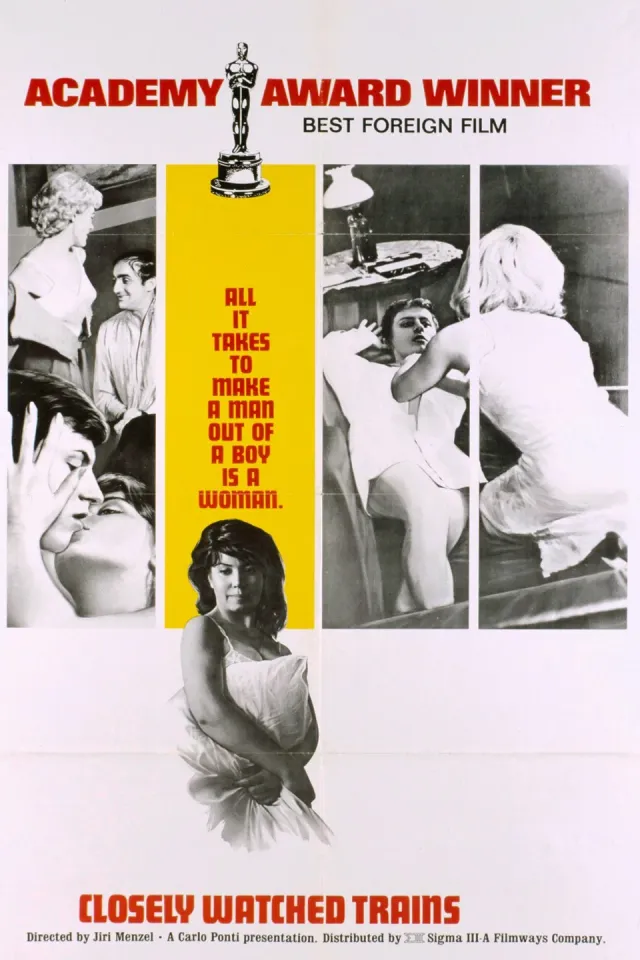
A young station worker's efforts to overcome sexual shame unfold beside routine occupation and an eventual act of resistance involving a military train.
Why this matches +
These offer a related experience with a meaningful difference in story, tone, or presentation.
An adjacent discovery: a related idea with a different viewing experience.
Genres: Drama / Comedy
Shared film traits
Based on recorded story, mood and style. Your preferences can change the order.
War and civilian life
What changes Closely Watched Trains places ordinary work and a hesitant civilian under Nazi occupation, using comic coming-of-age and railway sabotage rather than the forced transfer of a Jewish shop.
Near the end of Nazi-occupied Czechoslovakia, apprentice station guard Miloš is more consumed by sexual embarrassment than by the war around him. The staff's workplace comedy and sexual bravado make the railway station feel provincial and ordinary, yet its trains carry military cargo and a resistance plan draws Miloš into danger. His final act is not a prize for successful sexual initiation: the film lets courage emerge through an awkward person whose private shame and political world never become the same problem. Miloš's sexual anxieties share screen time with a station's seemingly routine wartime duties.
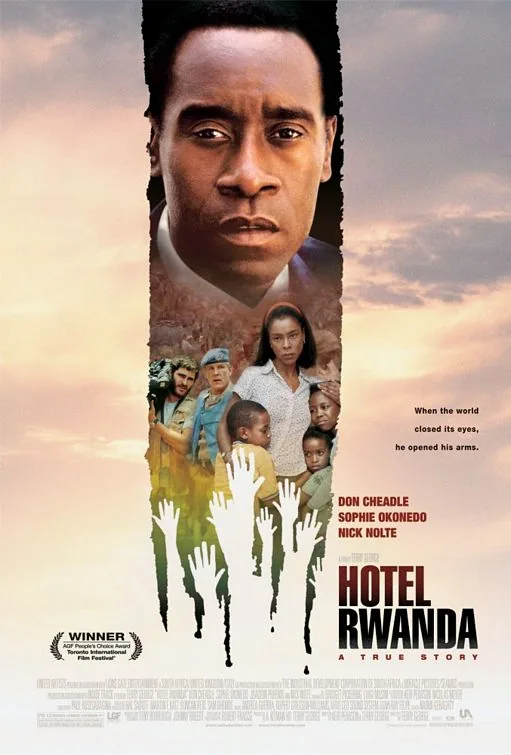
An improvised refuge survives through repeated negotiations whose apparent protections remain vulnerable to both armed intimidation and international abandonment.
Why this matches +
These offer a related experience with a meaningful difference in story, tone, or presentation.
An adjacent discovery: a related idea with a different viewing experience.
Genres: Drama / Biography
Shared film traits
Based on recorded story, mood and style. Your preferences can change the order.
War and civilian life
What changes Hotel Rwanda follows a man trying to protect threatened people while institutions and violence close in, shifting from wartime Slovakia to the Rwandan genocide and a hotel manager's broader rescue effort.
A hotel manager in Kigali tries to keep guests, neighbours and his own family alive as organised anti-Tutsi violence makes ordinary professional routines inadequate. Contacts, supplies and the hotel's international status create temporary leverage, but outside promises repeatedly prove less protective than expected. Each negotiation exposes the limits of treating rescue as a question of commercial influence when the wider institutions with the power to intervene choose restricted obligations or withdrawal.
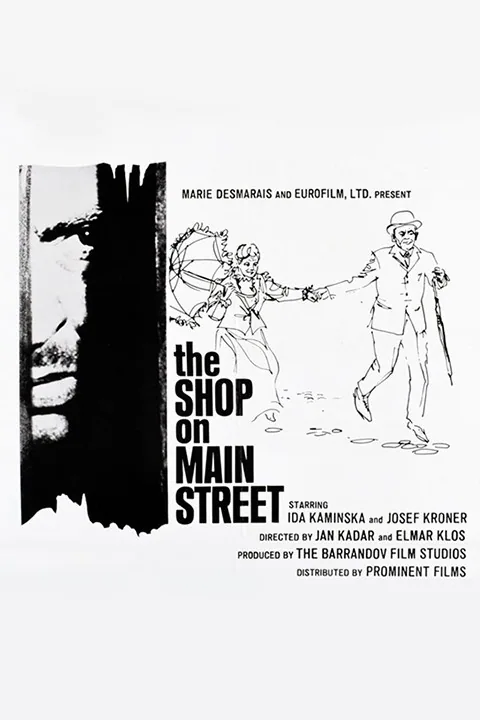
In Nazi-occupied Slovakia, carpenter Tóno Brtko is appointed Aryan controller of Rozália Lautmannová's small haberdashery by his influential brother-in-law. Rozália is isolated and only partly aware of the political danger; she assumes Tóno has come to help with the shop and treats him with warmth. At first he accepts the appointment for the prospect of money and status, then gradually becomes attached to the widow and understands what the policy means for her. His wife Evelyna expects profit, while town officials and neighbours treat dispossession as routine. As deportations approach, Tóno must choose between the comfort of staying within the arrangement and a form of protection that may cost him his position and safety.
What drives the story
A local appointment under a state confiscation policy puts one ordinary man between personal gain and a neighbour whose trust makes the consequences immediate.
The people at its centre
Tóno's clumsy affection for Rozália does not erase his initial self-interest; her misreading of the situation and his wife's material expectations heighten the ethical imbalance.
What it feels like
The film moves between awkward comedy and devastating tragedy, using a modest shop and everyday errands to make political violence intimate.
Worth knowing
For viewers interested in moral complicity and wartime social drama. It is rooted in Slovak Jewish persecution and must not be flattened into a generic story of individual kindness overcoming oppression.