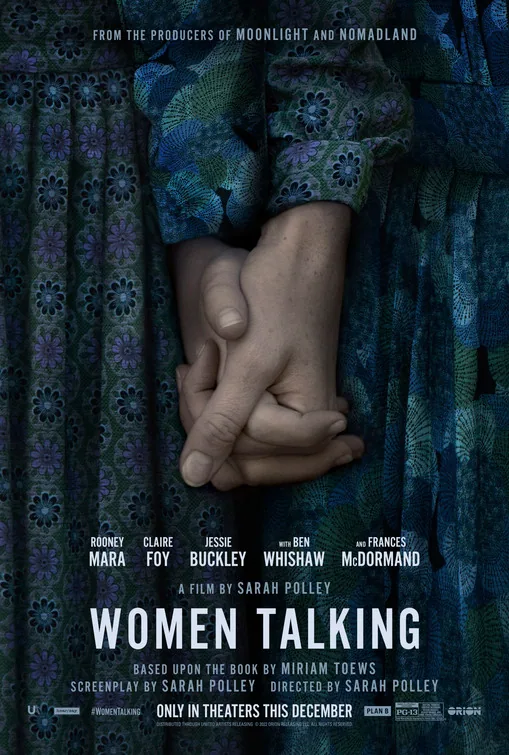
The vote gives each woman a formal voice in a crisis shaped by coercion.
Why this matches +
These offer a related experience with a meaningful difference in story, tone, or presentation.
An adjacent discovery: a related idea with a different viewing experience.
Genres: Drama
Shared film traits
Based on recorded story, mood and style. Your preferences can change the order.
Political resistance
What changes Members of a community under oppressive rules debate faith, safety and collective action while confronting violence against vulnerable people.
Women in an isolated Mennonite colony gather after discovering that men have drugged and sexually assaulted them. With the perpetrators absent, they debate whether to stay, fight, or leave, weighing faith, safety, family, and the future of their children. The drama centers collective deliberation rather than depicting violence as spectacle, asking how a community can make a decision when its inherited rules have failed to protect it.
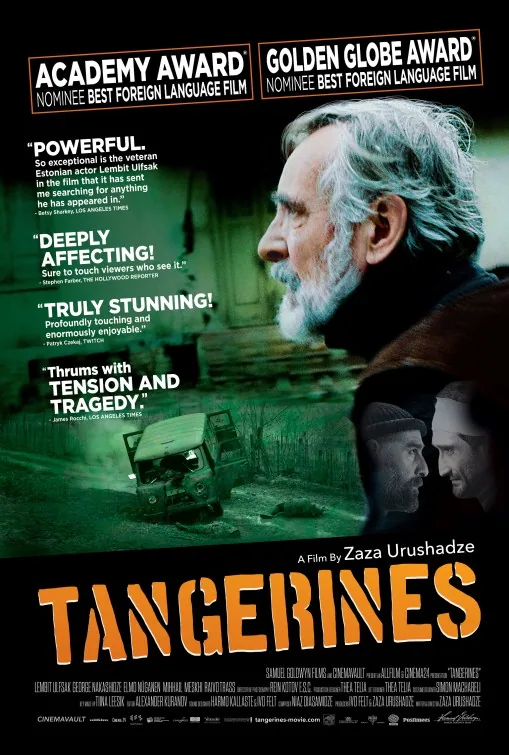
A civilian shelters wounded soldiers from opposing sides in a village emptied by war.
Why this matches +
These offer a related experience with a meaningful difference in story, tone, or presentation.
An adjacent discovery: a related idea with a different viewing experience.
Genres: Drama / War
Shared film traits
Based on recorded story, mood and style. Your preferences can change the order.
What changes Villagers caught in a regional war respond to violence through practical hospitality and a restrained attention to ordinary choices.
In a small village during the war in Abkhazia, Ivo and his neighbor Margus are among the last Estonians who remain. After a nearby clash leaves wounded soldiers on both sides in their care, the villagers must decide how to treat enemies sharing the same confined space. Zaza Urushadze makes the antiwar drama a study in hospitality and restraint, allowing everyday decisions to challenge inherited divisions.
Escalating danger forces a religious community to decide what presence and responsibility require.
Why this matches +
These offer a related experience with a meaningful difference in story, tone, or presentation.
An adjacent discovery: a related idea with a different viewing experience.
Genres: Drama / History
Shared film traits
Based on recorded story, mood and style. Your preferences can change the order.
War and civilian life
What changes A religious community debates how to remain with its neighbors as armed extremism threatens everyday life and shared care.
A small community of French Trappist monks lives alongside Muslim neighbours in an Algerian village during the country's civil conflict. As threats against foreigners grow and armed violence reaches the region, the monks debate whether to leave or continue the work that binds them to local residents. Xavier Beauvois builds the drama through ritual, practical disagreement and quiet acts of care rather than conventional action scenes.
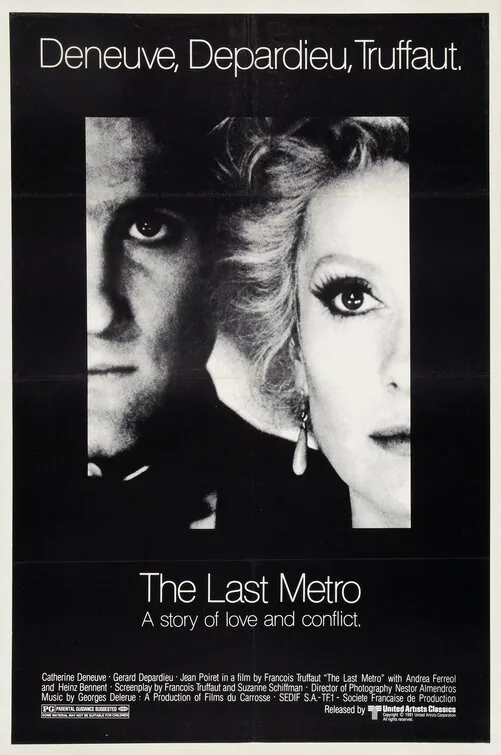
Marion conceals her husband while keeping a theater functioning under German occupation.
Why this matches +
These offer a related experience with a meaningful difference in story, tone, or presentation.
An adjacent discovery: a related idea with a different viewing experience.
Genres: Drama / War
Shared film traits
Based on recorded story, mood and style. Your preferences can change the order.
Political resistance · War and civilian life
What changes People sustain art and personal relationships under occupation, navigating the gap between public compliance and private resistance.
In occupied Paris, actress and theater director Marion Steiner keeps her theater running while secretly sheltering her Jewish husband Lucas in the building's cellar. She presents herself publicly as the company's sole leader, even as a new actor and the German occupation reshape the troupe's daily life. Rehearsals and performances become a fragile cover for survival, forcing Marion to navigate censorship, collaboration, and the emotional strain of living under constant threat.
A local appointment under a state confiscation policy puts one ordinary man between personal gain and a neighbour whose trust makes the consequences immediate.
Why this matches +
These offer a related experience with a meaningful difference in story, tone, or presentation.
An adjacent discovery: a related idea with a different viewing experience.
Genres: Drama / War
Shared film traits
Based on recorded story, mood and style. Your preferences can change the order.
War and civilian life
What changes Ordinary residents face moral choices under an occupying ideology that turns daily routines and social relationships into political dangers.
In Nazi-occupied Slovakia, carpenter Tóno Brtko is appointed Aryan controller of Rozália Lautmannová's small haberdashery by his influential brother-in-law. Rozália is isolated and only partly aware of the political danger; she assumes Tóno has come to help with the shop and treats him with warmth. At first he accepts the appointment for the prospect of money and status, then gradually becomes attached to the widow and understands what the policy means for her. His wife Evelyna expects profit, while town officials and neighbours treat dispossession as routine. As deportations approach, Tóno must choose between the comfort of staying within the arrangement and a form of protection that may cost him his position and safety.
In and around Timbuktu, an extremist group imposes rigid rules on residents, controlling dress, music and public behavior. A herdsman’s family becomes caught in a conflict after an accidental death, while the city’s musicians, children and neighbors respond to life under occupation. Abderrahmane Sissako contrasts intimate domestic routines with the group’s authoritarian power, creating a restrained drama about dignity, faith, absurdity and the impact of political violence on ordinary people.
What drives the story
The rules imposed on daily life show occupation through ordinary choices as well as open force.
The people at its centre
The family’s legal crisis collides with a system that claims authority over private life.
What it feels like
Small episodes widen the film’s perspective from one household to the whole community.
Worth knowing
Its political violence and quiet observational style reward viewers seeking serious international drama.