A boy seeking to join the resistance is pulled into civilian extermination and the devastation of occupied Belarus, where each encounter removes another layer of childhood expectation. Flyora's changing face registers damage more than a conventional victory arc.
Why this matches +
These films share important themes, atmosphere or storytelling interests with this selection.
Genres: War / Drama
Shared film traits
Based on recorded story, mood and style. Your preferences can change the order.
War and civilian life
What changes Its own story: A boy seeking to join the resistance is pulled into civilian extermination and the devastation of occupied Belarus, where each encounter removes another layer of childhood expectation. Flyora's changing face registers damage more than a conventional victory arc.
Teenager Flyora joins partisans in Nazi-occupied Belarus, expecting resistance to be a path into action. Instead, the film follows a child through the destruction of villages and the murder of civilians, making atrocity a lived sensory experience rather than an abstract lesson about war. His face, sound and shifting perception carry the cost of witnessing; the historical specificity of occupation and extermination should not be flattened into a claim that every conflict is equivalent. This is an exceptionally intense film, not a conventional battlefield adventure. The film's closing newsreel montage runs backward, refusing a comforting return to innocence.
Iya and Masha try to rebuild their lives and imagine a family in a city still shaped by war.
Why this matches +
These films share important themes, atmosphere or storytelling interests with this selection.
Genres: Drama / War
Shared film traits
Based on recorded story, mood and style. Your preferences can change the order.
War and civilian life
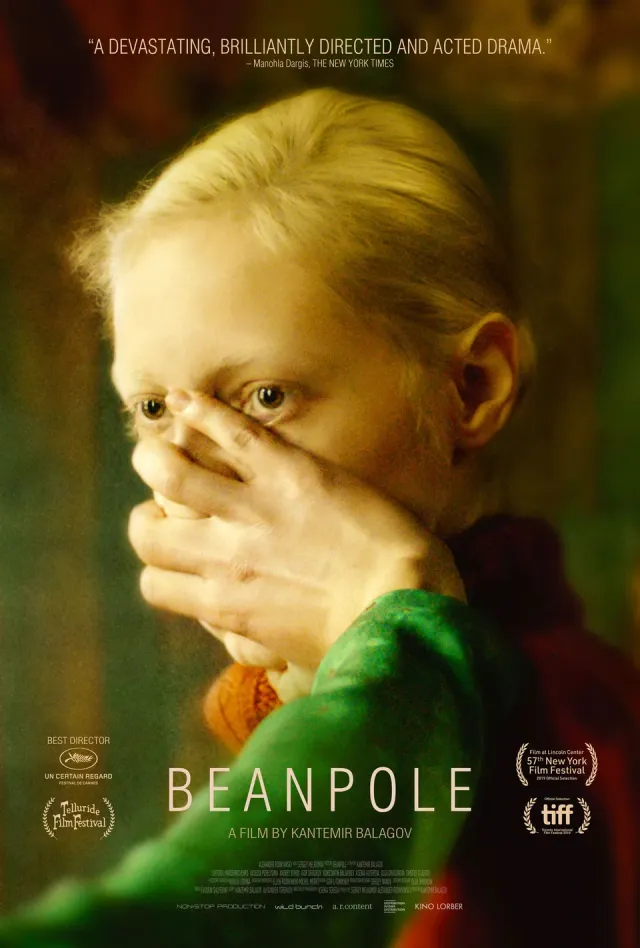
What changes Its own story: Iya and Masha try to rebuild their lives and imagine a family in a city still shaped by war.
In the aftermath of the Second World War, nurse Iya works in a crowded Leningrad hospital while coping with episodes that temporarily immobilize her. Masha returns from the front and resumes a complicated relationship with Iya, whose life has become entangled with the cost of war. As the women try to imagine a future in a damaged city, their bond is shaped by trauma, dependence, desire, and conflicting ideas about motherhood.
Two children attempt to survive material deprivation without dependable adult protection.
Why this matches +
These films share important themes, atmosphere or storytelling interests with this selection.
Genres: Animation / Drama
Shared film traits
Based on recorded story, mood and style. Your preferences can change the order.
War and civilian life
What changes Its own story: Two children attempt to survive material deprivation without dependable adult protection.
A teenage boy and his younger sister lose their mother during wartime bombing and struggle to secure food and shelter. Tensions with relatives lead them to attempt an independent household as deprivation worsens around them. The older child's determination to protect his sister is constrained by pride, limited resources and a society whose ordinary supports have been broken by war.
Clare pursues the soldiers who harmed her, relying on Billy to navigate a dangerous colonial frontier.
Why this matches +
These films share important themes, atmosphere or storytelling interests with this selection.
Genres: Drama / Thriller
Shared film traits
Based on recorded story, mood and style. Your preferences can change the order.
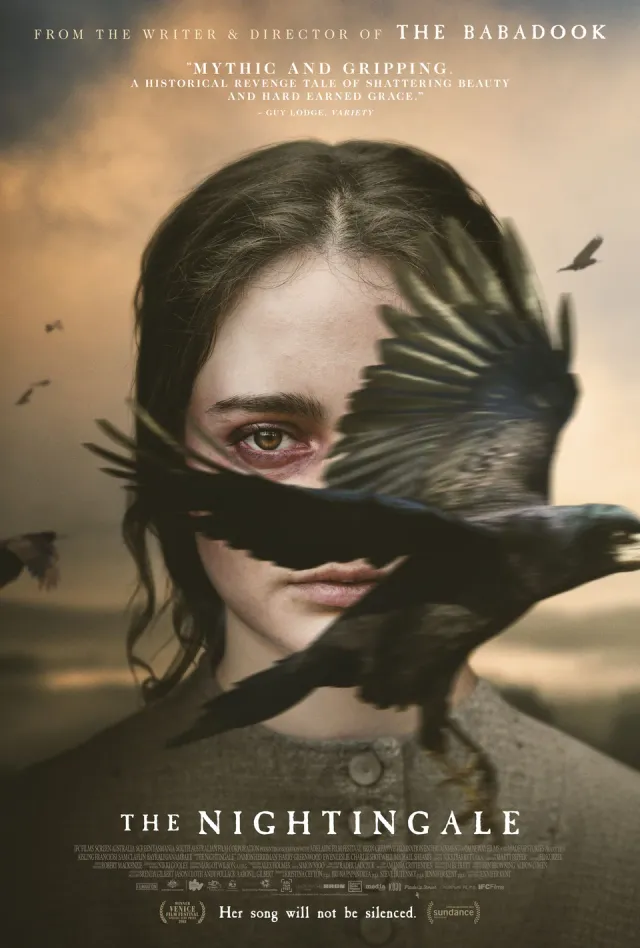
What changes Its own story: Clare pursues the soldiers who harmed her, relying on Billy to navigate a dangerous colonial frontier.
In 1825 colonial Tasmania, Clare is an Irish convict seeking release from service under a British officer whose unit controls her future. When violence destroys what she hoped to build, she sets out after the men responsible and hires Billy, an Aboriginal tracker, to guide her through the wilderness. Their journey becomes an uneasy partnership shaped by grief, colonial power, racial violence, and the different histories each carries.
A search for food turns into a test of conscience when two partisans are captured and forced to choose under pressure.
Why this matches +
These films share important themes, atmosphere or storytelling interests with this selection.
Genres: Drama / War
Shared film traits
Based on recorded story, mood and style. Your preferences can change the order.
War and civilian life
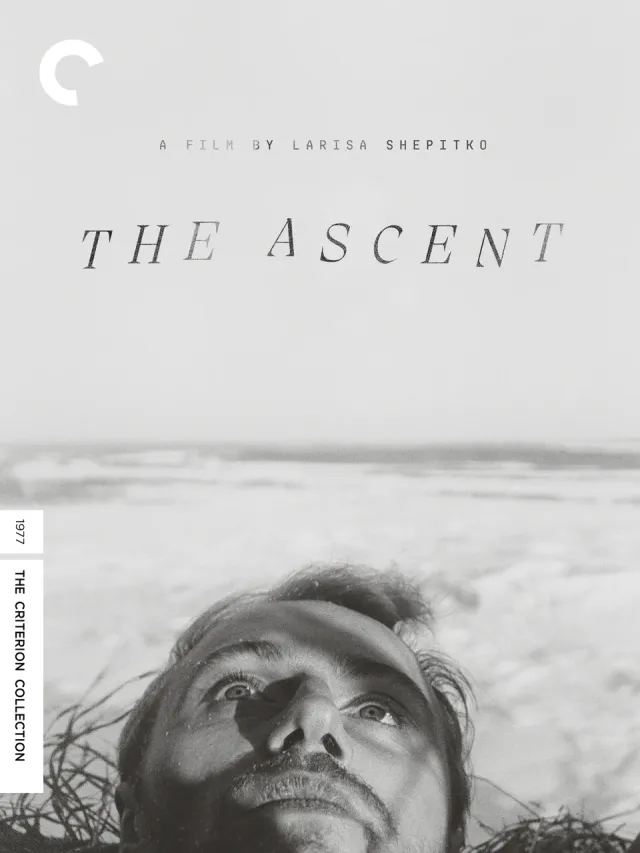
What changes Its own story: A search for food turns into a test of conscience when two partisans are captured and forced to choose under pressure.
During the Second World War, Soviet partisans Sotnikov and Rybak leave their unit to find food for their comrades. A German patrol wounds Sotnikov, and the men seek shelter in a village home before they are discovered and captured with its owner, Demchikha. Under interrogation by a local collaborator, Sotnikov refuses to betray others and endures torture. Rybak faces a different test as fear and the promise of survival press him toward a decision that will define his moral relationship to his companion.
A foreign undertaker becomes responsible for a convent community while war closes around their refuge.
Why this matches +
These films share important themes, atmosphere or storytelling interests with this selection.
Genres: Drama / History
Shared film traits
Based on recorded story, mood and style. Your preferences can change the order.
War and civilian life
What changes Its own story: A foreign undertaker becomes responsible for a convent community while war closes around their refuge.
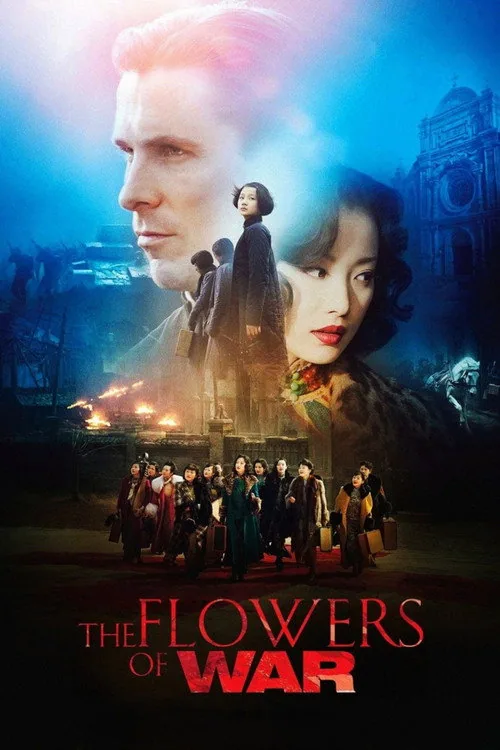
During the 1937 invasion of Nanjing, American mortician John Miller arrives at a Catholic convent to bury its priest. He finds schoolgirls sheltering there and later helps a group of sex workers who seek refuge from Japanese soldiers. As the danger around the church intensifies, Miller tries to protect the people inside and take the girls to safety. The historical drama centers on civilian survival and acts of sacrifice amid wartime violence.
Escalating persecution reduces a musician's social world to unstable shelters and practical survival, with each reprieve exposing dependence on another person's risk or restraint.
Why this matches +
These films share important themes, atmosphere or storytelling interests with this selection.
Genres: Drama / Biography
Shared film traits
Based on recorded story, mood and style. Your preferences can change the order.
War and civilian life
What changes Its own story: Escalating persecution reduces a musician's social world to unstable shelters and practical survival, with each reprieve exposing dependence on another person's risk or restraint.
Polish Jewish musician Władysław Szpilman watches the Nazi occupation of Warsaw progressively strip his family of livelihood, movement and safety. Separated from them during deportation, he survives through forced labour, help from acquaintances and prolonged hiding in a city being destroyed around him. Music remains part of his identity, but endurance depends on contingent aid and temporary shelter rather than the protection professional distinction might once have promised.
The decision to stay with his family in Cambodia separates Pran from Schanberg; the parallel storylines keep their friendship present across years and radically different circumstances.
Why this matches +
These films share important themes, atmosphere or storytelling interests with this selection.
Genres: Drama / Biography
Shared film traits
Based on recorded story, mood and style. Your preferences can change the order.
War and civilian life
What changes Its own story: The decision to stay with his family in Cambodia separates Pran from Schanberg; the parallel storylines keep their friendship present across years and radically different circumstances.
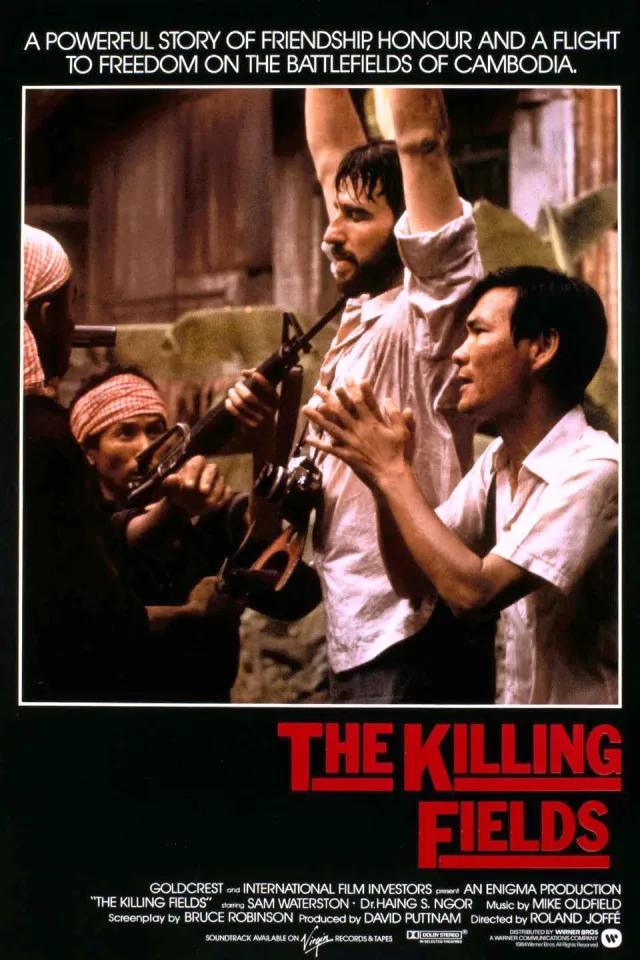
New York Times reporter Sydney Schanberg and Cambodian journalist and interpreter Dith Pran work together as Cambodia’s civil war intensifies. When the Khmer Rouge take Phnom Penh, Schanberg helps Pran’s family leave, but Pran stays and is captured. Schanberg and photographer Al Rockoff struggle to survive the immediate upheaval and later try to secure Pran’s release. The film follows the friends on separate paths: Schanberg returns to the United States carrying guilt over his colleague’s disappearance, while Pran endures forced labor and attempts to escape. Their eventual reunion joins a personal story of loyalty to a depiction of the Khmer Rouge period, which the feature dramatizes rather than comprehensively documents.
The effort to move messages and people through occupied Rome becomes more dangerous as the resistance network is exposed to raids and betrayal.
Why this matches +
These films explore a related idea in a different setting, genre or style.
An adjacent discovery: a related idea with a different viewing experience.
Genres: Drama / War
Shared film traits
Based on recorded story, mood and style. Your preferences can change the order.
War and civilian life
What changes Its own story: The effort to move messages and people through occupied Rome becomes more dangerous as the resistance network is exposed to raids and betrayal.
During the German occupation of Rome, resistance leader Giorgio Manfredi seeks refuge with fellow fighter Francesco and help from Francesco’s pregnant fiancée Pina. Catholic priest Don Pietro agrees to carry money and messages to the partisans. A Nazi raid captures Francesco, and Pina is shot while trying to reach him. The resistance group briefly reunites, but Manfredi’s former lover Marina betrays him and Francesco after being manipulated by a Gestapo agent. Manfredi is tortured and killed, and Don Pietro is executed the next morning as the altar boys watch from nearby.
Aida’s work gives her access to information but not the authority to guarantee safety.
Why this matches +
These films explore a related idea in a different setting, genre or style.
An adjacent discovery: a related idea with a different viewing experience.
Genres: Drama / War
Shared film traits
Based on recorded story, mood and style. Your preferences can change the order.
War and civilian life
What changes Its own story: Aida’s work gives her access to information but not the authority to guarantee safety.
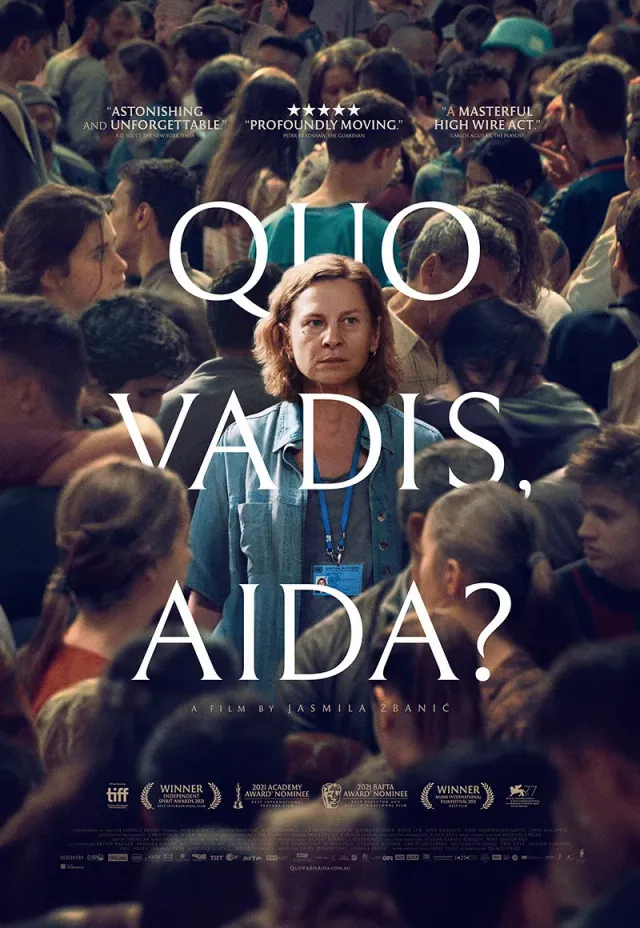
During the 1995 siege of Srebrenica, Aida works as a translator for the UN peacekeeping force while her husband and sons seek safety. She moves between officials, negotiations and the crowd outside the base, trying to use her access to protect her family as the crisis worsens. Jasmila Žbanić keeps the story close to Aida’s limited knowledge, making translation and bureaucratic procedure part of a harrowing drama about civilian survival and institutional failure.
Twins follow their mother's final instructions into a past marked by war and concealed family history.
Why this matches +
These films explore a related idea in a different setting, genre or style.
An adjacent discovery: a related idea with a different viewing experience.
Genres: Drama / Mystery
Shared film traits
Based on recorded story, mood and style. Your preferences can change the order.
War and civilian life
What changes Its own story: Twins follow their mother's final instructions into a past marked by war and concealed family history.
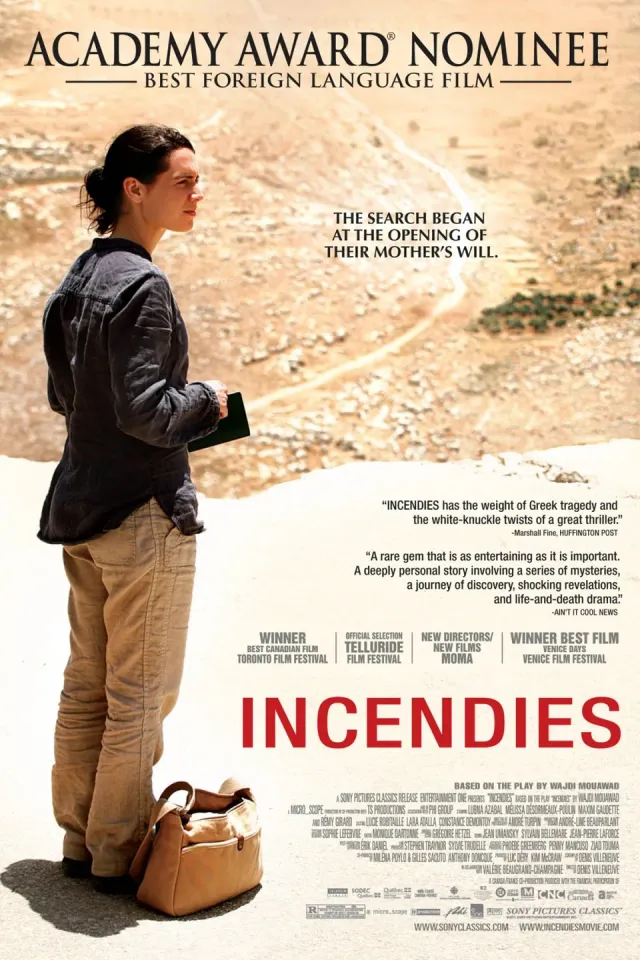
After their mother's death, twins Jeanne and Simon receive instructions from her will to find a father they thought was dead and a brother they never knew existed. Jeanne follows the clues to their mother's past in a country scarred by civil war, while the film gradually reconstructs the choices and violence that shaped the family. Denis Villeneuve's drama interweaves a present-day investigation with wartime history, making memory and inheritance difficult to separate.
The war repeatedly removes the people and places Veronika relies on; her waiting becomes a private struggle against both bereavement and the family's judgment.
Why this matches +
These films explore a related idea in a different setting, genre or style.
An adjacent discovery: a related idea with a different viewing experience.
Genres: Drama / Romance
Shared film traits
Based on recorded story, mood and style. Your preferences can change the order.
War and civilian life
What changes Its own story: The war repeatedly removes the people and places Veronika relies on; her waiting becomes a private struggle against both bereavement and the family's judgment.
As Germany invades the Soviet Union, Veronika and Boris are separated when he volunteers for the army. A bombing kills Veronika's parents, and she moves in with Boris's family while waiting for him to return. His cousin Mark exploits her isolation and rapes her; the family later treats her as if she chose betrayal. At the front, Boris is sent on a dangerous mission and dies before he can come home. The film follows Veronika through grief, blame and wartime survival toward the moment when she can acknowledge the soldiers who will not return.
A stolen work tool turns an ordinary first day into a search whose failure threatens a family's fragile income and the father's self-respect.
Why this matches +
These films explore a related idea in a different setting, genre or style.
An adjacent discovery: a related idea with a different viewing experience.
Genres: Drama / Art
Shared film traits
Based on recorded story, mood and style. Your preferences can change the order.
What changes Its own story: A stolen work tool turns an ordinary first day into a search whose failure threatens a family's fragile income and the father's self-respect.
A father in postwar Rome finally obtains work that depends on owning a bicycle, only to have it stolen at the beginning of the job. Searching the city with his young son reveals how little protection formal authority and community can offer against material desperation. Each failed lead narrows his options, exposing the pressure poverty places on the identity he hopes to maintain in front of a child who still depends on him.
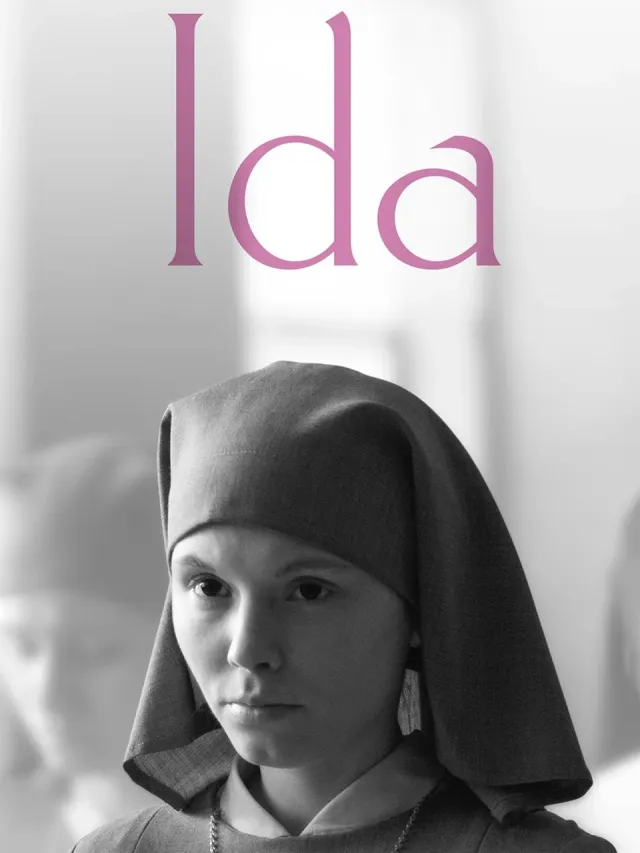
A pre-vow family visit becomes a search for concealed wartime deaths, unsettling two women’s different ways of living with history and choosing a future. Wanda’s investigation and Ida’s vocation meet at family graves but lead to different future choices.
Why this matches +
These films explore a related idea in a different setting, genre or style.
An adjacent discovery: a related idea with a different viewing experience.
Genres: Drama
Shared film traits
Based on recorded story, mood and style. Your preferences can change the order.
What changes Its own story: A pre-vow family visit becomes a search for concealed wartime deaths, unsettling two women’s different ways of living with history and choosing a future. Wanda’s investigation and Ida’s vocation meet at family graves but lead to different future choices.
Before taking religious vows, novice Anna visits her only surviving relative, Wanda, and learns that she was born Jewish and given a different name. Their journey to locate the remains of family members killed during the occupation leads to difficult questions about local violence, survival and what can be recovered from silence. Wanda’s political past and grief shape one response; Ida’s quiet discipline and uncertainty shape another. Their discoveries do not produce a simple replacement identity or a single verdict on Poland. The film’s black-and-white, nearly square compositions make its sparse spaces and withheld information part of the historical tension, not merely an elegant style.
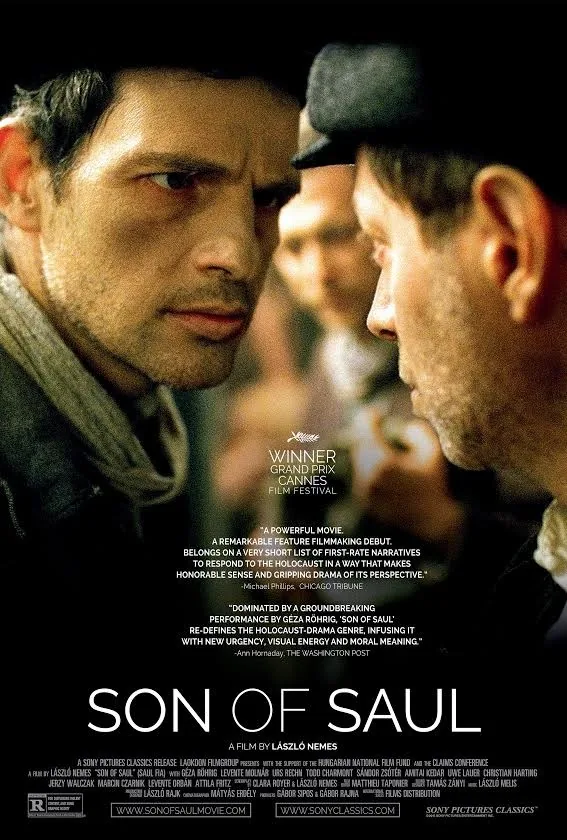
Saul’s burial mission is a small, concrete act of care inside a system designed to erase both personhood and mourning.
Why this matches +
These films explore a related idea in a different setting, genre or style.
An adjacent discovery: a related idea with a different viewing experience.
Genres: Historical drama / war drama
Shared film traits
Based on recorded story, mood and style. Your preferences can change the order.
War and civilian life
What changes Its own story: Saul’s burial mission is a small, concrete act of care inside a system designed to erase both personhood and mourning.
In Auschwitz in 1944, Sonderkommando prisoner Saul finds a boy still alive after a gassing and becomes fixated on securing a proper burial before the body is taken for autopsy and cremation. His search for a rabbi and ritual unfolds while fellow prisoners plan an uprising and try to document the camp’s atrocities. Saul offers help to the resistance, but his pursuit of a private act of dignity repeatedly interferes with their larger plan. The film keeps the violence at the edges of the frame, following his narrow field of attention through an almost unbearable environment.
Criminalization and the pregnancy's concealed stage give the provider leverage to demand sex rather than accept payment, turning practical help into an ordeal that the helping friend must manage herself.
Why this matches +
These films explore a related idea in a different setting, genre or style.
An adjacent discovery: a related idea with a different viewing experience.
Genres: Drama
Shared film traits
Based on recorded story, mood and style. Your preferences can change the order.
What changes Its own story: Criminalization and the pregnancy's concealed stage give the provider leverage to demand sex rather than accept payment, turning practical help into an ordeal that the helping friend must manage herself.
In late communist Romania, Otilia helps her roommate arrange an illegal abortion while carrying most of the work of finding money, a room and a provider. Inaccurate information narrows their options, allowing the man they depend on to impose increasingly coercive terms. Moving between the hotel, public transport and an ordinary family dinner, Otilia must absorb a private emergency that the surrounding social world either exploits or barely notices, straining solidarity without making abandonment an easy choice.
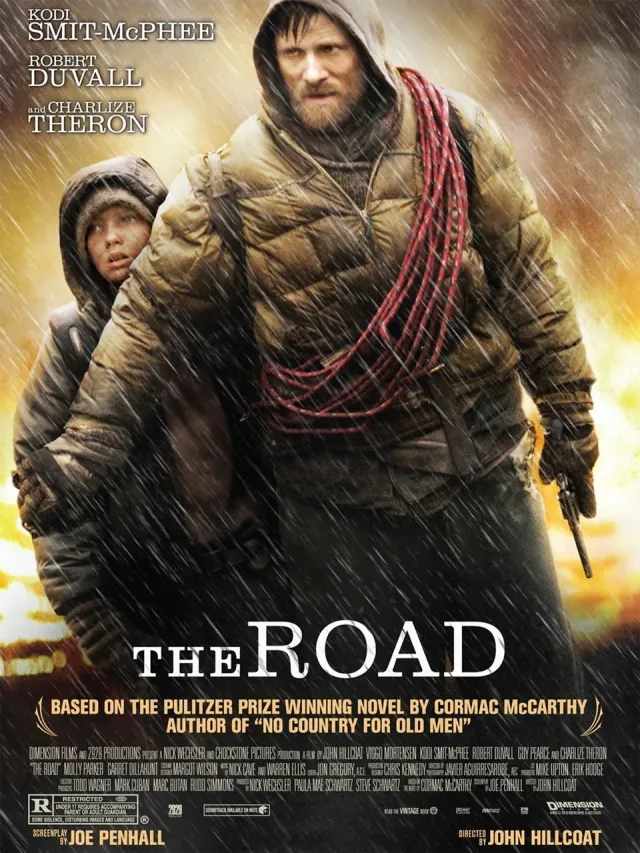
The southbound journey is less a promise of rescue than a repeated effort to keep the child alive through another day.
Why this matches +
These films explore a related idea in a different setting, genre or style.
An adjacent discovery: a related idea with a different viewing experience.
Genres: Drama / Science fiction
Shared film traits
Based on recorded story, mood and style. Your preferences can change the order.
What changes Its own story: The southbound journey is less a promise of rescue than a repeated effort to keep the child alive through another day.
After an unspecified catastrophe leaves the landscape barren, a father and his young son travel south in search of safety. They must ration supplies, avoid dangerous strangers and preserve their bond in a world where ordinary social rules have collapsed. The adaptation is a stark survival drama about parental care, moral compromise and the effort to pass on hope without certainty.
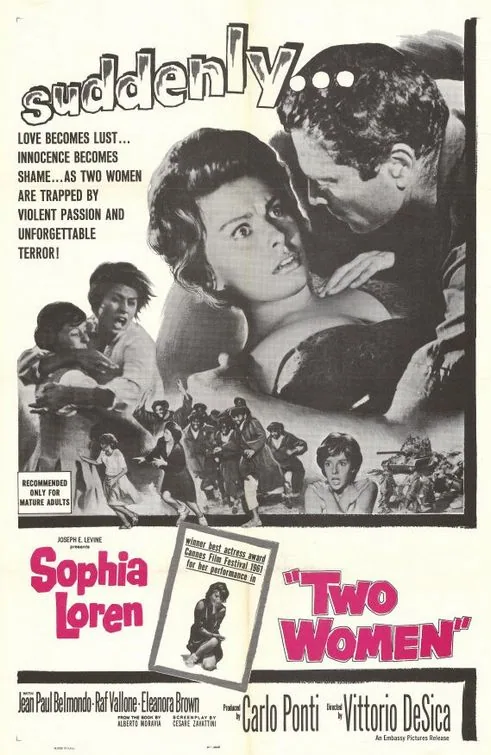
During the Allied bombing of Rome in 1943, widowed Cesira takes her thirteen-year-old daughter Rosetta toward the countryside she remembers as safer. They find temporary shelter and form a connection with Michele, an idealistic student whose opposition to fascism complicates his own safety. As the front shifts and mother and daughter begin the journey back, an assault by soldiers shatters Rosetta’s trust and changes their bond. The film draws on the historical memory of the 1944 mass rapes in central Italy, often called the Marocchinate, but remains a dramatization rather than a full account of that history. Cesira’s care cannot undo the harm, and survival is not a clean return to normal.
What drives the story
A search for refuge from wartime bombing becomes a journey through the limits of a mother’s protection and the aftermath of sexual violence.
The people at its centre
Cesira and Rosetta begin as close companions, but trauma isolates the daughter and leaves the mother trying to reach her without simple words.
What it feels like
De Sica’s attention to roads, villages and ordinary faces grounds the drama in civilian experience rather than battlefield spectacle.
Worth knowing
For viewers prepared for a severe war drama about a mother and daughter enduring displacement and sexual violence. The film evokes the 1944 Marocchinate but is not a comprehensive history; it requires care around assault and trauma.
motherhoodwartrauma
Mood
tender · devastating · reflective
Pacing
slow build · abrupt rupture · quiet aftermath
Visual style
neorealist landscapes · intimate performances
Storytelling
flight from bombing · mother-daughter bond · trauma aftermath