A search for food turns into a test of conscience when two partisans are captured and forced to choose under pressure.
Why this matches +
Selected for the central appeal: Wartime resistance dramas about occupation, betrayal and the cost borne by civilians.
Genres: Drama / War
Shared film traits
Based on recorded story, mood and style. Your preferences can change the order.
War and civilian life · Political resistance
What changes The Ascent follows resistance fighters whose captivity tests loyalty and survival under occupation.
During the Second World War, Soviet partisans Sotnikov and Rybak leave their unit to find food for their comrades. A German patrol wounds Sotnikov, and the men seek shelter in a village home before they are discovered and captured with its owner, Demchikha. Under interrogation by a local collaborator, Sotnikov refuses to betray others and endures torture. Rybak faces a different test as fear and the promise of survival press him toward a decision that will define his moral relationship to his companion.
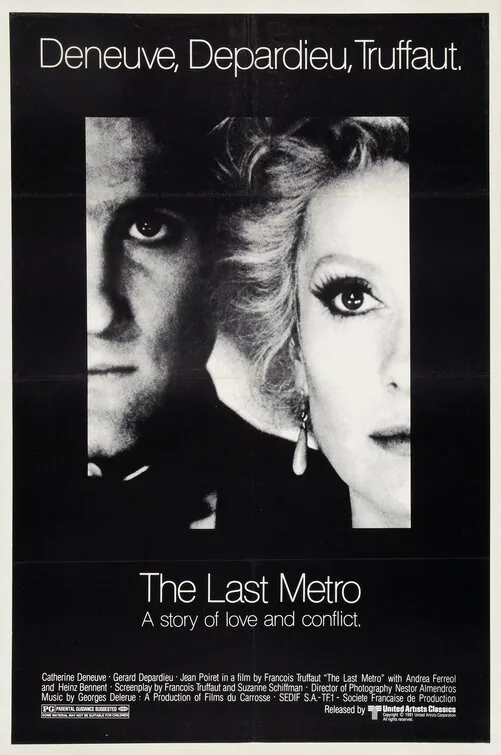
Marion conceals her husband while keeping a theater functioning under German occupation.
Why this matches +
Selected for the central appeal: Wartime resistance dramas about occupation, betrayal and the cost borne by civilians.
Genres: Drama / War
Shared film traits
Based on recorded story, mood and style. Your preferences can change the order.
War and civilian life · Political resistance
What changes The Last Metro follows people concealing and resisting persecution in occupied Europe.
In occupied Paris, actress and theater director Marion Steiner keeps her theater running while secretly sheltering her Jewish husband Lucas in the building's cellar. She presents herself publicly as the company's sole leader, even as a new actor and the German occupation reshape the troupe's daily life. Rehearsals and performances become a fragile cover for survival, forcing Marion to navigate censorship, collaboration, and the emotional strain of living under constant threat.
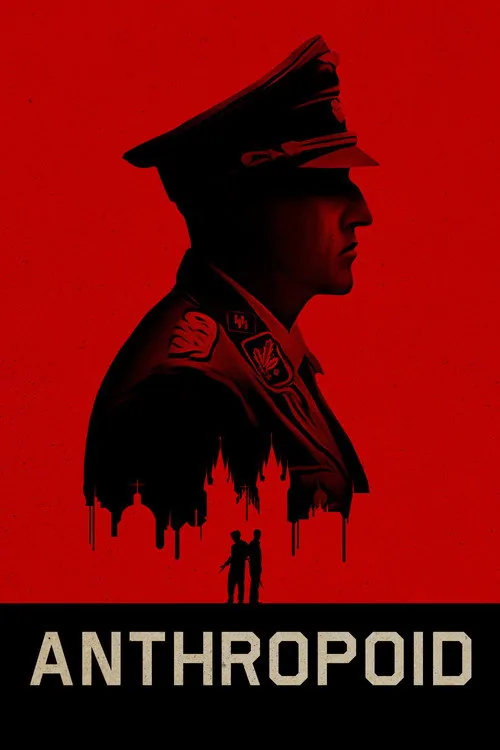
Two Czechoslovak agents organize an assassination mission against Heydrich while hiding among a threatened resistance network.
Why this matches +
These offer a related experience with a meaningful difference in story, tone, or presentation.
An adjacent discovery: a related idea with a different viewing experience.
Genres: War / Drama
Shared film traits
Based on recorded story, mood and style. Your preferences can change the order.
War and civilian life · Political resistance
What changes Anthropoid follows resistance fighters whose mission against a Nazi official exposes them and their supporters to danger.
In 1941, Czechoslovak soldiers Jozef Gabčík and Jan Kubiš parachute into occupied Bohemia to join the resistance and prepare the assassination of Nazi official Reinhard Heydrich. They find shelter and support among civilians in Prague, but carrying out the mission could bring brutal retaliation against the people protecting them. Sean Ellis's war drama follows the operatives through planning, uncertainty, and the aftermath of the attack, focusing on the human cost of resistance under occupation.
A search for refuge from wartime bombing becomes a journey through the limits of a mother’s protection and the aftermath of sexual violence.
Why this matches +
These offer a related experience with a meaningful difference in story, tone, or presentation.
An adjacent discovery: a related idea with a different viewing experience.
Genres: Drama / War
Shared film traits
Based on recorded story, mood and style. Your preferences can change the order.
War and civilian life
What changes Two Women follows civilians struggling to survive wartime violence in Italy.
During the Allied bombing of Rome in 1943, widowed Cesira takes her thirteen-year-old daughter Rosetta toward the countryside she remembers as safer. They find temporary shelter and form a connection with Michele, an idealistic student whose opposition to fascism complicates his own safety. As the front shifts and mother and daughter begin the journey back, an assault by soldiers shatters Rosetta’s trust and changes their bond. The film draws on the historical memory of the 1944 mass rapes in central Italy, often called the Marocchinate, but remains a dramatization rather than a full account of that history. Cesira’s care cannot undo the harm, and survival is not a clean return to normal.
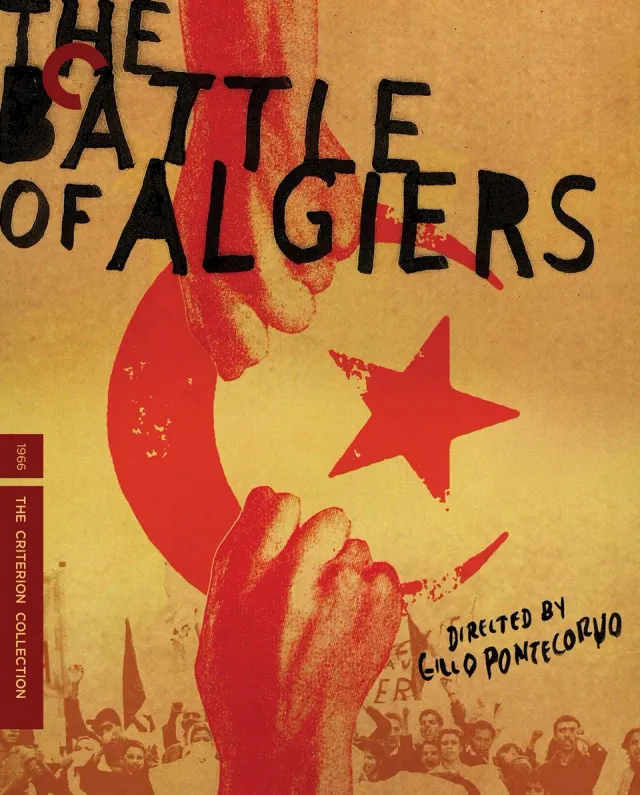
The story moves from cell-level resistance to counterinsurgency, showing how tactical victories fail to settle the political question of Algerian independence.
Why this matches +
These offer a related experience with a meaningful difference in story, tone, or presentation.
An adjacent discovery: a related idea with a different viewing experience.
Genres: Drama / Historical
Shared film traits
Based on recorded story, mood and style. Your preferences can change the order.
War and civilian life · Political resistance
What changes The Battle of Algiers portrays an occupied city through intertwined resistance, repression and civilian consequences.
Beginning with French forces closing in on Ali la Pointe, the film flashes back to the growth of the National Liberation Front in the Casbah between 1954 and 1957. It follows urban resistance cells and the French paratroopers sent to dismantle them, showing both insurgent attacks and the military campaign of arrests and torture. The struggle escalates through bombings, reprisals and the destruction of FLN leadership, but nationalist demonstrations continue after the immediate battle is lost. The film frames the city as a contested political space and connects tactical victories to a wider movement for independence.
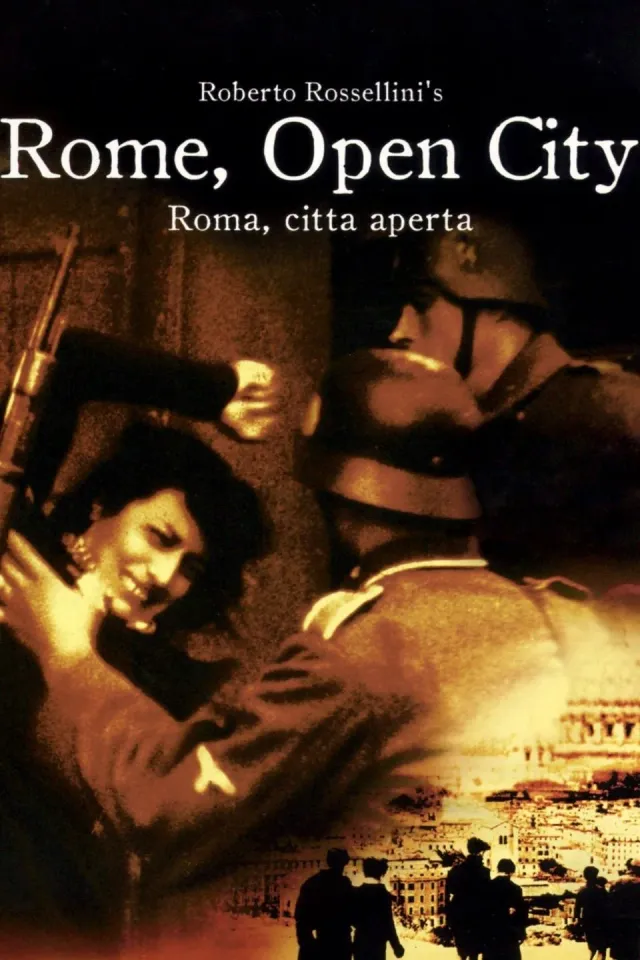
During the German occupation of Rome, resistance leader Giorgio Manfredi seeks refuge with fellow fighter Francesco and help from Francesco’s pregnant fiancée Pina. Catholic priest Don Pietro agrees to carry money and messages to the partisans. A Nazi raid captures Francesco, and Pina is shot while trying to reach him. The resistance group briefly reunites, but Manfredi’s former lover Marina betrays him and Francesco after being manipulated by a Gestapo agent. Manfredi is tortured and killed, and Don Pietro is executed the next morning as the altar boys watch from nearby.
What drives the story
The effort to move messages and people through occupied Rome becomes more dangerous as the resistance network is exposed to raids and betrayal.
The people at its centre
Pina’s family loyalty and Don Pietro’s religious convictions meet in a shared defense of the resistance, while Marina’s vulnerability is exploited by the occupiers.
What it feels like
The film’s location-based streets and direct performances create a stark, immediate wartime texture.
Worth knowing
It is a postwar dramatization of resistance under occupation, not a comprehensive record of every group or experience in Rome.