Both centre on witnessing under siege and political resistance.
Why this matches +
Genres: Drama / War
Shared film traits
Based on recorded story, mood and style. Your preferences can change the order.
War and civilian life · Political resistance
What changes Son of Saul: continuous and urgent. Rome, Open City: episodic, direct and tragic.
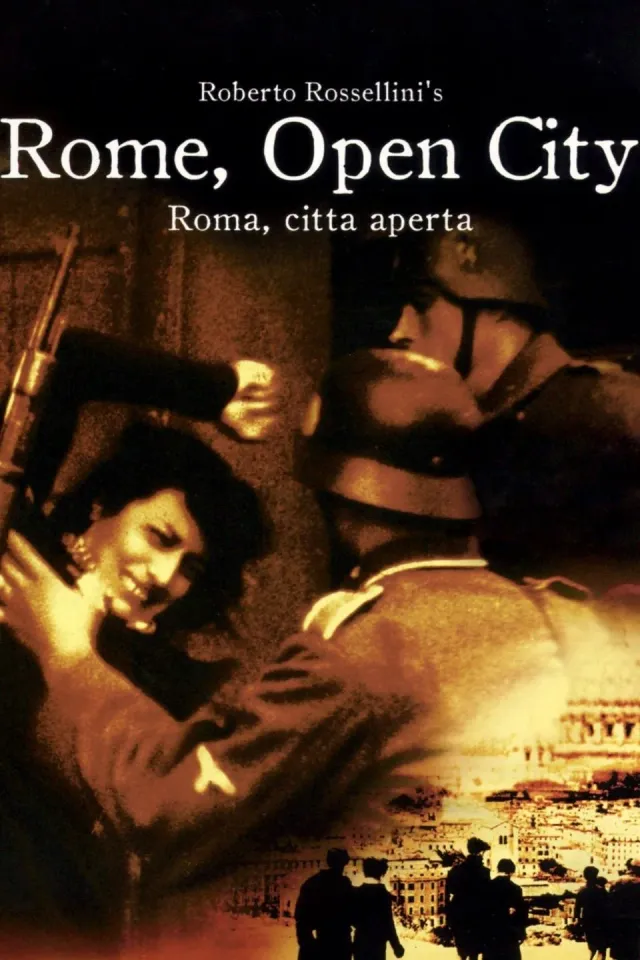
During the German occupation of Rome, resistance leader Giorgio Manfredi seeks refuge with fellow fighter Francesco and help from Francesco’s pregnant fiancée Pina. Catholic priest Don Pietro agrees to carry money and messages to the partisans. A Nazi raid captures Francesco, and Pina is shot while trying to reach him. The resistance group briefly reunites, but Manfredi’s former lover Marina betrays him and Francesco after being manipulated by a Gestapo agent. Manfredi is tortured and killed, and Don Pietro is executed the next morning as the altar boys watch from nearby.
Based on recorded story, mood and style. Your preferences can change the order.
What changes Son of Saul: continuous and urgent. Monster's Ball: slow-burning and restrained.
A prison guard’s work in the execution chamber shapes his rigid outlook and family life. After a death in his household, he meets a woman whose grief draws them into an uneasy relationship. This drama examines racism, responsibility and loneliness through people connected by violence who try to move toward each other without erasing the harm behind them.
Based on recorded story, mood and style. Your preferences can change the order.
War and civilian life
What changes Son of Saul: continuous and urgent. Unbroken: long-form and survival-driven.
Louis Zamperini begins as a mischievous boy and becomes an Olympic runner before serving as a bombardier in the Second World War. After surviving the crash of his aircraft over the Pacific, he and two crewmen drift at sea and are eventually captured by Japanese forces. The film follows repeated tests of endurance, connecting athletic discipline with the struggle to preserve dignity during imprisonment and wartime abuse.
Based on recorded story, mood and style. Your preferences can change the order.
War and civilian life · Political resistance
What changes Son of Saul: continuous and urgent. Silence: patient and severe.
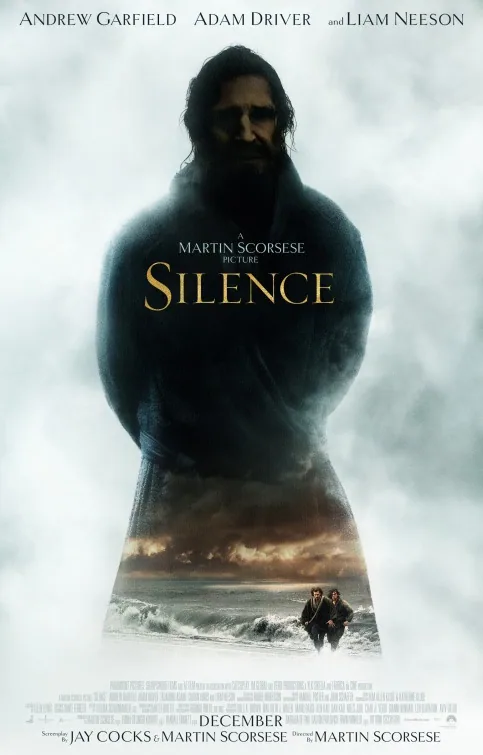
In the seventeenth century, Jesuit priests Rodrigues and Garupe travel to Japan after hearing that their mentor Ferreira has renounced Christianity. They rely on Kichijiro, a fisherman who repeatedly professes and abandons the faith under pressure. The priests find secret Christian communities, but authorities force villagers to choose between public apostasy and brutal punishment. Separated from Garupe and imprisoned, Rodrigues must confront what belief means when his own presence exposes others to suffering. The search for Ferreira becomes a moral test rather than a simple rescue mission.
Based on recorded story, mood and style. Your preferences can change the order.
War and civilian life
What changes Son of Saul: continuous and urgent. Letters from Iwo Jima: nonlinear and measured.
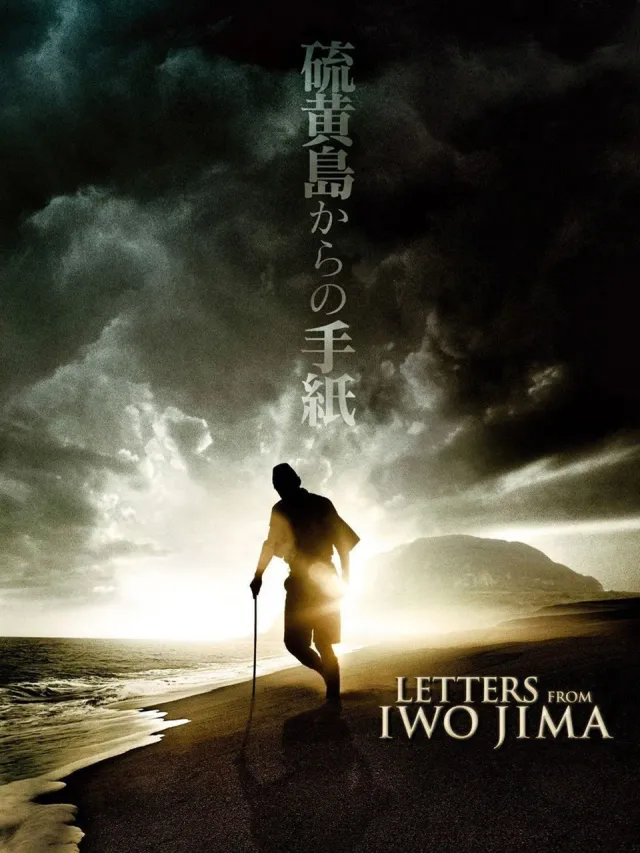
As U.S. forces approach Iwo Jima in 1945, Japanese soldiers prepare to defend an island they know they may not survive. Letters and flashbacks follow General Kuribayashi, Saigo the baker and other men whose motives range from duty and fear to attachment to families at home. Their human individuality complicates the language of national honor without making the film a full account of the Pacific War or Japanese imperial responsibility. Clint Eastwood’s Japanese-language companion to Flags of Our Fathers focuses on one selected military perspective; it does not stand for every Japanese soldier or civilian. The battle’s underground tunnels and fragmented correspondence turn defense into an intimate, enclosed ordeal, while the historical context remains larger than the film’s sympathetic frame.
Both centre on witnessing under siege and political resistance.
Why this matches +
Genres: Drama / Historical
Shared film traits
Based on recorded story, mood and style. Your preferences can change the order.
War and civilian life · Political resistance
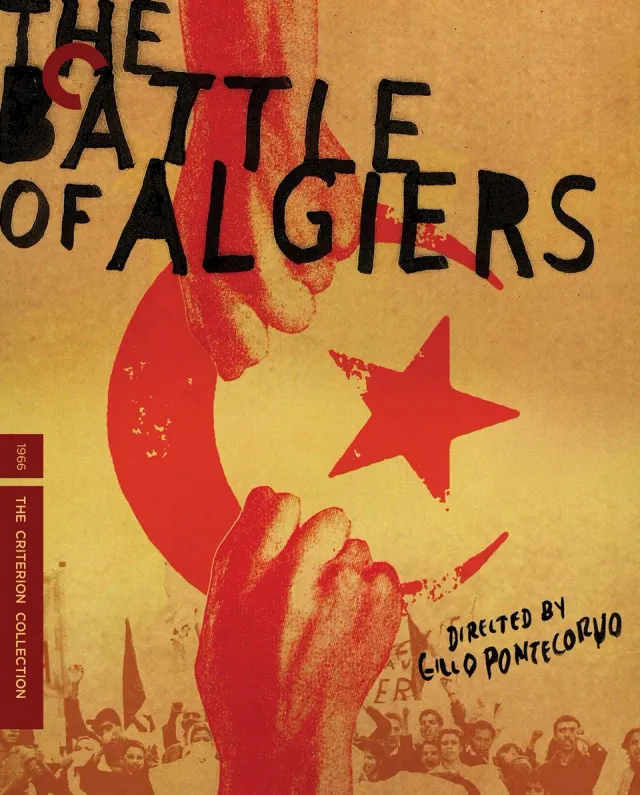
What changes Son of Saul: continuous and urgent. The Battle of Algiers: chronological campaign and escalating reprisals.
Beginning with French forces closing in on Ali la Pointe, the film flashes back to the growth of the National Liberation Front in the Casbah between 1954 and 1957. It follows urban resistance cells and the French paratroopers sent to dismantle them, showing both insurgent attacks and the military campaign of arrests and torture. The struggle escalates through bombings, reprisals and the destruction of FLN leadership, but nationalist demonstrations continue after the immediate battle is lost. The film frames the city as a contested political space and connects tactical victories to a wider movement for independence.
Based on recorded story, mood and style. Your preferences can change the order.
War and civilian life · Political resistance
What changes Son of Saul: continuous and urgent. Timbuktu: episodic and measured.
In and around Timbuktu, an extremist group imposes rigid rules on residents, controlling dress, music and public behavior. A herdsman’s family becomes caught in a conflict after an accidental death, while the city’s musicians, children and neighbors respond to life under occupation. Abderrahmane Sissako contrasts intimate domestic routines with the group’s authoritarian power, creating a restrained drama about dignity, faith, absurdity and the impact of political violence on ordinary people.
Based on recorded story, mood and style. Your preferences can change the order.
Political resistance
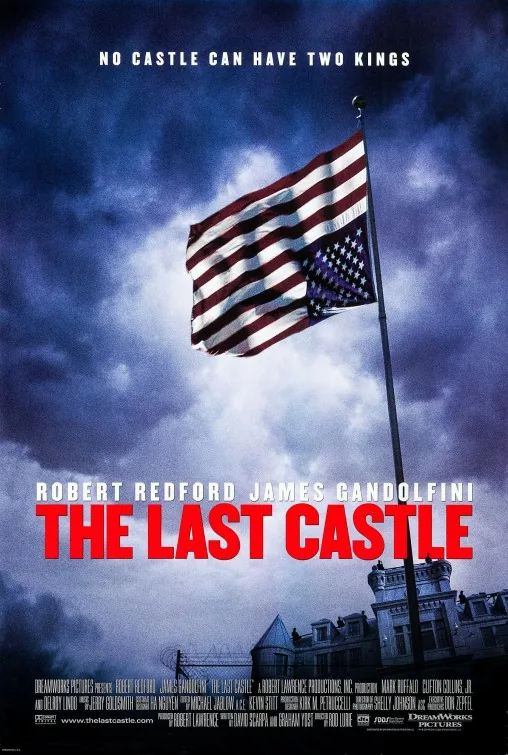
What changes Son of Saul: continuous and urgent. The Last Castle: measured and escalating.
A decorated general is sent to a military prison after a court-martial and clashes with the commandant over the treatment of the inmates. What begins as a dispute over authority develops into an organized challenge to the prison's abusive system, drawing former soldiers into a difficult test of discipline and solidarity. The film frames rebellion as a conflict between rank and moral leadership, with the prison's structure turning every act of resistance into a public choice.
Based on recorded story, mood and style. Your preferences can change the order.
War and civilian life
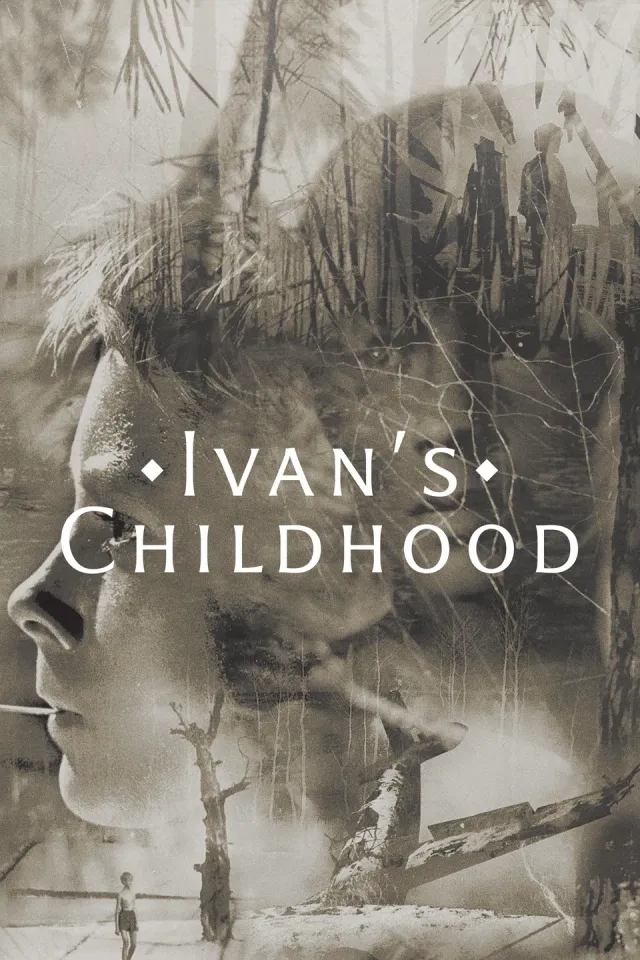
What changes Son of Saul: continuous and urgent. Ivan's Childhood: nonlinear and measured.
A boy whose family has been destroyed by war crosses dangerous territory to report intelligence to Soviet soldiers. Officers attempt to redirect him toward safety, but revenge and the disappearance of ordinary childhood make another life difficult for him to imagine. Dreams interrupt the military present with tactile images of affection and freedom. The film places a child's usefulness to war beside what that usefulness cannot restore, refusing to let competence in danger stand as proof that his damaged world has become acceptable.
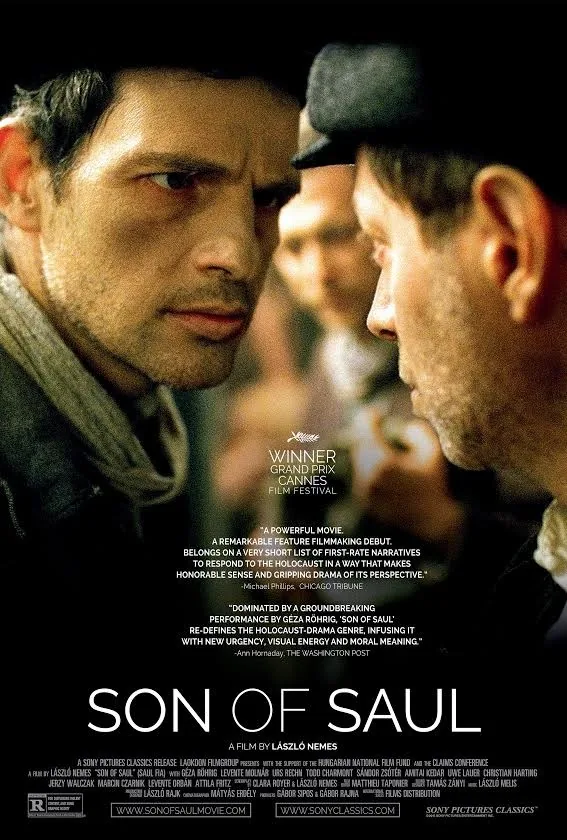
In Auschwitz in 1944, Sonderkommando prisoner Saul finds a boy still alive after a gassing and becomes fixated on securing a proper burial before the body is taken for autopsy and cremation. His search for a rabbi and ritual unfolds while fellow prisoners plan an uprising and try to document the camp’s atrocities. Saul offers help to the resistance, but his pursuit of a private act of dignity repeatedly interferes with their larger plan. The film keeps the violence at the edges of the frame, following his narrow field of attention through an almost unbearable environment.
What drives the story
Saul’s burial mission is a small, concrete act of care inside a system designed to erase both personhood and mourning.
The people at its centre
His obsession is neither a clean heroic choice nor a simple distraction; it gives him purpose while placing the prisoners’ fragile plans at risk.
What it feels like
Close following shots and shallow focus restrict the viewer to Saul’s immediate task, leaving much of the camp’s horror in sound and blurred surroundings.
Worth knowing
A profound but exceptionally severe fit for Holocaust dramas about survival, witnessing and human dignity; it contains sustained atrocity and should not be treated as a conventional war thriller.
Dignitymortalitywitnessing
Mood
Severe · suffocating · intent
Pacing
Continuous · urgent
Visual style
Shallow focus · close following shot · off-screen horror