A teenage affair resurfaces in a war-crimes trial, forcing Michael to reconcile private memory with Hanna's public culpability and concealed shame.
Why this matches +
These offer a related experience with a meaningful difference in story, tone, or presentation.
An adjacent discovery: a related idea with a different viewing experience.
Genres: Drama / Romance
Shared film traits
Based on recorded story, mood and style. Your preferences can change the order.
What changes An intimate relationship is complicated by guilt and a hidden connection to institutional violence; a postwar German drama.
In 1958, fifteen-year-old Michael Berg begins a secret relationship with Hanna Schmitz, an older tram conductor who asks him to read aloud to her. Hanna disappears without explanation; years later, Michael sees her among former Nazi camp guards on trial for the deaths of prisoners during a death march. As a law student observing the proceedings, he recognizes details from their relationship and learns that shame about illiteracy is shaping how Hanna responds to the court. The revelation complicates Michael's memory of the affair without erasing the power imbalance or Hanna's crimes. He later records books for her in prison, but the connection remains defined by what he cannot say. The film links intimacy, literacy and postwar responsibility through one man's long, conflicted recollection.
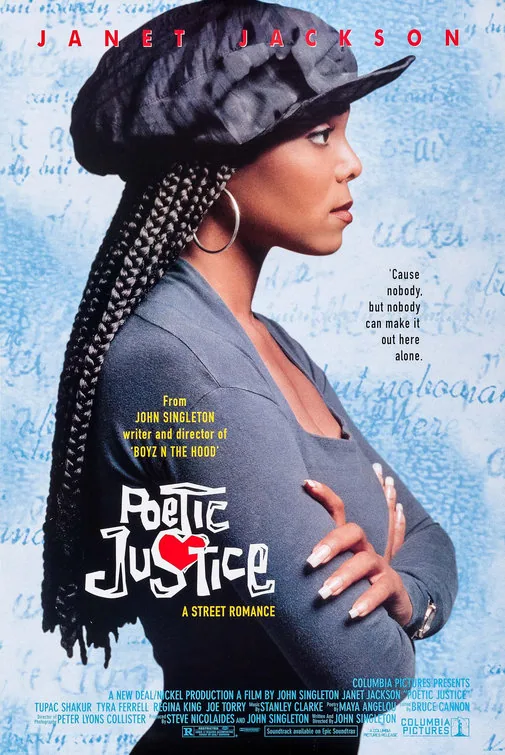
The journey keeps Justice and Lucky in one another’s company long enough for their differences to become conversation.
Why this matches +
These offer a related experience with a meaningful difference in story, tone, or presentation.
An adjacent discovery: a related idea with a different viewing experience.
Genres: Drama / Romance
Shared film traits
Based on recorded story, mood and style. Your preferences can change the order.
What changes People carrying grief and experiences of violence develop an uneasy connection while confronting racial and social realities; a road romance.
Justice, a young poet grieving her boyfriend’s murder, works at a beauty salon in South Central Los Angeles and keeps to herself. Postal worker Lucky tries to get to know her, but she initially resists his advances and guarded humor. A trip north with Justice’s friend Iesha and Lucky’s cousin Chicago puts the two on the road together, where conversations, poetry and shared frustrations gradually soften their distrust. Their journey draws attention to grief, work, friendship and the everyday pressures shaping Black life in Los Angeles, while Justice finds space to speak about what she has lost and what she may want next.
A carefully ordered household reveals how social respectability can conceal pain and constrain honest connection.
Why this matches +
These offer a related experience with a meaningful difference in story, tone, or presentation.
An adjacent discovery: a related idea with a different viewing experience.
Genres: Drama / Romance
Shared film traits
Based on recorded story, mood and style. Your preferences can change the order.
What changes A relationship across racial boundaries exposes deeply rooted prejudice and social harm; a 1950s suburban melodrama.
In 1950s Connecticut, a suburban wife discovers that her polished marriage conceals a truth her community is unwilling to accept, while she forms a connection that crosses the era’s racial boundaries. Her husband and their children also face the consequences of a rigid social order. The film uses period melodrama and carefully controlled style to examine desire, respectability and the limits imposed on private life.
The day’s ordinary encounters shift the professor’s attention without neatly resolving the loss he carries.
Why this matches +
These offer a related experience with a meaningful difference in story, tone, or presentation.
An adjacent discovery: a related idea with a different viewing experience.
Genres: Drama / LGBTQ-related
Shared film traits
Based on recorded story, mood and style. Your preferences can change the order.
What changes A grieving, isolated person struggles to reconnect with others after a profound loss; a gay professor in 1960s Los Angeles.
In 1960s Los Angeles, a British professor is grieving the sudden death of his partner and tries to move through one day while deciding whether he can continue living alone. Encounters with a friend, a student and strangers alter the emotional texture of that day without undoing his loss. The film turns clothing, color and routine into close expressions of grief, loneliness and the fragile possibility of renewed attention.
A long imprisonment becomes a struggle to preserve agency and hope inside a system that profits from dependency.
Why this matches +
These offer a related experience with a meaningful difference in story, tone, or presentation.
An adjacent discovery: a related idea with a different viewing experience.
Genres: Drama
Shared film traits
Based on recorded story, mood and style. Your preferences can change the order.
What changes Prison life, punishment and institutional power shape relationships and moral choices; a prison friendship rather than a romance.
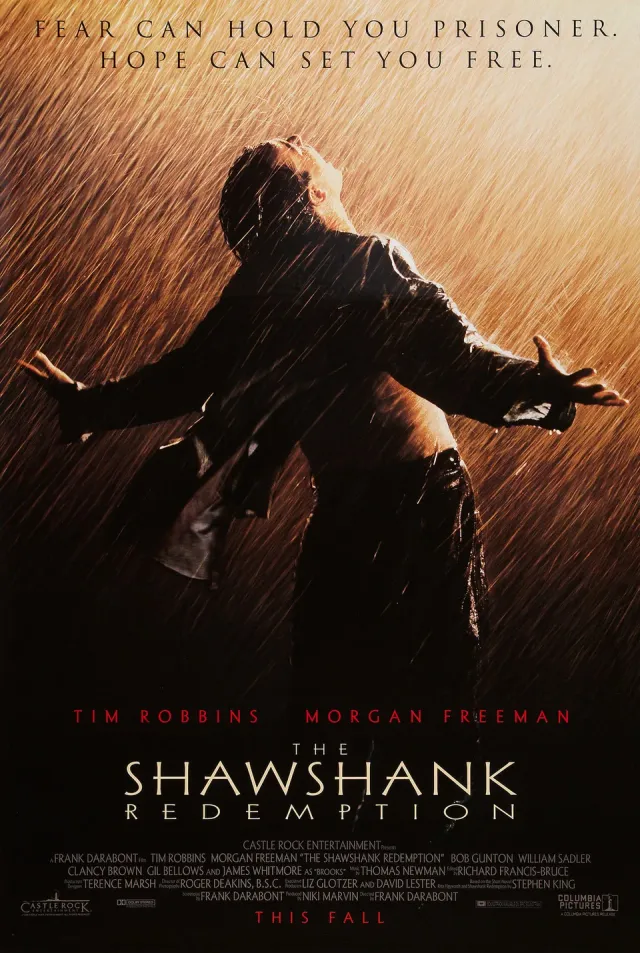
A banker convicted of murdering his wife enters a prison where brutality and institutional self-interest organise ordinary life. Friendship with an experienced inmate and the usefulness of his financial skills create limited space for work, learning and private hope. Years of adaptation expose different meanings of freedom, as the practical advantages that keep him alive also bind him more closely to people invested in maintaining his confinement.
A prison guard’s work in the execution chamber shapes his rigid outlook and family life. After a death in his household, he meets a woman whose grief draws them into an uneasy relationship. This drama examines racism, responsibility and loneliness through people connected by violence who try to move toward each other without erasing the harm behind them.
What drives the story
execution work and personal loss shaping a new relationship. This pressure determines what the protagonist must do next and which risks become unavoidable.
The people at its centre
two adults carrying grief and social wounds. Their changing trust and obligations shape the choices each person can make.
What it feels like
restrained scenes and spare dialogue. This creates the film’s distinctive rhythm, tone and sense of pressure.
Worth knowing
mature treatment of racism and execution, not a gentle romance