The treaty puts the mission’s survival at stake; the clergy and community must decide how to respond before Portuguese forces arrive.
Why this matches +
Selected for the central appeal: Spiritual dramas about persecution, conscience and the moral cost of sustaining faith under coercion.
Genres: Drama / Historical
Shared film traits
Based on recorded story, mood and style. Your preferences can change the order.
Political resistance
What changes The Mission follows Jesuit missionaries and a threatened community facing colonial violence and conflicting responses.
In eighteenth-century South America, mercenary and slave trader Rodrigo Mendoza enters Jesuit territory after a personal tragedy and eventually seeks atonement among the Guaraní people he once exploited. Jesuit Father Gabriel has built a mission where the community lives under growing threat from colonial authorities. When a treaty transfers the territory from Spain to Portugal, both the missionaries and Guaraní face the prospect of enslavement or expulsion. Mendoza and Gabriel disagree over whether to defend the mission through force or spiritual resistance. Roland Joffé’s drama turns a colonial political crisis into a moral conflict between two forms of action.
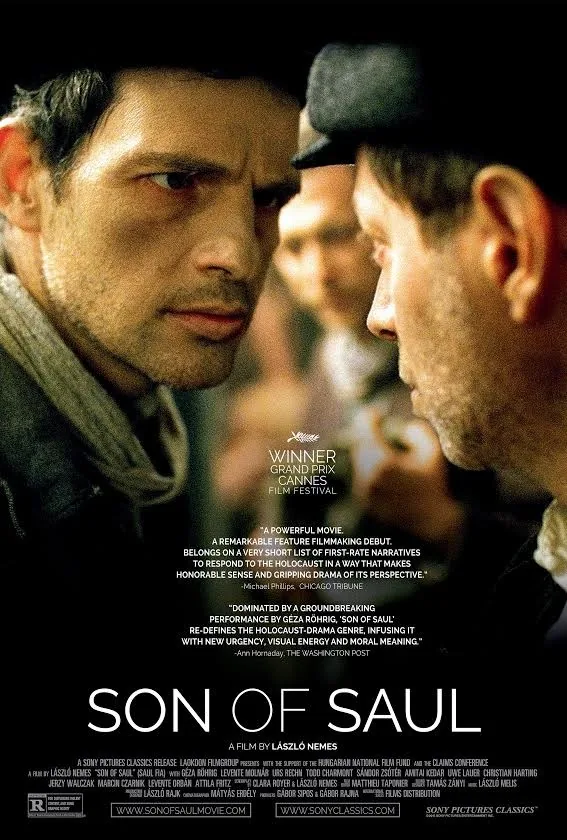
Saul’s burial mission is a small, concrete act of care inside a system designed to erase both personhood and mourning.
Why this matches +
These offer a related experience with a meaningful difference in story, tone, or presentation.
An adjacent discovery: a related idea with a different viewing experience.
Genres: Historical drama / war drama
Shared film traits
Based on recorded story, mood and style. Your preferences can change the order.
War and civilian life · Political resistance
What changes Son of Saul follows a captive whose private sense of duty unfolds under an oppressive system that endangers others.
In Auschwitz in 1944, Sonderkommando prisoner Saul finds a boy still alive after a gassing and becomes fixated on securing a proper burial before the body is taken for autopsy and cremation. His search for a rabbi and ritual unfolds while fellow prisoners plan an uprising and try to document the camp’s atrocities. Saul offers help to the resistance, but his pursuit of a private act of dignity repeatedly interferes with their larger plan. The film keeps the violence at the edges of the frame, following his narrow field of attention through an almost unbearable environment.
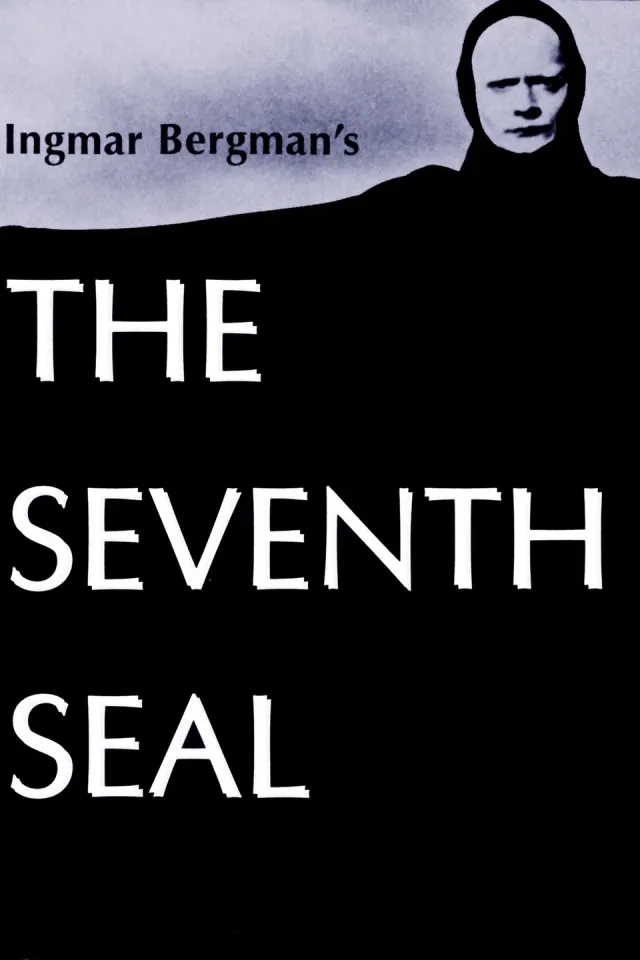
A delayed encounter with death creates a finite journey in which a search for certainty competes with the practical possibility of protecting others.
Why this matches +
These offer a related experience with a meaningful difference in story, tone, or presentation.
An adjacent discovery: a related idea with a different viewing experience.
Genres: Fantasy / Drama
Shared film traits
Based on recorded story, mood and style. Your preferences can change the order.
What changes The Seventh Seal explores religious doubt and mortality amid widespread suffering.
A knight returning from the Crusades encounters Death in a country devastated by plague and proposes a chess game to postpone his end. Travelling with a sceptical squire, he searches for evidence of divine presence among fear, cruelty and ordinary acts of care. A family of travelling performers offers a form of fragile happiness that shifts the value of the remaining time from obtaining an answer toward making one useful intervention.
The rules imposed on daily life show occupation through ordinary choices as well as open force.
Why this matches +
These offer a related experience with a meaningful difference in story, tone, or presentation.
An adjacent discovery: a related idea with a different viewing experience.
Genres: Drama / War
Shared film traits
Based on recorded story, mood and style. Your preferences can change the order.
War and civilian life · Political resistance
What changes Timbuktu examines a community living under coercive religious authority and the consequences of resistance.
In and around Timbuktu, an extremist group imposes rigid rules on residents, controlling dress, music and public behavior. A herdsman’s family becomes caught in a conflict after an accidental death, while the city’s musicians, children and neighbors respond to life under occupation. Abderrahmane Sissako contrasts intimate domestic routines with the group’s authoritarian power, creating a restrained drama about dignity, faith, absurdity and the impact of political violence on ordinary people.
A politically motivated surveillance assignment turns a loyal operative's access to private evidence into a conflict between bureaucratic obedience and covert protection.
Why this matches +
These offer a related experience with a meaningful difference in story, tone, or presentation.
An adjacent discovery: a related idea with a different viewing experience.
Genres: Drama / Thriller
Shared film traits
Based on recorded story, mood and style. Your preferences can change the order.
Political resistance
What changes The Lives of Others follows people whose beliefs and private relationships are constrained by a surveillance state.
An East German surveillance officer is assigned to monitor a celebrated playwright and his partner, ostensibly for national security. Listening to their private life reveals artistic friendships, fear and a senior official's exploitative motive behind the operation. The officer's identification with people he is meant to expose creates small opportunities to intervene, but every altered report risks his position within an institution that treats conscience as disloyalty.
In the seventeenth century, Jesuit priests Rodrigues and Garupe travel to Japan after hearing that their mentor Ferreira has renounced Christianity. They rely on Kichijiro, a fisherman who repeatedly professes and abandons the faith under pressure. The priests find secret Christian communities, but authorities force villagers to choose between public apostasy and brutal punishment. Separated from Garupe and imprisoned, Rodrigues must confront what belief means when his own presence exposes others to suffering. The search for Ferreira becomes a moral test rather than a simple rescue mission.
What drives the story
The journey begins as a defense of a mentor’s reputation, then exposes how missionary certainty can place vulnerable villagers in greater danger.
The people at its centre
Rodrigues’s faith is tested by the state’s coercion and by Kichijiro’s repeated return after betrayal; neither man fits an easy image of courage or cowardice.
What it feels like
Patient pacing and restrained compositions make waiting, silence and small rituals carry the drama; graphic persecution arrives without turning the story into an action spectacle.
Worth knowing
A fit for serious historical dramas about belief under state persecution; its sustained torture and moral anguish are far from gentle religious uplift.