A ceremonial journey becomes a retrospective moral encounter as ordinary companions and remembered places unsettle the traveller's account of his own life.
Why this matches +
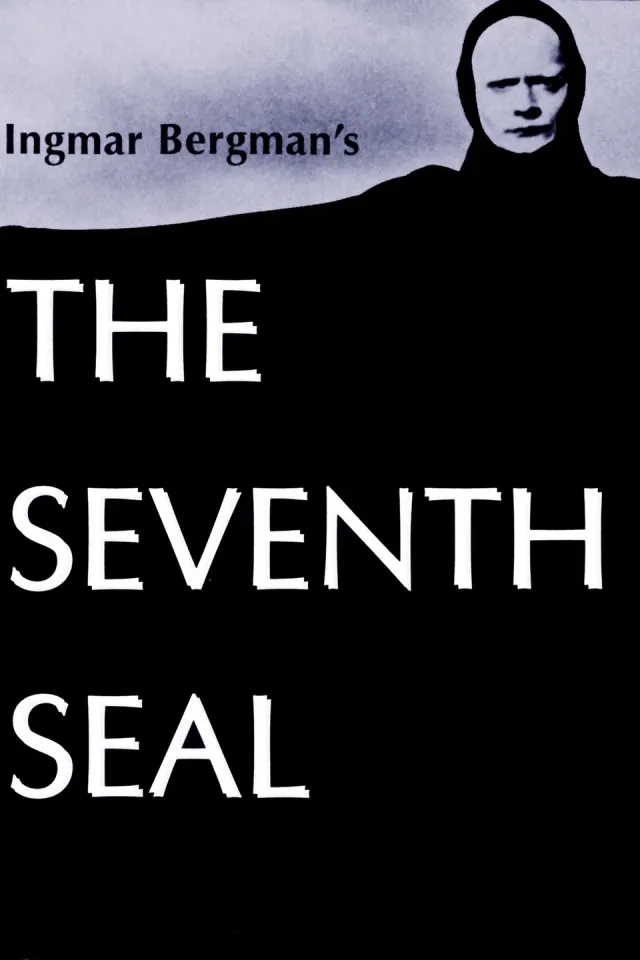
Selected for the central appeal: A knight plays chess with Death during a plague while seeking meaning and a worthwhile act.
Genres: Drama / Flashback
Shared film traits
Based on recorded story, mood and style. Your preferences can change the order.
Both directed by Ingmar Bergman.
What changes An aging man confronts mortality through a reflective journey and encounters that reconsider the value of ordinary human connection.
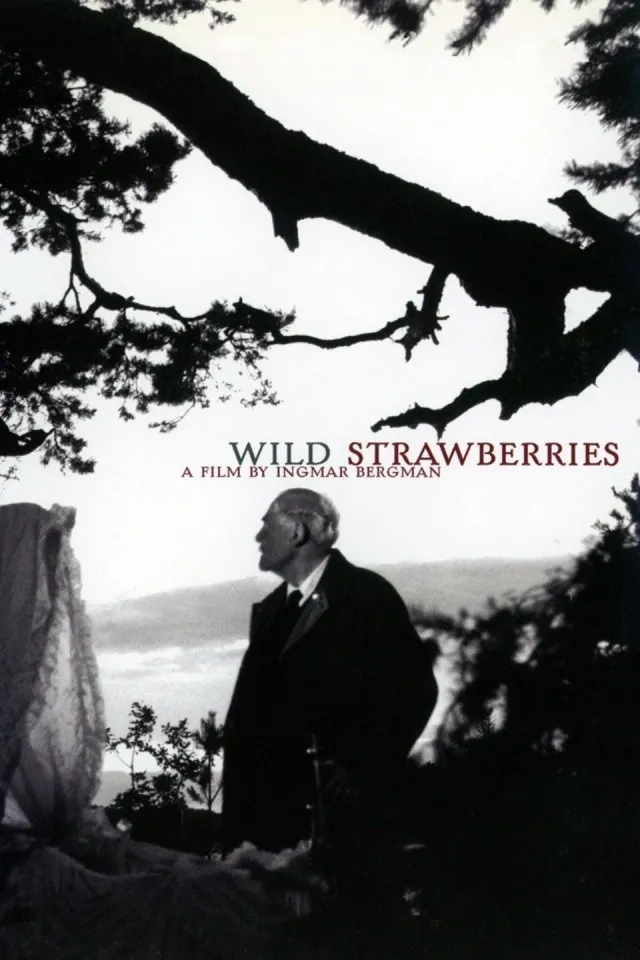
An elderly physician travels by car to receive an academic honour, accompanied by a daughter-in-law whose strained marriage exposes the emotional habits he would prefer not to examine. Encounters with hitchhikers, family and places from his youth interrupt the outward journey with memories and unsettling dreams. Public recognition becomes less significant than the possibility of acknowledging how distance and self-protection have passed through generations of his household.
An illicit pilgrimage toward a wish-granting room becomes a confrontation with the uncertainty of desire and the authority of the guide's faith.
Why this matches +
These offer a related experience with a meaningful difference in story, tone, or presentation.
An adjacent discovery: a related idea with a different viewing experience.
Genres: Science fiction / Drama
Shared film traits
Based on recorded story, mood and style. Your preferences can change the order.
What changes Travelers enter an enigmatic landscape seeking answers to existential questions, while their beliefs and hopes shape the journey.
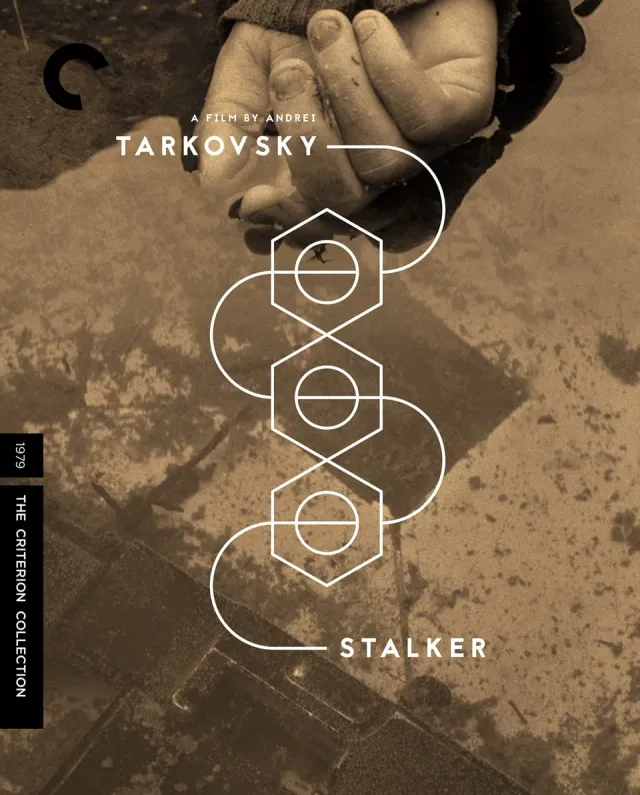
A guide illegally leads a writer and a professor into a guarded region known as the Zone, where a room is said to fulfil a person's deepest desire. Their journey through abandoned industrial spaces follows rules the guide treats with intense seriousness, although their basis remains uncertain. As the destination approaches, the travellers' intellectual purposes fracture around the possibility that what they truly want differs from what they can admit.
A survival account links practical coexistence with a dangerous animal to a retrospective question about how catastrophic experience is narrated.
Why this matches +
These offer a related experience with a meaningful difference in story, tone, or presentation.
An adjacent discovery: a related idea with a different viewing experience.
Genres: Fantasy / Drama
Shared film traits
Based on recorded story, mood and style. Your preferences can change the order.
What changes A survivor's account uses extraordinary imagery to explore faith, mortality and the value of stories when certainty is unavailable.
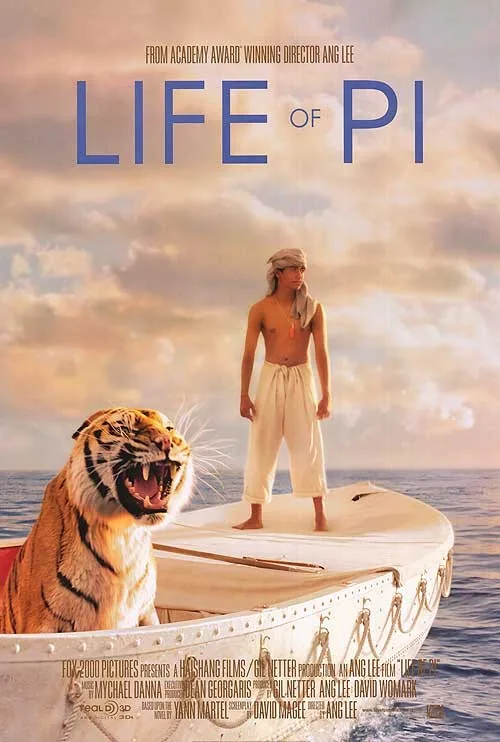
A writer listens to an Indian man's account of surviving a shipwreck as a teenager, adrift in a lifeboat with a Bengal tiger. Keeping the animal at a workable distance requires routines of training, rationing and constant observation, while the ocean alternates between beauty and indifference. The framed recollection also raises questions about faith, interpretation and the role a story can play when experience resists ordinary explanation.
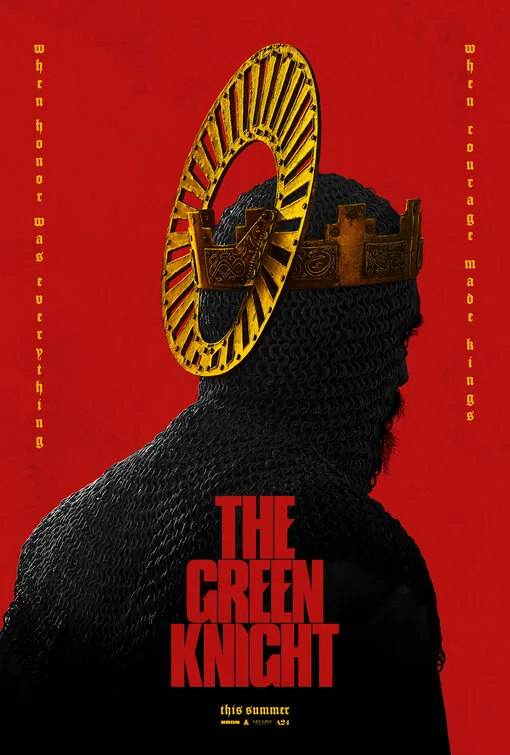
The year-long beheading bargain gives Gawain a fixed destination; the encounters along the road test whether he can meet its consequence without evasion.
Why this matches +
These offer a related experience with a meaningful difference in story, tone, or presentation.
An adjacent discovery: a related idea with a different viewing experience.
Genres: Medieval / Speculative fiction
Shared film traits
Based on recorded story, mood and style. Your preferences can change the order.
What changes A medieval knight undertakes a symbolic journey that tests courage, mortality and the meaning of an honorable life.
On Christmas at Camelot, King Arthur’s nephew Gawain accepts a supernatural challenger’s beheading game, agreeing to receive the same blow in a year. He travels to the Green Chapel to honour the bargain, passing through tests of courage, temptation and self-preservation that unsettle his idea of what a knight should be. The journey becomes stranger and more inward than a conventional quest, and Gawain must decide whether keeping his life at any cost counts as keeping his word. David Lowery’s adaptation uses the medieval romance as a dreamlike character study rather than a clean heroic adventure.
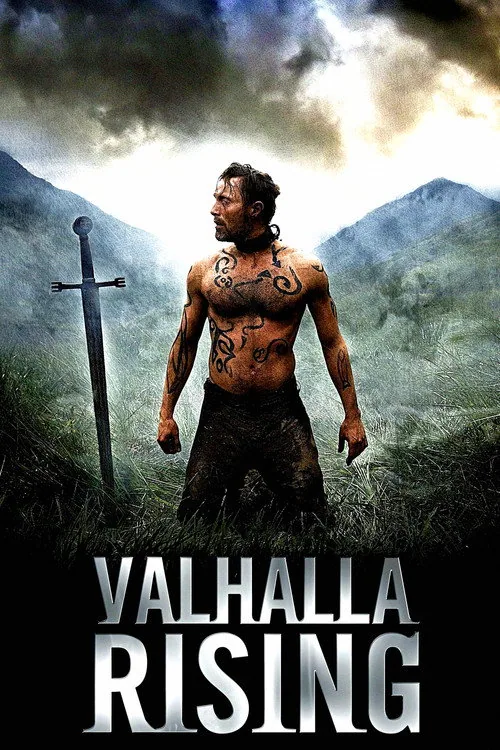
After One-Eye escapes captivity, the expedition's journey becomes a series of encounters with terrain and beliefs beyond its control.
Why this matches +
These offer a related experience with a meaningful difference in story, tone, or presentation.
An adjacent discovery: a related idea with a different viewing experience.
Genres: Fantasy / Drama
Shared film traits
Based on recorded story, mood and style. Your preferences can change the order.
What changes A warrior moves through a bleak, spiritually charged medieval landscape where violence and mortality challenge ordinary explanations.
One-Eye, a mute captive forced to fight for a Norse chieftain, escapes with the help of a boy who has watched over him. They join a group of Christian Norsemen setting sail for the Holy Land, but their voyage delivers them to a harsh, unfamiliar landscape where the expedition's certainty begins to collapse. Nicolas Winding Refn tells the journey in sparse chapters, using long silences and stark images rather than conventional historical exposition. The result is a brutal, meditative adventure about violence, belief, and outsiders moving through a world they cannot master.
A knight returning from the Crusades encounters Death in a country devastated by plague and proposes a chess game to postpone his end. Travelling with a sceptical squire, he searches for evidence of divine presence among fear, cruelty and ordinary acts of care. A family of travelling performers offers a form of fragile happiness that shifts the value of the remaining time from obtaining an answer toward making one useful intervention.
What drives the story
A delayed encounter with death creates a finite journey in which a search for certainty competes with the practical possibility of protecting others.
The people at its centre
The knight's metaphysical anxiety is contrasted with a squire's material scepticism and performers whose affection does not depend on resolving theology.
What it feels like
Stark compositions, allegorical encounters and intermittent earthly humour make mortality contemplative without giving every scene the same solemn register.
Worth knowing
The chess game personifies mortality within an allegory, rather than making the story a competitive-sport narrative or supplying a settled proof about religious belief.