A military prisoner uses shared institutional codes to organize resistance against a commandant, turning a confined power struggle into coordinated collective action.
What should feel similar?
Find your next favourite
9 of 18 films · Closest overall matches
Hide films you’ve seen or don’t want. Saved on this device.
No matches for this combination yet.
Try another option or reset your choices to see more films.
A prisoner's defence of military standards becomes identification with an enemy project that an allied sabotage team is trying to destroy.
Why this matches +
These films share important themes, atmosphere or storytelling interests with this selection.
Genres: Drama / War
Shared film traits
Based on recorded story, mood and style. Your preferences can change the order.
Survival
What changes Its own story: A prisoner's defence of military standards becomes identification with an enemy project that an allied sabotage team is trying to destroy.
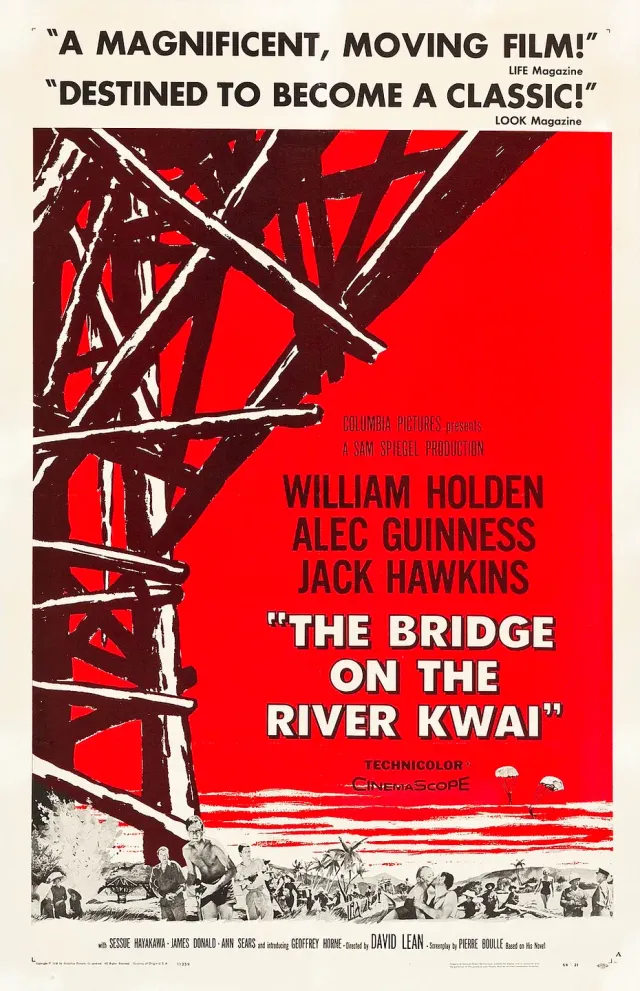
British prisoners in a Japanese camp are ordered to construct a railway bridge serving the enemy's war effort. Their commanding officer first resists the commandant on matters of principle, then begins treating an efficiently built bridge as proof of his men's discipline and dignity. Meanwhile, a separate mission seeks to destroy the same structure, turning professional pride and military duty into forces capable of working against their supposed purpose.
Small refusals escalate into a struggle between a prisoner's autonomy and an institution determined to make every body and action governable. Repeated escapes and punishments deepen the gap between resistance and control.
Why this matches +
These films share important themes, atmosphere or storytelling interests with this selection.
Genres: Drama / Crime
Shared film traits
Based on recorded story, mood and style. Your preferences can change the order.
What changes Its own story: Small refusals escalate into a struggle between a prisoner's autonomy and an institution determined to make every body and action governable. Repeated escapes and punishments deepen the gap between resistance and control.
Sent to a Southern chain gang for a minor offense, Luke Jackson refuses to perform submission and becomes a source of hope for the other prisoners. His defiance is often playful, and the inmates build it into a legend that Luke cannot always sustain. The camp responds through physical punishment and rigid authority, making his resistance both a communal resource and an increasingly costly role. Religious imagery adds another possible meaning without settling whether Luke is a redeemer, a rebel or simply a vulnerable man who cannot comply. The chain gang's egg-eating contest turns bodily endurance into a legend among the inmates.
An undercover investigation reveals an entrenched system that resists reform once Brubaker takes charge.
Why this matches +
These films share important themes, atmosphere or storytelling interests with this selection.
Genres: Drama / Crime
Shared film traits
Based on recorded story, mood and style. Your preferences can change the order.
What changes Its own story: An undercover investigation reveals an entrenched system that resists reform once Brubaker takes charge.
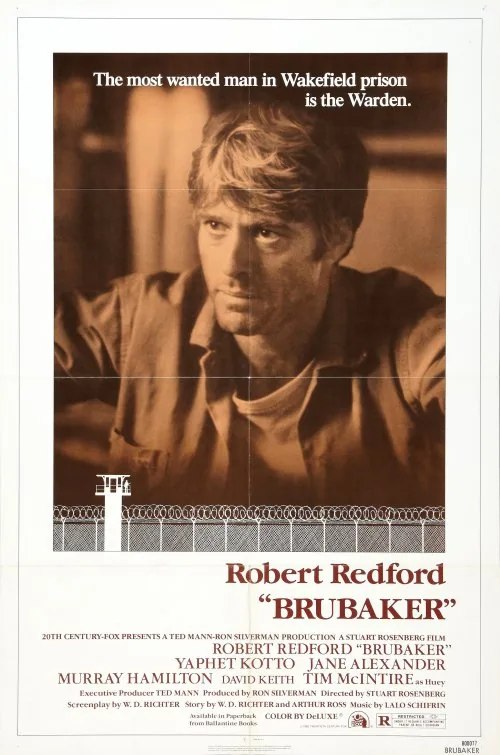
Henry Brubaker arrives at a Southern prison undercover as an inmate so he can see how the institution actually operates. Once appointed warden, he tries to expose corruption, forced labor and abuse, but reforms threaten networks that extend beyond the prison walls. The film is a procedural account of institutional change, where moral resolve is repeatedly tested by political pressure and the human cost of speaking openly.
A long imprisonment becomes a struggle to preserve agency and hope inside a system that profits from dependency.
Why this matches +
These films share important themes, atmosphere or storytelling interests with this selection.
Genres: Drama
Shared film traits
Based on recorded story, mood and style. Your preferences can change the order.
What changes Its own story: A long imprisonment becomes a struggle to preserve agency and hope inside a system that profits from dependency.
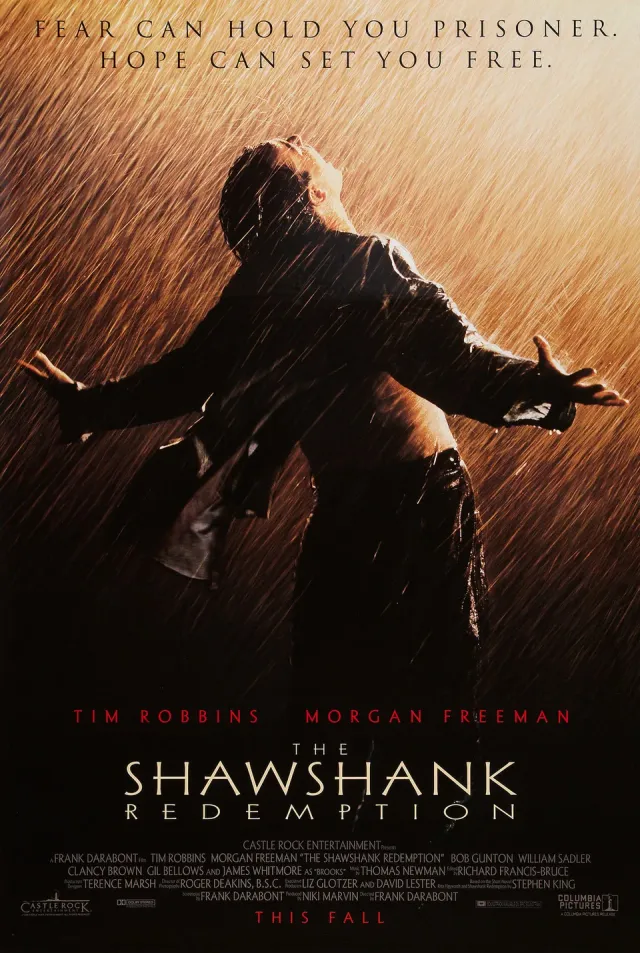
A banker convicted of murdering his wife enters a prison where brutality and institutional self-interest organise ordinary life. Friendship with an experienced inmate and the usefulness of his financial skills create limited space for work, learning and private hope. Years of adaptation expose different meanings of freedom, as the practical advantages that keep him alive also bind him more closely to people invested in maintaining his confinement.
A military defense case turns on proving whether an unofficial punishment originated within the chain of command.
Why this matches +
These films share important themes, atmosphere or storytelling interests with this selection.
Genres: Drama / Thriller
Shared film traits
Based on recorded story, mood and style. Your preferences can change the order.
What changes Its own story: A military defense case turns on proving whether an unofficial punishment originated within the chain of command.
A young Navy lawyer known for negotiating deals is assigned to defend two Marines accused of killing a fellow serviceman during an unofficial disciplinary action. Working with a demanding colleague and another defense lawyer, he investigates the command culture surrounding the death. Building a case requires confronting the gap between obedience to authority and responsibility for what an order actually does.
An impossible military order produces a prosecution designed to displace responsibility down the chain of command.
Why this matches +
These films share important themes, atmosphere or storytelling interests with this selection.
Genres: Drama / War
Shared film traits
Based on recorded story, mood and style. Your preferences can change the order.
What changes Its own story: An impossible military order produces a prosecution designed to displace responsibility down the chain of command.
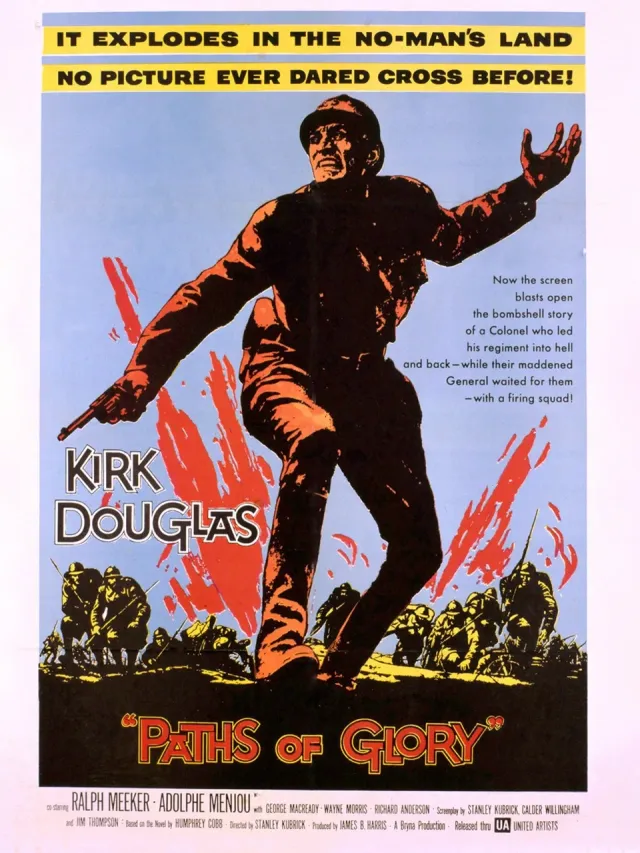
A French regiment is ordered into an attack that senior officers have little reason to expect it can survive. After failure, selected soldiers face trial for cowardice while their commander attempts to defend them. The proceedings expose a hierarchy more concerned with reputation and discipline than with the circumstances of the men whose lives it controls.
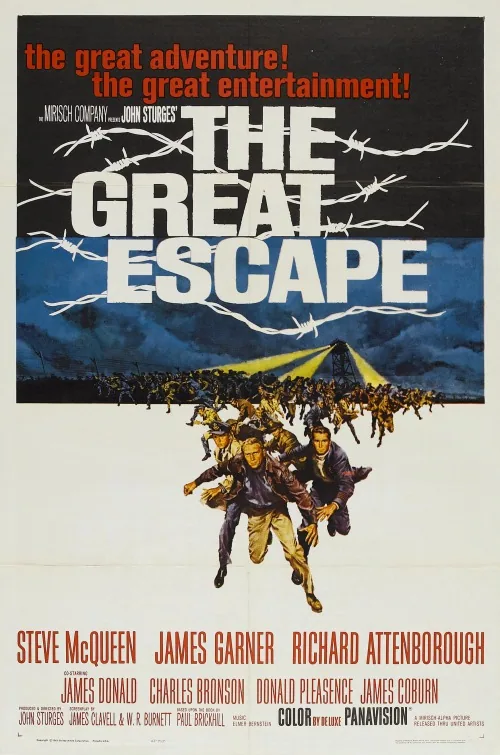
The three-tunnel plan divides the escape into interdependent jobs requiring secrecy, specialized skill and timing. Hilts’s individual escape attempts contrast with Bartlett’s collective operation, but the film’s American characters are inventions rather than participants in the actual breakout.
Why this matches +
These films share important themes, atmosphere or storytelling interests with this selection.
Genres: Drama / Thriller
Shared film traits
Based on recorded story, mood and style. Your preferences can change the order.
What changes Its own story: The three-tunnel plan divides the escape into interdependent jobs requiring secrecy, specialized skill and timing. Hilts’s individual escape attempts contrast with Bartlett’s collective operation, but the film’s American characters are inventions rather than participants in the actual breakout.
At Stalag Luft III, Allied airmen organize a mass escape through three tunnels, relying on specialist teams to make forged papers, civilian clothes and a hidden route. Hilts repeatedly tries to escape alone while Bartlett coordinates the larger plan. In the real 1944 breakout, 76 prisoners got out, 73 were recaptured and 50 were murdered by the Gestapo. The film preserves the scale and tragic outcome but invents characters such as Steve McQueen’s American Hilts and gives Americans a prominent role; no Americans were in the North Compound when the breakout happened. Its ensemble adventure is highly fictionalized and should not be read as a precise account of who planned or escaped.
Carter and his supporters seek to have his conviction reconsidered and overturned.
Why this matches +
These films share important themes, atmosphere or storytelling interests with this selection.
Genres: Biography / Drama
Shared film traits
Based on recorded story, mood and style. Your preferences can change the order.
Political resistance
What changes Its own story: Carter and his supporters seek to have his conviction reconsidered and overturned.
In 1966, middleweight boxer Rubin “Hurricane” Carter and his friend John Artis are stopped by police after a triple murder and later convicted based on witness testimony. Carter maintains his innocence in prison and publishes an autobiography; years later, teenager Lesra Martin reads it and draws a Canadian foster family into the effort to reopen the case. Norman Jewison’s biographical drama follows the legal campaign that leads a federal judge to overturn the convictions. It is a dramatic adaptation of Carter’s story, and some depictions of the real case were disputed and later corrected.
A Black JAG captain investigates the murder of a sergeant inside a segregated unit.
Why this matches +
These films explore a related idea in a different setting, genre or style.
An adjacent discovery: a related idea with a different viewing experience.
Genres: War / Drama
Shared film traits
Based on recorded story, mood and style. Your preferences can change the order.
Political resistance
What changes Its own story: A Black JAG captain investigates the murder of a sergeant inside a segregated unit.
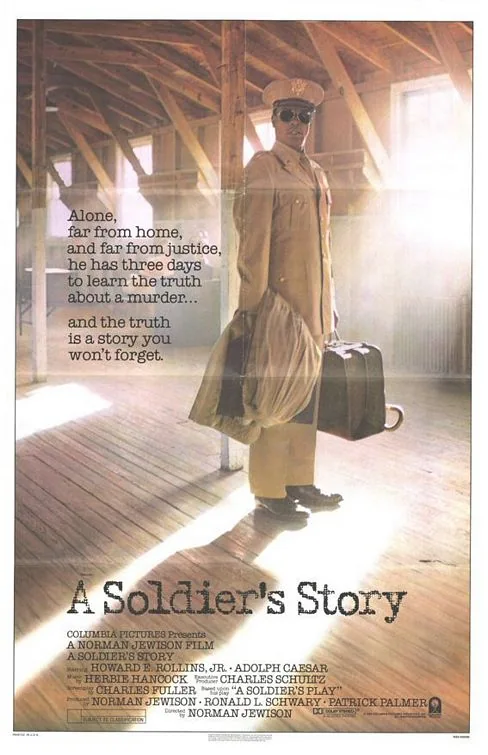
At a segregated Army base in Louisiana during World War II, Captain Davenport investigates the killing of a Black drill sergeant whose blunt authority made him unpopular with white officers and Black enlisted men alike. Flashbacks complicate the case, showing how racism and military rank shaped the regiment's memories. The mystery becomes a study of testimony under unequal power.
A regiment fights for the right to serve and be recognized as soldiers while the Union military withholds equal authority and resources. The regiment’s right to fight and its access to equal treatment are separate struggles.
Why this matches +
These films explore a related idea in a different setting, genre or style.
An adjacent discovery: a related idea with a different viewing experience.
Genres: War / Drama
Shared film traits
Based on recorded story, mood and style. Your preferences can change the order.
What changes Its own story: A regiment fights for the right to serve and be recognized as soldiers while the Union military withholds equal authority and resources. The regiment’s right to fight and its access to equal treatment are separate struggles.
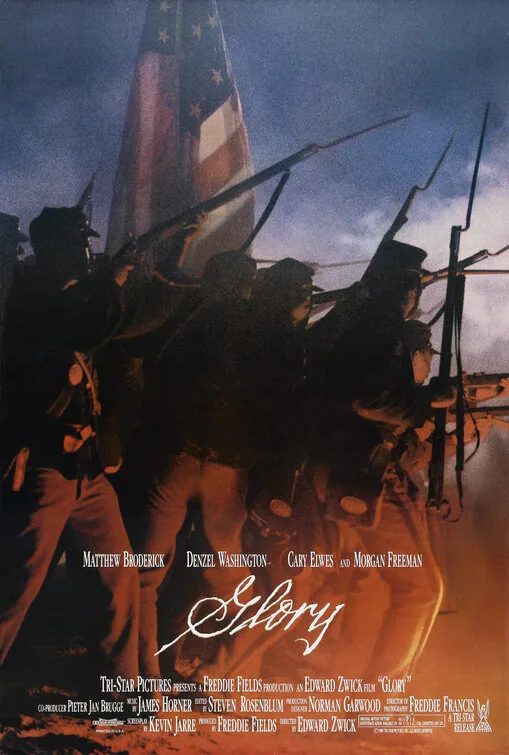
Robert Gould Shaw accepts command of the 54th Massachusetts, a Black regiment formed during the Civil War, and confronts unequal supplies, prejudice and the limits imposed on its soldiers. The men’s varied reasons for enlisting and their efforts to establish the regiment’s standing become central to the story, not merely preparation for the final assault. The film’s emotional viewpoint still rests heavily with a white officer, and several Black characters are fictional composites. The National Park Service’s account of the 54th helps distinguish the regiment’s history from the drama’s choices, especially when remembering courage without letting recognition eclipse institutional racism.
An institution's claim of total containment is tested through incremental observation and improvised construction, with everyday routines supplying both cover and deadlines.
Why this matches +
These films explore a related idea in a different setting, genre or style.
An adjacent discovery: a related idea with a different viewing experience.
Genres: Drama / Thriller
Shared film traits
Based on recorded story, mood and style. Your preferences can change the order.
What changes Its own story: An institution's claim of total containment is tested through incremental observation and improvised construction, with everyday routines supplying both cover and deadlines.
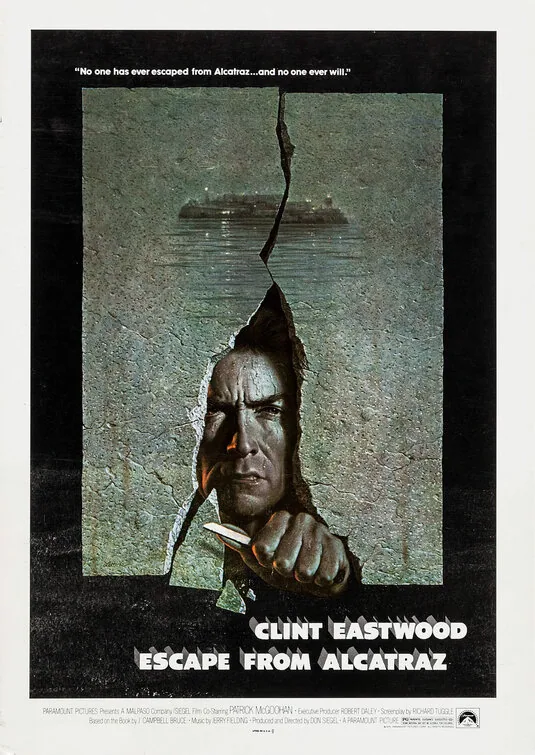
A prisoner transferred to Alcatraz encounters a regime whose confidence depends on making escape seem materially and psychologically impossible. Small observations of objects, routines and deteriorating surfaces gradually reveal a different set of possibilities. Building an alliance allows repeated acts of patient preparation to become a collective plan, while the warden's treatment of other inmates makes departure a refusal of humiliation as well as a practical contest with walls and surveillance.
A local rebellion becomes a mass attempt to leave an order that depends on treating human beings as property.
Why this matches +
These films explore a related idea in a different setting, genre or style.
An adjacent discovery: a related idea with a different viewing experience.
Genres: Historical / War
Shared film traits
Based on recorded story, mood and style. Your preferences can change the order.
Political resistance
What changes Its own story: A local rebellion becomes a mass attempt to leave an order that depends on treating human beings as property.
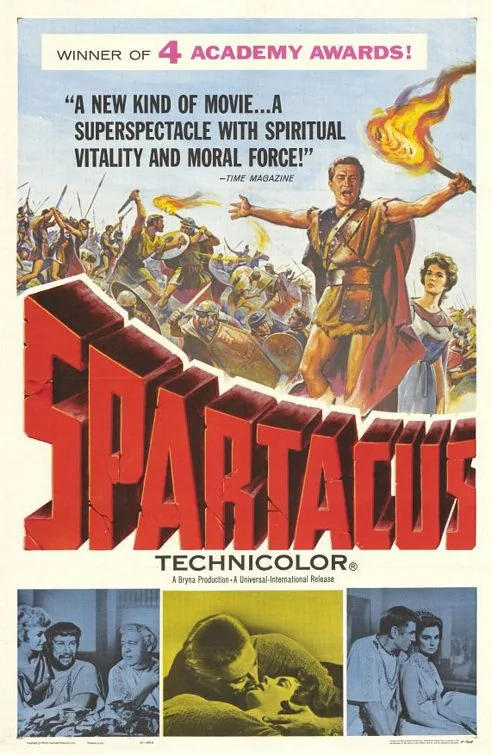
A man sold into gladiatorial training helps begin a revolt against the people who own and exploit the fighters. What starts as an immediate escape grows into a mobile community seeking a route out of Roman control. The movement's needs intersect with elite political rivalries, while personal love and collective leadership force its central figure to balance hope with the practical vulnerability of people whose freedom has no institutional protection.
An extraordinary prisoner unsettles the assumptions that allow a compassionate officer to perform an institution's irreversible work.
Why this matches +
These films explore a related idea in a different setting, genre or style.
An adjacent discovery: a related idea with a different viewing experience.
Genres: Fantasy / Drama
Shared film traits
Based on recorded story, mood and style. Your preferences can change the order.
What changes Its own story: An extraordinary prisoner unsettles the assumptions that allow a compassionate officer to perform an institution's irreversible work.
A prison officer working on death row encounters a condemned man whose size and conviction conceal an unusual gentleness and a capacity the staff cannot explain. Everyday work among prisoners and guards exposes cruelty that official procedure does little to prevent. As the officer learns more about the new inmate, carrying out lawful duties becomes increasingly difficult to reconcile with what he believes about suffering, innocence and responsibility.
Capture gives Algren time to understand the people he was hired to defeat; his shift in allegiance leads into a final battle over modernization and power.
Why this matches +
These films explore a related idea in a different setting, genre or style.
An adjacent discovery: a related idea with a different viewing experience.
Genres: Drama / Action
Shared film traits
Based on recorded story, mood and style. Your preferences can change the order.
What changes Its own story: Capture gives Algren time to understand the people he was hired to defeat; his shift in allegiance leads into a final battle over modernization and power.
Former U.S. Army captain Nathan Algren is hired to train Japan’s new imperial army, but its recruits are sent into battle before they are ready. Captured by samurai leader Katsumoto, Algren is taken to a village where he gradually learns the language and daily rhythms of the people he was sent to fight. His military past and his experiences in the village change how he understands the conflict, while Katsumoto challenges the government’s rapid modernization. When the imperial army prepares a final attack, Algren must decide where his loyalties lie. The film frames the rebellion through an American outsider’s transformation, making that perspective a major part of its appeal and its limits.
The amnesty bargain is both recruitment and coercion: Reisman needs the prisoners to become a unit before using them in a mission designed around high expected losses.
Why this matches +
These films explore a related idea in a different setting, genre or style.
An adjacent discovery: a related idea with a different viewing experience.
Genres: Drama / Action
Shared film traits
Based on recorded story, mood and style. Your preferences can change the order.
What changes Its own story: The amnesty bargain is both recruitment and coercion: Reisman needs the prisoners to become a unit before using them in a mission designed around high expected losses.
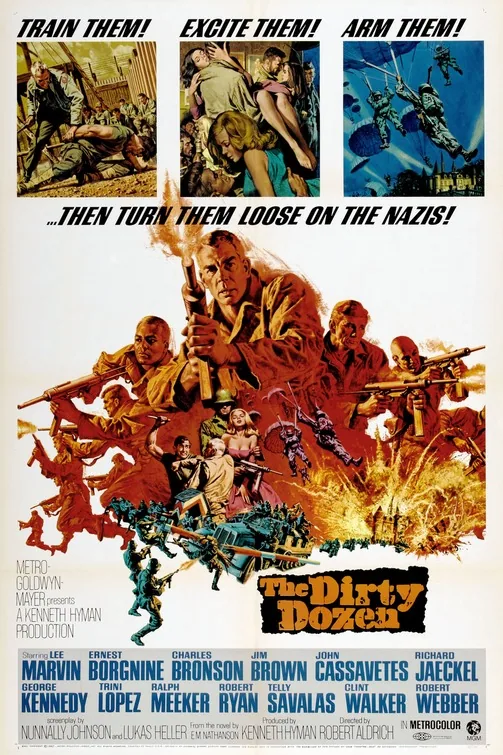
Army major John Reisman is ordered to train twelve military prisoners for a dangerous mission behind German lines before D-Day. The men have been convicted of serious crimes, and the deal is that survivors may receive amnesty. Reisman first has to make a hostile group follow orders, then prepare them to attack a château where German officers are gathered. Their training exposes rivalries and the limits of discipline; during the operation, a change in the target’s circumstances makes the plan more morally fraught than its briefing suggested. The mission depends on teamwork among men who distrust one another, while Reisman weighs the strategic objective against the cost of treating them as expendable weapons.
The researchers’ rules fail to contain the behavior their experiment encourages among participants.
Why this matches +
These films explore a related idea in a different setting, genre or style.
An adjacent discovery: a related idea with a different viewing experience.
Genres: Drama / Thriller
Shared film traits
Based on recorded story, mood and style. Your preferences can change the order.
Survival
What changes Its own story: The researchers’ rules fail to contain the behavior their experiment encourages among participants.
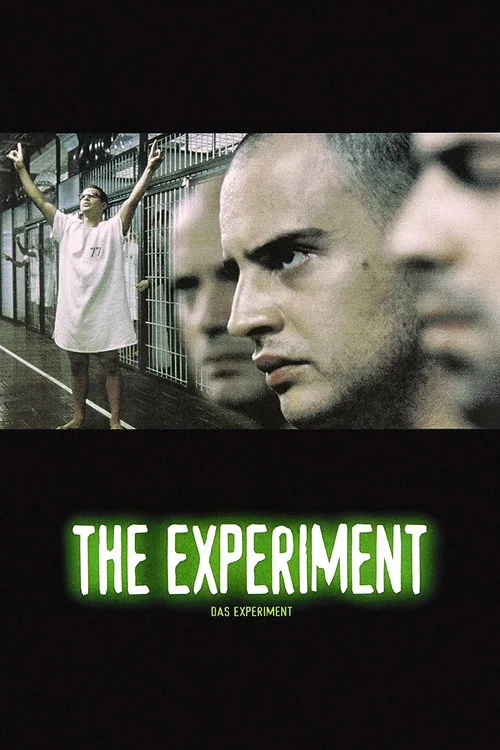
Taxis arrive at a research facility where volunteers are assigned roles as guards or prisoners in a simulated jail. The participants are told to follow the rules of the experiment, but tensions grow as authority, humiliation, and group behavior begin to override the researchers’ expectations. Journalist Tarek Fahd enters the study under an assumed identity and attempts to document what is happening from inside. Oliver Hirschbiegel’s German psychological thriller draws on the Stanford prison experiment and escalates a controlled social study into a crisis about power and obedience.
A hostage negotiator tries to expose a conspiracy from inside a standoff.
Why this matches +
These films explore a related idea in a different setting, genre or style.
An adjacent discovery: a related idea with a different viewing experience.
Genres: Thriller / Crime
Shared film traits
Based on recorded story, mood and style. Your preferences can change the order.
What changes Its own story: A hostage negotiator tries to expose a conspiracy from inside a standoff.
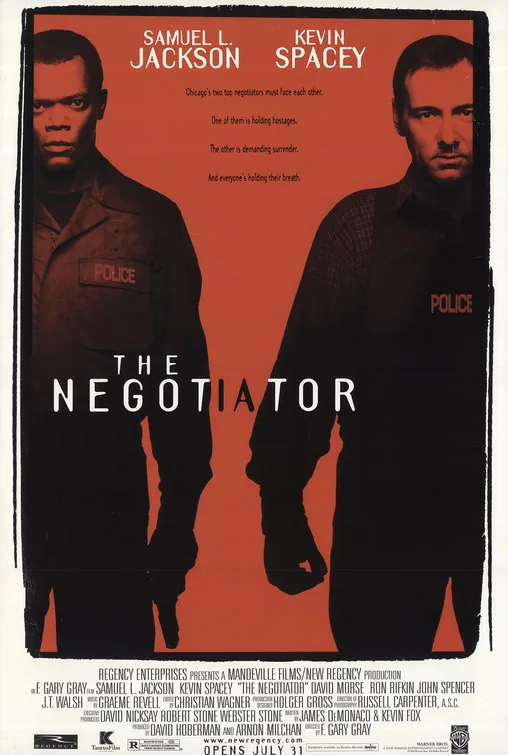
Chicago hostage negotiator Danny Roman is accused of corruption and murder after a colleague is killed. Convinced that evidence has been manipulated, he takes several people hostage inside a government building and demands that another negotiator, Chris Sabian, hear his case. The thriller turns professional listening into a high-stakes contest where each man must distinguish strategy from deception.
An incomplete emergency message leaves the launch decision dependent on the officers’ competing interpretation of their orders.
Why this matches +
These films explore a related idea in a different setting, genre or style.
An adjacent discovery: a related idea with a different viewing experience.
Genres: Action / Thriller
Shared film traits
Based on recorded story, mood and style. Your preferences can change the order.
What changes Its own story: An incomplete emergency message leaves the launch decision dependent on the officers’ competing interpretation of their orders.
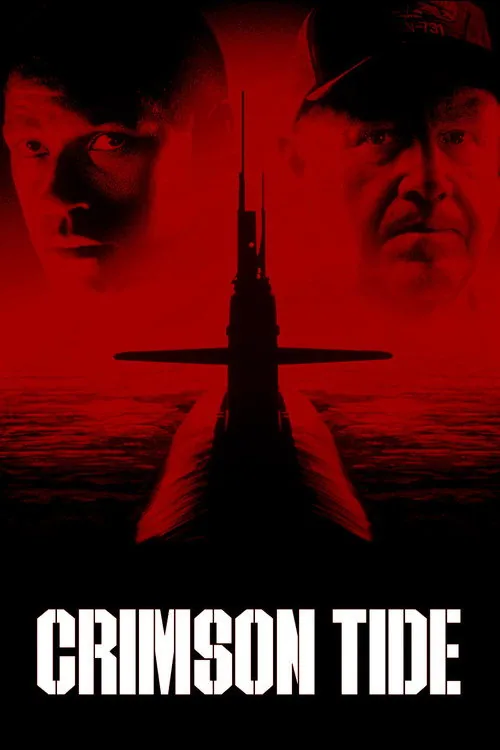
The U.S. submarine Alabama receives an order to launch nuclear missiles during a crisis in Russia, but an attack interrupts a second message before the crew can confirm whether the order still stands. Captain Frank Ramsey favors acting on the last complete command; executive officer Ron Hunter insists on waiting for verification. Tony Scott’s submarine thriller turns procedure into a high-pressure moral conflict, with the officers’ disagreement putting the crew and the wider world at risk inside a sealed vessel.
A decorated general is sent to a military prison after a court-martial and clashes with the commandant over the treatment of the inmates. What begins as a dispute over authority develops into an organized challenge to the prison's abusive system, drawing former soldiers into a difficult test of discipline and solidarity. The film frames rebellion as a conflict between rank and moral leadership, with the prison's structure turning every act of resistance into a public choice.
What drives the story
An imprisoned general uses the institution's own military codes to challenge the commandant's control over the inmates.
The people at its centre
The inmates bring different loyalties and wounds to the uprising, and the commandant's need for obedience sharpens the conflict.
What it feels like
Measured confrontations and collective action give the drama a formal, siege-like rhythm within a contained setting.
Worth knowing
a prison leadership drama about institutional authority rather than a battlefield war film